Fukushima nuclear plant emergency: week three - in pictures
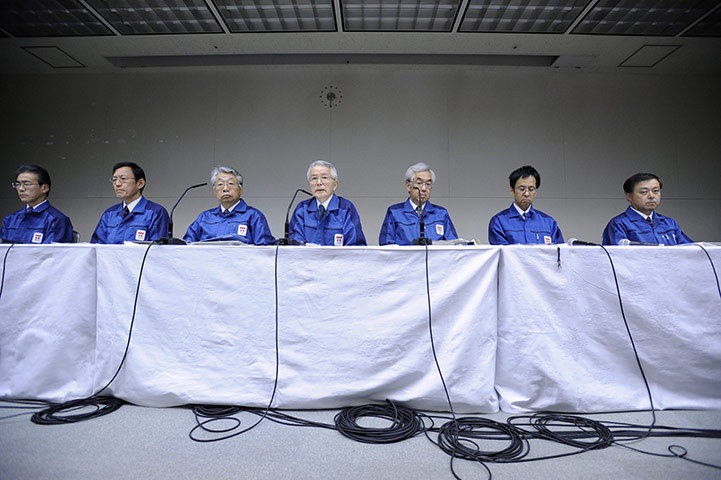
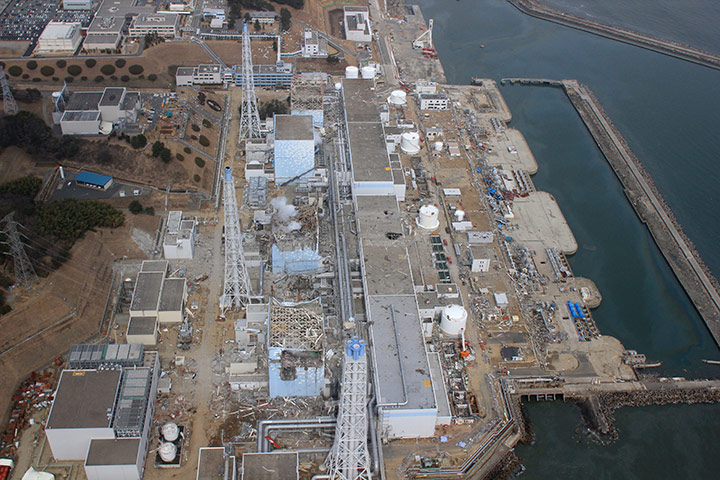
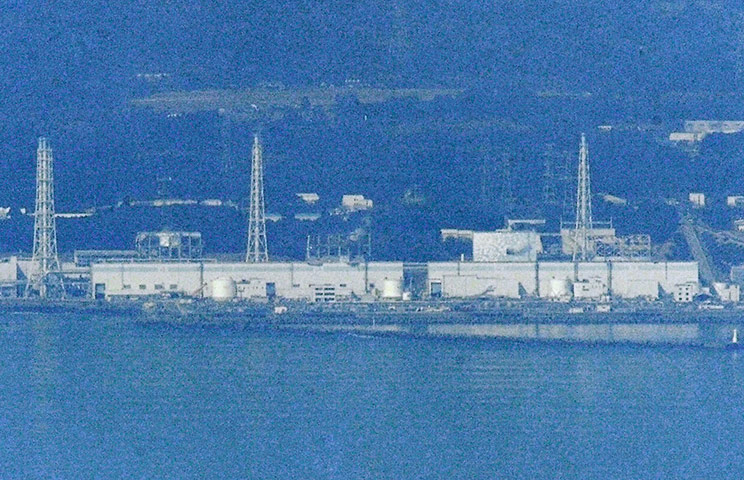
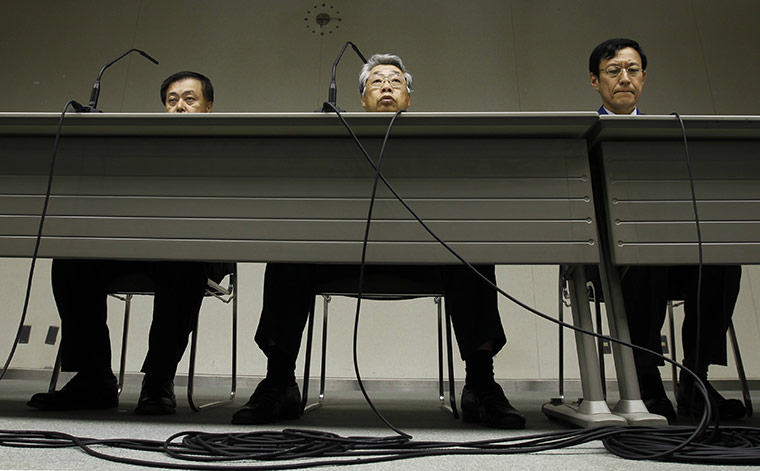
Wednesday 30 MarchPhotograph: GuardianTsunehisa Katsumata, centre, chairman of Tepco, Japan's main electricity supplier, at a news conference in Tokyo. He said it will take more than a few weeks to fix the Fukushima nuclear power plant. Earlier, Tepco announced that its president, Masataka Shimizu, was taken to hospital yesterday suffering from hypertension. Katsumata is taking over Shimizu's position in leading efforts to control the crisis Photograph: Franck Robichon/EPAAn aerial photo of the damaged reactors at Fukushima taken on 20 March but released today. Tepco's chairman, Tsunehisa Katsumata, announced it will be take than a few weeks to fix the plantPhotograph: HO/EPA
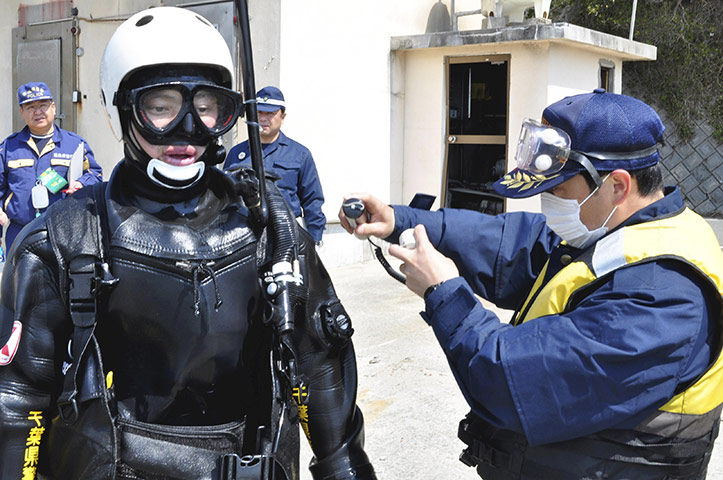
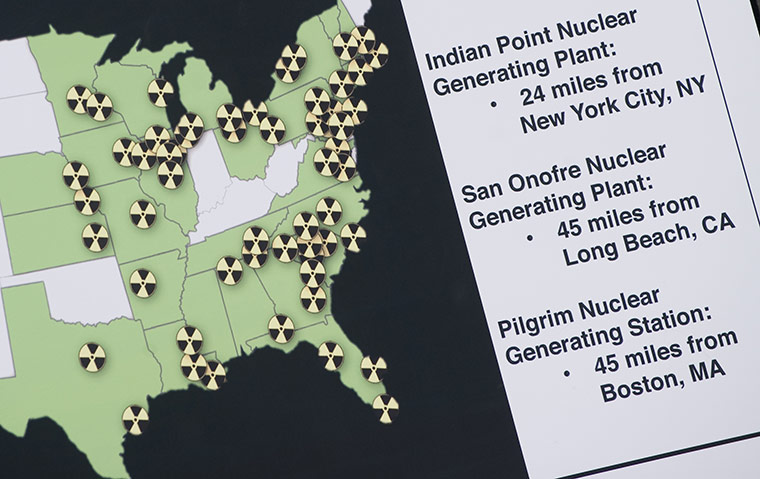
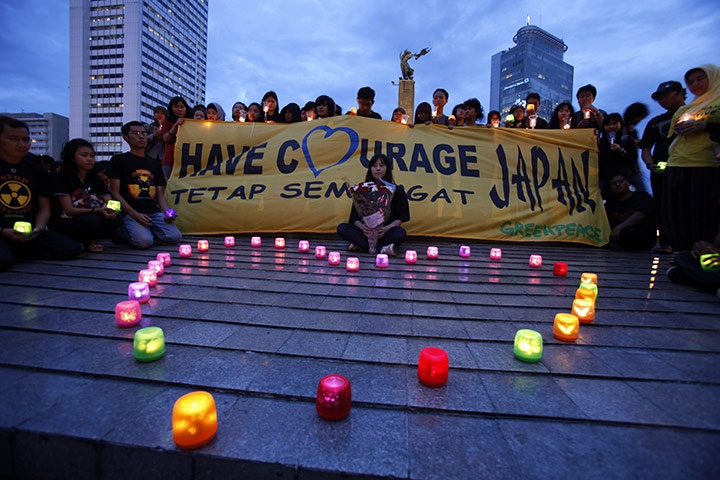
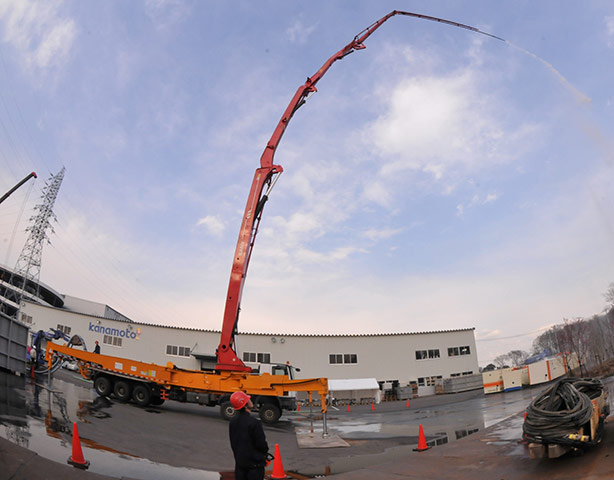
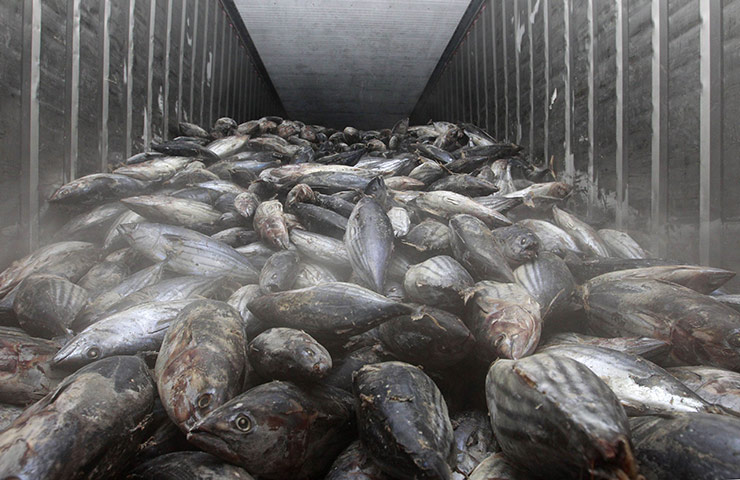
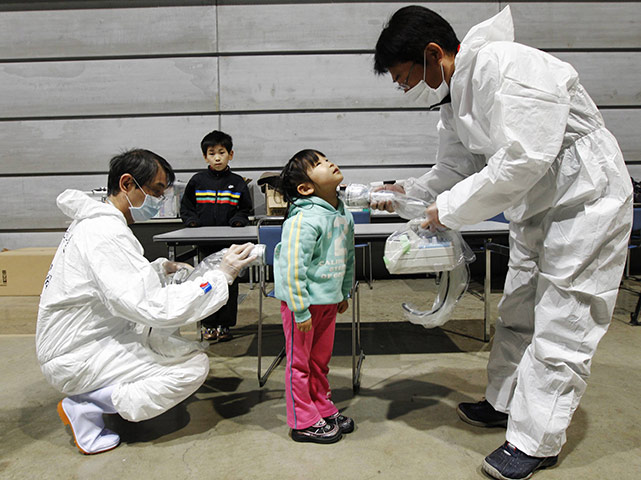
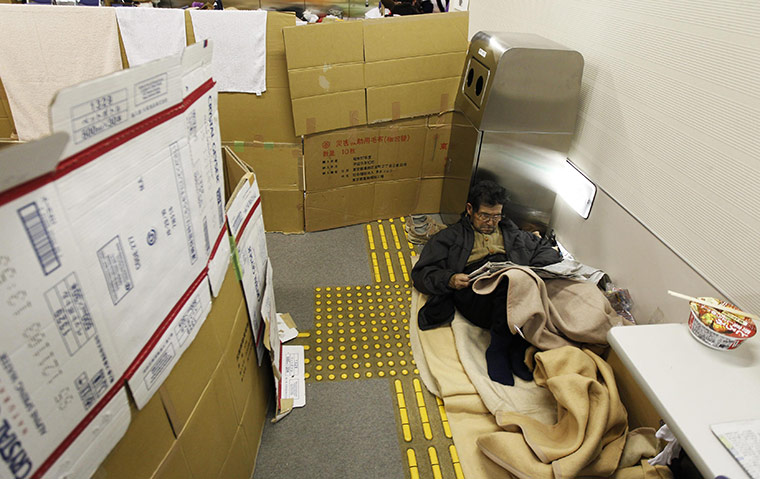
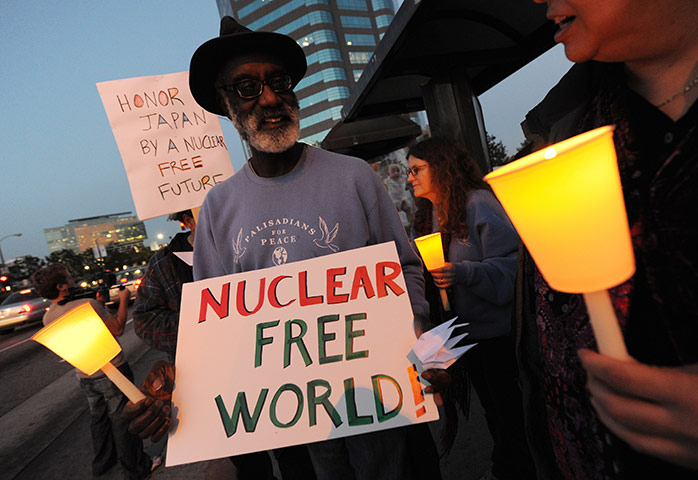
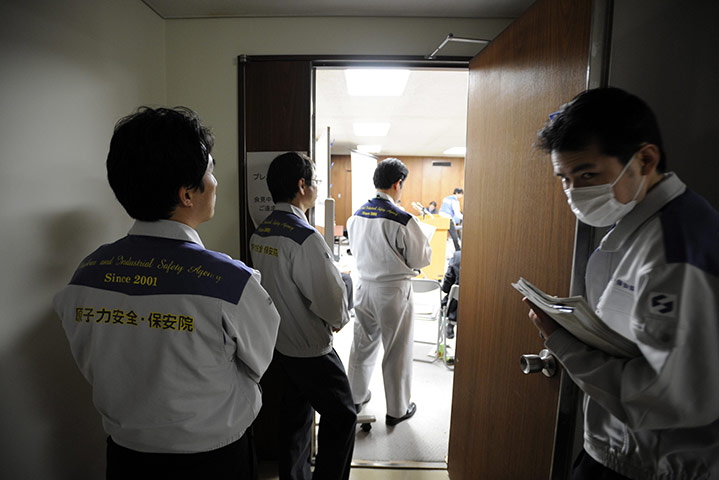
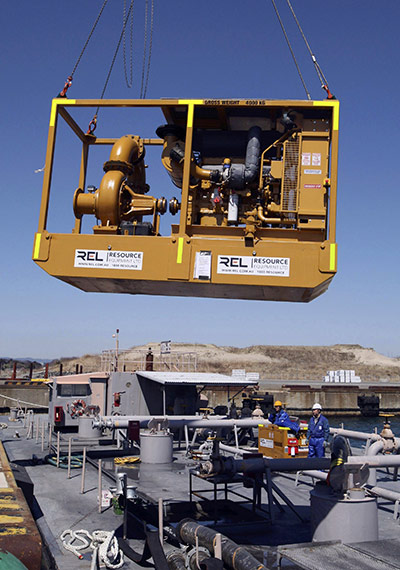
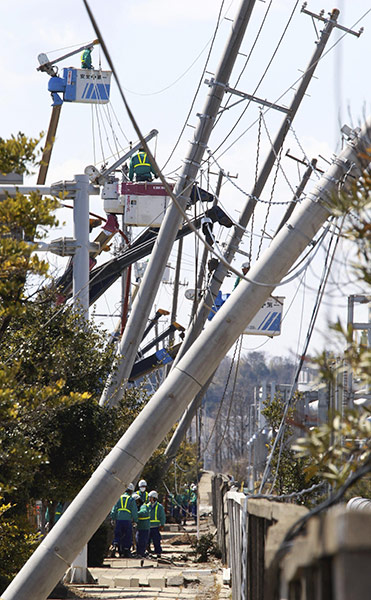
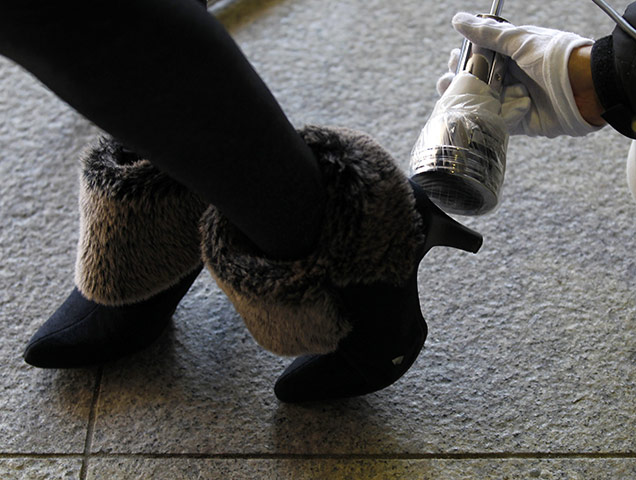
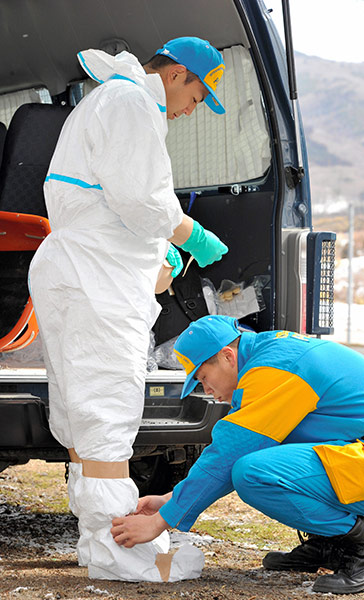
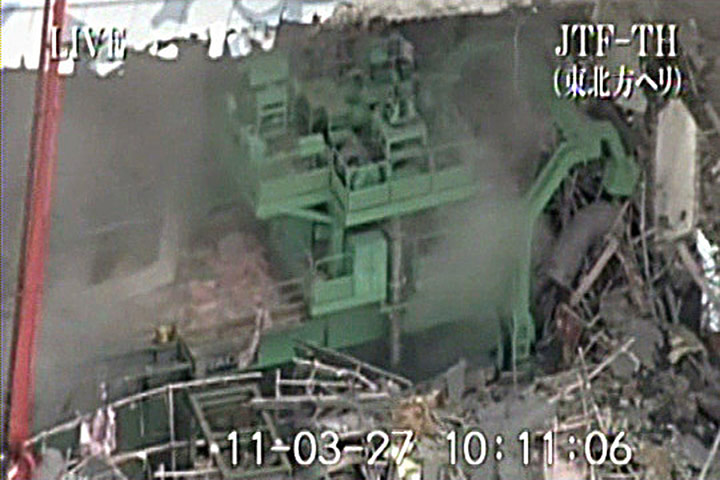
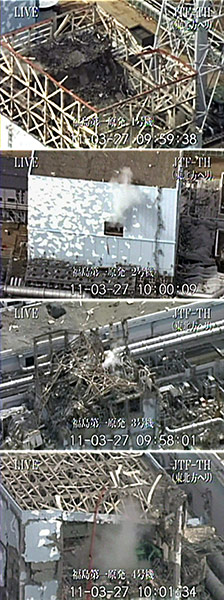
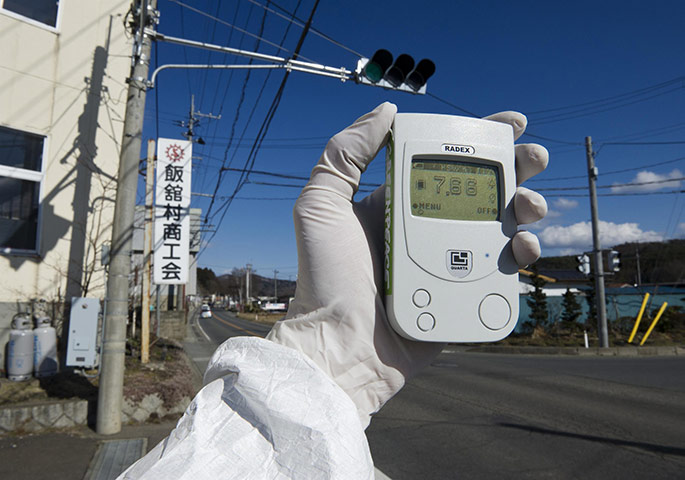
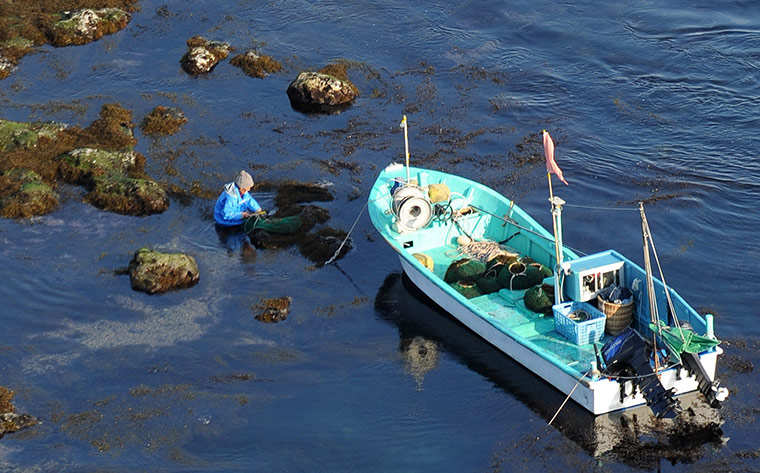
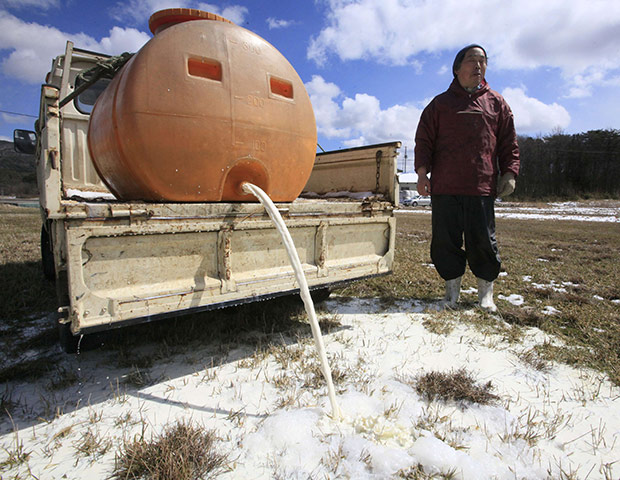
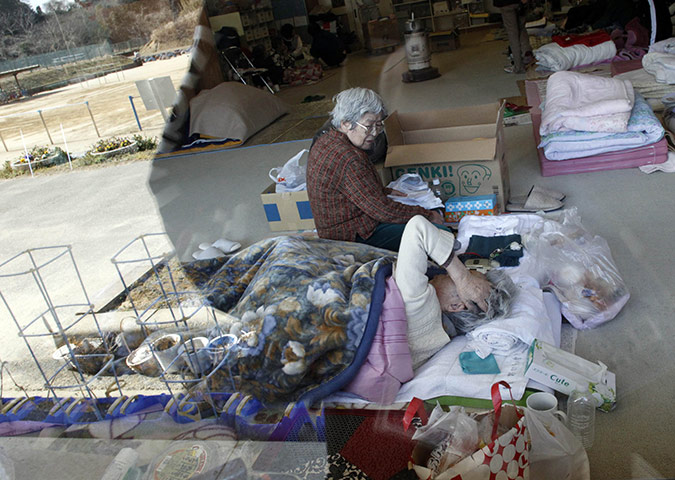
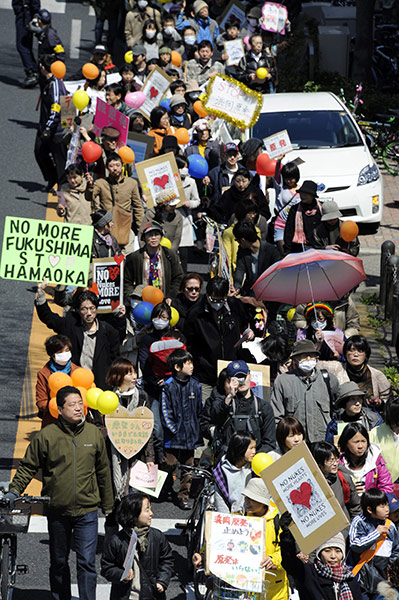
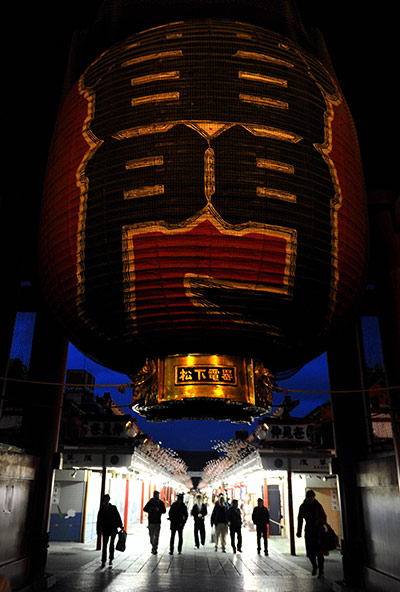
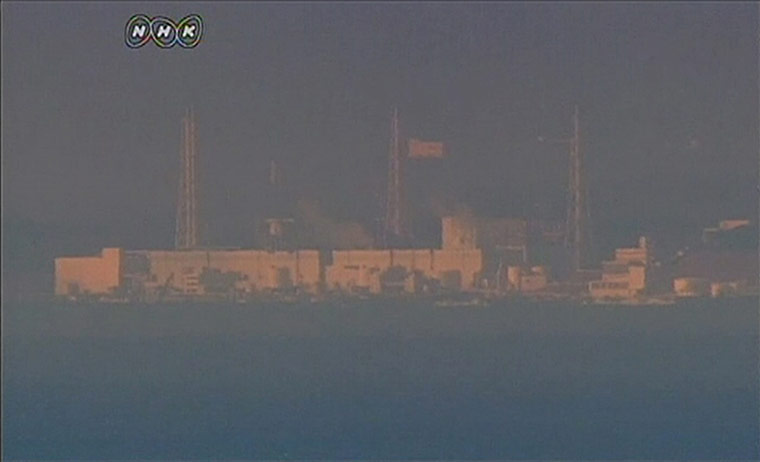
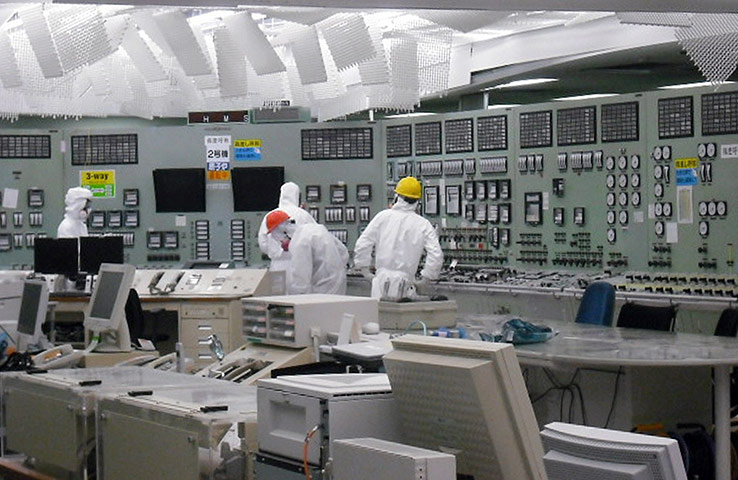
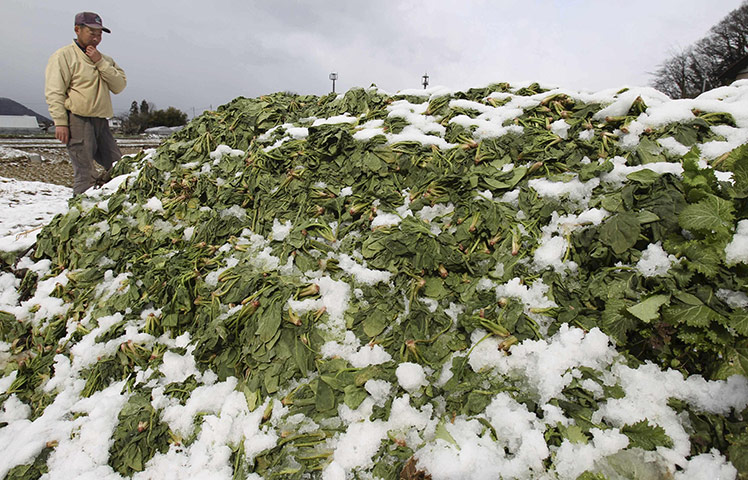
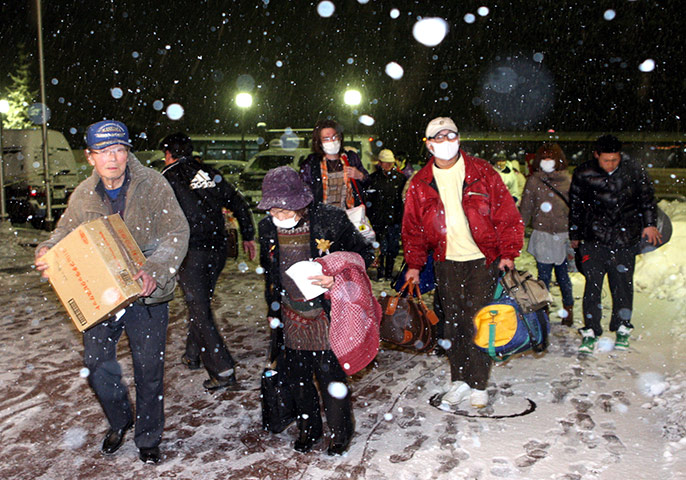
Emperor Akihito of Japan, top, talks to evacuees at a shelter in Tokyo accommodating people mainly from Fukushima prefecture Photograph: Issei Kato/ReutersA frogman is screened for leaked radiation after an undersea search at the port of Obama in north-eastern JapanPhotograph: Naoki Hakamada/APA map of US nuclear sites is shown as US Democratic Representative Ed Markey of Massachussetts holds a press conference outside Congress in Washington DC. After the recent disaster at Fukushima, he wants the Obama administration to implement a law passed in 2002 to distribute radiation emergency pills to people living within 20 miles of a nuclear reactorPhotograph: Saul Loeb/AFP/Getty ImagesGreenpeace activists stage a candlelight vigil in front of the Japan embassy in Jakarta, Indonesia, expressing solidarity with victims of the earthquake, tsunami and the unfolding nuclear disaster at Fukushima Photograph: Mast Irham/EPATuesday 29 MarchPhotograph: GuardianOfficials believe that new pools of radioactive water discovered leaking from the nuclear complex are behind the soaring levels of radiation spreading into soil and seawater around the plantPhotograph: APWorkers in Chiba-ken, Japan test a Chinese pump truck which shoots wet concrete before it is sent to FukushimaPhotograph: Keystone/ Rex FeaturesJapanese frozen fish at a storage facility at Ladkrabang customs in Bangkok. Thai authorities have asked importers and distributors to avoid or at least reduce imports of Japanese food products including meat, dairy products, seafood and seaweed. Japan has already stopped shipments of vegetables and milk from near the Fukushima nuclear plant Photograph: Sukree Sukplang/ReutersFive-year-old Ami Matsuya is tested for possible radiation exposure at an evacuation centre in Koriayama – about 70km (44 miles) from the tsunami-crippled nuclear reactor. Tepco said plutonium believed to have been discharged from nuclear fuel was detected in soil at five locations at the nuclear power plantPhotograph: Kim Kyung-hoon/ReutersAn evacuee reads a newspaper at the Koriayama evacuation centre in Fukushima prefecturePhotograph: Kim Kyung-hoon/ReutersDemonstrators hold a candlelight vigil to protest against nuclear power outside the federal building in Los Angeles. Traces of radioactivity from damaged nuclear power facilities in Japan have been detected in rainwater in the north-east of the United States but pose no health risks, officials say. Ohio reported elevated radiation levels in precipitation on Monday, after the Environmental Protection Agency monitors found similar instances in Massachusetts and PennsylvaniaPhotograph: Mark Ralston/AFP/Getty ImagesMonday 28 MarchPhotograph: GuardianWorkers at the Nuclear and Industrial Safety Agency listen as their deputy director general, Hidehiko Nishiyama, gives a daily report at the Tokyo headquartersPhotograph: Franck Robichon/EPAHidehiko Nishiyama, deputy director general of NISA, gives his report inside the briefing roomPhotograph: Franck Robichon/EPAA water pump is lifted by crane on to a US military boat to ship to Fukushima. Workers there are pumping out hundreds of tonnes of radioactive water from several buildings. The water must be removed and safely stored before work can continue on the plant's cooling systemPhotograph: Tsuyoshi Yoshioka/APTakashi Fujimoto, centre, executive vice-president of Tepco, Japan's main electricity supplier, addresses a news conference in Tokyo Photograph: Toru Hanai/ReutersPower and telephone lines damaged in the earthquake and tsunami are repaired in Iwaki, Fukushima prefecturePhotograph: Tsuyoshi Yoshioka/APA woman is tested for nuclear radiation at an evacuation centre in Fukushima Photograph: Kim Kyung-hoon/ReutersSunday 27 MarchPhotograph: GuardianJapanese police don protective suits before entering the restricted area around the damaged Fukushima nuclear reactorPhotograph: Asahi Shimbun/EPAReactor No 4 at Fukushima. Its operator said reports that a high radiation reading had sent workers fleeing from the No 2 reactor were falsePhotograph: Kyodo/ReutersThe condition of the four reactors (from top to bottom): No 1, No 2, No 3 and No 4Photograph: Kyodo/ReutersA member of Greenpeace monitors radioactivity levels at Iitate village, about 25 miles (40km) from Fukushima Photograph: Christian slund/ReutersA fisherman collects seaweed in the Pacific Ocean near Katsuura city, south of Fukushima. Levels of cesium 137 radiation pouring into the sea are causing concernPhotograph: Everett Kennedy Brown/EPAA dairy farmer pours milk on to his fields in Nihonmatsu, Fukushima prefecture, as radioactive materials beyond legal limits have been detected in raw milk Photograph: AFP/Getty ImagesElderly women rest on the floor of a classroom at Otsu elementary school, which is being used as an evacuation shelterPhotograph: Issei Kato/ReutersMore than 300 anti-nuclear protesters participate in a rally to demand the closing of Hamaoka nuclear power plant, in Nagoya, central Japan. The plant is built on the junction of tectonic plates and is considered to be at serious risk in any future earthquakePhotograph: Franck Robichon/EPAA large paper lantern is turned off to save power at Sensoji temple in TokyoPhotograph: The Asahi Shimbun/Getty ImagesSaturday 26 MarchPhotograph: GuardianSmoke rises from the nuclear reactors at Fukushima. Engineers worked hard to pump out puddles of radioactive water after it injured three workers and delayed efforts to cool reactors to safe levels Photograph: ReutersA picture from Tepco, Japan's main electricity supplier, shows the control room of the second reactor at Fukushima No.1 plant in Okuma Photograph: -/AFP/Getty ImagesA farmer surveys spinach which was thrown out after being harvested in FukushimaPhotograph: Jun Yasukawa/APEvacuees from Minamisoma arrive at Kusatsu. Their homes are within 19 miles (30km) of the Fukushima nuclear plant Photograph: The Asahi Shimbun/Getty Images
Sign up to read this article
Read news from 100’s of titles, curated specifically for you.