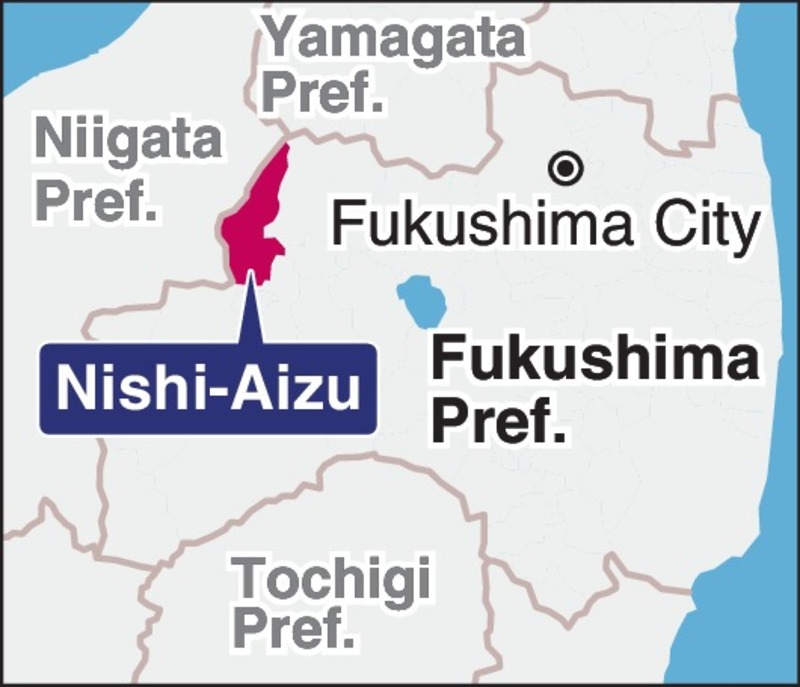
NISHI-AIZU, Fukushima -- The snowcapped Iide mountain range provides a picturesque backdrop to a cultural exchange facility that serves as a home to young artists hoping to tap into their innovative spirits while also revitalizing the local community of Nishi-Aizu, Fukushima Prefecture.
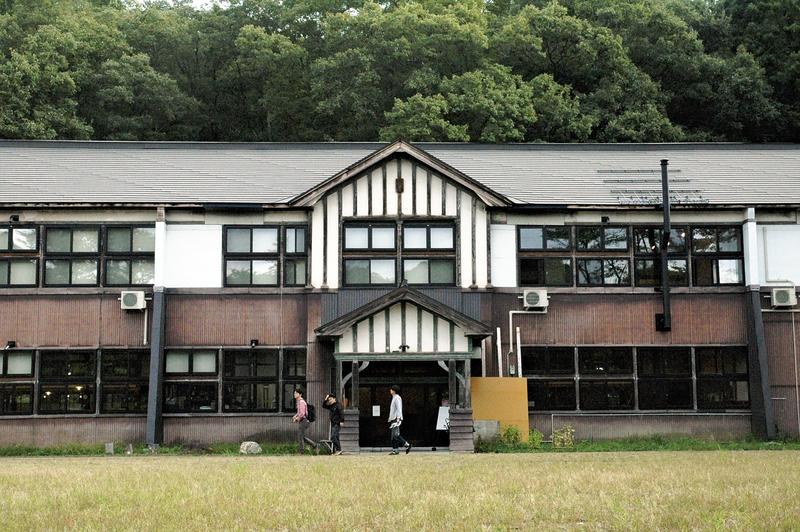
Nishiaizu International Art Village (NIAV) is housed in a quaint wooden building that used to be Shingo Junior High School, which closed in 2002. NIAV opened in 2004 as a home for creators. As the name suggests, the organization has an international flavor, and artists from Lithuania, Portugal and the United States have come to this town at the invitation of the art group. Each artist is provided with a living area and studio, and there are shared spaces to encourage interaction among them and the local community.
Yoshihiro Yabe is a native of Nishi-Aizu and the director of NIAV. Before joining the organization, Yabe studied landscape design at a Canadian university and worked overseas as an urban planner. Yabe returned to his hometown after the Great East Japan Earthquake of 2011.
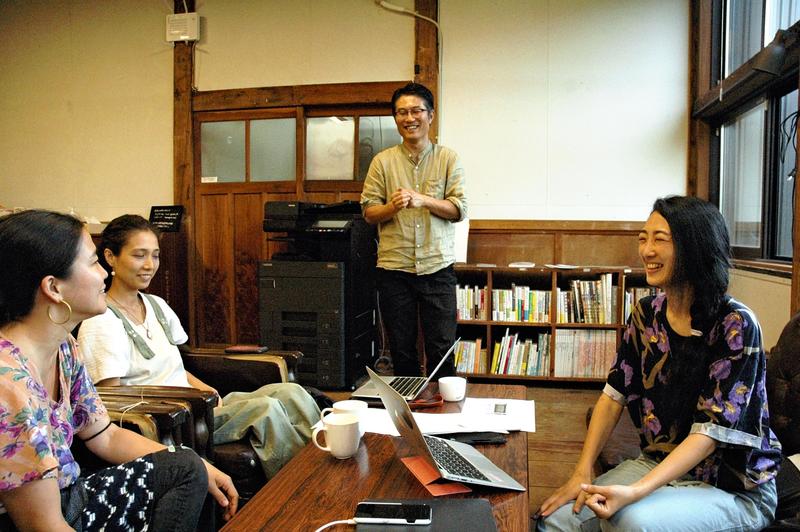
NIAV was founded as a creative space for artists, but in 2013 Yabe expanded the group's activities. He believed NIAV could play a variety of roles in the Nishi-Aizu community and started organizing events featuring local food and cultural aspects as well as workshops that were open to the general public. These programs encouraged people to visit Nishi-Aizu, and some were so enchanted with the town and its natural surroundings that they moved there.
One such person is Tetsuya Takizawa, an artist and washi paper craftsman who relocated from Saitama Prefecture. Takizawa was drawn to the community's vibe, and about five years ago started visiting Nishi-Aizu several times a month. While engaging in artistic activities with the residents, Takizawa decided he wanted to help preserve the local traditional culture. He moved to the town in 2018 as a member of a regional revitalization support corps, part of a nationwide government project.
Ever since, Takizawa has devoted himself to preserving and passing on the technique to make Izugahara handmade paper, which was used for official documents in the Aizu domain during the Edo period (1603-1868). The kozo mulberry trees growing in the mountains are the main raw material for the paper.
With support from the town government, NIAV in 2015 set up a center to help people settle in Nishi-Aizu.
Kaori Yamaguchi, who is also a member of the regional revitalization support corps, provides consultations and help for people looking for jobs as well as housing, making use of vacant homes in the town. Yamaguchi herself relocated to the town from Nagoya.
Due to the aging and shrinking population, an increasing number of houses in the town are unoccupied. "Actually, for people who have moved here, a job is more important than a house," Yamaguchi said. "Once people come to like Nishi-Aizu and decide to move here, they look for a job unique to this area and one that enriches their lives. I want to support these people."
The center has provided 310 consultations since it opened five years ago, and the town has seen 49 new residents move in. Due to the novel coronavirus pandemic, this year more people have become interested in living in rural areas, and the center has received more consultations than usual.
Yabe believes art and community revitalization go hand in hand.
"When artists with diverse ideas come together, new jobs are created in the community," Yabe said. "Meeting and interacting with artists who love the local history and culture of an area can stimulate the local townspeople, too."
Yabe calls the number of those continuously connected with the community a "related population," and believes the increase in the related population will eventually bring about unexpected synergies, revitalizing both the people and the towns where they reside.
Out of thin air
NIAV is an example of a movement called Artists in Residence (AIR), in which artists reside in a certain area for a period of time to focus on their work. The number of AIR facilities increased from the 1990s to the early 2000s. According to the Kyoto Art Center, which lists various AIR programs on its website, there are more than 100 organizations running these programs and most of them are local governments.
The town of Kamiyama in Tokushima Prefecture and the city of Sagamihara in Kanagawa Prefecture are running successful AIR programs. Young artists have relocated to those areas and helped revitalize local communities.
Many AIR programs utilize closed schools and old houses as accommodations for artists, who are immersed in nature and the rich traditional culture of an area. The goal is to provide fertile ground for inspiration and invigorate local communities through interactions between local residents and their visitors.
Read more from The Japan News at https://japannews.yomiuri.co.jp/