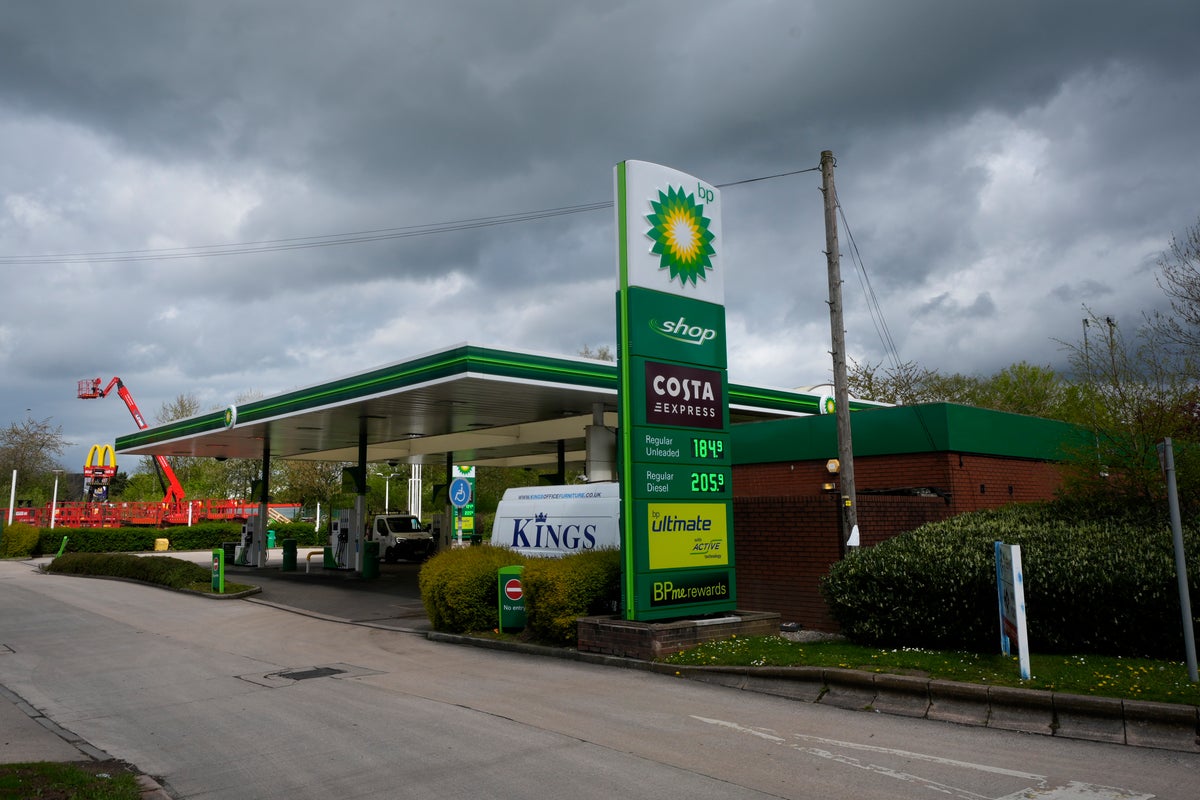
Fuel thefts have surged by 62 per cent over the past year, a direct consequence of escalating pump prices driven by the ongoing conflict in the Middle East.
New figures from fuel theft recovery firm Pay My Fuel, seen by the BBC, reveal a significant rise in "drive-offs" – instances where motorists refuel and leave without paying. The average weekly rate of such incidents per forecourt jumped from 2.1 in March 2025 to 3.4 in the same month this year. The company, which services 1,400 forecourts, also noted a 46 per cent increase in the average value of fuel stolen per incident during this period.
This surge coincides with a sharp rise in fuel costs since the Middle East conflict began on 28 February. Filling a typical 55-litre family car now costs an additional £14 for petrol and a substantial £27 for diesel.
The financial toll on businesses is considerable, with one forecourt owner reporting weekly losses of £2,000 across their five sites due to these thefts, also known as bilking.
Ian Wolfenden, director of Pay My Fuel, told the BBC that drive-offs have become “a lot worse”.
He said: “An average drive-off for one of our customers used to be £56, and now it’s gone up to £67.
“So if you consider they’re losing nearly £70 every two days, it’s not insignificant.”
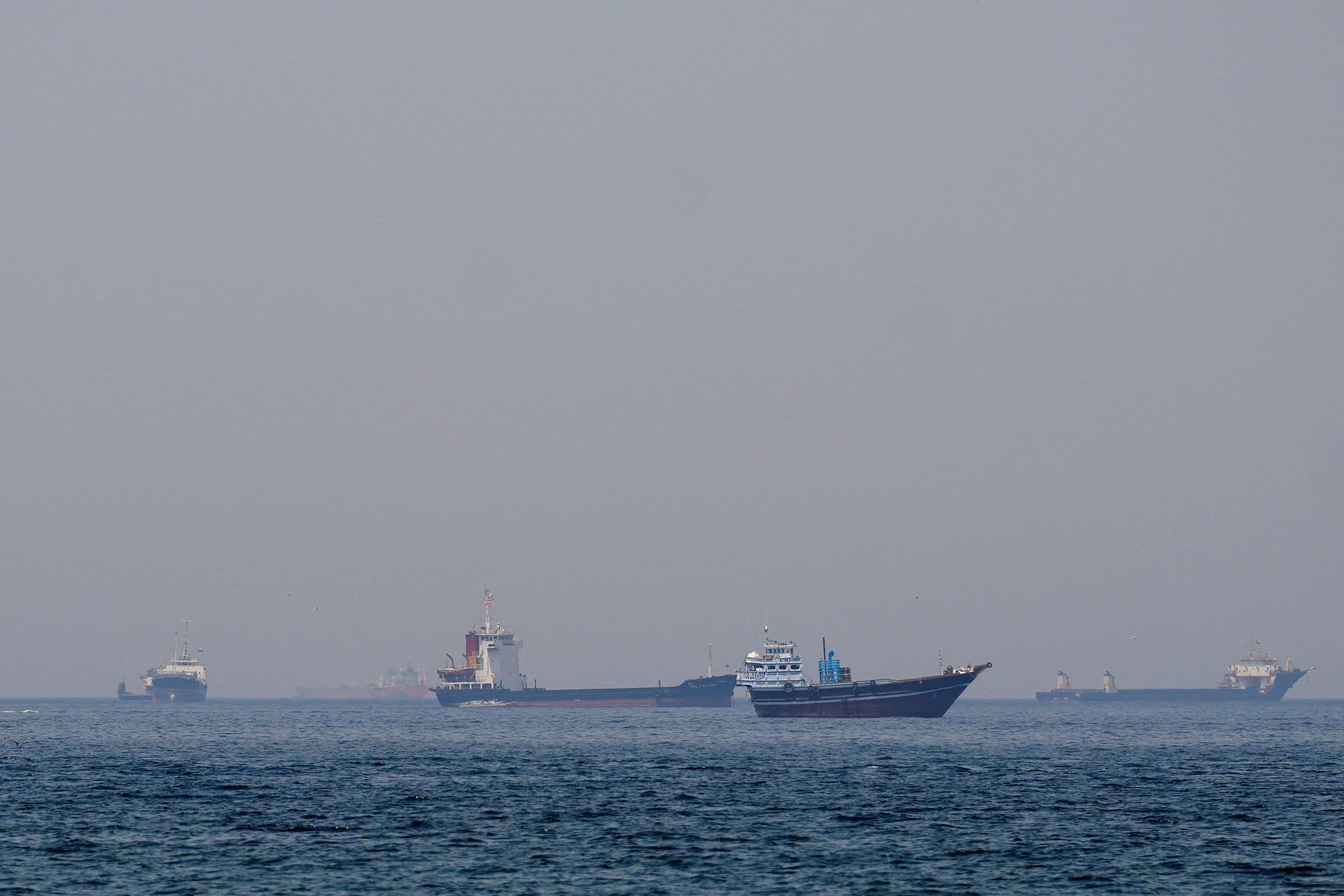
Oil prices surged after the Islamic Revolutionary Guard Corps (IRGC) took control of the Strait of Hormuz, a key waterway for oil tankers. Prices for Brent crude, considered to be the global benchmark for oil as a commodity, peaked at $119 (£88) per barrel in March as global tensions heightened.
The cost of crude had tumbled on Friday after Iran had declared the shipping route open, but as the market opened on Monday, prices were around $95 (£70) while US president Donald Trump navigates negotiations with Iranian leadership to end the war once and for all.
Tensions flared overnight after the US Navy fired on and seized an Iranian-flagged cargo vessel in the Gulf of Oman after it ignored orders to stop while passing through Hormuz.
Mr Trump said a US negotiating team would be in Islamabad from Monday evening, but if Tehran did not reach an accord, his military would “knock out every single power plant and every single bridge in Iran”, warning there would be “no more Mr Nice Guy”.
Reports on Iranian state media suggested Tehran would not take part in talks.