More fuel will flow into Australia after a new deal with suppliers, but drivers may still have to wait months for price relief at the bowser.
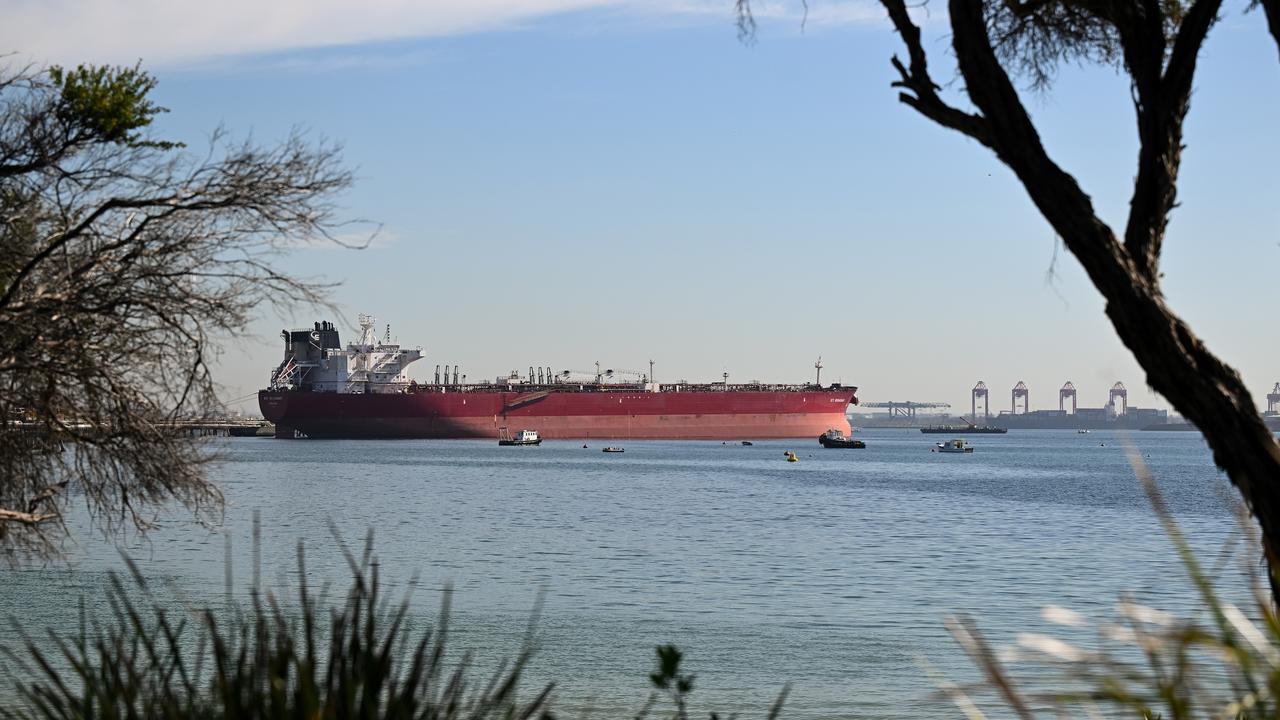
The federal government's export agency has struck an agreement with Australia's two refineries, allowing more fuel to be imported into the Viva Energy facility in Geelong and the Ampol site in Brisbane.
Prime Minister Anthony Albanese said it would mean areas which had a shortage of petrol and diesel would be able to be prioritised.

"This is not business as usual," he told reporters in Brisbane on Thursday.
"As part of this agreement, of course, the government can direct where that supply goes ... going to regional Australia and areas that are under pressure in terms of supply."
The agreement follows laws rushed through federal parliament allowing the government to underwrite the cost of fuel imports.
"We want to protect taxpayers interest. We want to minimise taxpayers' exposure," Mr Albanese said.
"But our first priority, to be very clear, is supply. There is supply available on the spot market, we know that that's the case. This will enable Ampol and Viva to participate in that market."
Energy Minister Chris Bowen said the deal would provide surety for fuel companies as it deals with volatility caused by the Middle East conflict.
"With the oil price moving around, a lot of speculation about what will happen in the Middle East, these purchases become riskier for companies," he said.
"This arrangement will enable the companies to take a purchase that would have been non-commercial and to go out, and buy that fuel for Australians that otherwise would go to other countries.
"That is very much in our national interest."
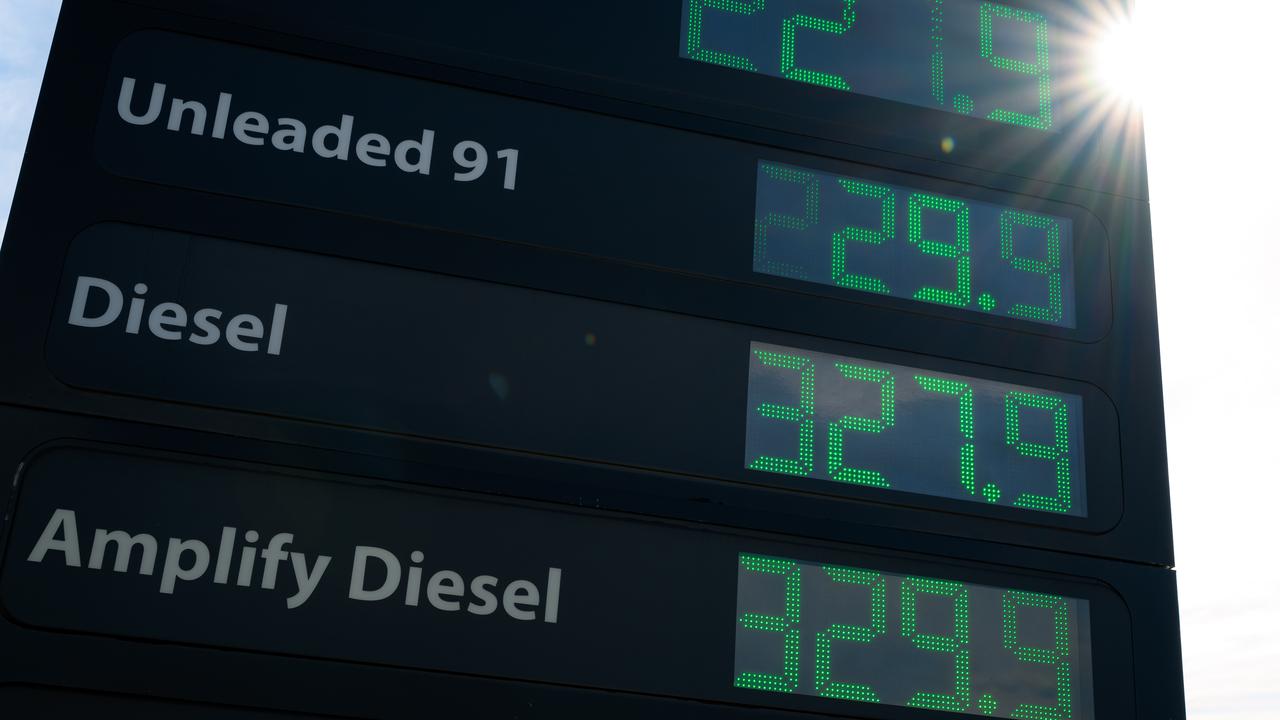
As of Thursday, 216 service stations nationwide have no diesel while 86 have no unleaded petrol.
In NSW, roughly one per cent of the state's 2400 service stations have no fuel at all.
While there was hope the Strait of Hormuz, where one-fifth of the world's oil supply passes through, could reopen for a brief period following a tentative ceasefire, Iran says the passage was closed after fresh Israeli strikes on Lebanon.
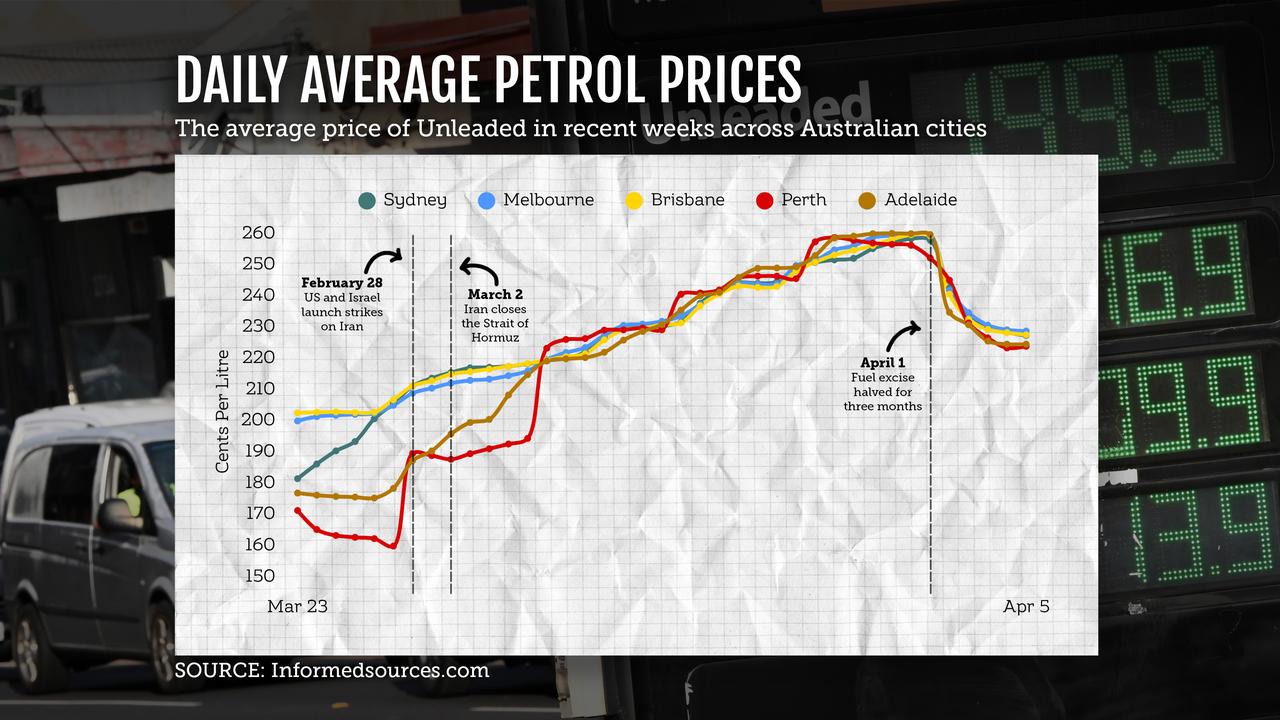
Even if the strait is reopened in coming days, drivers could still wait months for fuel prices to return to pre-war levels.
Experts and industry insiders told AAP Australian petrol and diesel prices were unlikely to respond straight away if a ceasefire held.
Australian Institute of Petroleum chief executive Malcolm Roberts, who represents major petrol companies including Ampol, BP, Mobil and Viva Energy, said a ceasefire would take some time to flow through supply chains.
"We would caution people from expecting this will have immediate effects on supply or prices in our region," he said.
If a ceasefire held, petrol and diesel prices would likely begin dropping over coming months as fuel companies sold out of their more expensive fuel, Australian National University supply chain lecturer David Leaney said.
"While that expensive oil is making its way around the world and being refined into fuel with a higher cost, that cost (of petrol and diesel) stays high for a couple of months," he said.
It comes as Opposition Leader Angus Taylor urged for the federal government to set up a public dashboard of how much fuel was in the nation's reserves and which service stations had no supply.
"Australians need to be able to judge what the situation is, and we need to know where there's gaps," he told Melbourne radio station 3AW.
"You can do these things for a really relatively modest amount."