Increasing the amount of ethanol in petrol is on the cards to help ease critical fuel shortages in some parts of Australia.
Energy Minister Chris Bowen confirmed he was considering the move, which would help reduce pressure on fuel supply chains by stretching reserves.
"Obviously there's suggestions around ethanol, which we're looking at, but I'm not in a position to announce them," he told reporters in Canberra on Wednesday.
"Could it play some potential role? Many things could."
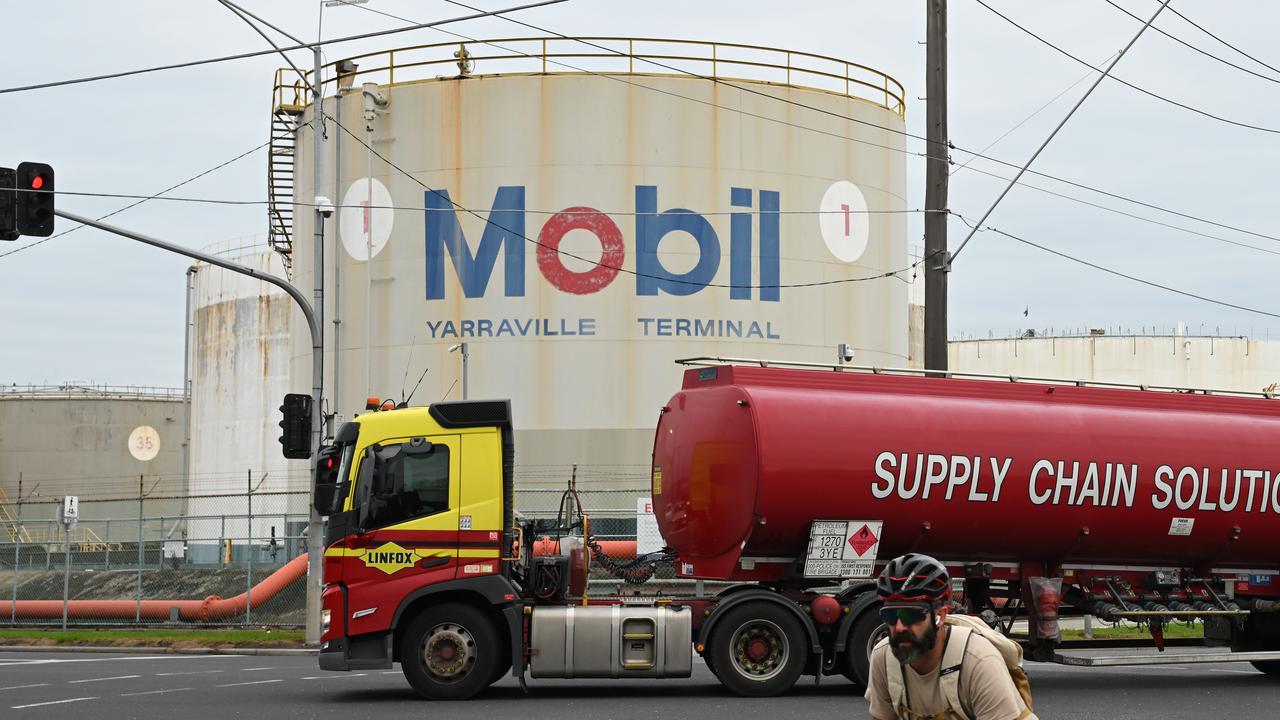
E10 fuel - which is regular unleaded petrol with about 10 per cent ethanol added - is sold at service stations around the nation.
Motorists in some other nations use E15 or E25, which contain higher proportions of ethanol.
Commonwealth, state and territory leaders will meet next week for another national cabinet meeting on the shortages, where they will be briefed by Australia's new fuel chief.
Six oil tankers had their voyages either cancelled or delayed because of the Middle East war, Mr Bowen announced on Sunday.
In parliament on Wednesday, he confirmed all six had been replaced, with an additional three vessels on the way.
Mr Bowen has ruled out a plan to limit the amount drivers can spend at the bowser as a way of rationing fuel.
In a 2019 policy document outlining potential responses to a fuel crisis, officials proposed only allowing drivers to take $40 of fuel from the petrol pump when they fill up.
The playbook was obtained by former independent senator Rex Patrick under freedom of information laws.
"No, that is not a measure that I would be contemplating," Mr Bowen said, adding the policy document was outdated.
The manual outlines a number of other measures the government could take, including directing fuel to be delivered to areas of shortage or essential users, ordering petrol companies to maintain minimum stocks, transferring fuel between states and territories and directing refineries to produce quantities of petrol or diesel.
"The government is already using a number of approaches suggested in the manual," Mr Patrick told AAP.
"I don't think they are necessarily prescriptive ... for example the $40 purchase cap may well be adjusted to some other number."
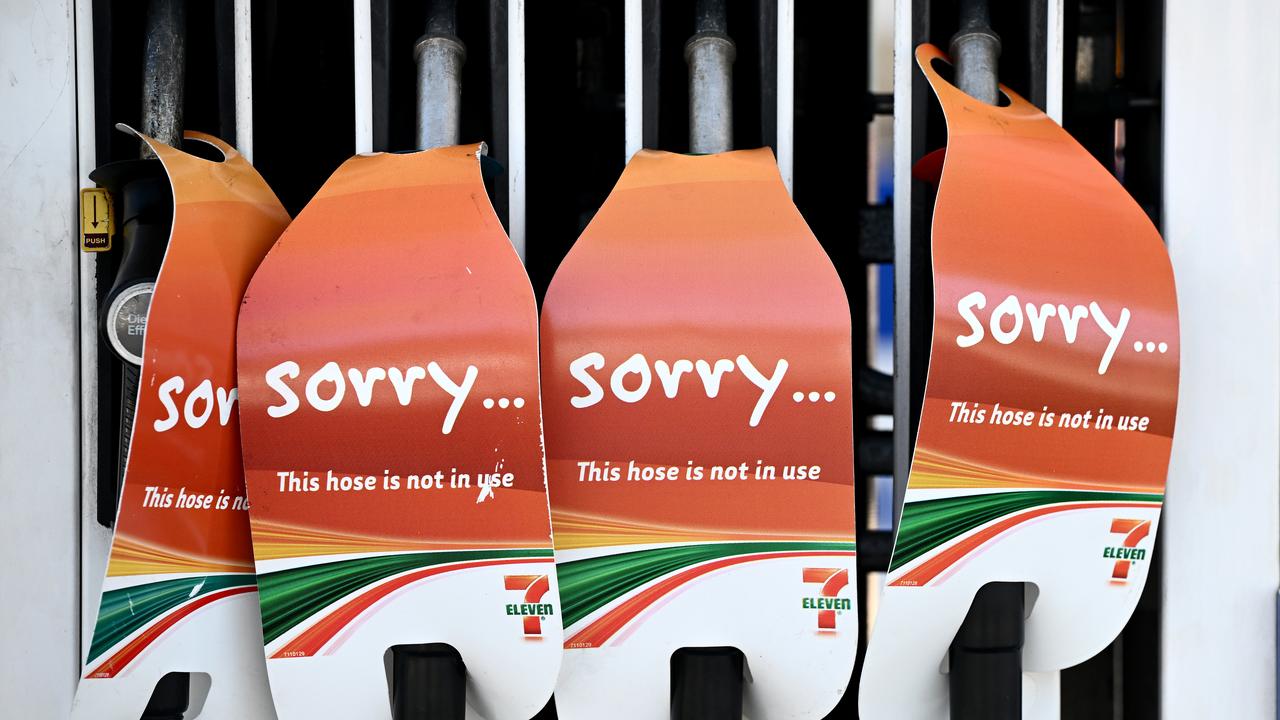
A total of 474 service stations around Australia were without at least one grade of fuel as of Wednesday afternoon, Mr Bowen said.
Tougher legislation has been introduced into parliament, doubling maximum fines for false and misleading conduct or cartel behaviour from $50 million to $100 million.
While the bill applies across all areas of business, the government says it will help consumers get a fair go as petrol and diesel prices skyrocket on the back of the war in the Middle East.
The changes would help tackle price gouging at its source by cracking down on unfair cost increases, illegal contract terms and anti-competitive behaviour, Treasurer Jim Chalmers said.
"Our message to petrol retailers has been very clear: you are on notice,'' he said.
"Do not use this conflict to take advantage of Australians."
Labor will need the backing of the Greens or the coalition to get the legislation through parliament.
Opposition energy spokesman Dan Tehan said he understood how important the reform was but it needed to go through internal party processes.
One Nation leader Pauline Hanson called on the government to intervene to control petrol and diesel prices, and direct fuel to regional areas.
Soaring oil prices are throwing travel plans into disarray, with Jetstar confirming it has cut back on flights due to rising jet fuel prices and other costs.
One in 10 of the budget carrier's May services had been impacted, including domestic New Zealand services and flights between Auckland and Sydney and Brisbane, a spokeswoman said.
Most affected passengers have been offered seats on same-day Jetstar flights.