Despite President Donald Trump's repeated Twitter blasts against Amazon.com's growing power, federal antitrust regulators Wednesday approved the e-commerce giant's biggest acquisition ever_ the $13.7 billion takeover of Whole Foods Market.
It's not a wholly unexpected outcome. Whole Foods has just a tiny percentage of America's $700 billion grocery market, and Amazon's presence in it is even smaller.
But many wary of Amazon's expanding role in the U.S. economy, from elected officials to labor unions, had urged the Federal Trade Commission _ the agency in charge of safeguarding fair competition in U.S. markets _ to take a close look.
The FTC's decision to allow the deal will give Amazon, an online retail revolutionary that's beginning to branch into physical retail, a sizable brick and mortar presence. It also shows that the company's rapid growth is still far from triggering serious antitrust concerns, which, under the current interpretation of U.S. law, focus on proving that acquisitions must somehow harm consumers.
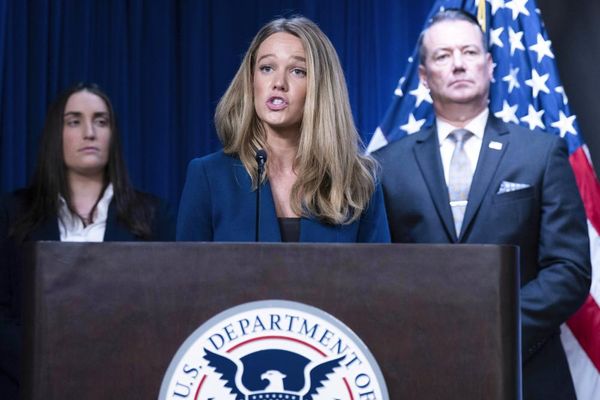
"Based on our investigation we have decided not to pursue this matter further," Bruce Hoffman, acting director of the FTC's Bureau of Competition, said in a statement. "Of course, the FTC has the ability to investigate anticompetitive conduct should such action be warranted."
Earlier Wednesday, Whole Foods shareholders, meeting at the company's headquarters in Austin, Texas, voted to approve the deal.
Amazon has said it expects the purchase to close by the end of the year.