The Financial Services Agency intends to require banks to strictly verify users' identification following a series of cases in which money was fraudulently withdrawn from bank accounts through cashless payment systems, The Yomiuri Shimbun has learned.
The FSA plans to review supervisory guidelines for banks as early as the end of this fiscal year, according to sources. The fraudulent withdrawals were partly due to lax identification checks by banks. The agency aims to prevent similar cases by ensuring banks take thorough safety measures.
As a specific measure, the FSA plans to oblige banks to introduce a stricter system that involves multiple procedures to confirm user identity, such as the use of a temporary password and fingerprint, when users make transfers between banks and e-money service providers, according to the sources.
In scam cases involving NTT Docomo Inc.'s e-money service, thieves are believed to have improperly obtained user information, such as names, account numbers and personal identification numbers, and then registered for the service using the information and linked the service to their bank accounts to withdraw money.
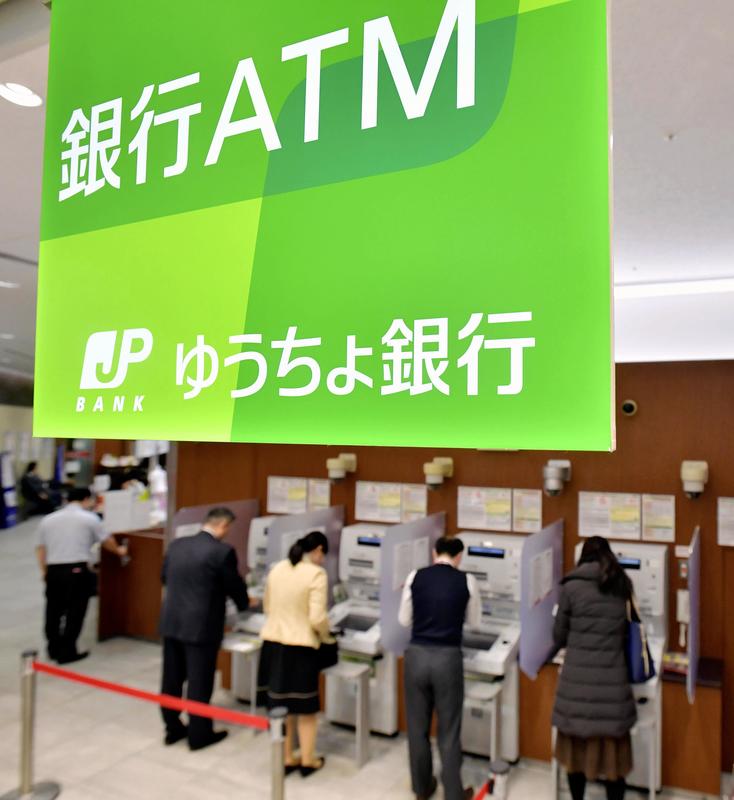
Users of banks that became major targets of the unauthorized withdrawals could link their bank accounts to payment services simply by registering such information as account numbers and passwords. Such simple procedures meant the fraud could continue to be perpetrated. About 60 million yen was fraudulently withdrawn from Japan Post Bank accounts through payment services including NTT Docomo's, according to reports from the bank's users. Some regional banks were also hit by such unauthorized withdrawals.
On the other hand, major banks that issue temporary passwords for linking accounts have had few fraud cases. This indicates the banks' identity verification methods have made a difference.
The current supervisory guidelines do not strictly require banks to introduce a system involving more than one step of identity verification when users link their bank accounts to payment services.
Read more from The Japan News at https://japannews.yomiuri.co.jp/