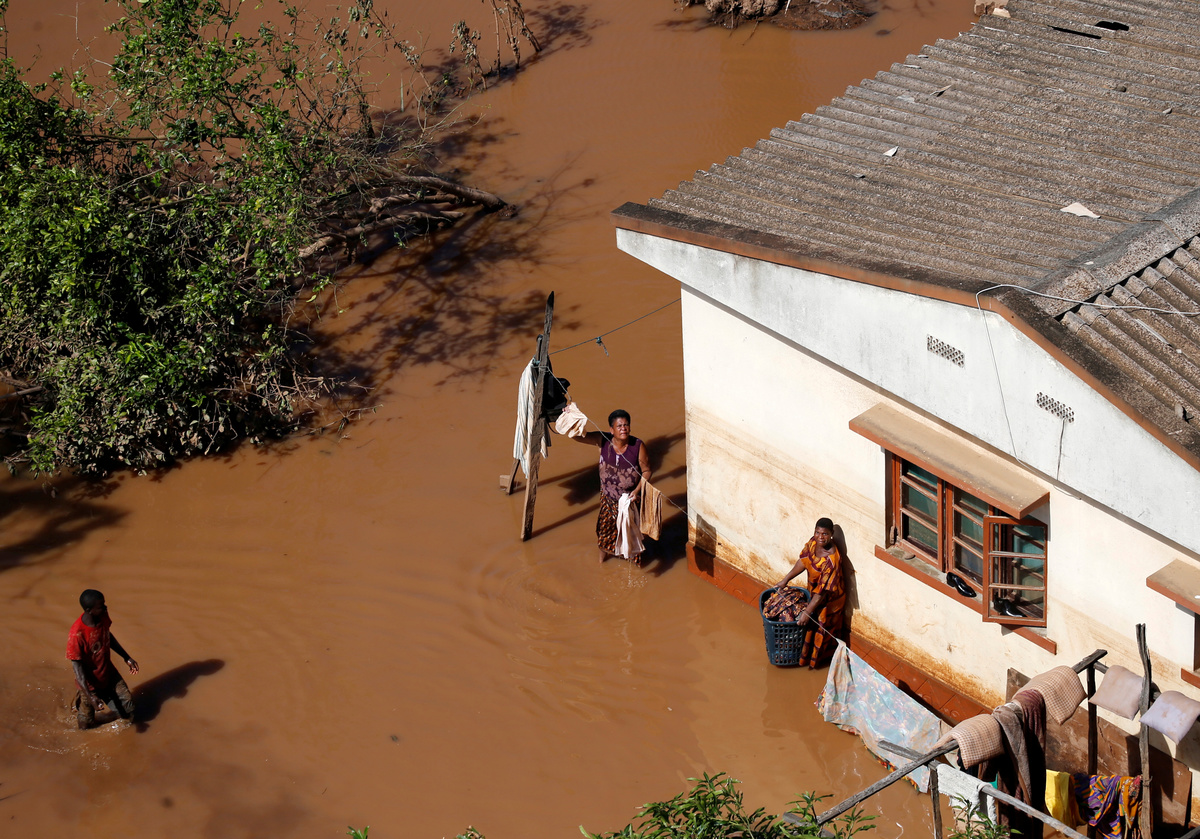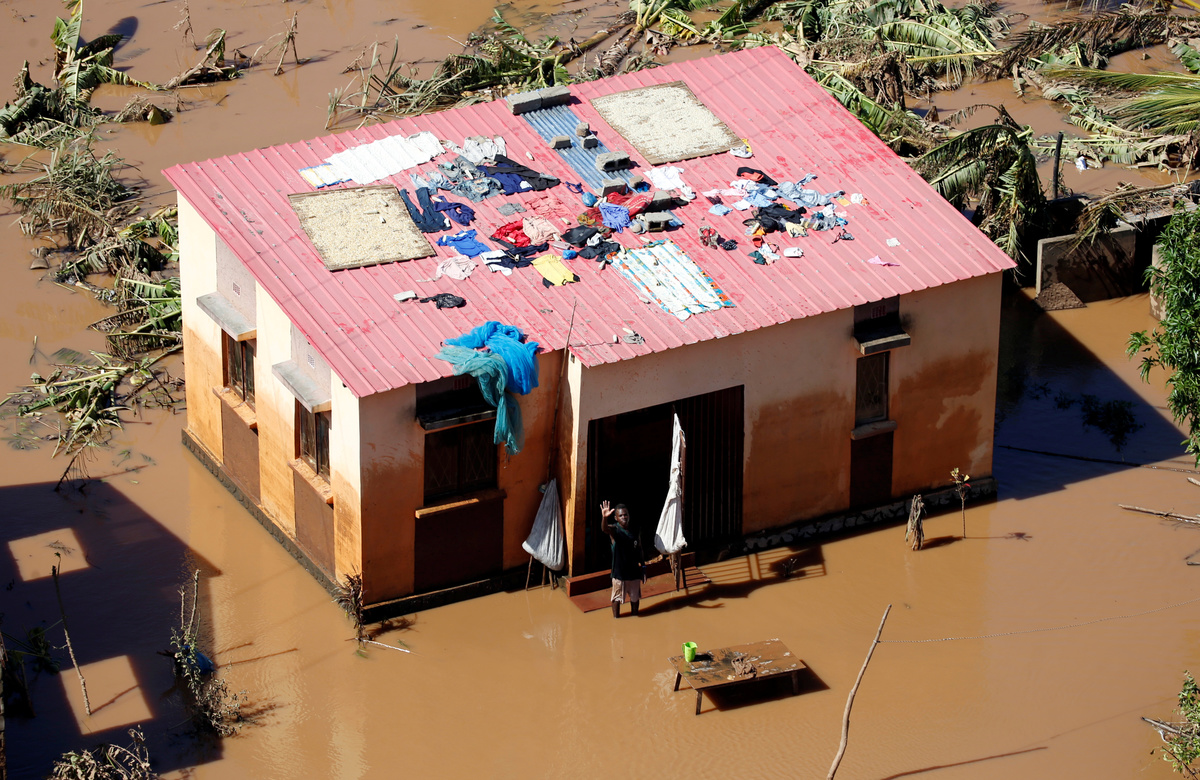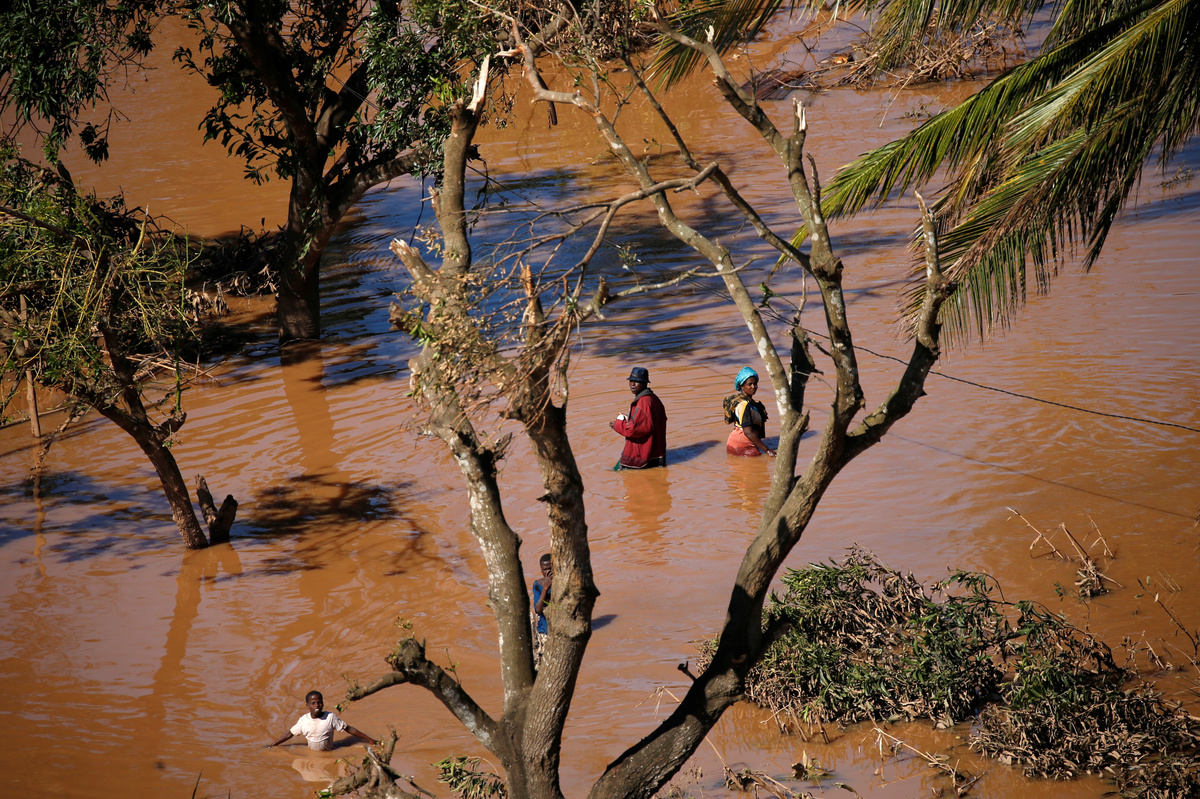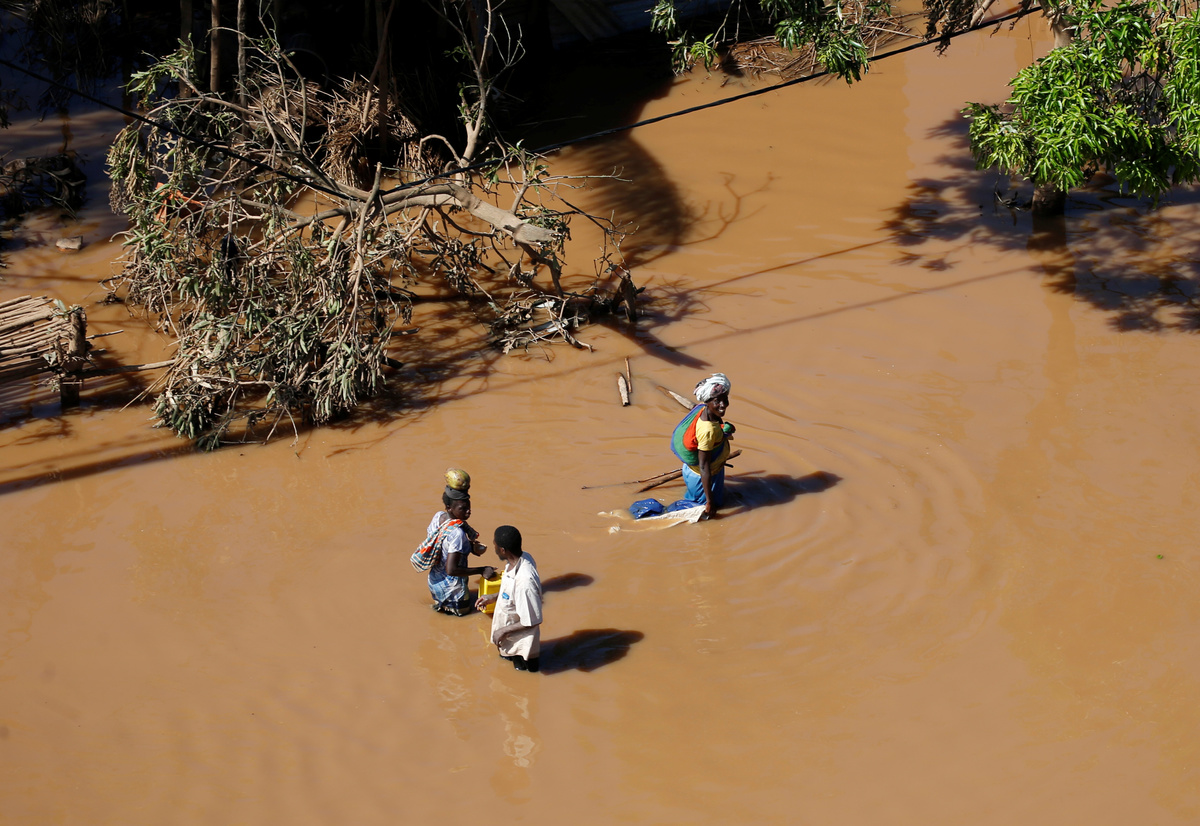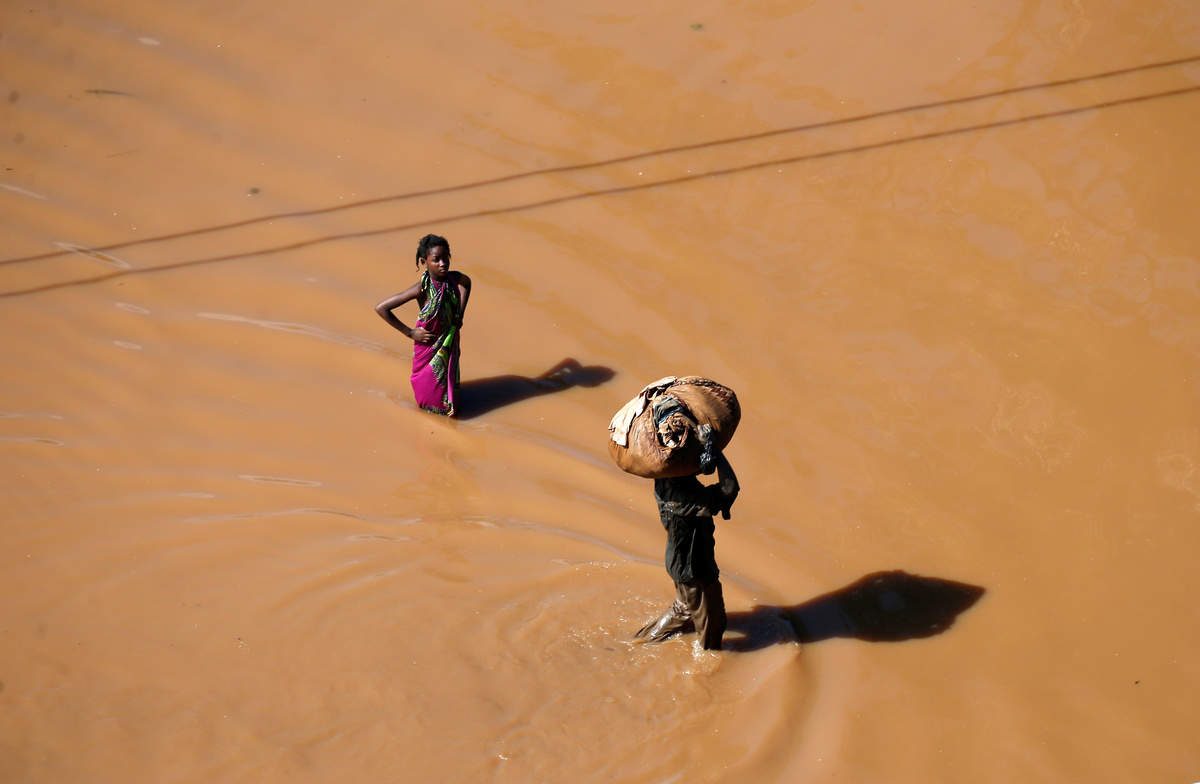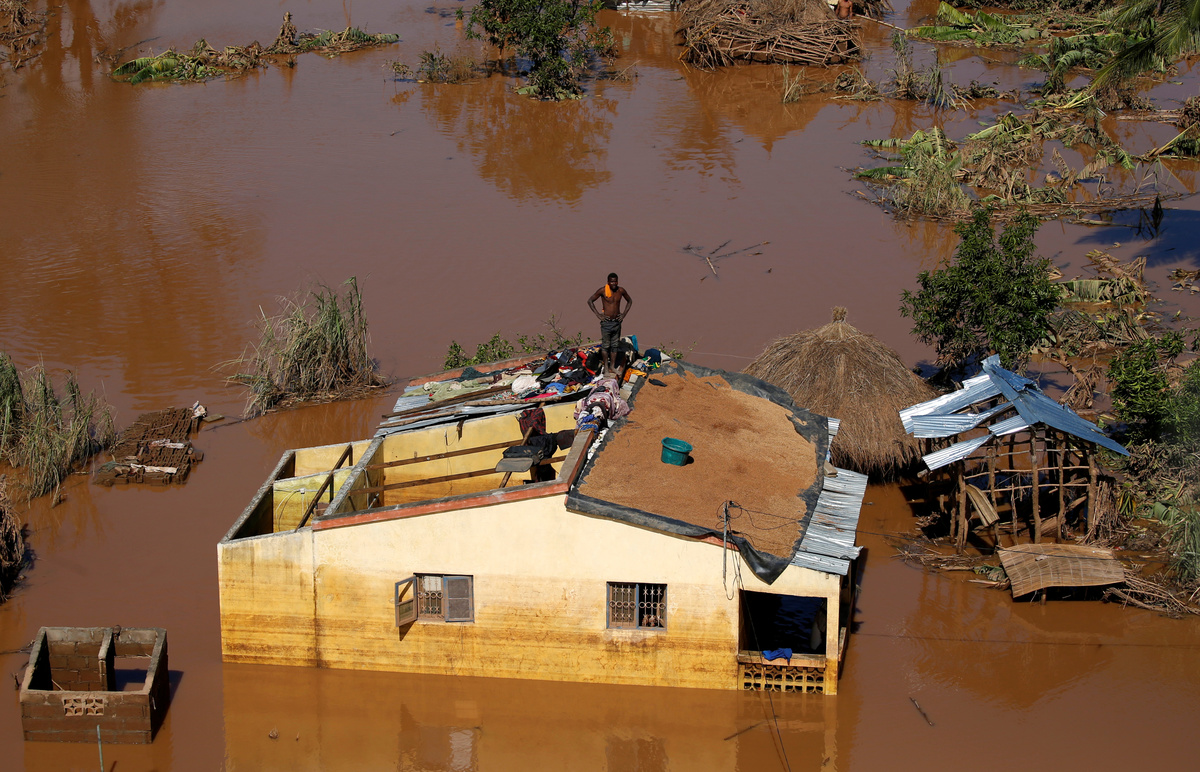
BEIRA, Mozambique (Reuters) - Cholera cases were reported on Friday in the Mozambican city of Beira, adding a risk of deadly illnesses for hundreds of thousands of people who are scrambling for shelter, food and water after catastrophic flooding in southern Africa.
"There is growing concern among aid groups on the ground of potential disease outbreaks," the International Federation of the Red Cross and Red Crescent Societies (IFRC) said.
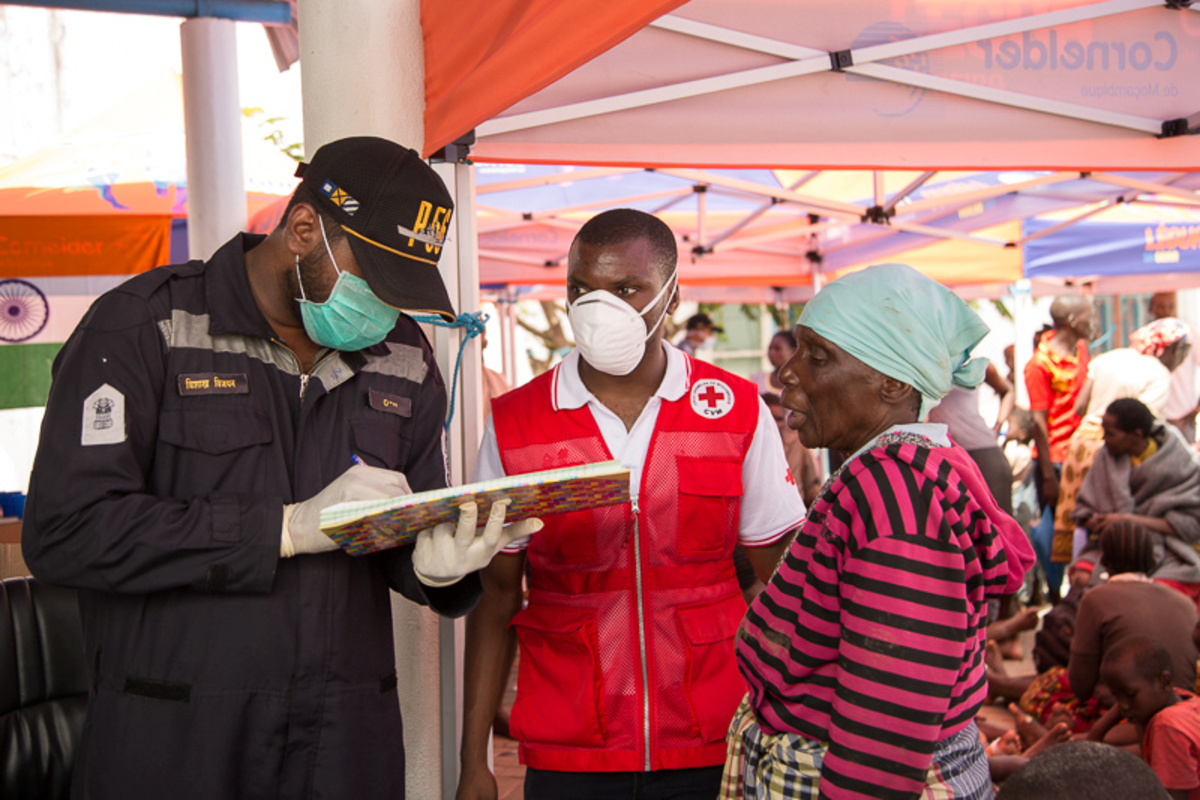
"Already, some cholera cases have been reported in Beira along with an increasing number of malaria infections among people trapped by the flooding," it said in a statement.
Cyclone Idai battered Beira, a port city of 500,000 people, with strong winds and torrential rains last week, before moving inland to neighboring Zimbabwe, where it flattened homes and flooded communities, and Malawi.
The storm killed 242 people in Mozambique and 259 in Zimbabwe, and numbers were expected to rise, relief agencies said. In Malawi, 56 people died in heavy rains before the onset of Idai.
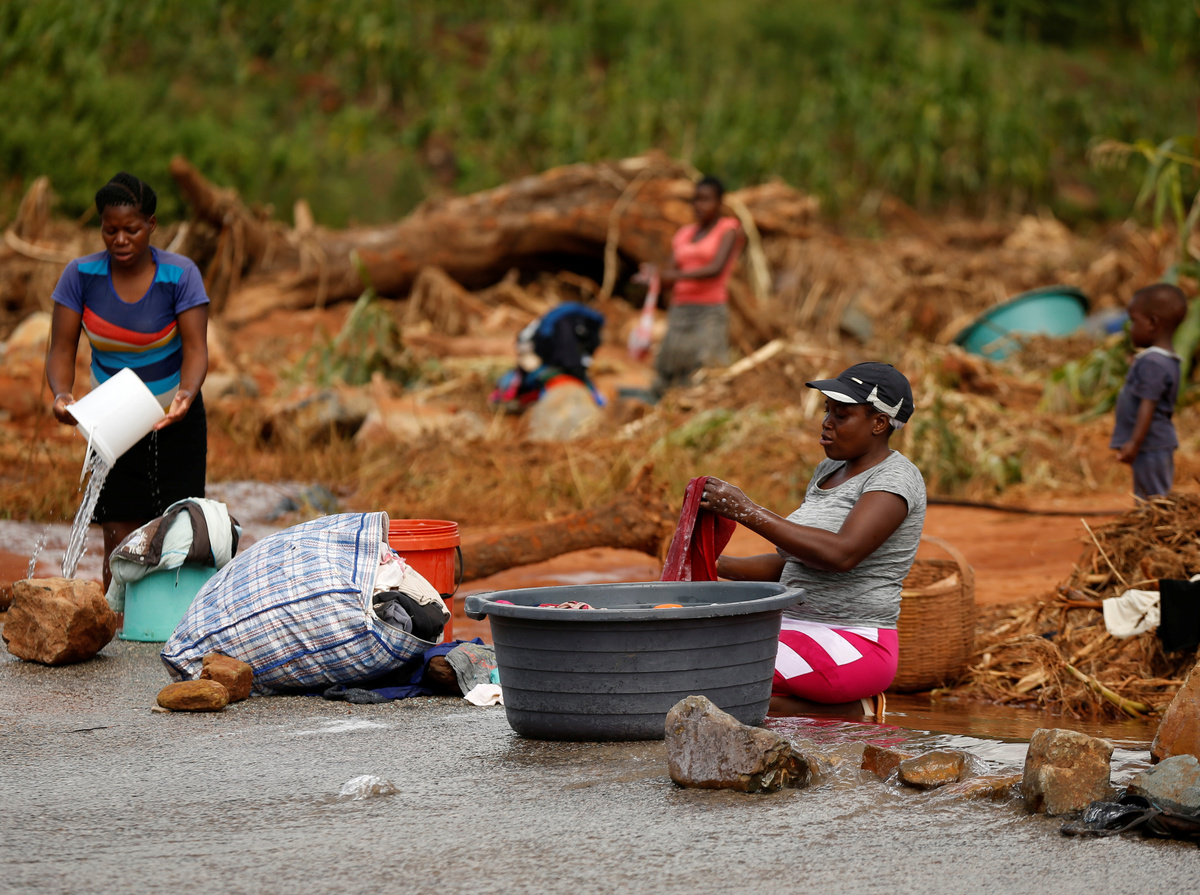
Cholera is spread by faeces in sewage-contaminated water or food, and outbreaks can develop quickly in a humanitarian crisis where sanitation systems are disrupted. It can kill within hours if left untreated.
As survivors gathered in informal camps and health officials warned of the danger of cholera and other diseases, UNICEF Executive Director Henrietta Fore said the situation on the ground was critical with no electricity or running water.
"Hundreds of thousands of children need immediate help," she said, estimating 1.7 million people were affected by the storm.
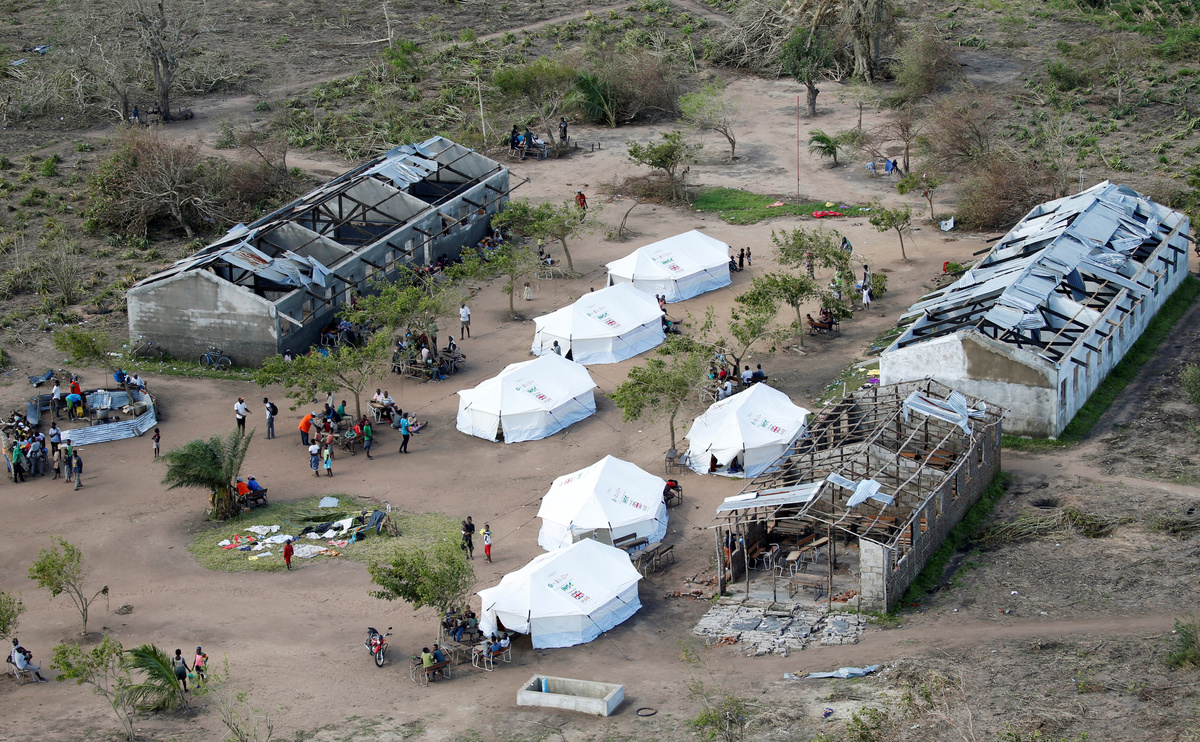
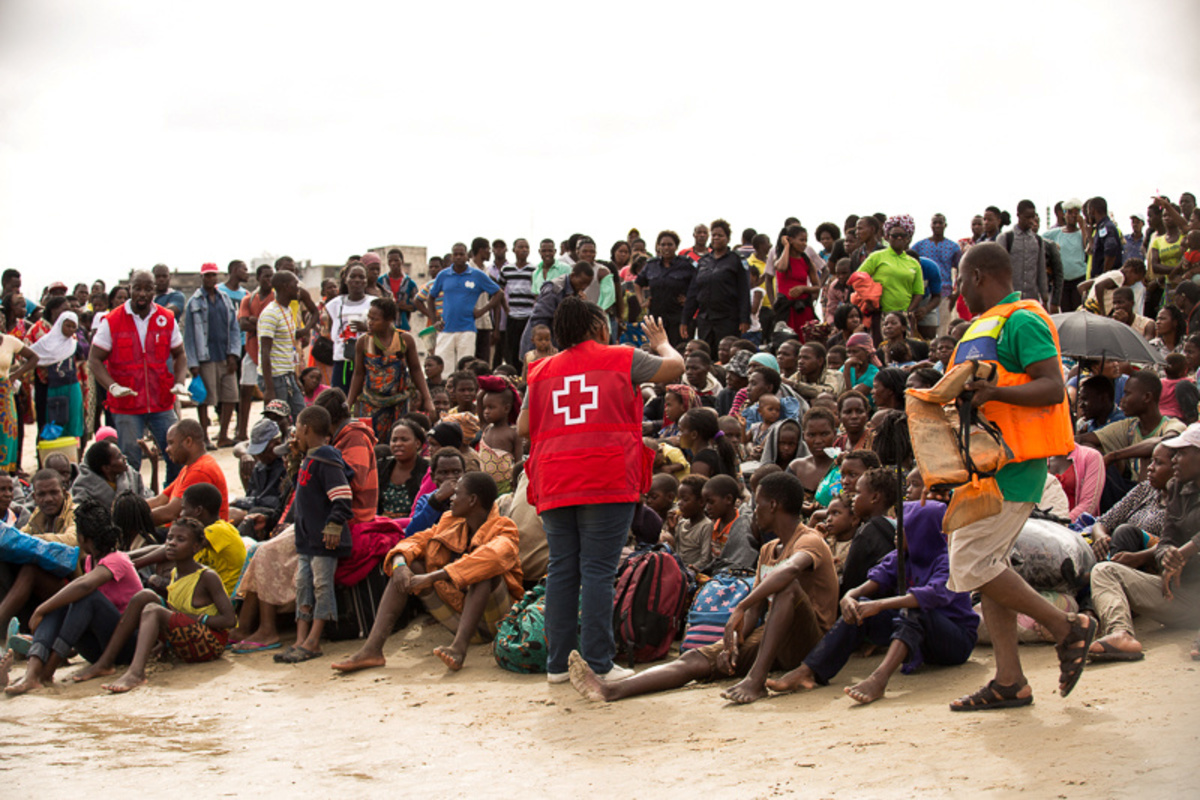
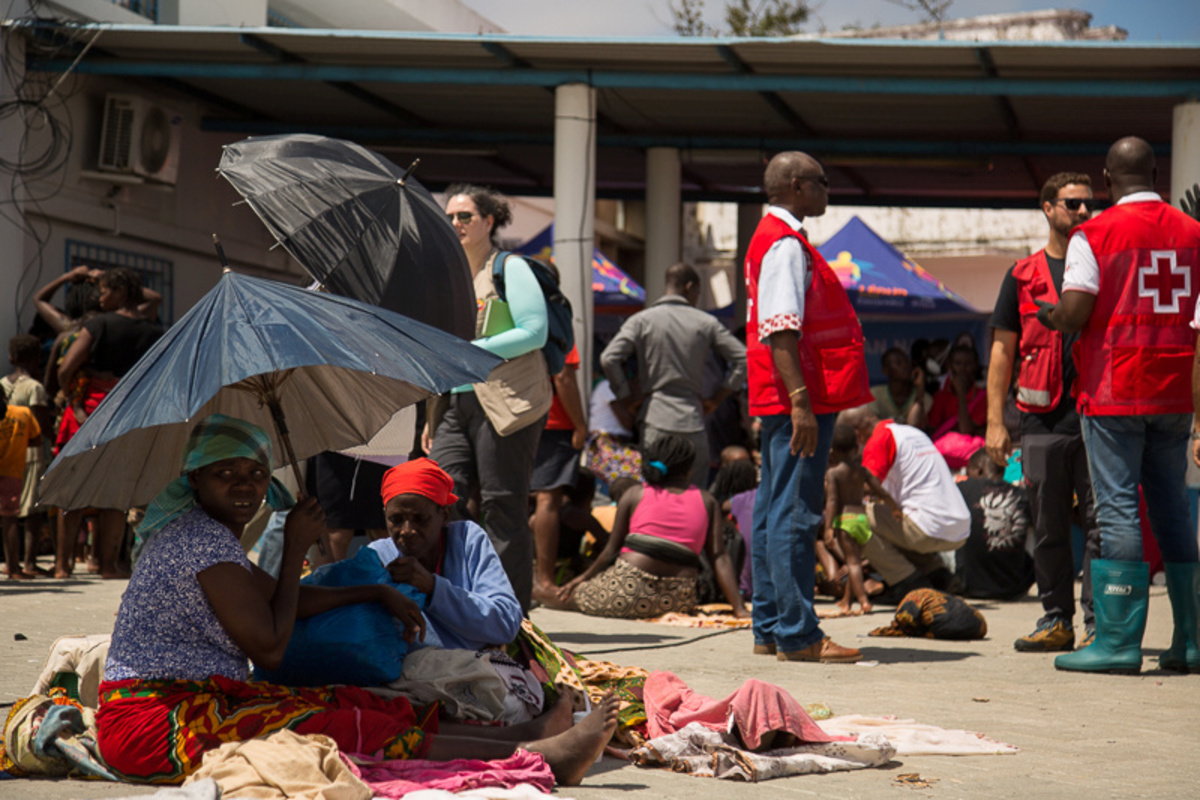
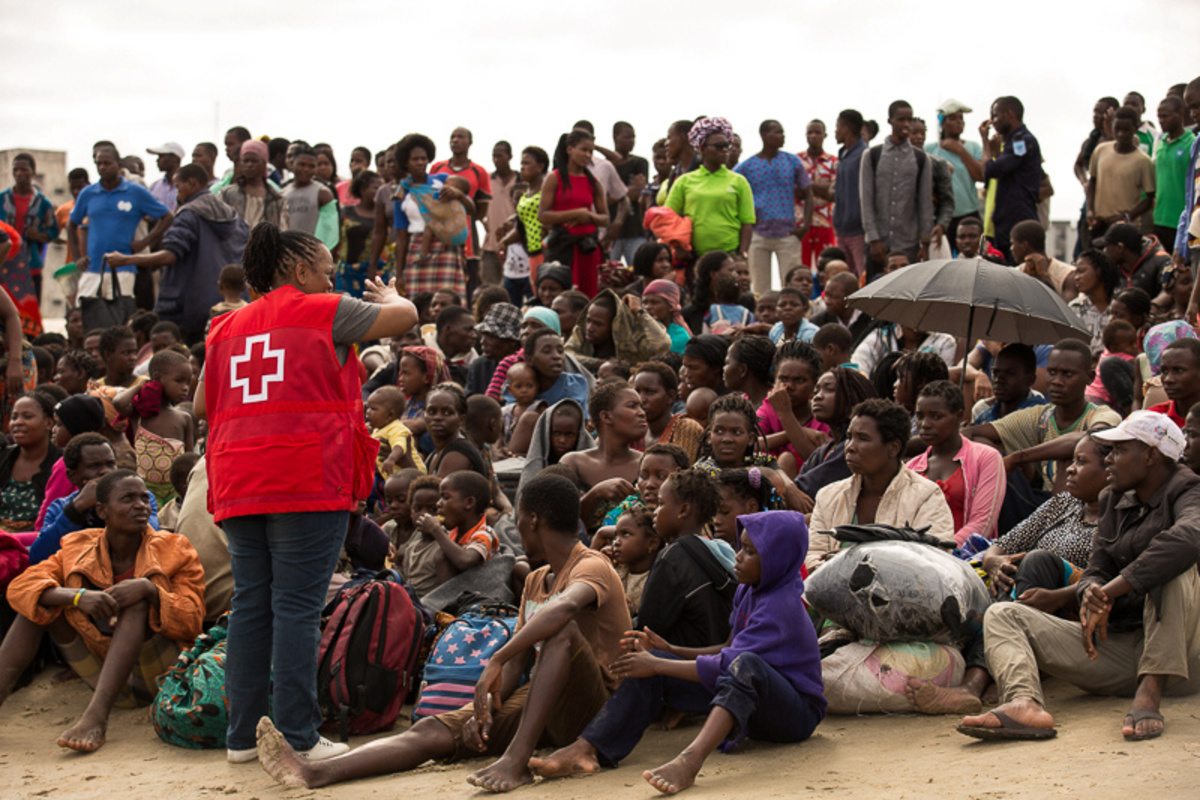
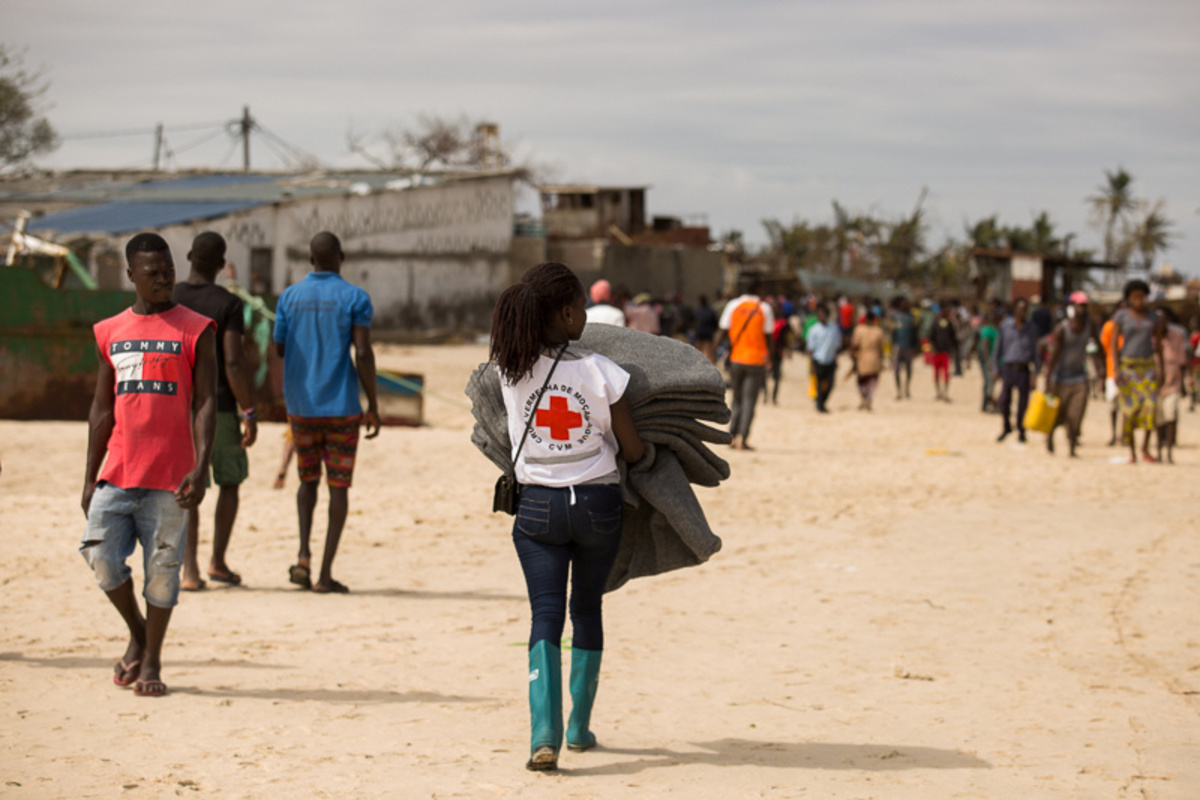
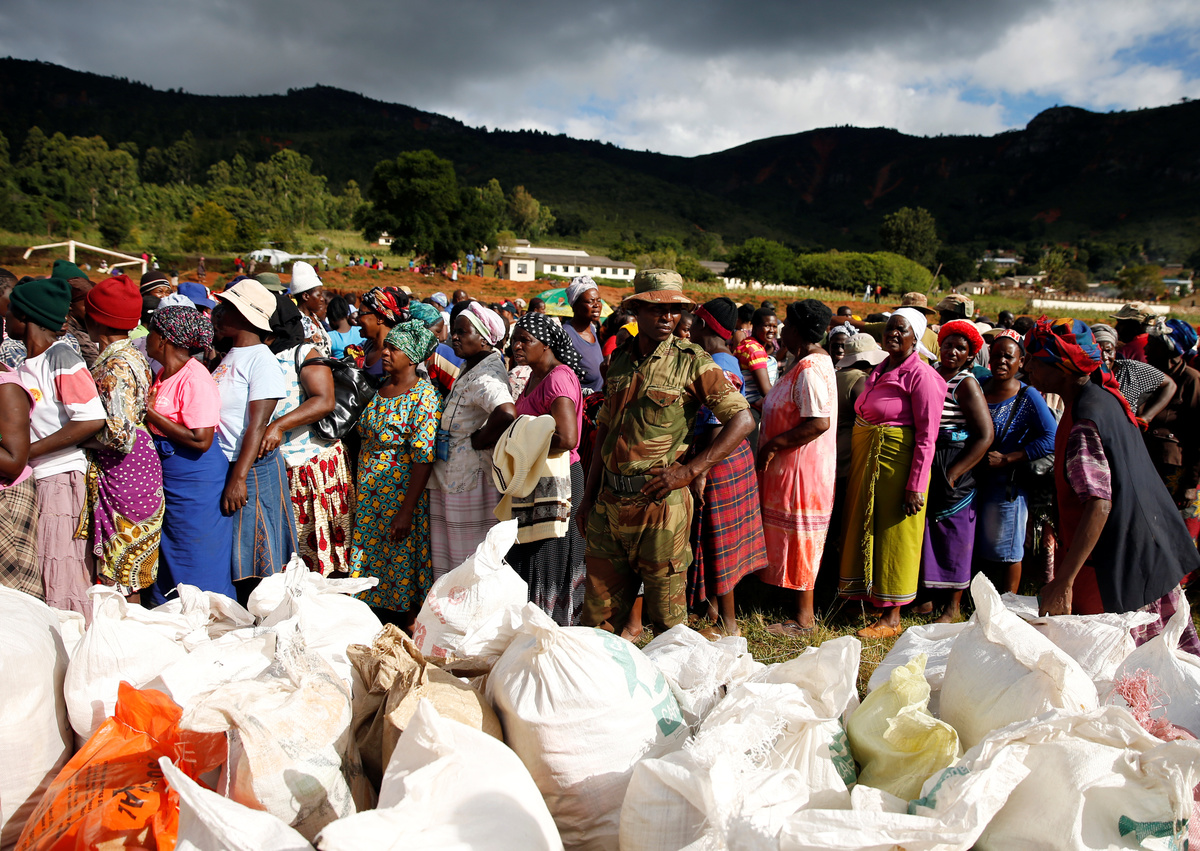
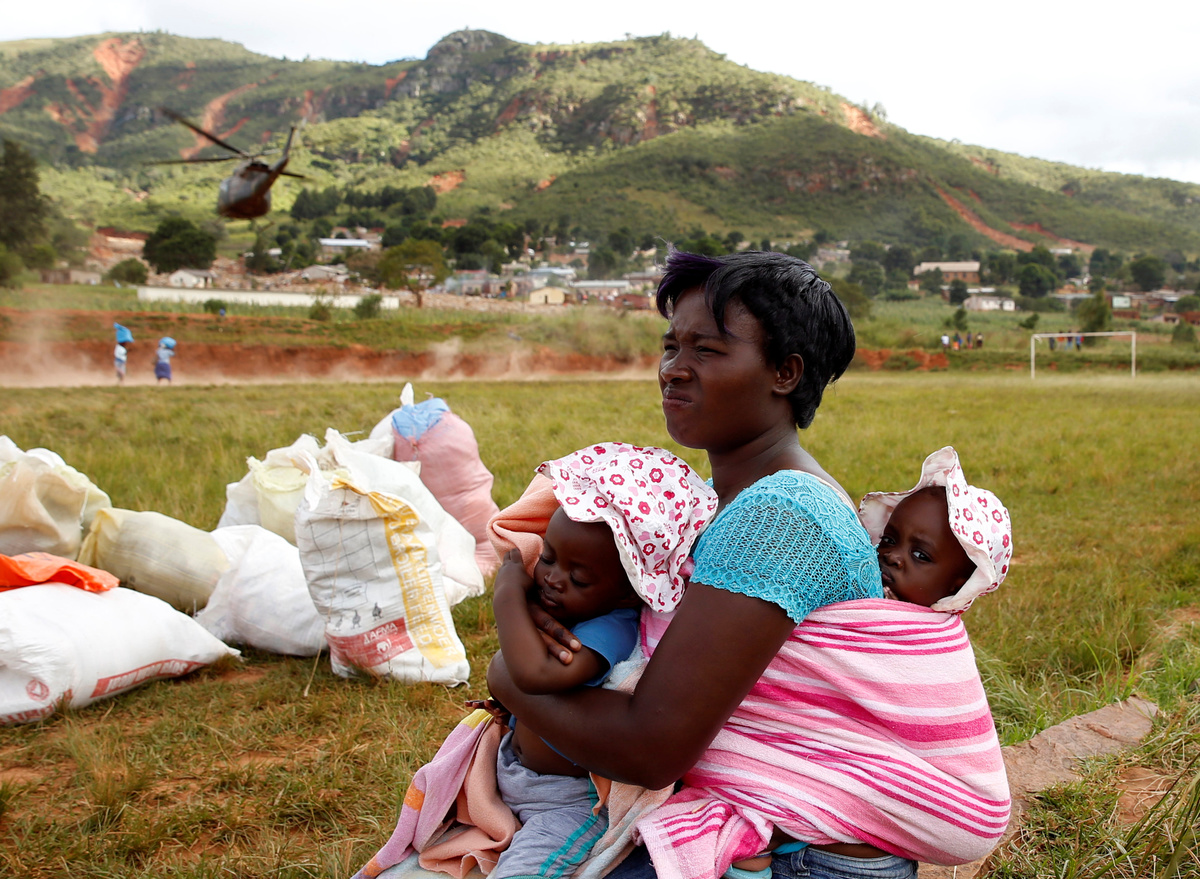
Around 45 km (28 miles) west of Beira, in the village of Guara Guara, the government set up a makeshift camp for people rescued nearby, with little water and no toilets.
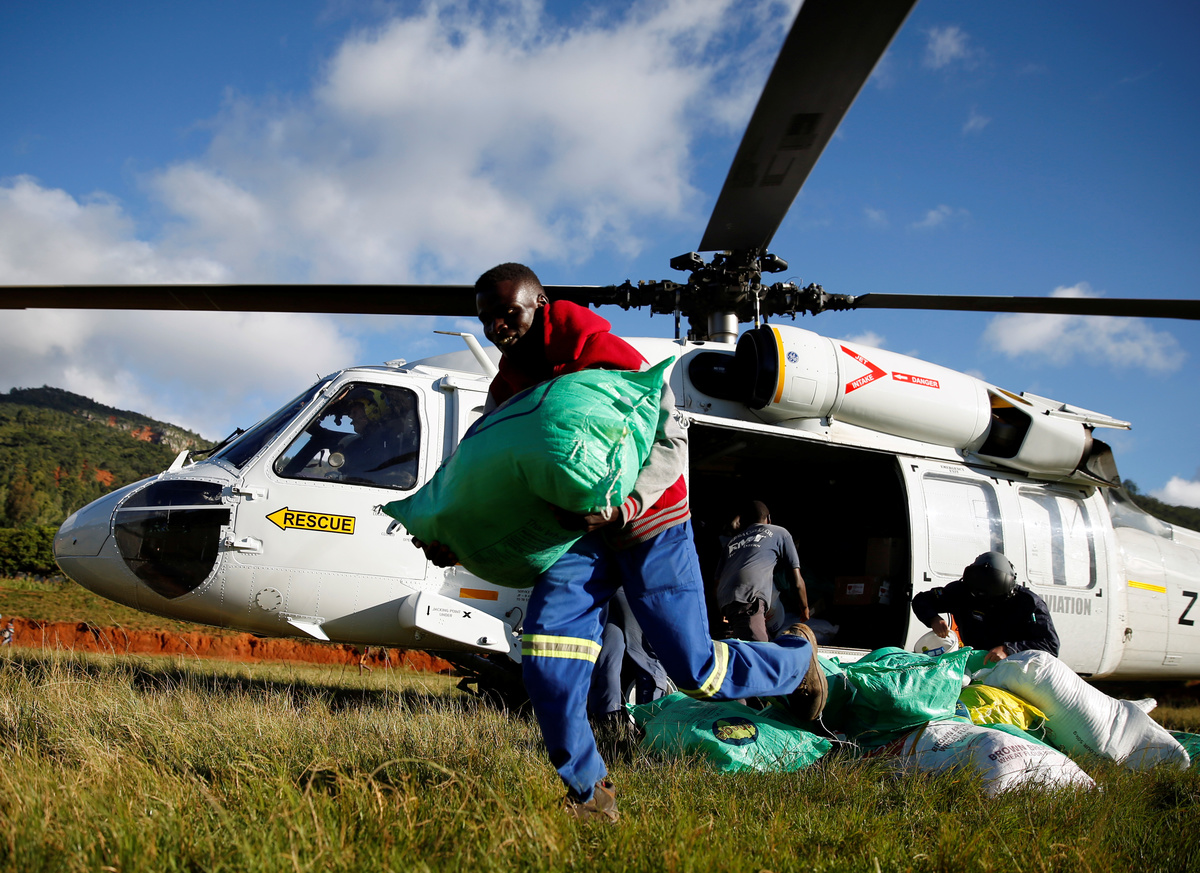
As for many such camps, progress was slow as aid had to be delivered by helicopter.
"The help is coming, but it’s coming very slowly," said Esther Zinge, 60, from near the town of Buzi, adding that what did arrive had to be given to children first.
"The conditions are terrible, and more people keep coming.”
On a beach in Beira, where the Red Cross estimated 90 percent of the city was damaged or destroyed, survivors clutching infants and bags disembarked from rescue boats beside a ship marooned on the sand and began receiving Red Cross help.
United Nations Secretary-General Antonio Guterres said he was saddened by the "heart-wrenching images of human suffering" and urged the world to step up support for the relief effort.
"CONDITIONS TERRIBLE"
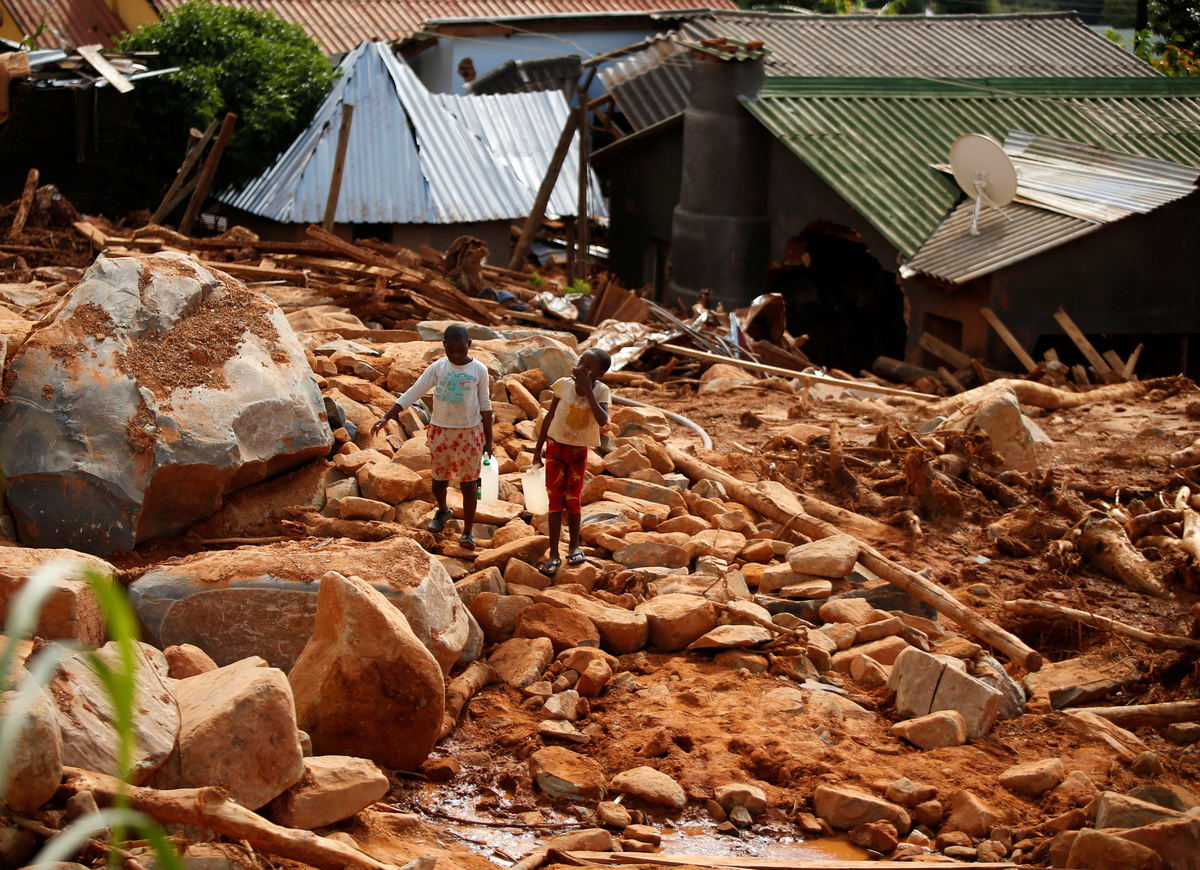
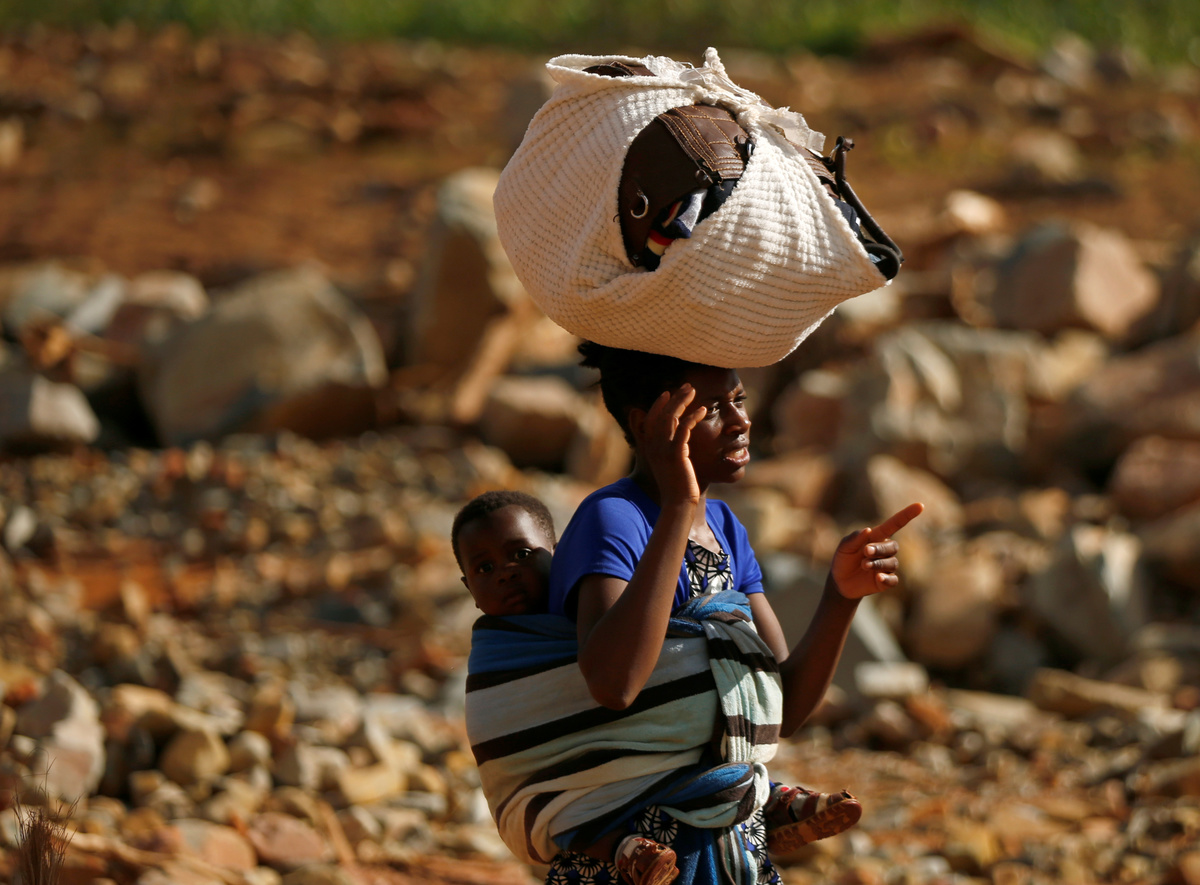
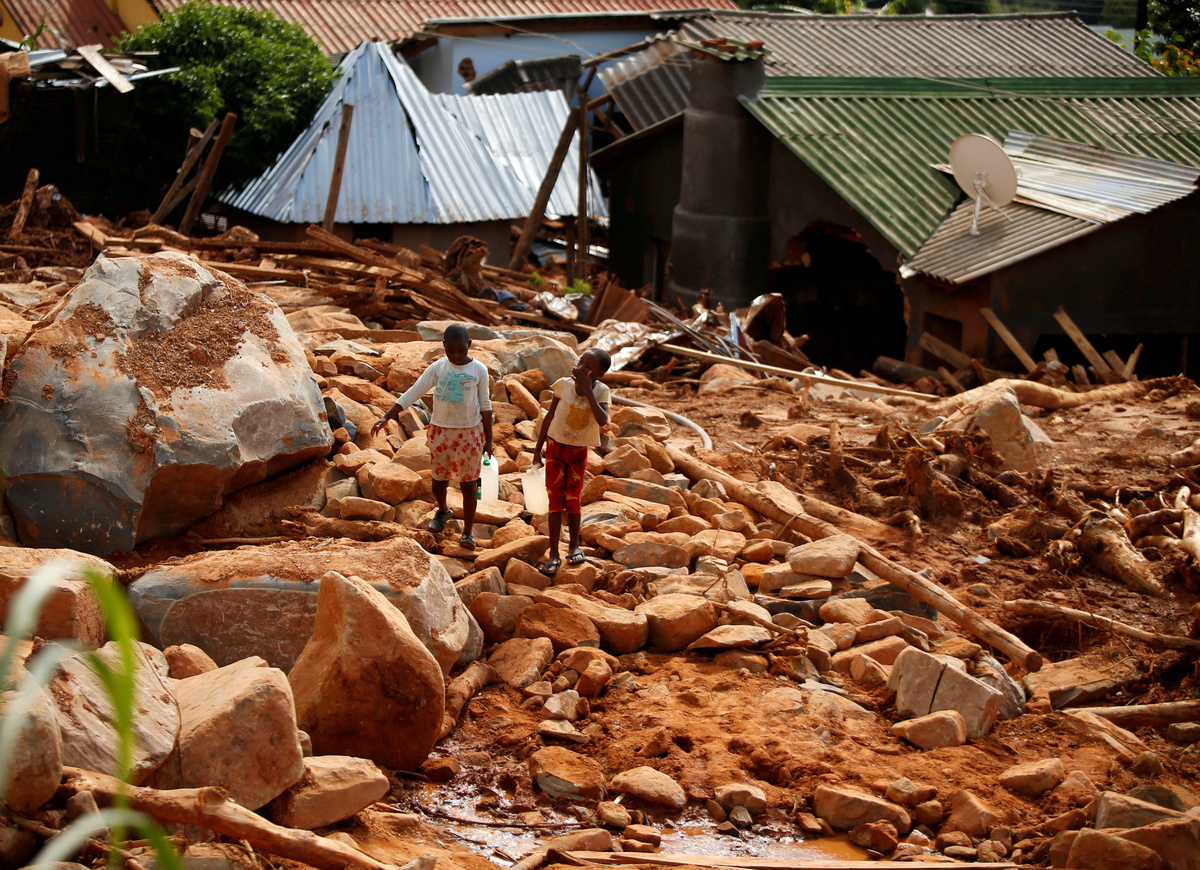
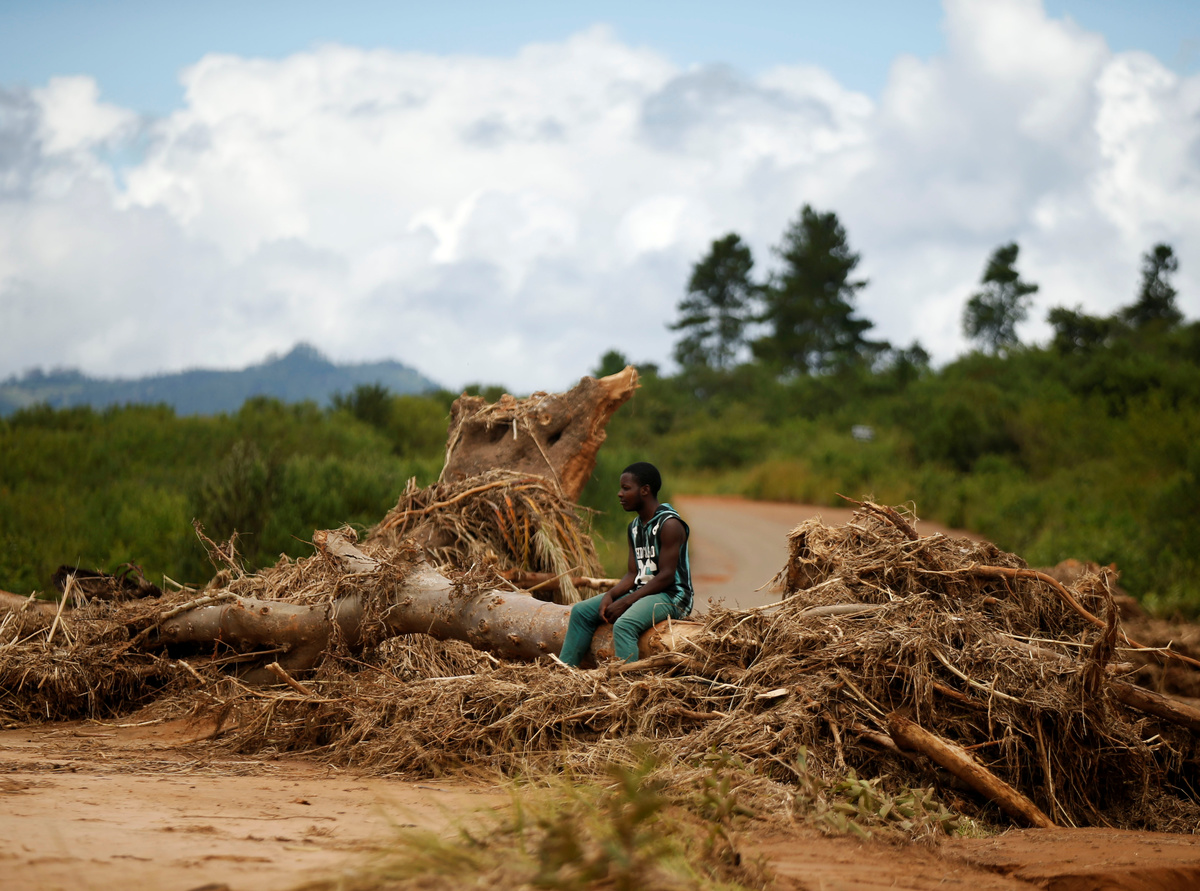
In Zimbabwe's Coppa Rusitu Valley, a township in Chimanimani near the Mozambican border, hundreds of homes were flattened by large rocks and mudslide from a nearby mountain, burying some residents, who never stood a chance as the cyclone unleashed its fury at night when most were sleeping.
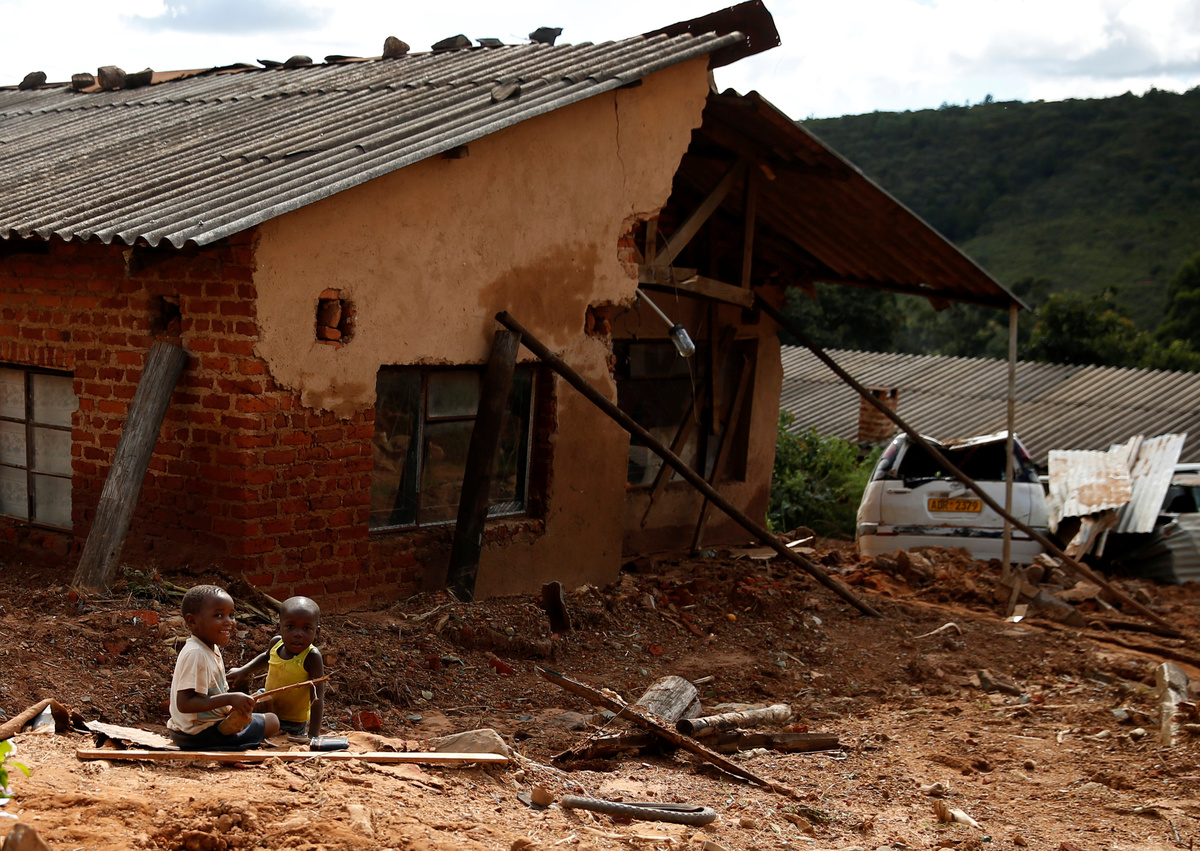
Relatives and rescuers were digging through the debris, hoping to find bodies, but some of the rocks were so big they need blasting, a Reuters witness said. Most people lost relatives, workmates or friends in the township, which also housed government workers, including police.
President Emmerson Mnangagwa said on Thursday night he had come face to face with horrific accounts of people grieving the loss of family and friends in Chimanimani.
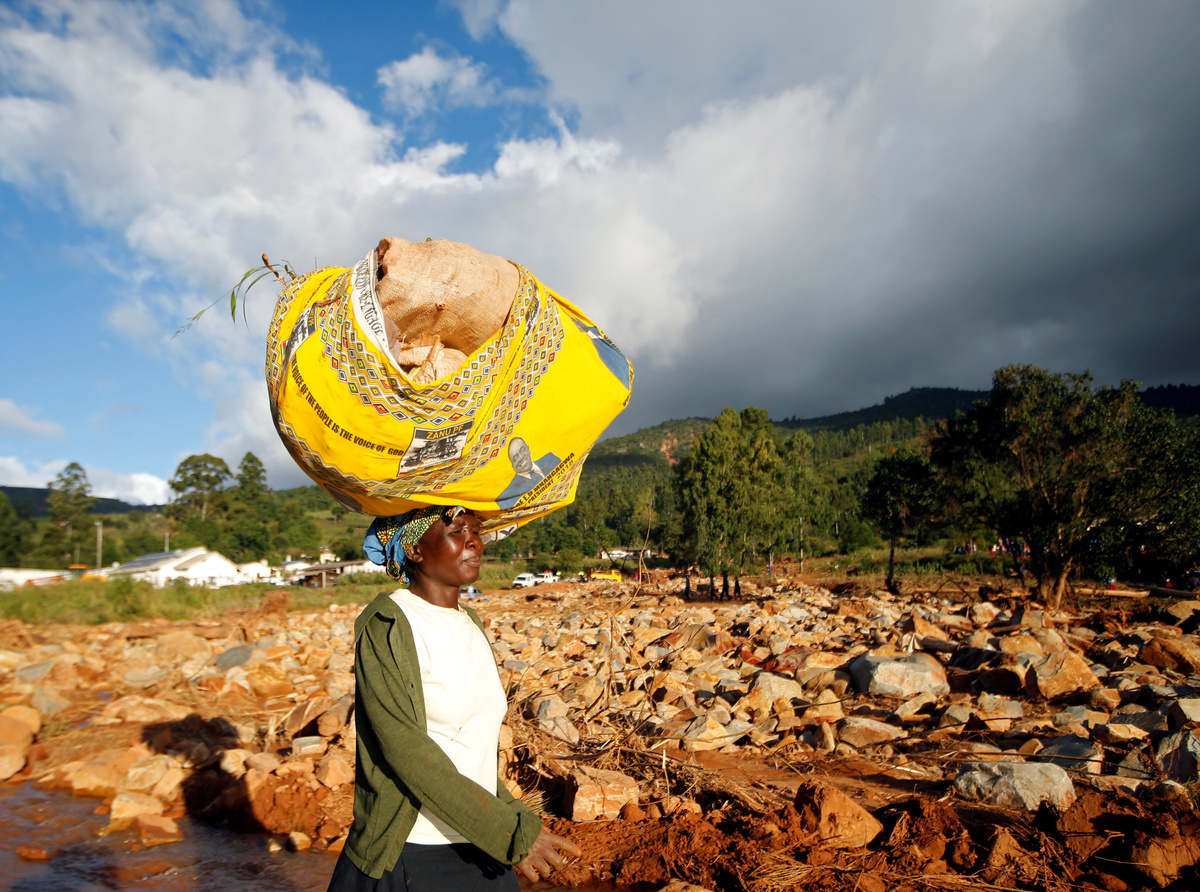
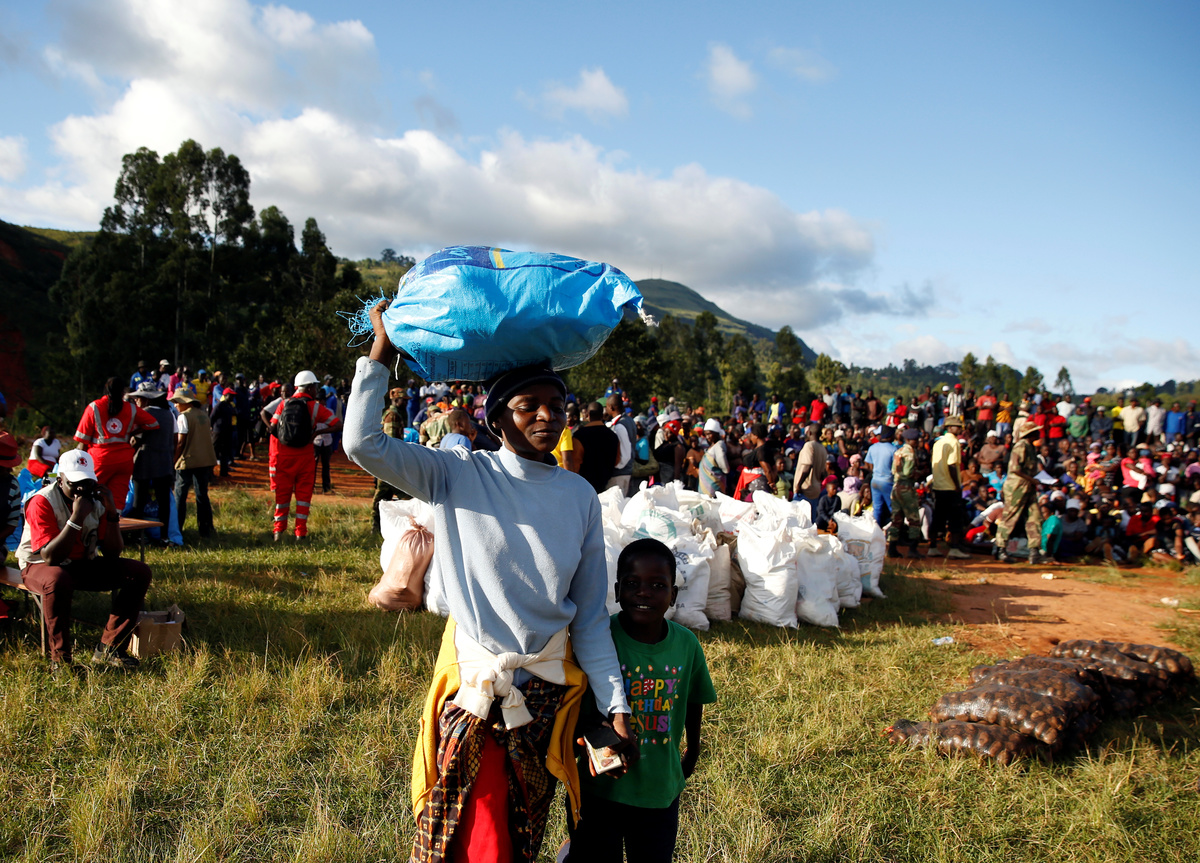
Some survivors have taken refuge at churches and centers offering temporary shelter as they deal with the trauma of their losses while private citizens, international aid agencies and the government rushed humanitarian aid to affected areas.
Zimbabwean Energy Minister Joram Gumbo said the pipeline bringing fuel from Beira had not been affected by the cyclone but the docking terminals at Beira port had been damaged.
He said Zimbabwe had 62 days supply of petrol and 32 days for diesel, which is in short supply and has led to long queues in the capital. In the city of Mutare, near Mozambique, diesel shortages were worse, according to a Reuters witness.
FEW HELICOPTERS
In Beira, Saviano Abreu of the U.N. humanitarian arm OCHA said the main problem with getting aid to relief camps outside of Beira was that they could be reached only by helicopter, since floods had cut off roads, and helicopters were scarce.
Large parts of Beira lacked running water, but everyone affected was getting 20 liters of water for washing, cooking and drinking.
Briefing his team late on Thursday night, Connor Hartnady, rescue operations task force leader for Rescue South Africa, said Beira residents were getting fed up with shortages.
"There have been three security incidents today, all food related," he told his team, without giving further details.
Commenting on Beira, U.N. humanitarian spokesman Jens Laerke said if people were desperate to get aid, that should be treated as part of the community response and not as a security matter.
"These are desperate people," Laerke said. "I don't think anybody would blame a desperate mother or father who have children who do not have clean water to drink or food to eat who grab it from wherever they find it in a shop."
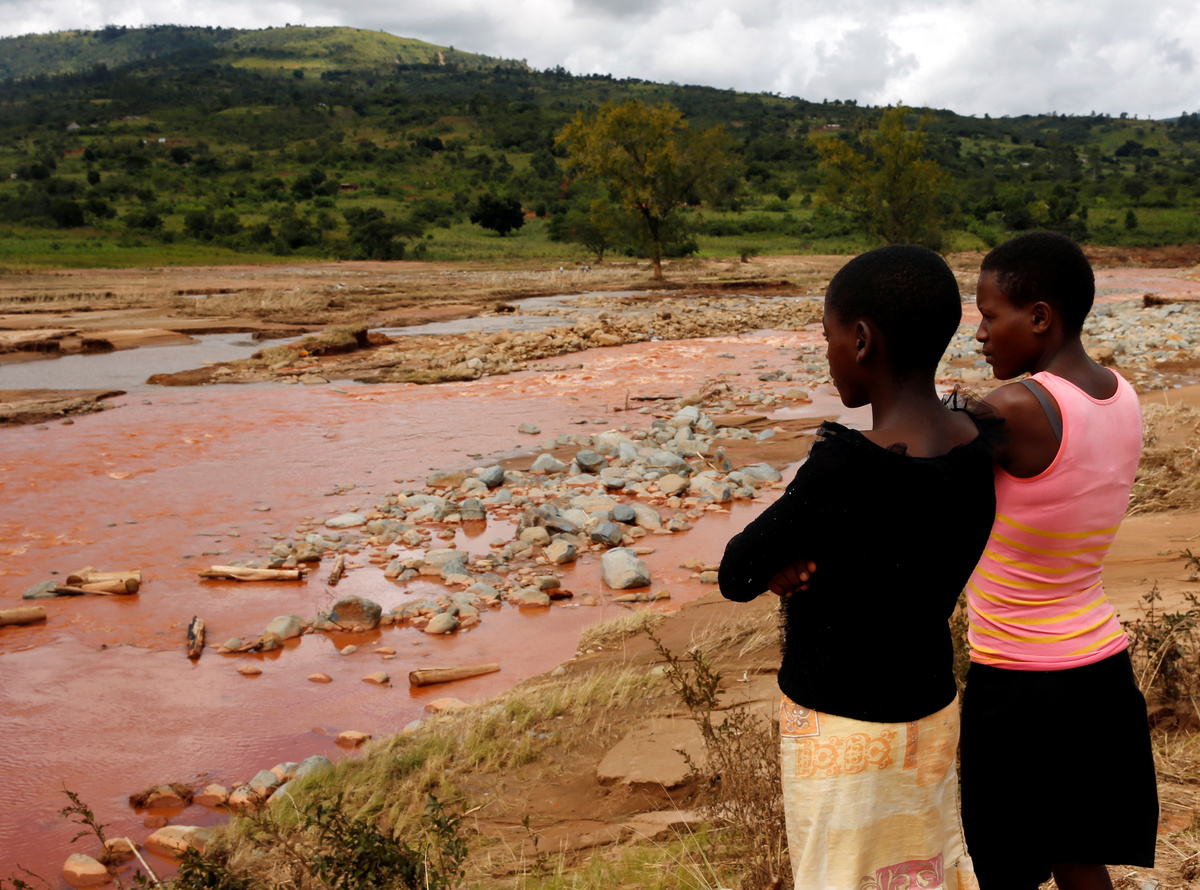
The storm's rains caused the Buzi and Pungwe rivers, whose mouths are in the Beira area, to burst their banks.
Roads into Beira were cut off by the storm and wide swathes of the Indian Ocean port city lacked power.
(Reporting by Emma Rumney; Additional reporting by MacDonald Dzirutwe in Harare, Philimon Bulawayo in Chimanimani, Zimbabwe, Tom Miles in Geneva, Michelle Nichols in New York; Writing by William Maclean and Frances Kerry; Editing by Tiisetso Motsoeneng, Raissa Kasolowsky and Mark Heinrich)