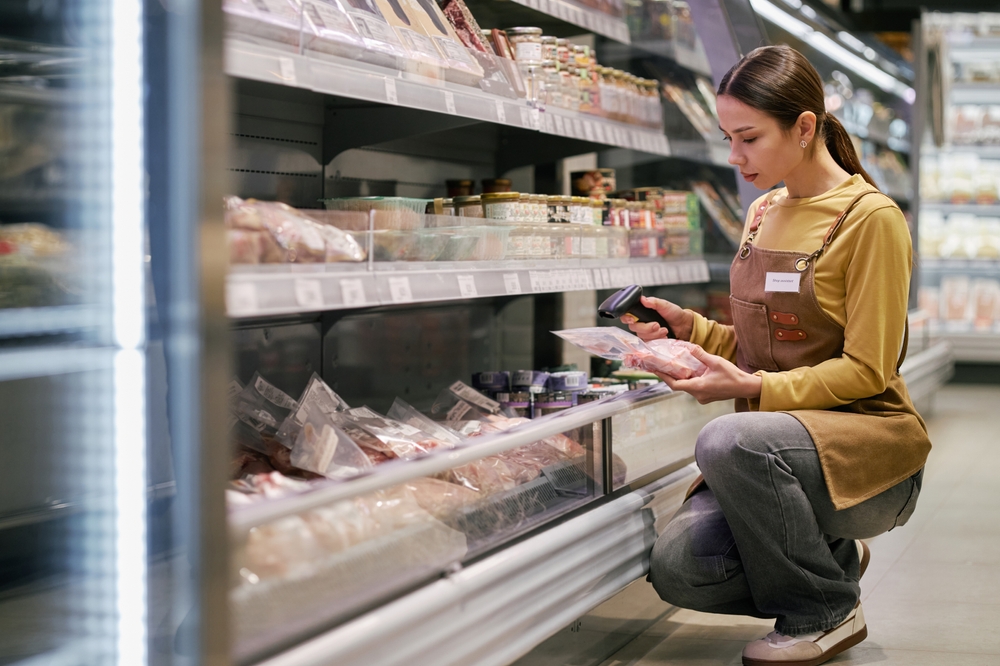
You walk into the store ready to grab your usual frozen veggies, pizza, and quick weeknight meals—and see half-empty shelves instead. Signs mention shipping issues, employees shrug and apologize, and you’re left trying to guess what to buy and whether prices are going up again. Behind those gaps are real people, including frozen food stockers who are doing their best to fill cases while waiting on delayed trucks. When you understand what’s happening between warehouse distribution centers and your local store, you can shop more strategically and waste less money. Instead of panic-buying or driving to three different stores, you can adjust your game plan and still keep the freezer working for your budget.
Why the Freezer Aisle Feels Emptier Lately
Most big grocery chains rely on regional warehouse distribution centers that feed multiple stores, not direct shipments from manufacturers to each location. When those centers get backed up due to labor shortages, equipment failures, weather, or transportation issues, every store they serve feels the ripple effects at once. Frozen food is especially sensitive to these hiccups because it needs cold storage from the second it leaves the factory until it reaches the shelf. If freezer space is tight or a truck gets delayed, pallets may sit, and stores receive smaller or late loads. That’s why your freezer aisle might look wiped out for days and then suddenly overflow when a truck finally makes it through.
What Frozen Food Stockers Are Seeing on the Ground
From the store side, employees are often just as frustrated as shoppers. Some trucks arrive hours or even days later than scheduled, forcing teams to scramble to get whatever did show up into the cases. Other times, only part of the order arrives, so they may get fries and ice cream but no vegetables or family-size entrées. Stockers know customers blame them when they can’t find favorites, even though they have no control over what’s on the truck. Many will quietly tell regular shoppers which items are unreliable right now and which ones seem to recover quickly.
How Distribution Delays Hit Your Grocery List
Delayed loads from warehouse distribution centers don’t just mean bare spots; they change what deals actually make it to your store. If only half the advertised sale items arrive, the shelf tags may still be there, but the product you planned to buy might not. According to frozen food stockers, certain items disappear fast once a truck finally arrives, especially budget brands and anything that stretches into multiple meals. Shoppers who wait until the weekend to shop might miss the small window when shelves are full again. That leaves people either paying more for a different brand or abandoning their meal plan altogether.
Spot Patterns So You Can Plan Ahead
Even in the middle of chaos, there are patterns you can use to your advantage. Take note of what day and time your store tends to look the most fully stocked, and aim to shop during that window when you can. When you talk with frozen food stockers or just watch restocking patterns, you’ll often notice that certain days have more activity in the aisles. You may also see that some categories, like frozen vegetables or breakfast items, bounce back faster than others such as entrées or novelty snacks. Knowing which sections recover first helps you prioritize basics and avoid spending extra on convenience items when choices are slim.
Stretch Your Budget When Your Usual Deals Are Missing
It’s tempting to grab whatever is left when your favorite sale item is out, but that can quickly blow up your budget. Instead, have a short fallback list in mind, like plain frozen vegetables, rice, and beans, that you can turn into simple meals without relying on pricey prepared foods. Many frozen food stockers say shoppers grab anything familiar when they see a limited selection, even if it’s not on sale and not especially filling. Focusing on ingredients instead of complete meals helps you stay flexible when store brands or family sizes are gone. You can also shift part of your meal plan to pantry items that are more stable, saving freezer space for true bargains when they show up again.
Smart Stock-Up Strategies That Don’t Cause Waste
When something you love finally shows up on the shelf, the urge to clear the case can be strong, especially after weeks of empty spots. A smarter approach is to decide in advance how many of each staple you realistically use in a month and stick close to that number. Ask frozen food stockers when trucks usually arrive so you know whether it makes sense to buy extra now or wait a day or two. Remember that overloading your freezer can lead to lost items and food waste if things get buried and forgotten. Stocking up within your actual storage and usage limits protects both your budget and your sanity.
Freezer Aisle Delays Don’t Have to Wreck Your Budget
It’s easy to feel powerless when you see empty shelves, confusing sale tags, and rising prices all at once. Listening to frozen food stockers and watching how shelves change over a few weeks can calm a lot of the anxiety around shortages. You start to see that delays from warehouse distribution centers are frustrating but also manageable with a little planning. By learning your store’s patterns, staying flexible with brands and meal plans, and stocking up thoughtfully, you keep more control over what you spend. Those small shifts help you ride out the ups and downs in the freezer aisle without sacrificing the convenience and savings frozen foods can offer.
Have you noticed frozen favorites missing from your store lately, and what tricks are helping you keep your freezer stocked without overspending?
What to Read Next…
Why Supply-Chain Delays Are Now Hitting Fresh Produce Harder Than Meat
9 Bakery Specials That Expire the Next Day
6 Foods Most Likely to Suffer in Supply Chain Delays
Why Shoppers Say Inflation Isn’t Going Away Anytime Soon
The Egg & Meat Supply Crisis: Why Prices Went Up, and How to Shop Around Smartly
The post Frozen Food Stockers Report Delays From Warehouse Distribution Centers appeared first on Grocery Coupon Guide.