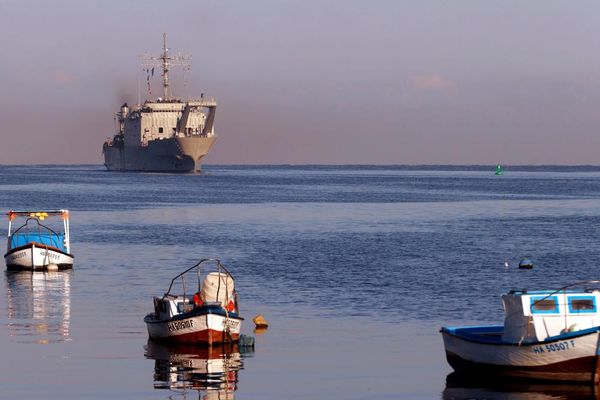
It used to be argued in Britain in the last century that we could not afford to abolish slavery. The same argument is heard today: we cannot afford to abolish political slavery in Rhodesia. Whatever has happened in the talks between Mr Wilson and Mr Smith on board HMS Tiger, the basic issue in Rhodesia is plain and inescapable. It is whether 95% of the people of Rhodesia are to be forced to accept a detestable racialist dictatorship, or whether the remaining 5% will agree to a peaceful transition to government by consent.
The present meeting’s outcome should be judged by the extent to which it fulfils the essential conditions laid down by the Commonwealth prime ministers and Mr Wilson himself. These are, first, that there should be guarantees of unimpeded progress towards majority rule, and secondly, that Britain should not consent to independence unless the people of Rhodesia as a whole are convincingly shown to approve. If Britain feels that because of her economic weakness she cannot take the initiative in Rhodesia her only sensible and honourable course is to hand the problem over to the UN. The worst thing would be to use a phoney deal with Mr Smith as an excuse to prevent the UN from trying to make the legitimate protests of Rhodesia’s African majority effective.
Key quote
“I don’t know if Churchill enjoyed making speeches. But he looked like he did.”
The Duke of Edinburgh
Talking point
Leftwing Labour MPs were bitterly attacked by shop stewards for acquiescing to the government’s prices and income policy at a conference of shop stewards in London yesterday. The meeting, called by the Liaison Committee for the Defence of Trade Unions repudiated “all state interference with collective bargaining”.
News in brief item