The thermo-nuclear explosion set off in Russia on 12 August has shattered most of the assumptions on which the atomic policy of the west has so far been uneasily based. We still do not know whether at this moment the Russians – or the Americans – possess a hydrogen bomb in a form which can be carried and delivered by existing aircraft. We do know that in the race for the development of the hydrogen bomb Russia and America are now running neck and neck: we must assume that both will soon possess these unparalleled instruments of destruction.
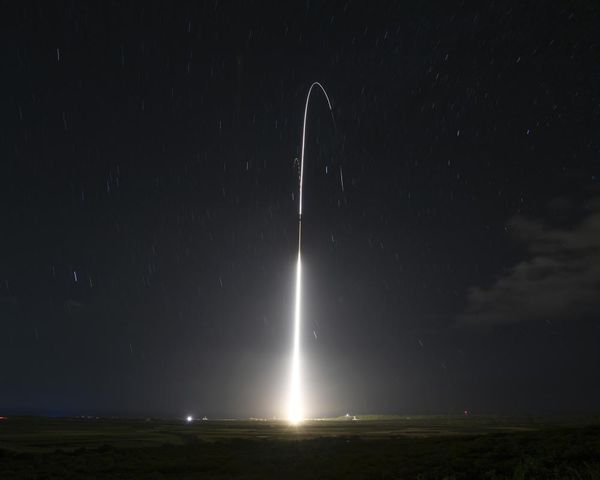
This fact undoubtedly robs the superior American stockpile of “ordinary” atom bombs of the deterrent power or bargaining value it was hitherto supposed to have. The idea that it could be diplomatically used to enforce a true internationalisation of atomic energy must now in all probability be considered dead. Thoughts will increasingly turn towards strengthening defence against atomic attack by the development of guided missiles. But for the moment the stark truth remains that war between Great Powers which possess atomic weapons involves wholly incalculable perils.
It can only be hoped that this will make statesmen in all countries doubly cautious in considering war as a means of resolving their conflicts.
Key quote
“I don’t see so much of Alfred any more since he got so interested in sex.”
Mrs Alfred Kinsey on the launch of the Kinsey report: Sexual Behaviour in the Human Female
Talking point
Not the least intriguing thing about Blackpool - to a southerner at least - is its foreignness. It has the zip, the unselfconsciousness and classlessness one finds so often in America. Blackpool’s pace is the pace of Times Square.
The Observer’s Kenneth Harris visits Blackpool