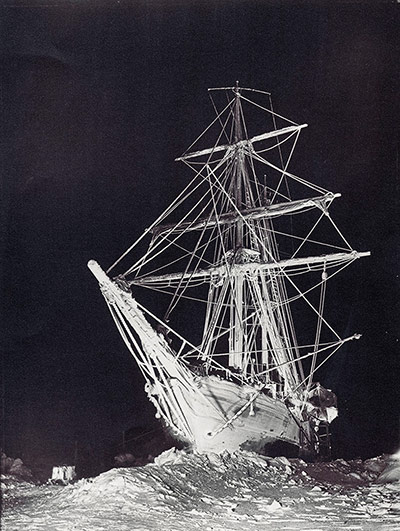
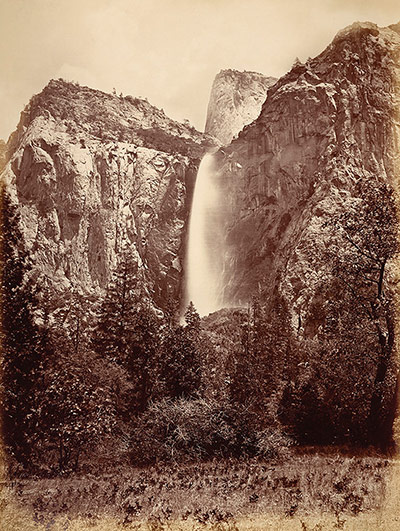
Frank Hurley (1885–1962) was an Australian photographer and adventurer. This picture shows him in his Burberry sledging outfit during the Imperial Trans-Antarctic Expedition (1914–1917), which was led by Ernest Shackleton. Lionel Greenstreet, first officer of the Endurance, said: “Hurley is a warrior with his camera and would go anywhere or do anything to get a picture.”Photograph: Royal Geographical Society CollectionDuring the Antarctic expedition, Hurley took this image, using 20 flashlights to create a ghost-ship effect. The crew endured extreme low temperatures on the Endurance, with no daylight for months on end. Hurley described working in the ship’s darkroom in his diary: “Dark room work rendered extremely difficult by the low temperatures, it being -13F (-25C) outside. Washing [photographic] plates is a most troublesome operation, as the tank must be kept warm or the plates become an enclosure in an ice block.” Photograph: Royal Geographical Society CollectionWhen this picture of Bridalveil fall in Yosemite was taken around 1865, the US photographer, Carleton E Watkins, was already known worldwide. He created huge prints – the largest of the time – which transported people to places they had never seen. To do so, he carried almost a tonne of camera equipment, including giant glass plates, and often created his own trails. After seeing Watkins’ photography, Abraham Lincoln was directly inspired to sign the legislation needed to secure Yosemite as the nation's first national park, at a time when mining and logging companies were eager to develop the valley. Photograph: Royal Geographical Society Collection
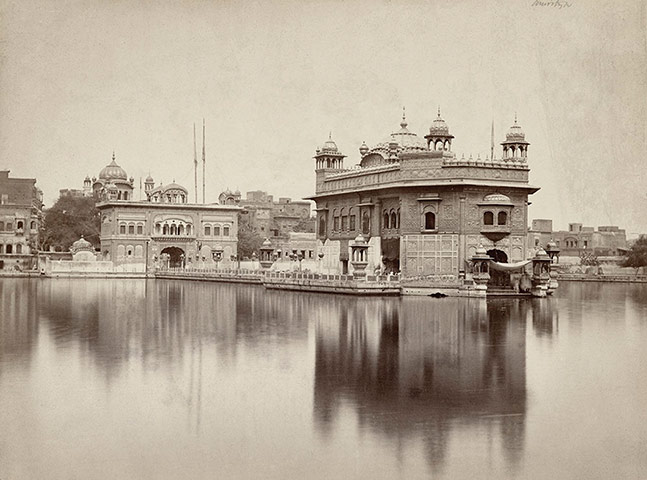
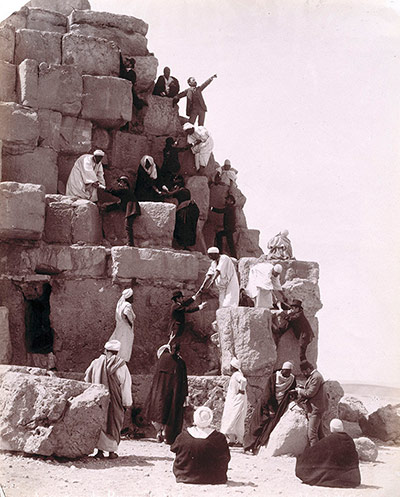
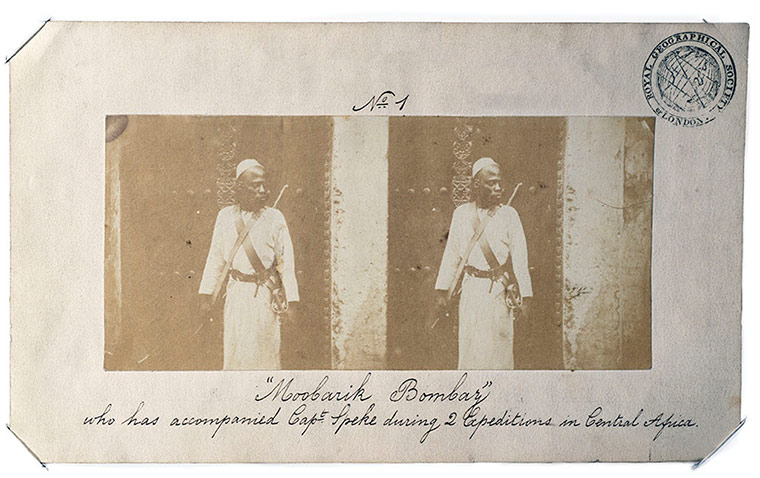
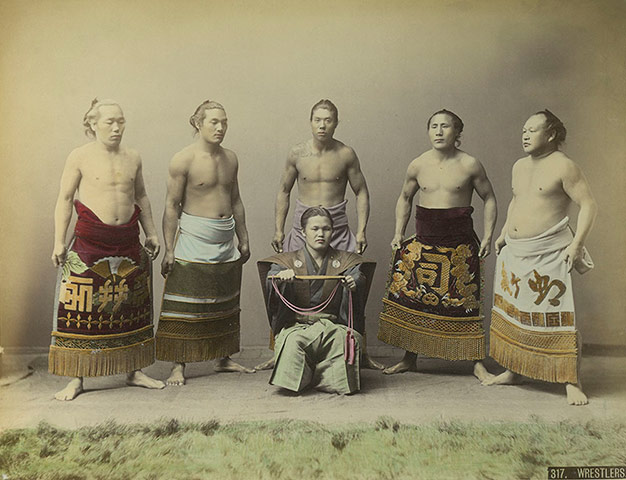
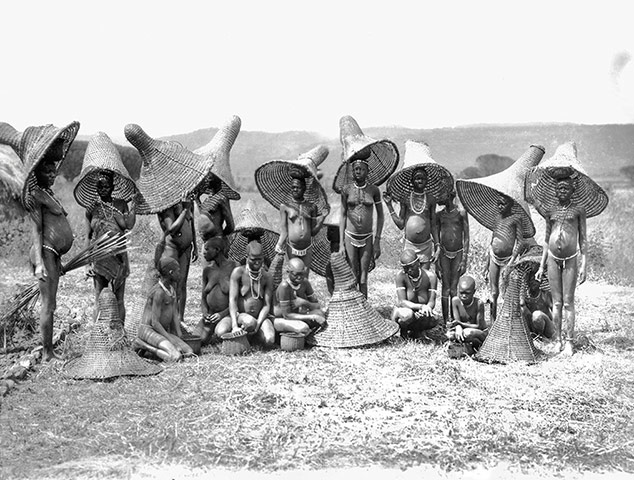
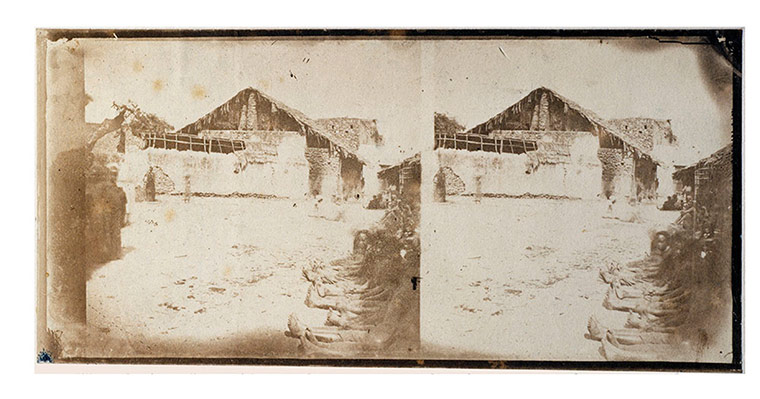
Capturing the Sikh temples at Amritsar in Punjab, north India, this picture was taken by Bourne and Shepherd, the only photographic studio dating from the 19th century that is still trading today. Bourne and Shepherd employed photographers and also marketed the work of amateur photographers. Travellers would buy their images, often adding them to albums that also included their own photographs or drawings. The idea of buying a photograph was acceptable as these image would generally be far better quality, plus it was also more convenient and impressive.Photograph: Royal Geographical Society CollectionAs the opportunities to travel opened up in the 19th century, there was a fascination with ancient temples and monuments, such as this one in Egypt. Travellers' desire to bring back a record of what they had seen triggered the creation of commercial photographic businesses. The Abdullah Frères studio – which took this image – comprised three brothers from Istanbul, who went into business together in 1857. They became the official court photographers and outstanding artists of the city. To meet growing demands, they opened a second studio in Cairo in 1886.Photograph: Royal Geographical Society CollectionThis stereograph image of Sidi Mubarak Bombay was taken in 1860, 40 years after he was born on the Tanzania/Mozambique border. The former slave had already lived a remarkable life, having regained his freedom after his "owner" died in India, joined the army in Zanzibar and become a guide to many British explorers. In 1857 he was recruited by John Hanning Speke, and accompanied him on two expeditions in central Africa. He was with Henry Stanley when he went in search of David Livingstone. After this image was taken, Mubarak Bombay walked across the entire continent of Africa, from the east to west coast. In 1876, the Royal Geographical Society awarded him a silver medal for his assistance to Speke. Photograph: Royal Geographical Society (CollectionThe collecting of portraits became a passionate hobby, with millions being sold, collected and swapped. Sadly the photographer and date of this image of Japanese wrestlers are unconfirmed, although it's possible that it was taken by Felice Beato, an Italian–British photographer who was one of the first people to take photographs in east Asia and one of the first war photographers. He is now one of the most collectible early photographers.Photograph: Royal Geographical SocietyThis image of Kavirondo fisherwomen in Kisumu, Kenya (circa 1899-1901, by photographer HH Johnston) is typical of the time. Subjects were expected to sit or stand still for some time, resulting in very stilted poses with fixed facial expressions. Photograph: Royal Geographical SocietyThis image of a slave market in Zanzibar was taken in 1860 by photographer James Augustus Grant. To the right, you can see the slaves' bare feet. In Grant's book, A Walk Across Africa, he described the scene: "Some of the unhappy groups sit calmly in the marketplace, looking very clean, well fed and dressed, but with a depressed anxious look, saying to you with their eyes, 'Buy me from this yoke of slavery!'" Slavery had been abolished in the British Empire almost 30 years before, in 1833. Photograph: Royal Geographical Society Collection
Sign up to read this article
Read news from 100’s of titles, curated specifically for you.