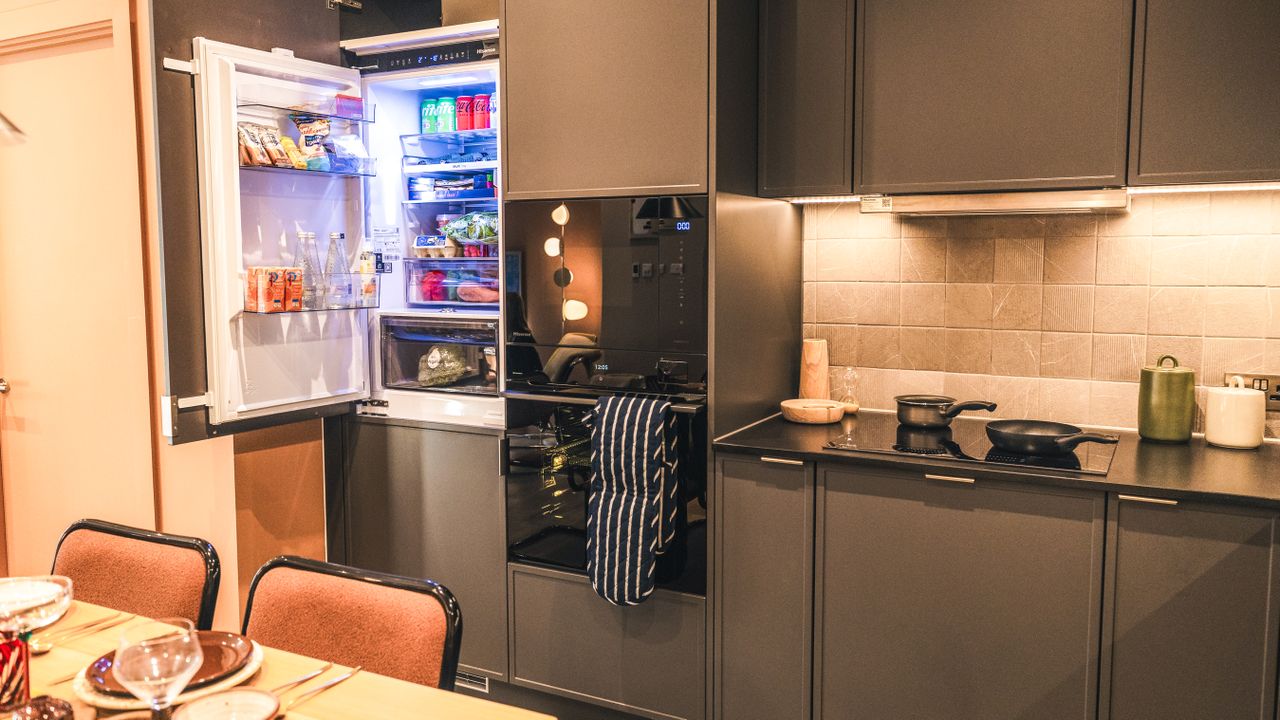
As a former real homes writer, I’ve spent a fair share of my career nosing around other people’s houses. It was a dream job, even if it did leave me with a permanent case of house envy. So, when Hisense invited me to tour its fully kitted-out show apartment in London, I jumped at the chance to have a snoop.
While I was there to check out the new kitchen line, I also sat down with Matthew Glynn, Hisense’s Senior GTM Product and Marketing Manager in the U.K. What I discovered is a company working tirelessly to shed its “budget” reputation and prove it can compete with the industry’s heavy hitters.
Challenging the TV brand perception
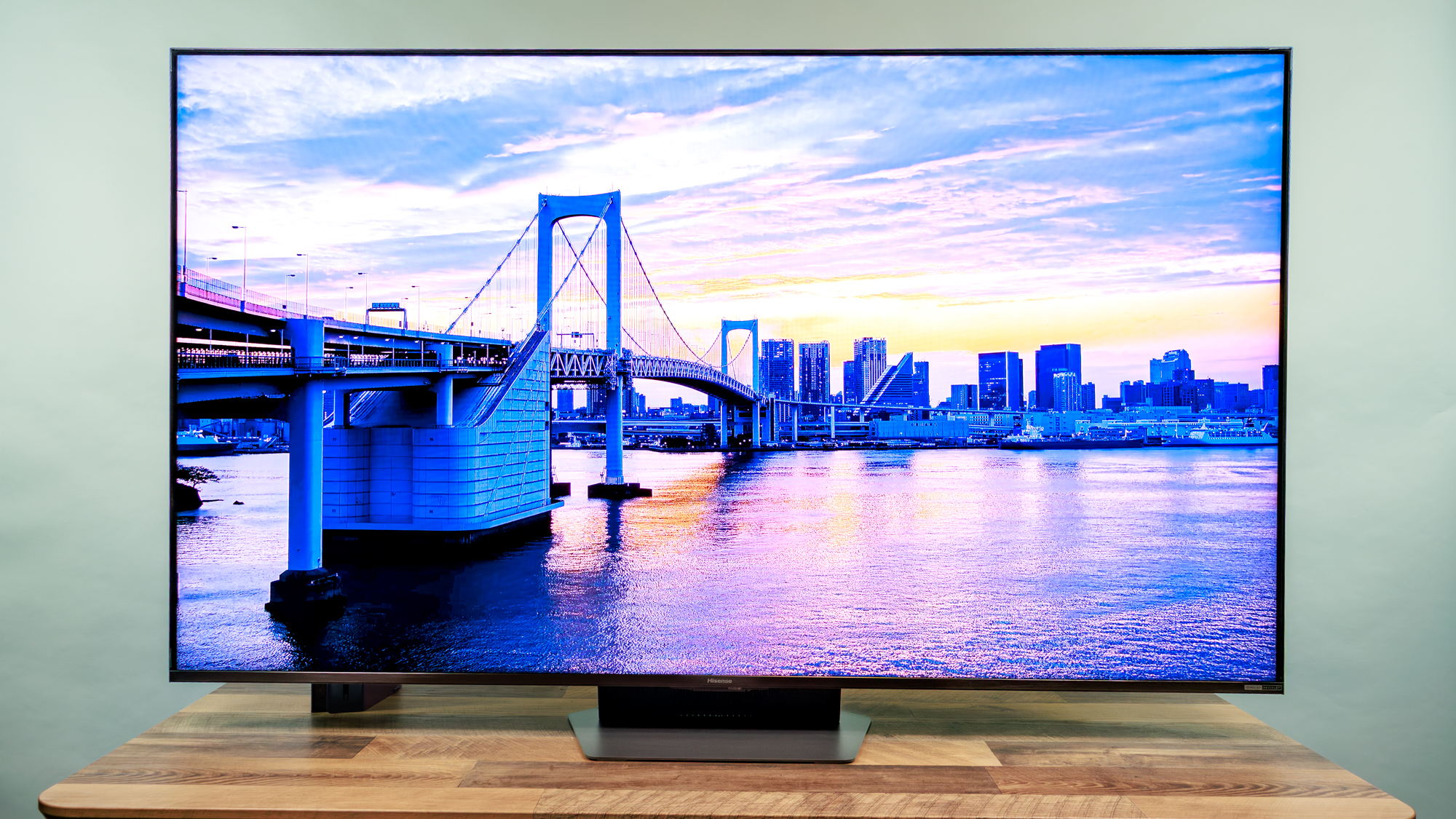
Mention ‘Hisense’ to most people, and televisions probably come to mind. As a home writer, I was already aware that the company offered more than just some of the best TVs, but I positioned them in my own mind as an affordable mid-market brand when it came to appliances.
My TG colleagues, however, weren’t so familiar with the company’s kitchen and laundry offerings; they still described them as “a dependable brand” with “reasonable price points” but assumed their home appliances would lack high-end features.
Glynn was quick to correct that perception. In reality, refrigeration is the “bread and butter” of the business, and the company’s global split between TVs and major domestic appliances is nearly 50/50. But televisions and refrigeration are not the brand’s biggest growth sectors.
The biggest growth areas are currently the cooking and laundry sectors
Matthew Glynn, Hisense
“The biggest growth areas are currently the cooking and laundry sectors,” Glynn noted, though he acknowledged these are growing from a smaller base than their established fridge business.
The 'Choose Smarter' strategy
In 2023, Hisense launched the ‘Choose Smarter’ campaign in the U.K. to reposition itself. The goal is to move away from the “cheap” label and toward a premium perception.
Hisense describes the campaign as “designed to highlight the brand’s combination of premium technology and accessibility across its TV and home appliances range.”
Glynn, a former employee of rival brand Shark/Ninja, knows the U.K. is still playing catch-up with the U.S. in terms of brand recognition, but the ambition is clear.
“We want to push ourselves against the likes of Bosch,” says Glynn. The strategy isn’t just about price; it’s about adding value to the product. “If you compared us with a competitor, we should have significantly more features and benefits — but they need to be relevant to the consumer.”
I got hands-on with the premium features

Walking through the showroom apartment, I saw exactly what Glynn meant by “relevant features”. For instance, as food and energy costs rise, the focus has shifted to preservation and refrigeration efficiency to prevent food waste. Here are some of the developments that Hisense was able to demo to me:
Refrigeration
Hisense's Hi3 built-in fridge/freezer features Metal-Tech Cooling, using a stainless steel back wall to radiate cold air more effectively than plastic interiors. It also features a humidity control.
Cooking
The Hi6 induction cooktop features AreaFlex, allowing two zones to merge for large griddles. I was particularly hooked on the sliding-scale power control — a much smoother experience than tapping the +/- buttons.
I was surprised to see a steam function in the Hi8 Multisystem oven and air-fry capabilities — features usually reserved for high-end brands like Smeg.
Dishwashing
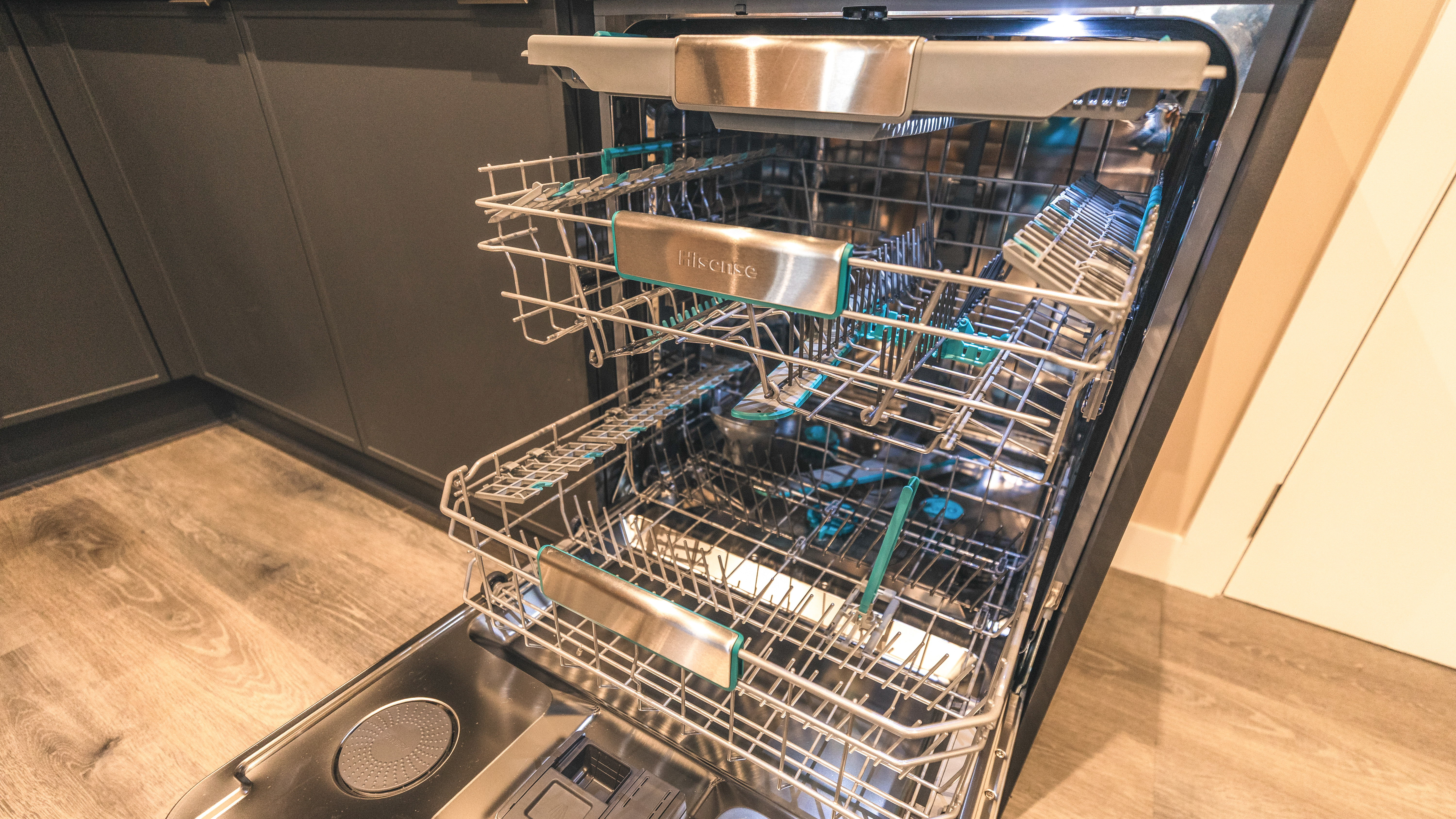
Hisense's A-rated dishwasher fits a massive 16 place settings (about 170 items), meaning fewer cycles and lower bills. It even includes a dedicated water bottle holder — a small but genius fix for anyone who struggles to clean gym bottles, and definitely an increasing trend in dishwasher features.
Laundry
In the laundry room, I looked at the 5i Autodose Washer Dryer. As someone currently looking to consolidate two machines into a 2-in-1, the Autodose feature stood out; it dispenses the exact amount of detergent needed based on weight, preventing waste.
Consumer purchasing behavior
Glynn has noticed that consumers are doing a lot more “due diligence” before making a purchase and are confused about energy ratings.
He admits there is still a “green gap” for consumers to bridge, adding, “How much energy can you actually save, and how much do you have to pay out for the privilege [of a higher rating]?”
Final thoughts
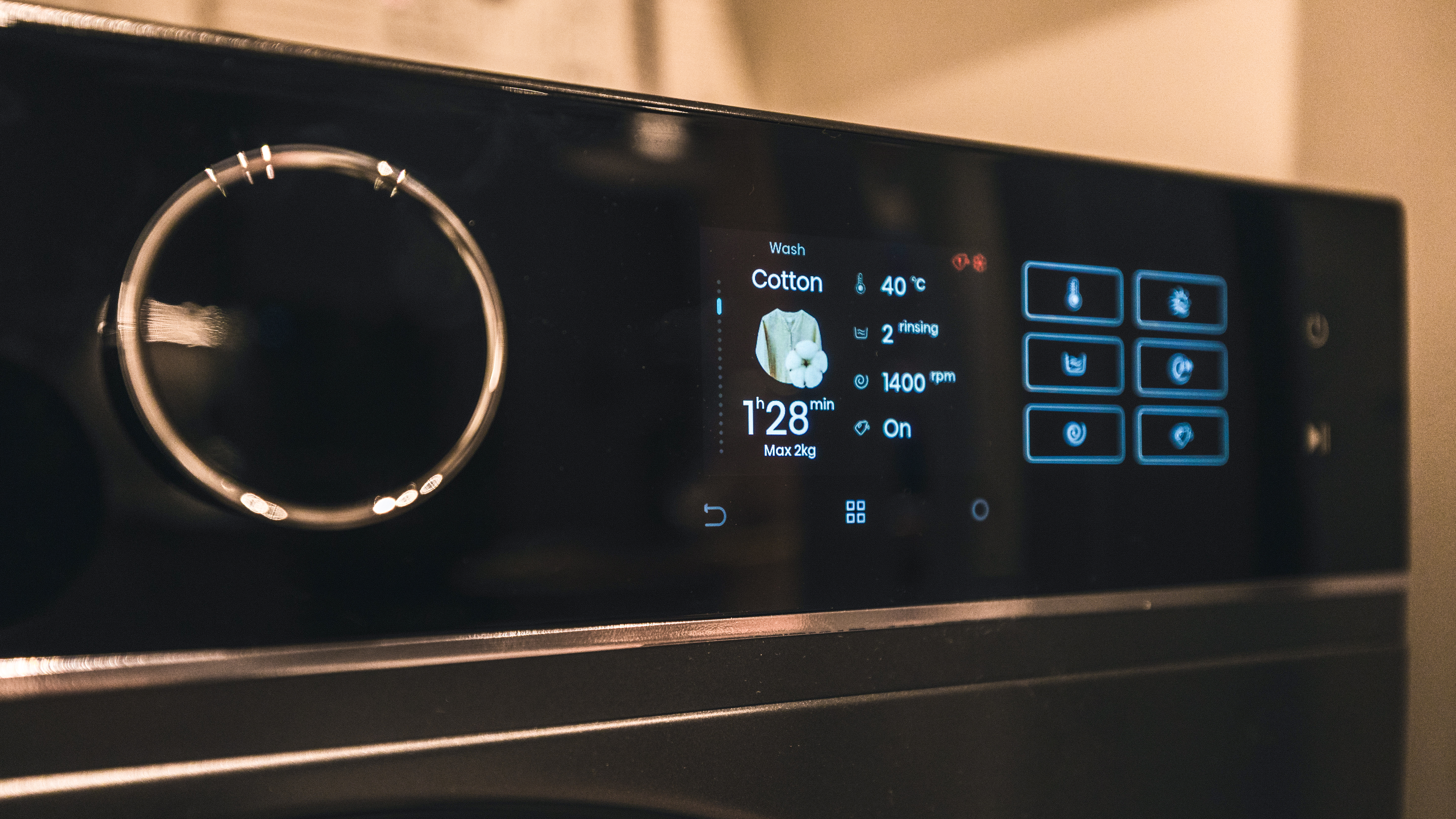
Apart from introducing more premium touchpoints to its appliances and Wi-Fi connectivity via its ConnectLife app, Hisense also introduced me to its KitchenFit range.
The appliances are designed to sit flush with countertops without the annoyance of a washing machine door jutting out or a handle getting in the way. The range also eliminates the cost of integrated cabinetry, achieving a sleek kitchen look.
Hisense is addressing consumer needs and incorporating premium flourishes into its appliances, whilst keeping its prices on par with — or lower than — rival brands. That could be through energy-saving measures or extra features, such as air-fry and steam functions in ovens.
It's a trend we've seen in other areas from Chinese brands — like BYD pushing premium features into lower-cost cars or Oppo doing the same with phones.
Hisense has become a staple of the TV market and is gaining ground alongside Sony or LG. I could see these appliances doing much the same thing for established and premium home appliance brands like Bosch or Smeg.
For those of us who want the smart home look without suffering the luxury price tag, Hisense seems poised to not just offer one of the best TVs, but move into the rest of the house, too.