Homemade pregnancy tests are still very much present for many women, often due to cultural beliefs, accessibility issues, and a lack of awareness about medical alternatives. But do these DIY methods actually work? Here is all you need to know about homemade pregnancy tests.
Why are homemade pregnancy tests still prevalent in Indian households?
Before the invention of at-home pregnancy test kits, several DIY methods were used to detect pregnancy. In India, the persistence of homemade pregnancy tests can be attributed to various factors. Misinformation, stigma surrounding reproductive health, limited access to accurate information, and privacy concerns all contribute to the continued use of these methods. Cultural beliefs also play a significant role, with many women opting for homemade tests based on anecdotal evidence rather than seeking medical guidance. Limited access to healthcare facilities, especially in remote areas, further increases the challenges.

What do the doctors check for during pregnancy testing?
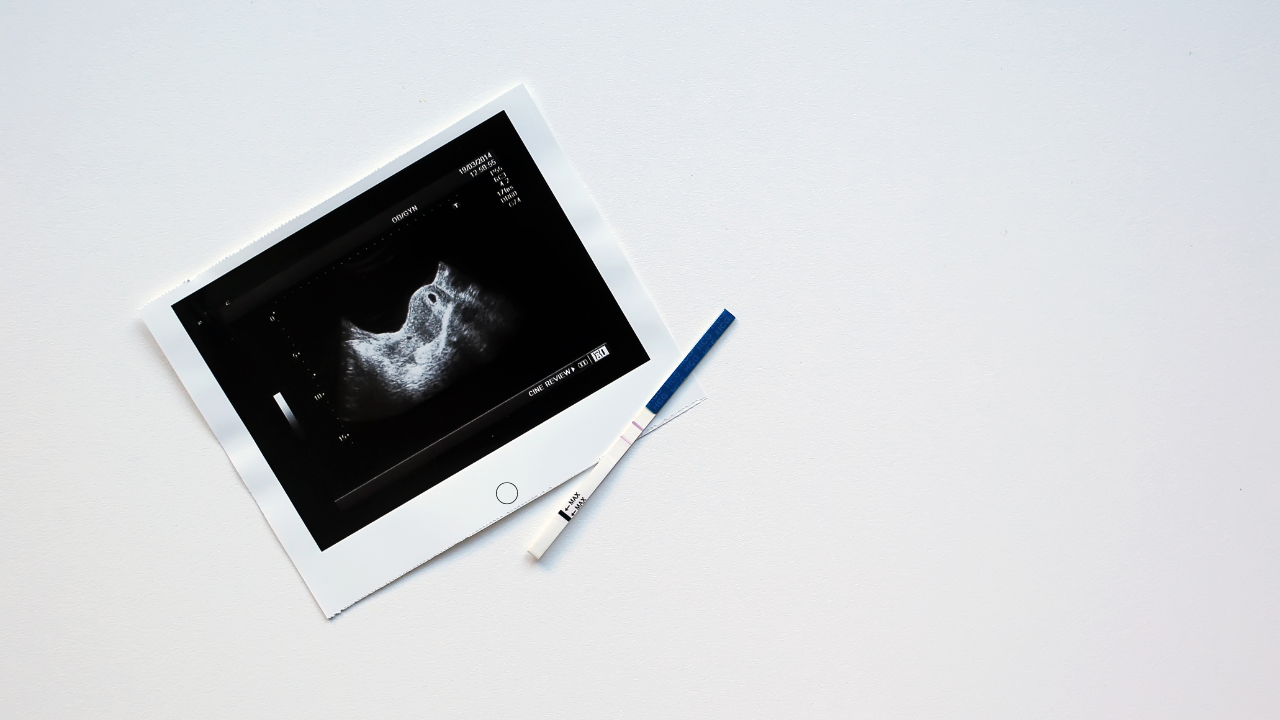
Doctors use various methods to confirm pregnancy and assess maternal and fetal health. These methods include measuring beta-hCG levels in urine or blood, conducting ultrasound scans, physical examinations, and gathering medical history. Seeking medical advice for confirming pregnancy is always advisable.
Types of homemade pregnancy tests
Pregnancy tests check for human chorionic gonadotropin (hCG) in blood or urine. While homemade tests claim to work through chemical reactions between hCG and common household items, they lack scientific basis. Some popular homemade pregnancy test types include:
Keep in mind that none of these tests are backed by any scientific evidence. No research proves that these tests work in order to determine if a woman is pregnant or not.
Shampoo: Mix urine with shampoo and water. If it froths and foams, it’s considered a positive result. Sugar: Mix urine with sugar. If it forms clumps, it’s considered a positive result. Again, there is no scientific basis for this method.Toothpaste: Mix urine with white toothpaste. If the toothpaste turns blue, it’s considered a positive result. However, toothpaste comes in various colours.Bleach: Mix urine with bleach. If it foams and fizzes, it’s considered a positive result. Soap: Mix urine with soap. If it froths or foams, it’s considered a positive result. Vinegar: Mix urine with white vinegar. A change in color is considered a positive result.
What does the research say?
Homemade pregnancy tests have no scientific basis and rely solely on anecdotal evidence. There is no research to suggest that these methods are accurate for detecting pregnancy. Urine from nonpregnant individuals can produce false positive results.
Tried and true pregnancy tests with proven accuracy
Accurate pregnancy tests, such as those available at medical stores or conducted at a doctor’s office, are recommended over homemade tests. These tests, which check for hCG levels in urine or blood, are about 99 percent accurate when used correctly.