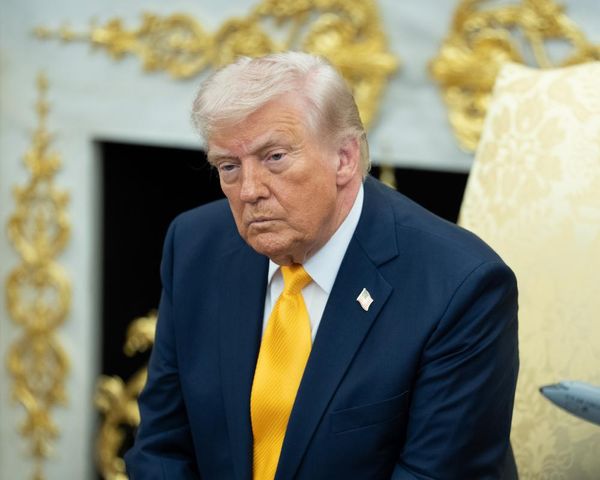

Trying to follow the protests with policy, Gov. J.B. Pritzker on Tuesday proposed ending cash bail, licensing police officers and updating sentencing laws as part of his seven-step plan to “reform and modernize the state’s criminal justice system.”
The Democratic governor’s “seven guiding principles” also include prohibiting no-knock warrants, shortening prison sentences through increased credit for time served and rehabilitation opportunities and only detaining defendants who are a threat to public safety, a “key element” in creating a state that “works for everyone.”
“At the state level alone, we spend billions of dollars a year keeping too many people in an overcrowded prison system that has proven itself too expensive, too punitive and wholly ineffective at keeping Illinois families safe,” Pritzker said in a statement. “As we move forward with the General Assembly to pass comprehensive criminal justice reform, it is my hope that the nation will look to Illinois as a leader in true equity and justice for generations to come.”
The proposed principles build on an agenda outlined by Pritzker and Lt. Gov. Juliana Stratton earlier this year under the administration’s Justice, Equity, and Opportunity initiative, which looks at criminal sentencing, education, poverty and the link among the three.
Stratton said the proposed principles will “guide us on a path of repairing the historic harm caused by our justice system, especially in Black and Brown communities.”
Mayor Lori Lightfoot said in a statement Pritzker’s principles build on the city’s own “first-ever comprehensive violence reduction plan,” which was released last week.
“We are proud to collaborate with not only our State partners but also community members, philanthropy organizations and faith leaders to address the long history of racial injustices that have been woven into our nation’s criminal justice system for far too long,” Lightfoot said.
/cdn.vox-cdn.com/uploads/chorus_asset/file/21941647/GOVLIGHTFOOT_081120_10.jpg)
The first-term governor plans to work with the Illinois Legislative Black Caucus “to further build out a criminal justice reform agendas” as well as agendas on the caucus’ other focal points, which include education, workforce development, and health care and human services.
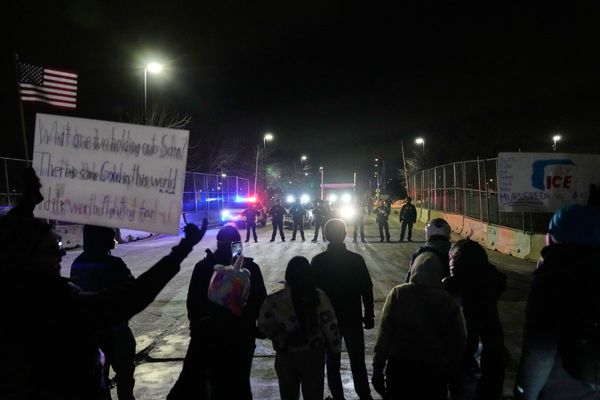
Khadine Bennett, director of advocacy and intergovernmental affairs for the American Civil Liberties Union’s Chicago arm, called the principles a “welcome contribution to a discussion that brought thousands of Illinoisans out into the streets this summer to demand change.
/cdn.vox-cdn.com/uploads/chorus_asset/file/21941666/JUNETEENTH_062020_14.jpg)
“This process must result in a policing system in our state that reduces unnecessary interactions between police and residents and eliminates the corrosive racial bias that has cause so much harm,” Bennett’s statement reads.
Cook County Board President Toni Preckwinkle said in a series of tweets she looks forward to working with Pritzker and Stratton “as we all attempt to address past harms and chart a path forward.”
“We must reimagine our criminal justice system if we are to see the collective healing we all desire in our communities,” Preckwinkle tweeted.
In June, Pritzker declared Cook, DuPage, Kane, Kendall, Will and four downstate counties disaster areas, allowing him to mobilize Illinois National Guard troops and other state resources to areas hit hard by looting and civil unrest.
The looting followed hundreds of peaceful protests after a white Minneapolis police officer killed George Floyd, an unarmed black man.
Since Floyd’s death, there has been renewed interest and dialogue surrounding policing, with some calling for municipalities to defund — or reroute money from — policing.