
Making video games can seem like magic from the outside looking in. It turns out that developers really do sometimes have to pull off some nearly mystical stuff to make many elements of your games work.
Everything in WoW works because of tiny bunny NPC operators
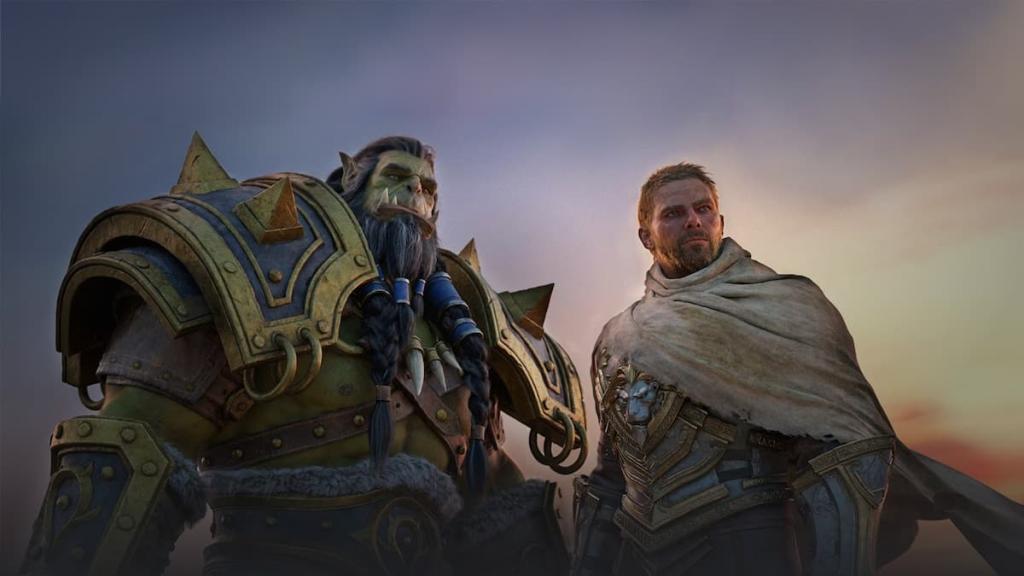
It turns out that programming objects is complicated. The solution? Well, why not just fit a very tiny bunny NPC inside everything that players can destroy? Now, instead of programming the new model to cast spells anew, they sneak a small asset inside it that already knows the drill. The downside? Whenever you obliterate an enemy turret, you're also frying the innocent bunny that Blizzard forced to work inside.
The piece that explained the secret behind every WoW contraption made me chuckle and go "well, the people at Blizzard are messed up" way back in 2017. Welp, little did I know.
The dogs in Fable 2 are made more realistic via bad code

At some point during the development of Fable 2, the developers found the dog companion acting up by not being able to turn on the spot, or getting stuck in a loop where he got stuck running in circles after himself. That's a big problem, as the dog was one of the main new selling points of Fable's successor. That's actually something dogs are known to do! So, to fix the issue, the devs simply did nothing, and the dog was all the more realistic for it. As the dev who told this story says, not even one playtester found anything strange about it.
Reflections are sometimes entirely new realities made just so your fake reality looks more real

Ever looked in the mirror and wondered if you were looking not at a reflection, but at a whole parallel reality made solely to help you see what you look like? Or, worse, if your own reality is the fake one, and you're forever bound to the whims of your doppelganger? Well, that's true in some games!
Turns out real-time reflections are a big deal to make, and back in the day, developers had to make full use of their ingenuity to make it happen. For the puddle reflections on the legendary Conker’s Bad Fur Day, the devs created an upside-down parallel world right under the character’s feet, and they did that just so the puddles would have cool reflections. Those aren’t puddles; those are actually windows to another dimension that exists solely to add a bit of realism to a game about a cartoonish squirrel.
Don't take pausing for granted
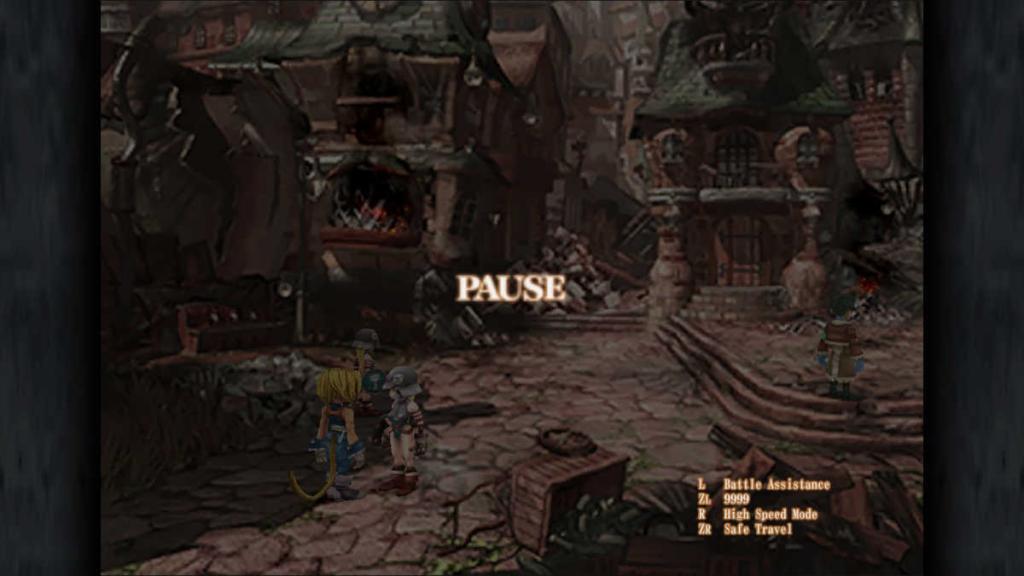
If you're not a Souls-only player, chances are you love knowing you can pause your game. Good, because, as Kotaku found out, many games have to pull all sorts of tricks to allow for such a supposedly simple feature.
In some games, pausing merely slows them down to 0.000000001 times the normal speed. In Waves of Steel, for example, wait for three years while on pause, and an actual second will go by! Some games just show you a screenshot of the game at the time of the pause, sending the character to rest in an empty room with everything deactivated so that nothing goes wrong.
To make it more complicated, developers explain that there are different kinds of pauses, meaning that the pause from pressing start isn't the same as, for example, the one we used to get from disconnecting a controller, so try to wrap your mind around that.
Morrowind for the original Xbox was a masterful showcase of smoke and mirrors
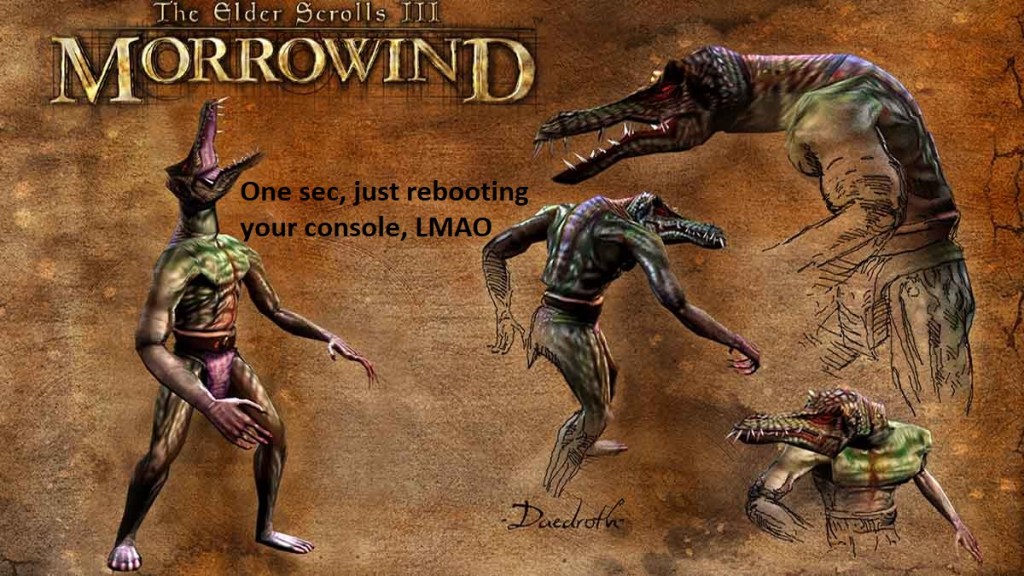
The first time I saw the previews for The Elder Scrolls 3: Morrowind, I was sure it wouldn't run on my middle-of-the-road PC of that time. Then, a few years later, it was announced for the Xbox, and I laughed my ass off, fully aware that there was no way the little old Xbox would be able to even load that massive world. I was completely wrong, as you probably know, but also right, as it turns out.
Even as a kid who didn't know much about what RAM even was, I knew that it was a crushingly massive experience intended for the PC. The original Xbox didn’t have enough RAM to run Morrowind as you’d usually expect, so the devs had the game reboot the console without you noticing, slyly showing players a completely normal loading screen to conceal the evidence. How's that for a massive trick?
The post From rabbit slaves to entirely new dimensions created, here are 5 black magic tricks game devs used to make your favorite games appeared first on Destructoid.