Get all your news in one place.
100's of premium titles.
One app.
Start reading
Reuters
Reuters
Entertainment
Hereward Holland

From poo to food: Kenyan toilet waste key for new animal feed

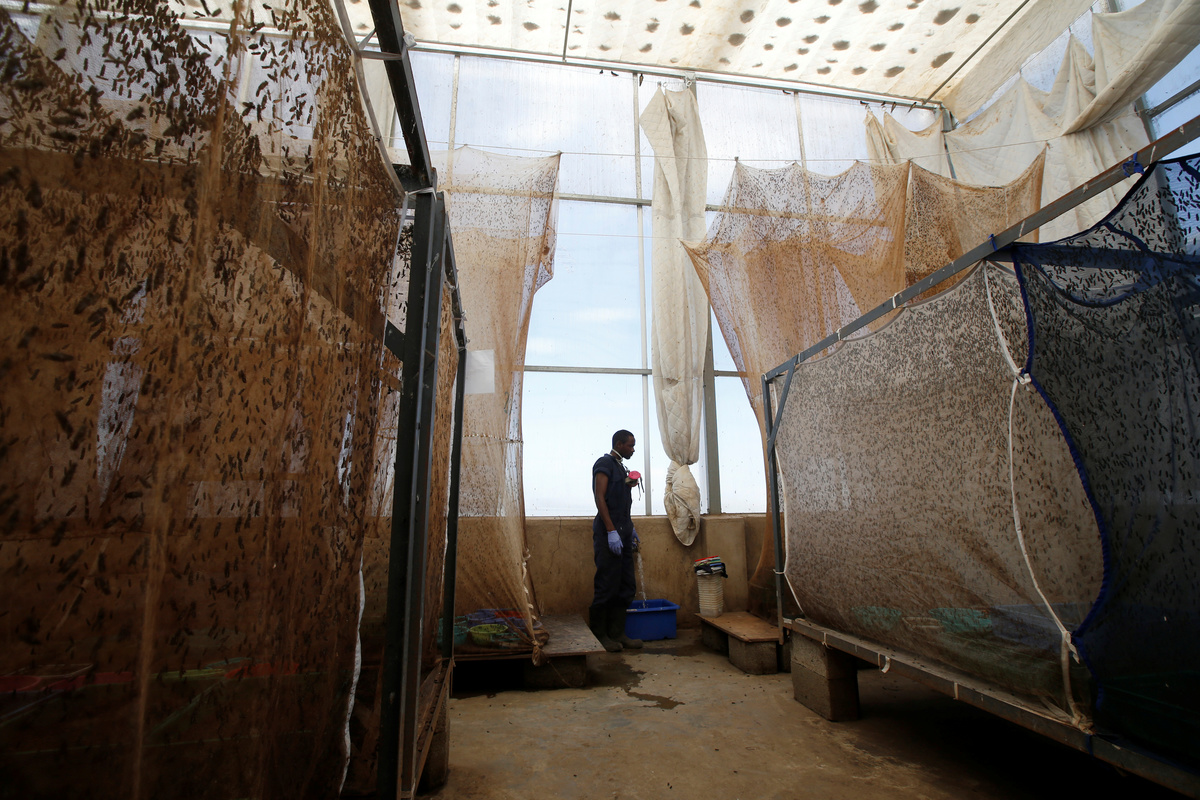
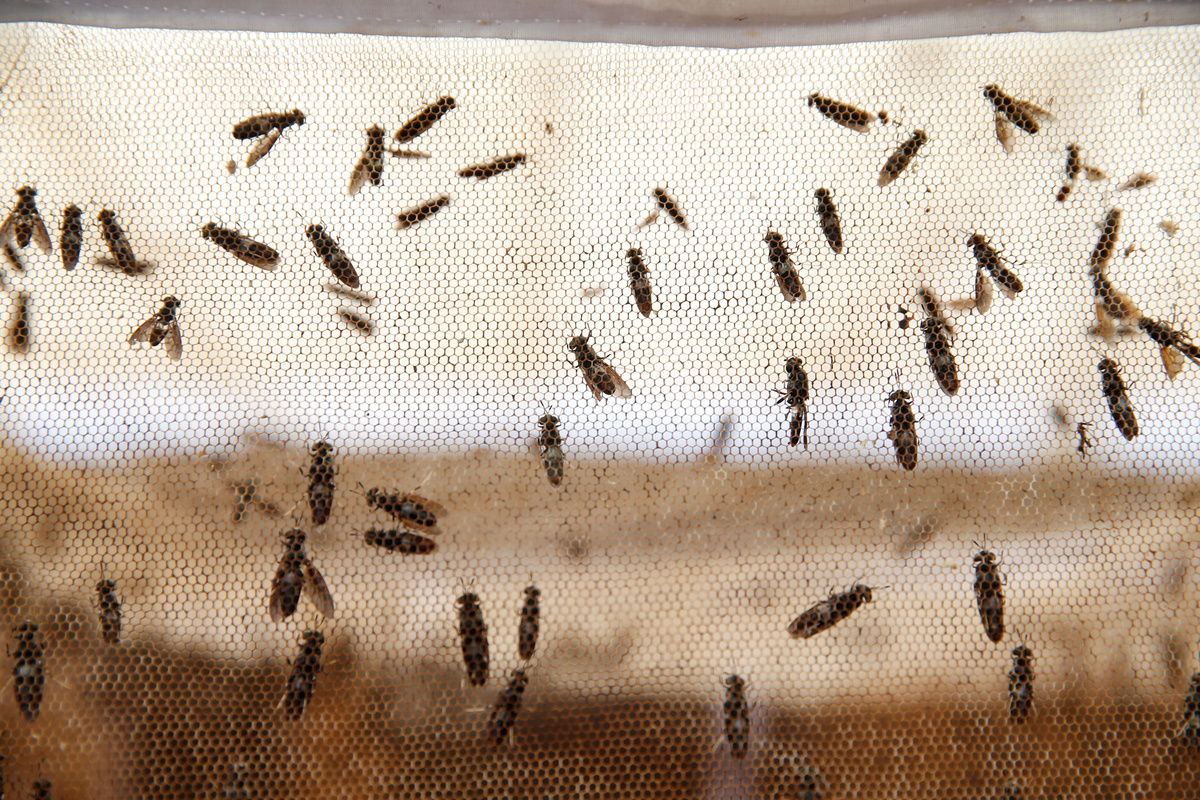
FILE PHOTO: Black soldier flies are seen breeding inside netted enclosures at the Sanergy organics recycling facility near Nairobi, Kenya, March 10, 2019. Picture taken March 10, 2019. REUTERS/Baz Ratner

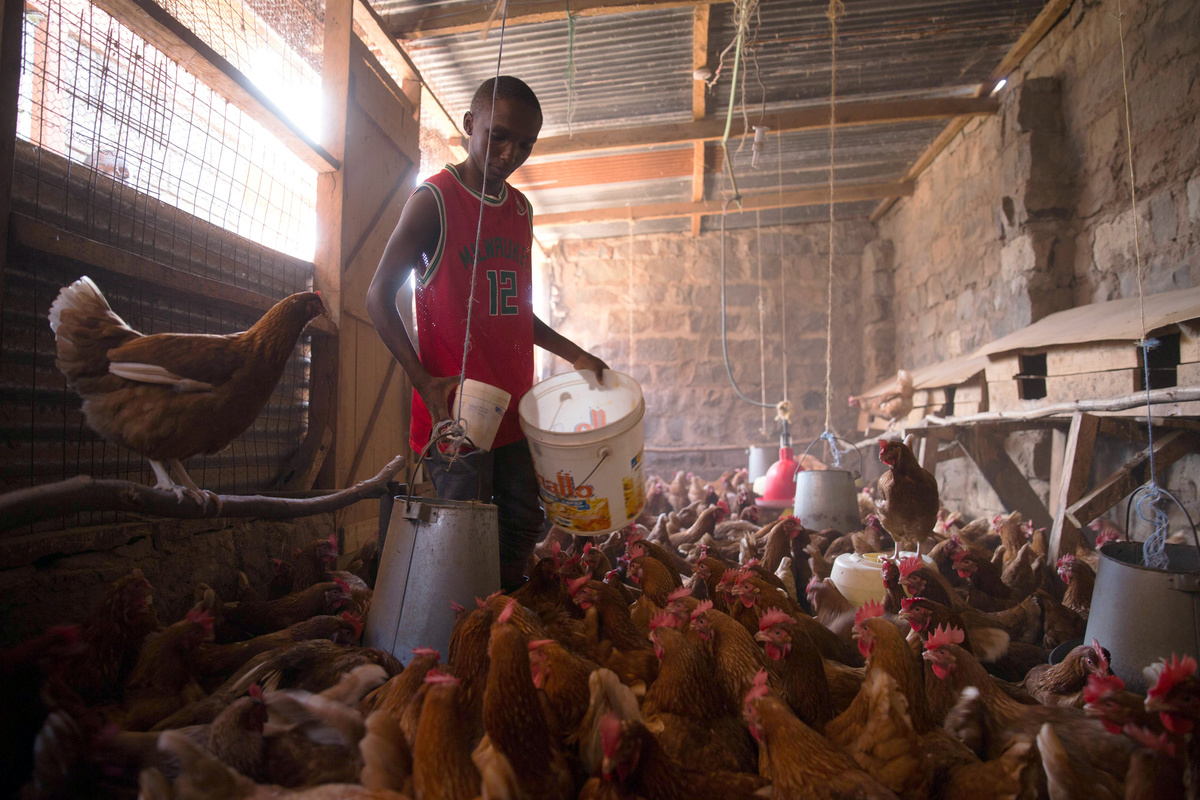
NAIROBI (Reuters) - Kenyan farmer Victor Kyalo's chickens have doubled the number of eggs they are laying. The reason: Human excrement.

He is feeding them food from a Nairobi-based organics recycling company. Sanergy harvests waste from toilets it operates in a franchise network in Nairobi's sprawling slums and feeds it to fly larvae, which become high-quality animal feed.
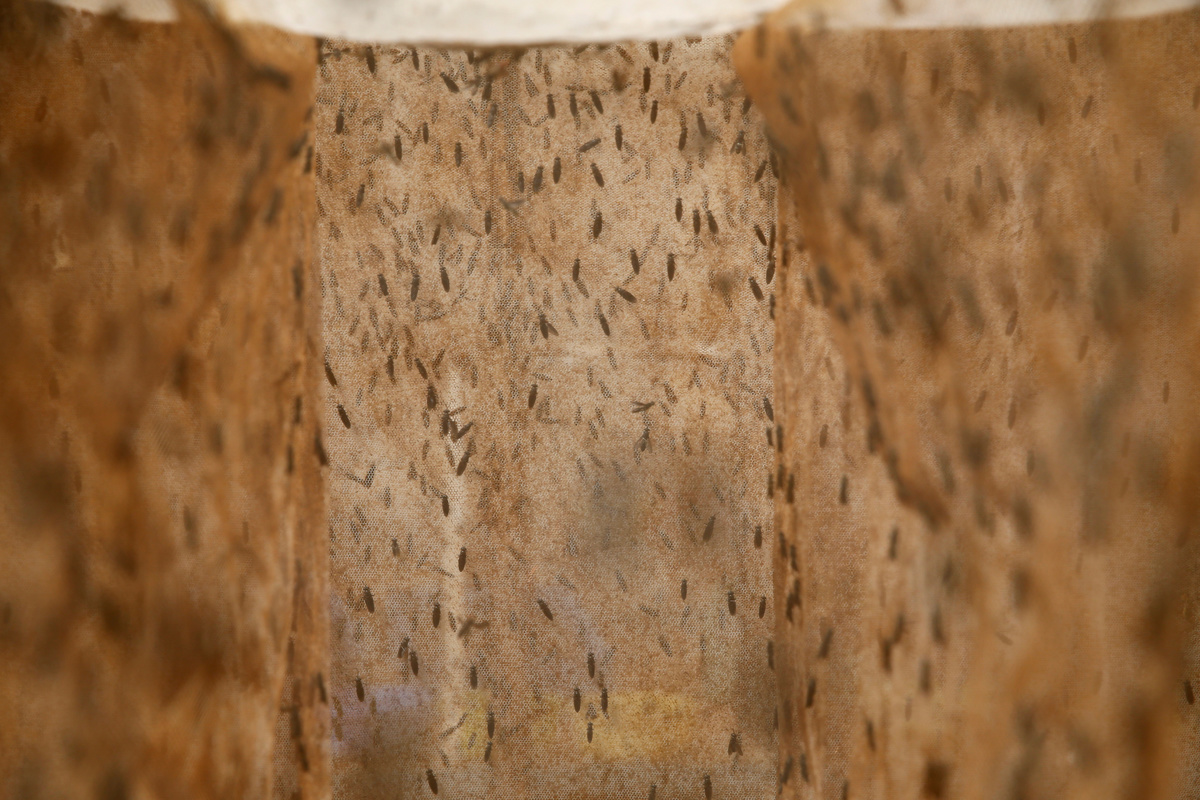
FILE PHOTO: Black soldier flies are seen breeding inside netted enclosures at the Sanergy organics recycling facility near Nairobi, Kenya, March 10, 2019. Picture taken March 10, 2019. REUTERS/Baz Ratner

Kyalo says his customers have noticed the difference in the past three weeks: yellower yolks and larger eggs.

"Before we were getting like five trays (of eggs) per day, but now we are getting 10," Kyalo said. "It’s kind of perfect for me."

As the world looks to feed 10 billion mouths by 2050, businesses harvesting insects -- either for human consumption or as animal feed -- are growing. They promote themselves as a greener alternative to traditional feed such as soybeans, whose cultivation can lead to deforestation and the overuse of farm chemicals.
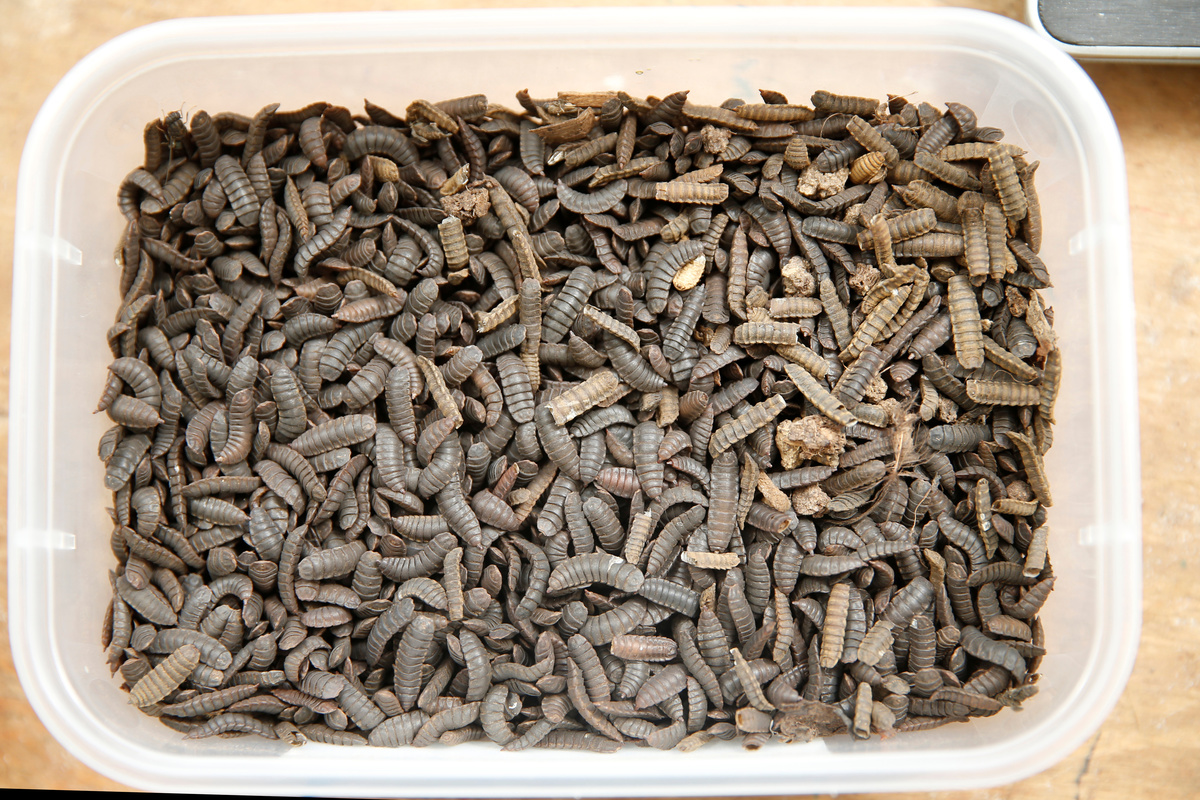
FILE PHOTO: A box containing black soldier fly larvae is seen at the Sanergy organics recycling facility near Nairobi, Kenya, March 10, 2019. Picture taken March 10, 2019. REUTERS/Baz Ratner

Fast food giant McDonald’s and U.S. agricultural powerhouse Cargill Inc are among many large companies studying using insects for chicken feed to reduce reliance on soy protein in the $400 billion-a-year animal feed business.

By 2023 the global edible insect market could triple to $1.2 billion from current levels, market research firm Meticulous Research said last year.

In developing countries like Kenya, where the World Bank says nearly two-thirds of urbanites live in slums, feeding waste to fly larvae could solve both sanitation and nutrition problems.
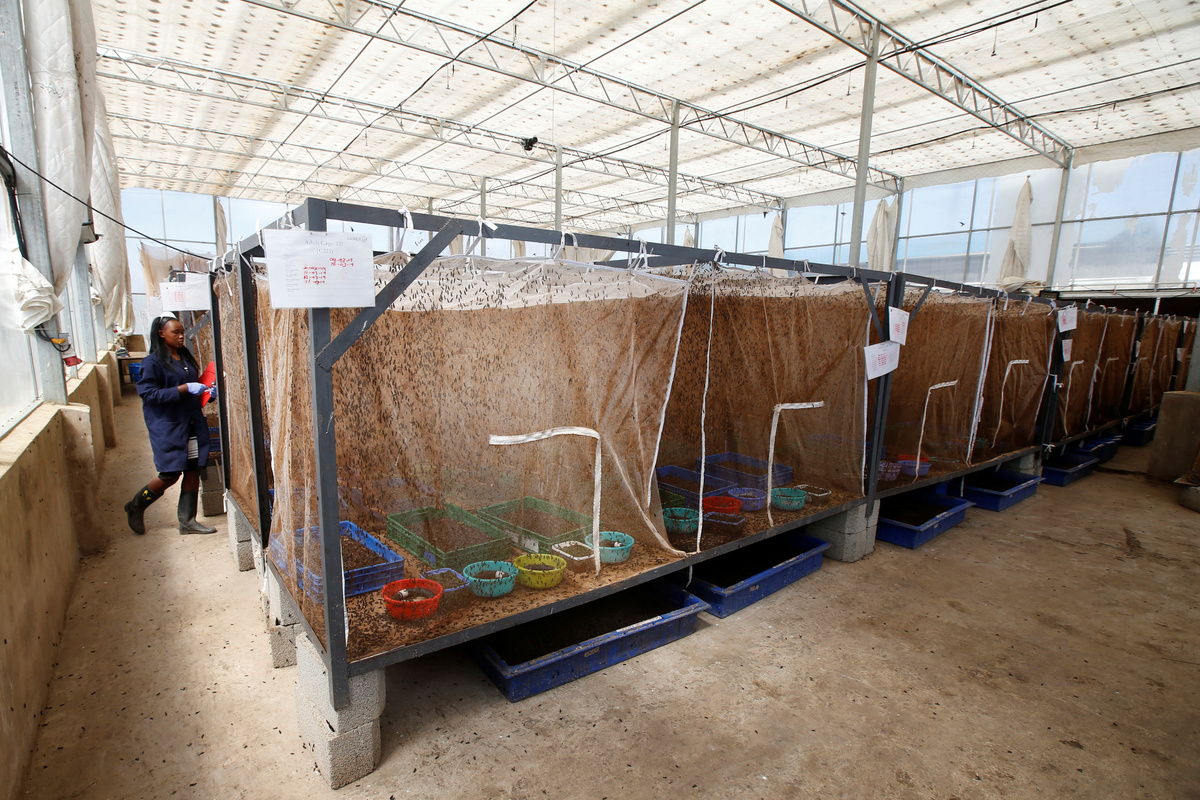
FILE PHOTO: An employee stands next to netted enclosures where black soldier flies are breeding at the Sanergy organics recycling facility near Nairobi, Kenya, March 10, 2019. Picture taken March 10, 2019. REUTERS/Baz Ratner

Faeces from more than two-thirds of Nairobi's inhabitants go untreated because there are not enough toilets. Many others are not cleaned out regularly, Nairobi City Water and Sewerage Company said.

During the rains, they often overflow, polluting local waterways. That can make workers ill. Days off slow Kenya's economy by around 1% annually, its Health Ministry said.
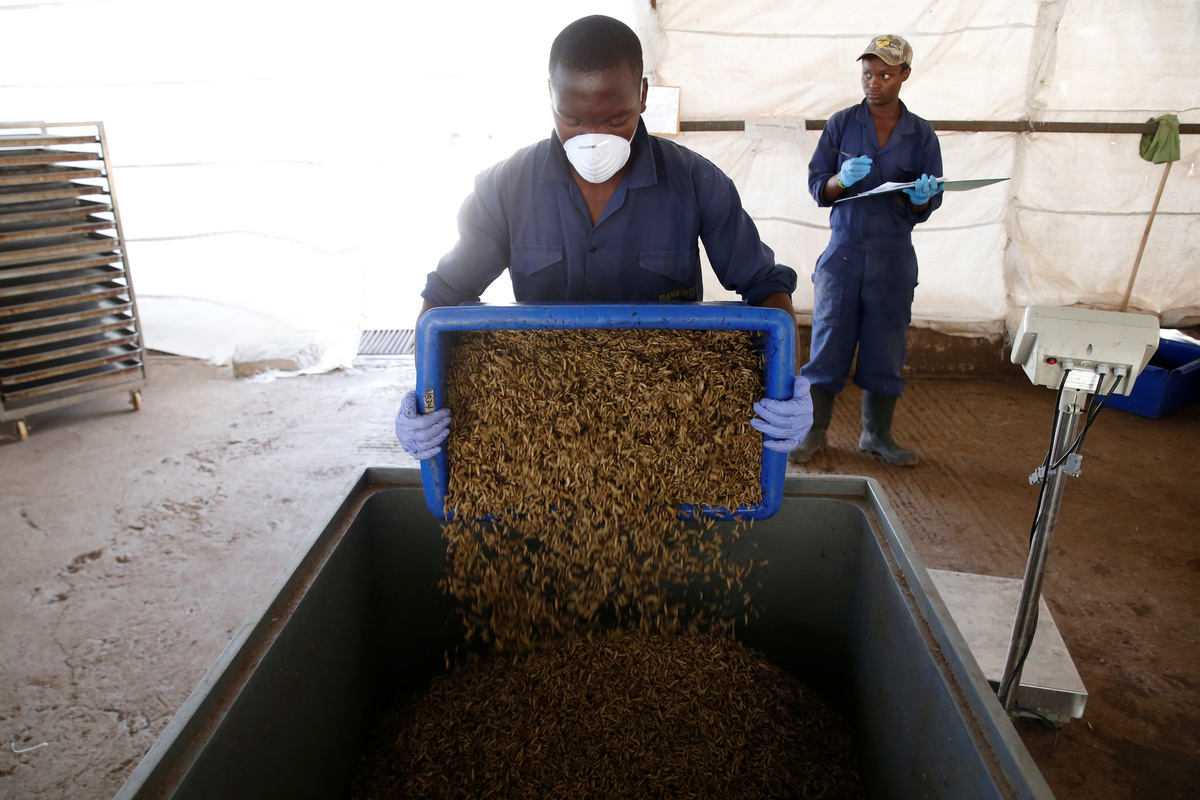
FILE PHOTO: An employee empties a container full of black soldier fly larvae before they are weighed, at the Sanergy organics recycling facility near Nairobi, Kenya, March 10, 2019. Picture taken March 10, 2019. REUTERS/Baz Ratner

FROM LOO TO FOOD

David Auerbach co-founded Sanergy eight years ago to deal with sanitation. The waste management franchise provides more than 2,500 toilets to 100,000 people daily.

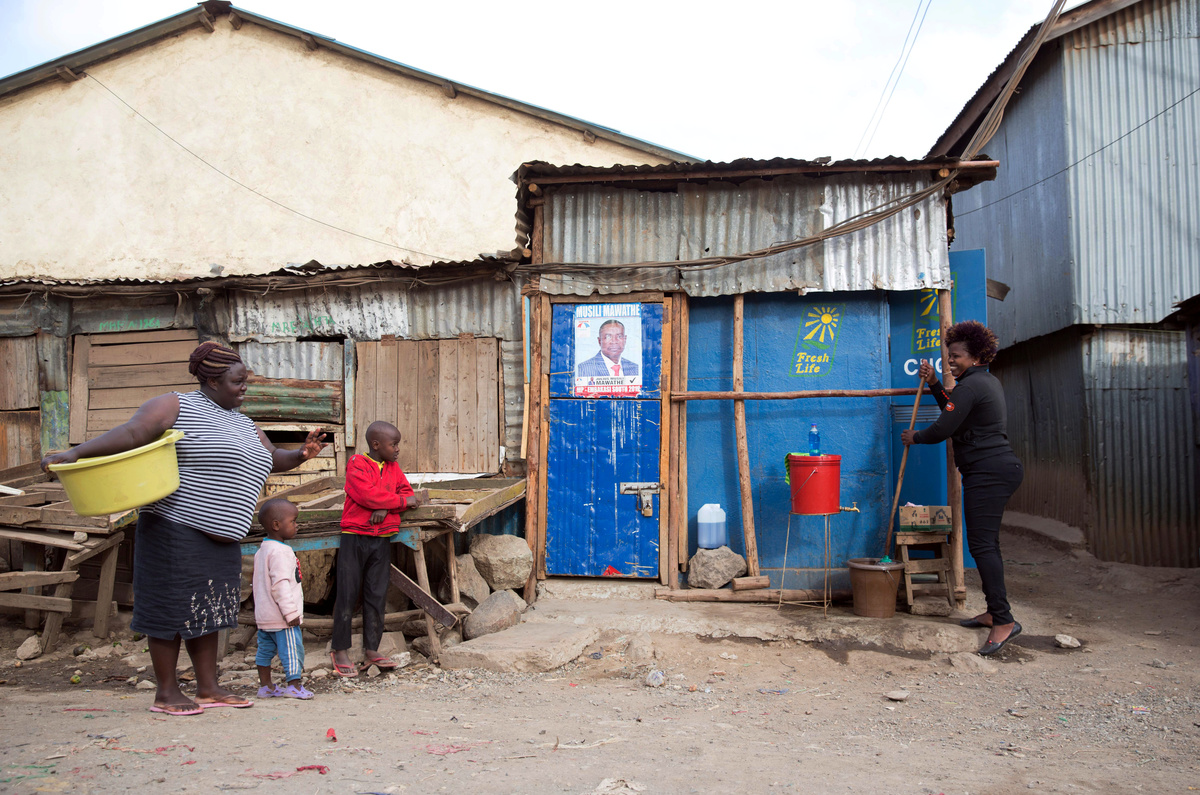
Lilian Mbusia runs one of Sanergy's franchises, charging residents of Mukuru Kwa Ruben slum in the south of the city 5 Kenyan shillings (5 U.S. cents) to use her blue "Fresh Life" toilets.
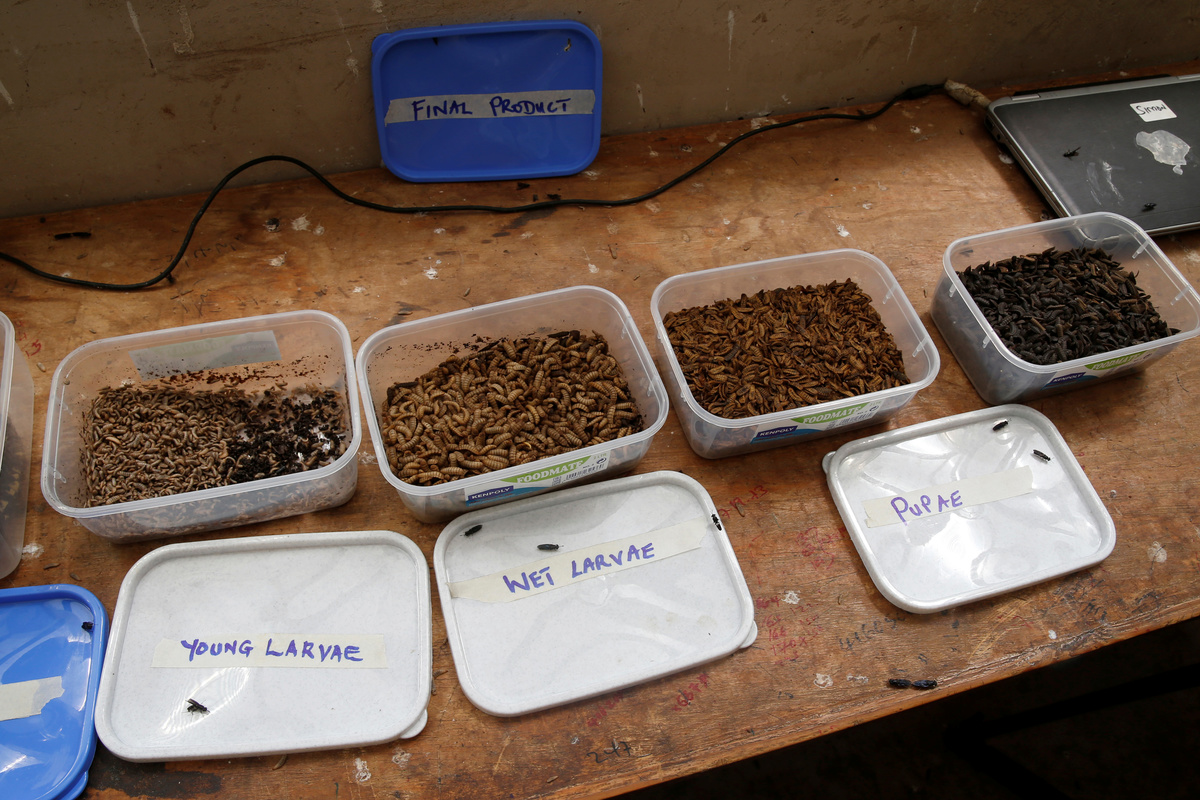
FILE PHOTO: Boxes containing different stages of black soldier fly larvae are seen at the Sanergy organics recycling facility near Nairobi, Kenya, March 10, 2019. Picture taken March 10, 2019. REUTERS/Baz Ratner

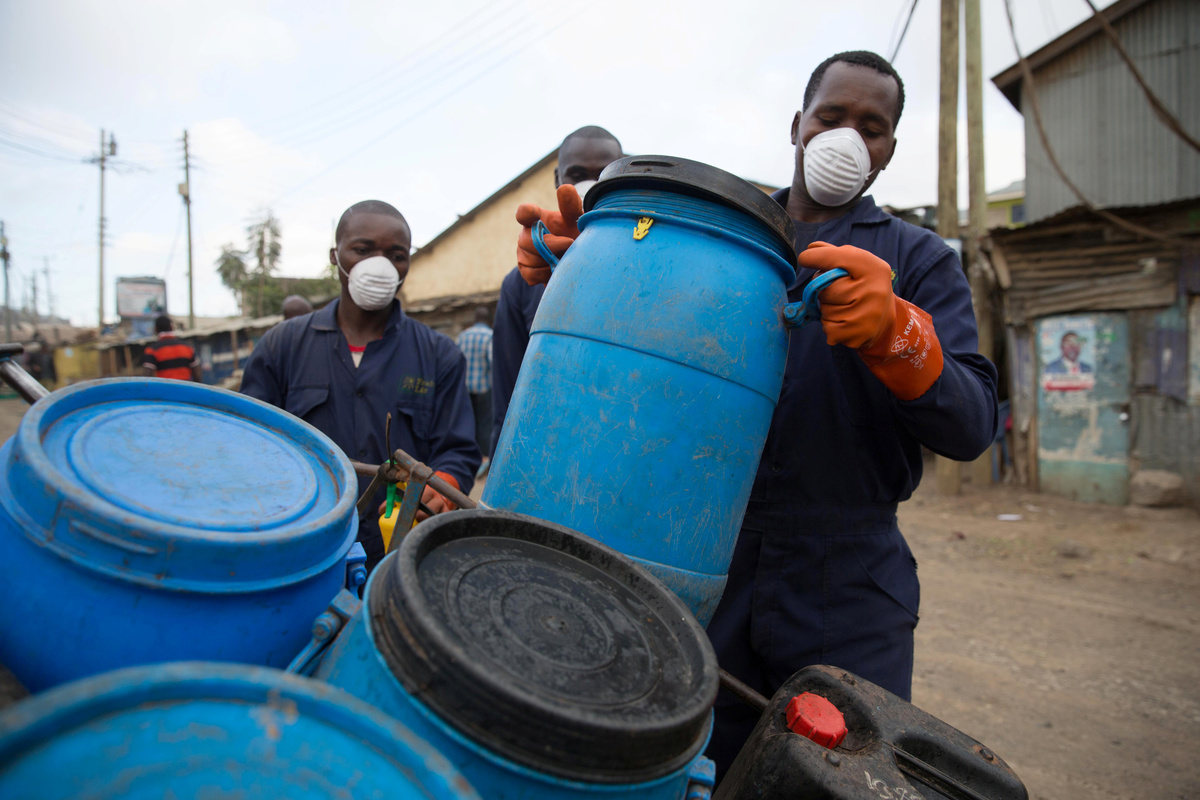
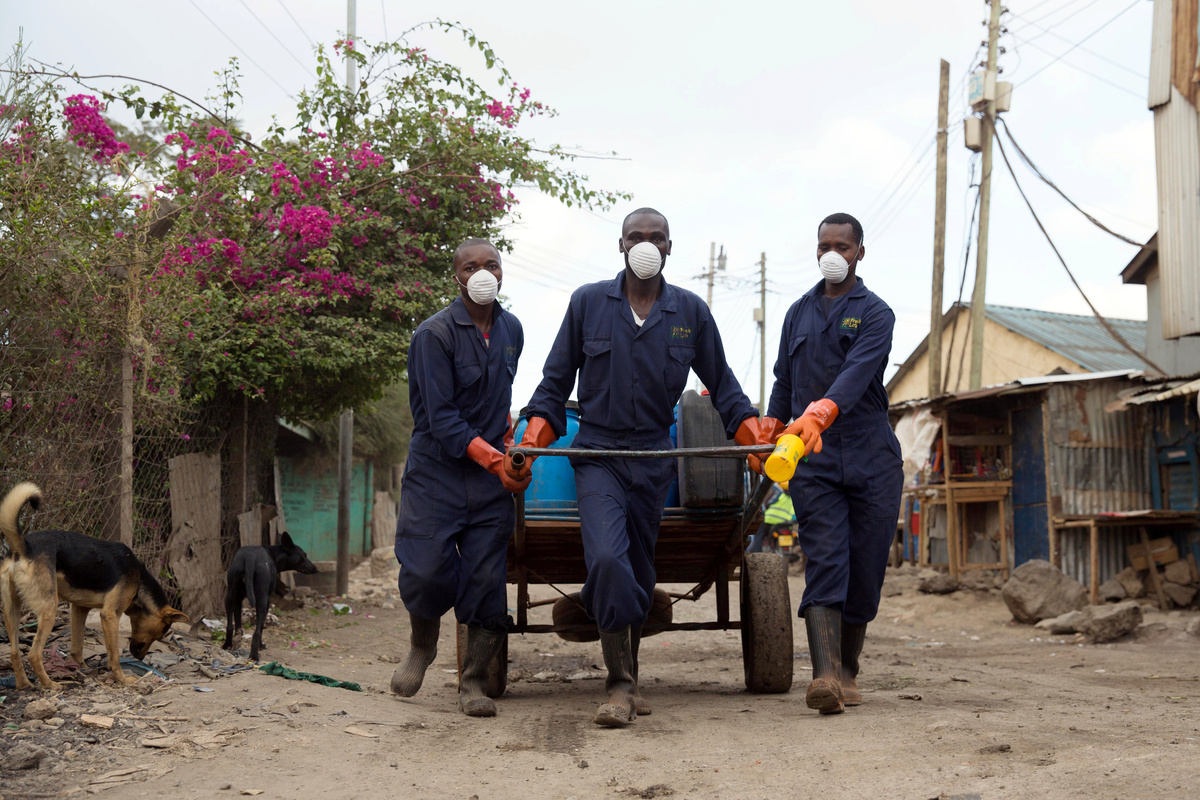
Nestled beneath her squat-toilets are small blue barrels that, once full, are sealed and taken to an organics recycling factory in Machakos County, a bumpy 40-minute drive outside the city.

Beds of writhing black soldier fly larvae feast on a mix of excrement and food waste from hotels and agri-businesses.

That produces two products for farmers: fertilizer and animal feed.
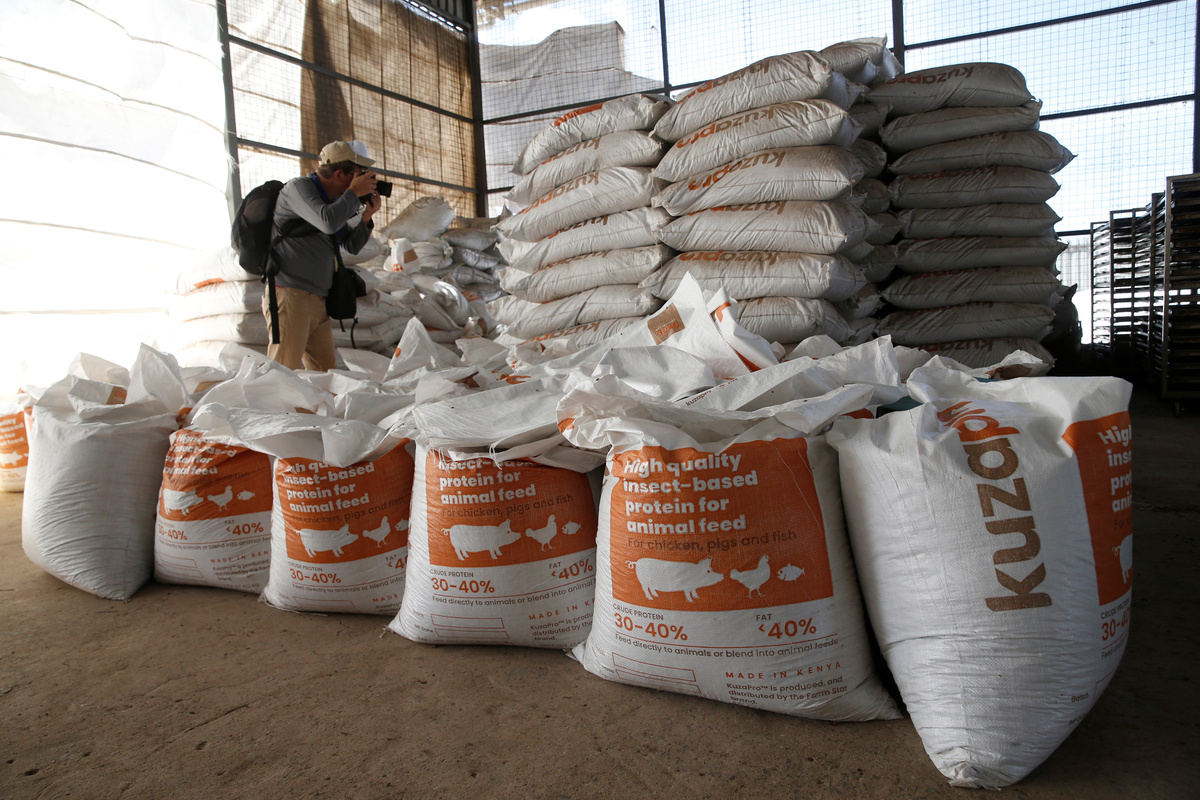
FILE PHOTO: A journalist takes pictures of sacks of animal feed made from black soldier fly larvae, at the Sanergy organics recycling facility near Nairobi, Kenya, March 10, 2019. REUTERS/Baz Ratner

In 10 days the larvae munch their way through 70% of the waste, leaving behind a manure laden with nitrogen and calcium, which becomes organic fertilizer.

Once the recycling plant is expanded later this year, Auerbach said it will provide 400 tonnes of fertilizer. Larvae production will ratchet up from 7 tonnes to 300 tonnes per month.

"Right now we are receiving equity debt, and grant investment to scale up operations," Auerbach said. "We're on track for profitability by the end of 2020."
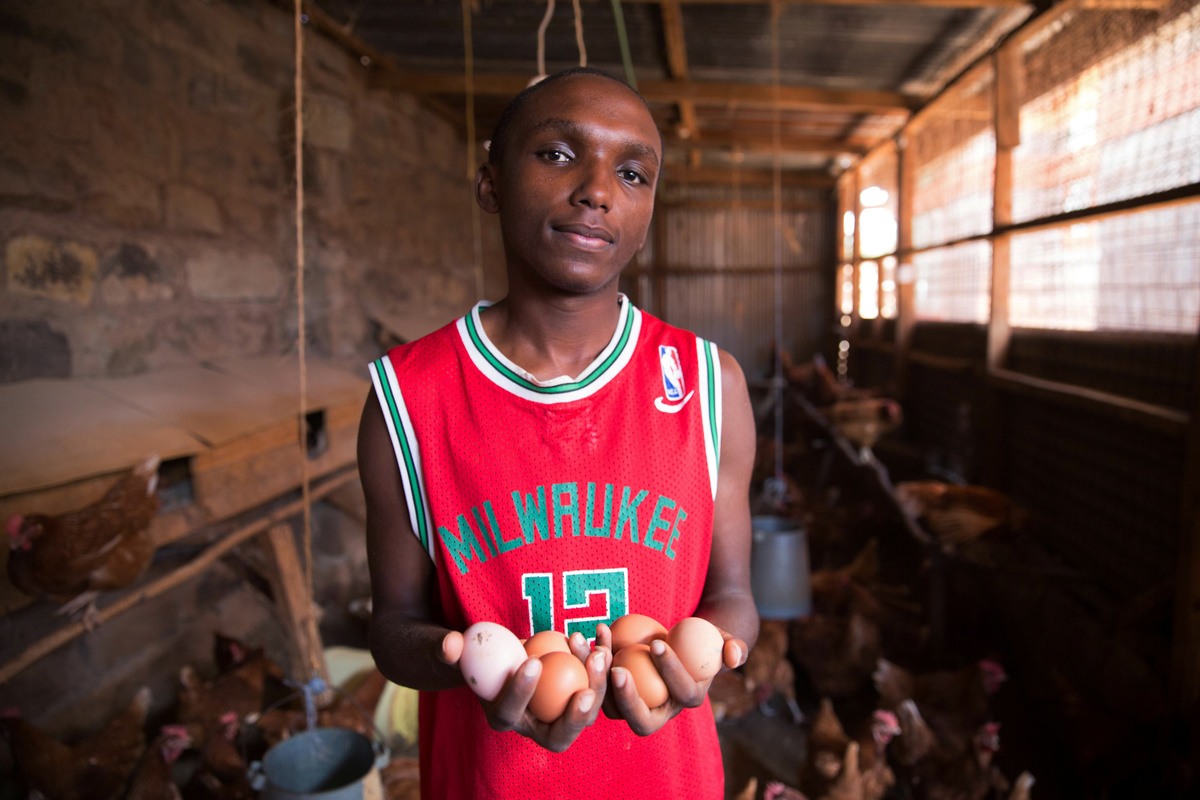
FILE PHOTO: Victor Kyalo holds half a dozen eggs at his small household farm in the outskirts of Nairobi, Kenya, April 18, 2019. REUTERS/Hereward Holland

The plump white larvae are boiled in hot water to kill off pathogens, Michael Lwoyelo, managing director of Sanergy, said.

The larvae are then sold to animal feed millers, who grind them into powder mixed with other ingredients to create a balanced diet for poultry, pigs and fish.

Frederick Wangombe, an animal nutritionist at Unifeed, a Kenyan animal feed miller that uses Sanergy's black soldier fly product, envisages it replacing fish meal from Lake Victoria, which can contain sand and other impurities, or expensive soy beans from Zambia.
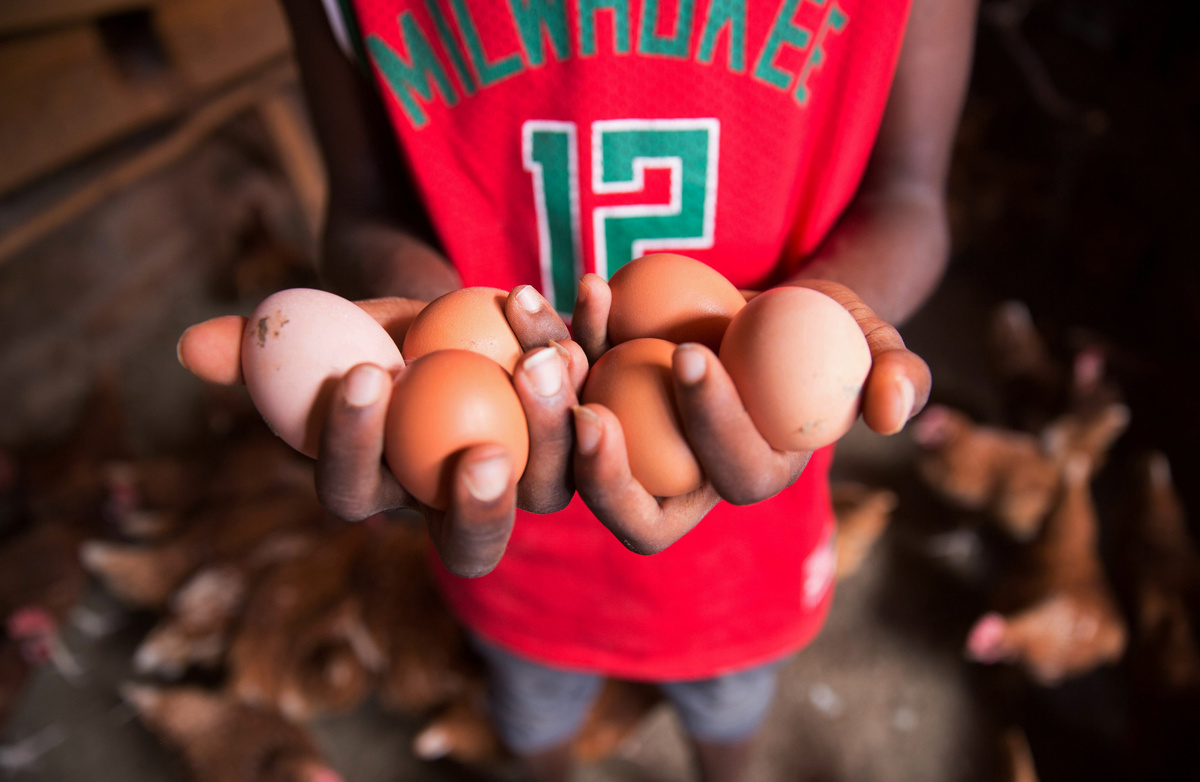
FILE PHOTO: Victor Kyalo holds half a dozen eggs at his small household farm in the outskirts of Nairobi, Kenya, April 18, 2019.REUTERS/Hereward Holland

"The egg farmer doesn't want to know what's in the feed, they want to know the performance," he said.

($1 = 101.1000 Kenyan shillings)
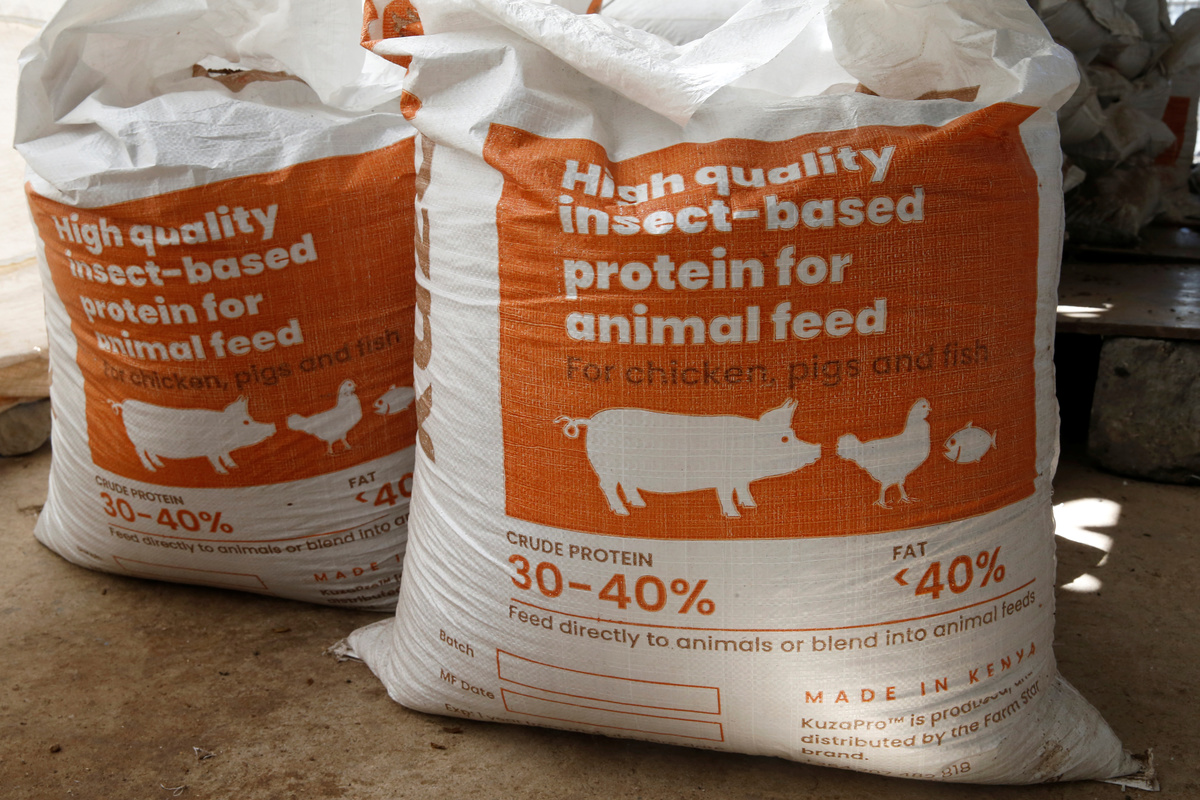
FILE PHOTO: Sacks of animal feed made from Black soldier fly larvae, are seen at the Sanergy organics recycling facility near Nairobi, Kenya, March 10, 2019.Picture taken March 10, 2019. REUTERS/Baz Ratner

(Reporting by Hereward Holland; Editing by Maggie Fick; Katharine Houreld and Alison Williams)
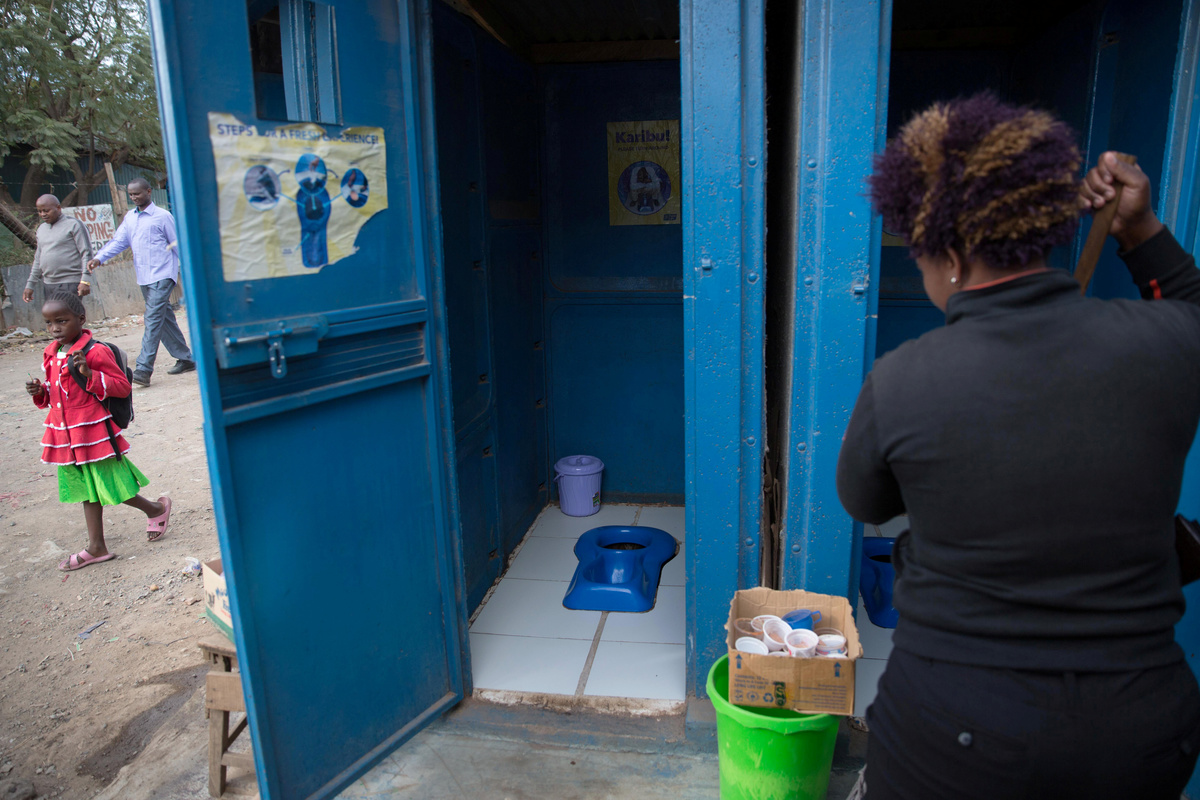
FILE PHOTO: A girl walks past as Lilian Mbusia mops the floor of a Fresh Life toilet, a franchise of toilets by Sanergy, which charges the residents of Mukura Kwa Ruben slum in Nairobi, Kenya, April 18, 2019. Picture taken April 18, 2019. REUTERS/Hereward Holland
FILE PHOTO: Victor Kyalo pours out feed for his chickens in a small household farm in the outskirts of Nairobi, Kenya, April 18, 2019. Picture taken April 18, 2019. REUTERS/Hereward Holland
FILE PHOTO: An employee stands next to netted enclosures where black soldier flies are breeding at the Sanergy organics recycling facility near Nairobi, Kenya, March 10, 2019. Picture taken March 10, 2019. REUTERS/Baz Ratner
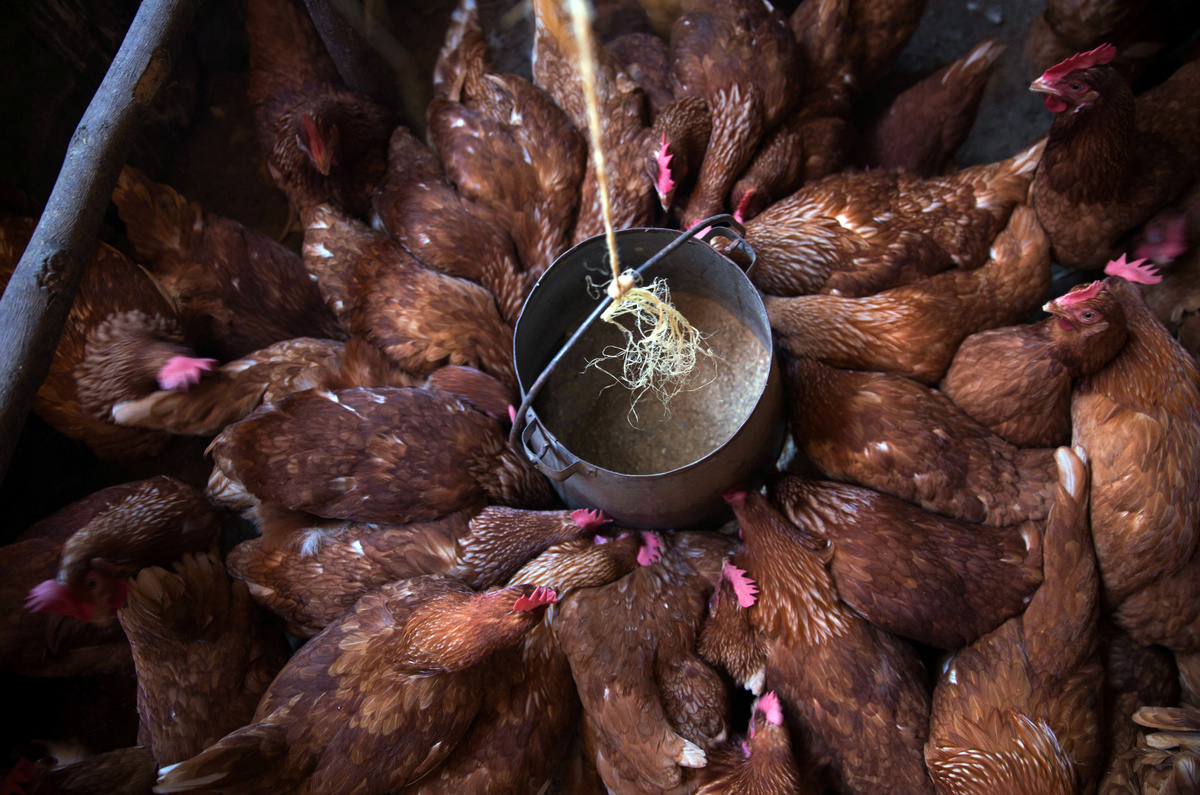
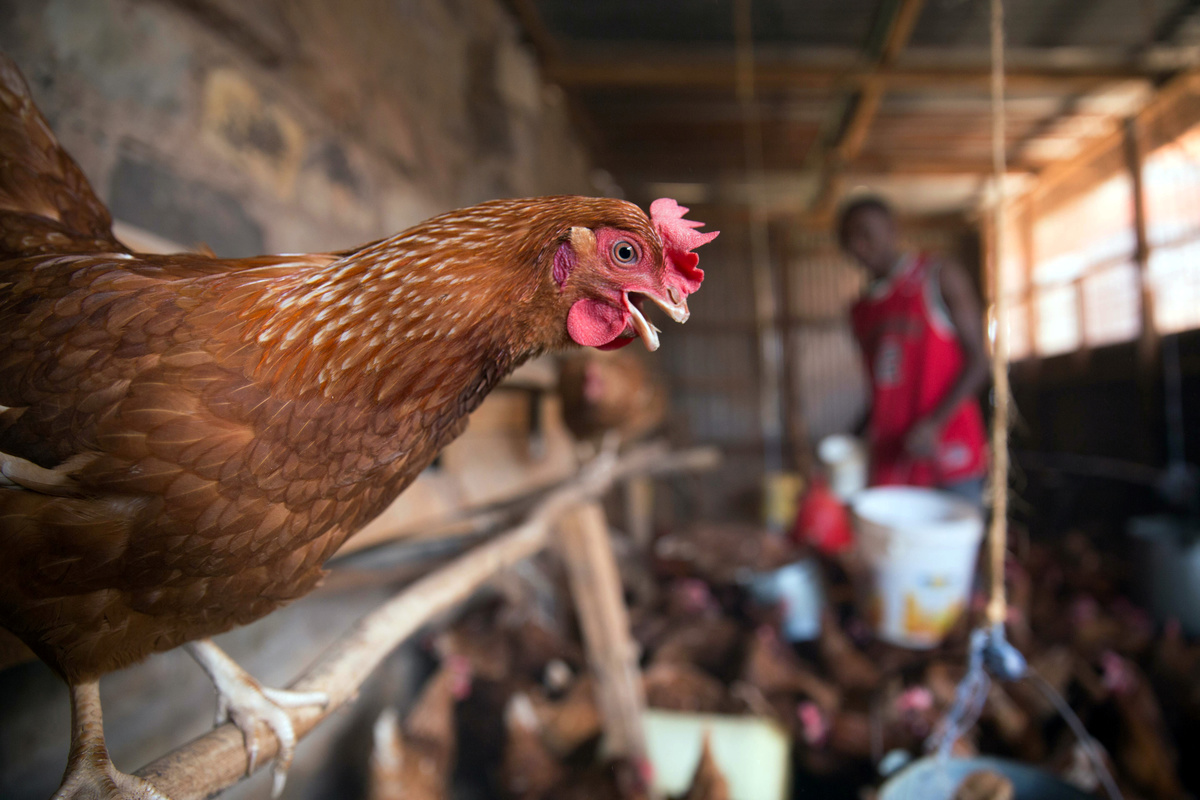
FILE PHOTO: Chickens gather to feed in a small household farm run by Victor Kyalo in the outskirts of Nairobi, Kenya, April 18, 2019. REUTERS/Hereward Holland
FILE PHOTO: Lilian Mbusia rinses her mop outside a Fresh Life toilet, a franchise of toilets by Sanergy, which charges the residents of Mukura Kwa Ruben slum in Nairobi, Kenya, April 18, 2019.REUTERS/Hereward Holland
FILE PHOTO: A team of people takes away canisters of human waste from a Sanergy Fresh Life toilet in Mukura Kwa Ruben, south of Nairobi, Kenya, April 18, 2019. REUTERS/Hereward Holland
FILE PHOTO: Victor Kyalo pours out feed for his chickens in a small household farm in the outskirts of Nairobi, Kenya, April 18, 2019. REUTERS/Hereward Holland
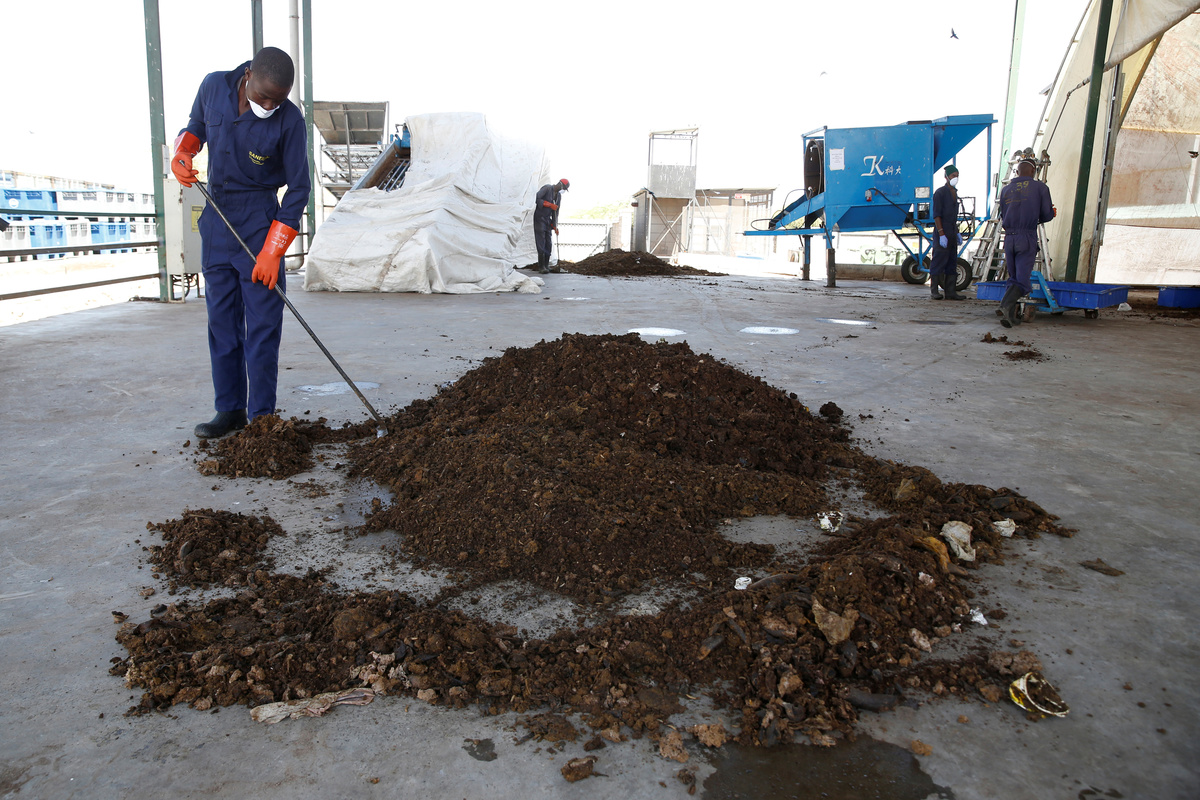
FILE PHOTO: An employee uses a shovel to separate black soldier fly larvae from organic waste at the Sanergy organics recycling facility near Nairobi, Kenya, March 10, 2019. REUTERS/Baz Ratner
Sign up to read this article
Read news from 100's of titles, curated specifically for you.
Already a member? Sign in here
Related Stories
Top stories on inkl right now
One subscription that gives you access to news from hundreds of sites
Already a member? Sign in here
Our Picks
Fourteen days free
Download the app
One app. One membership.
100+ trusted global sources.