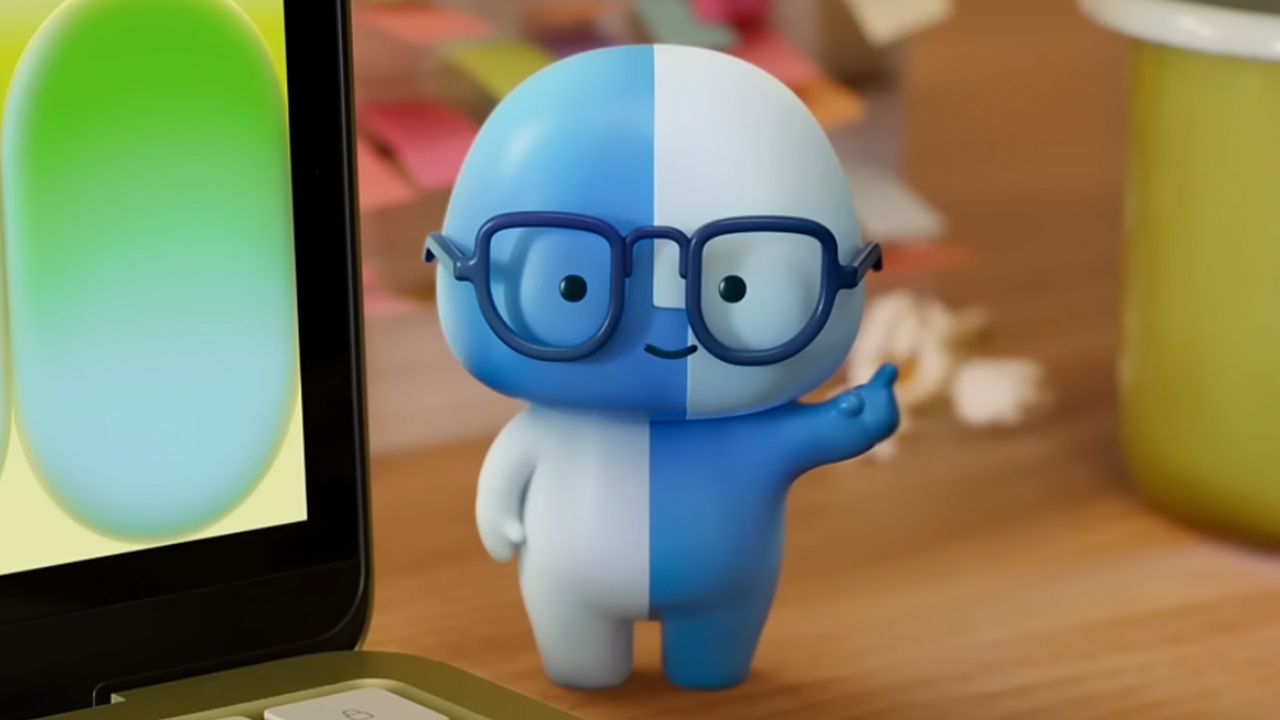
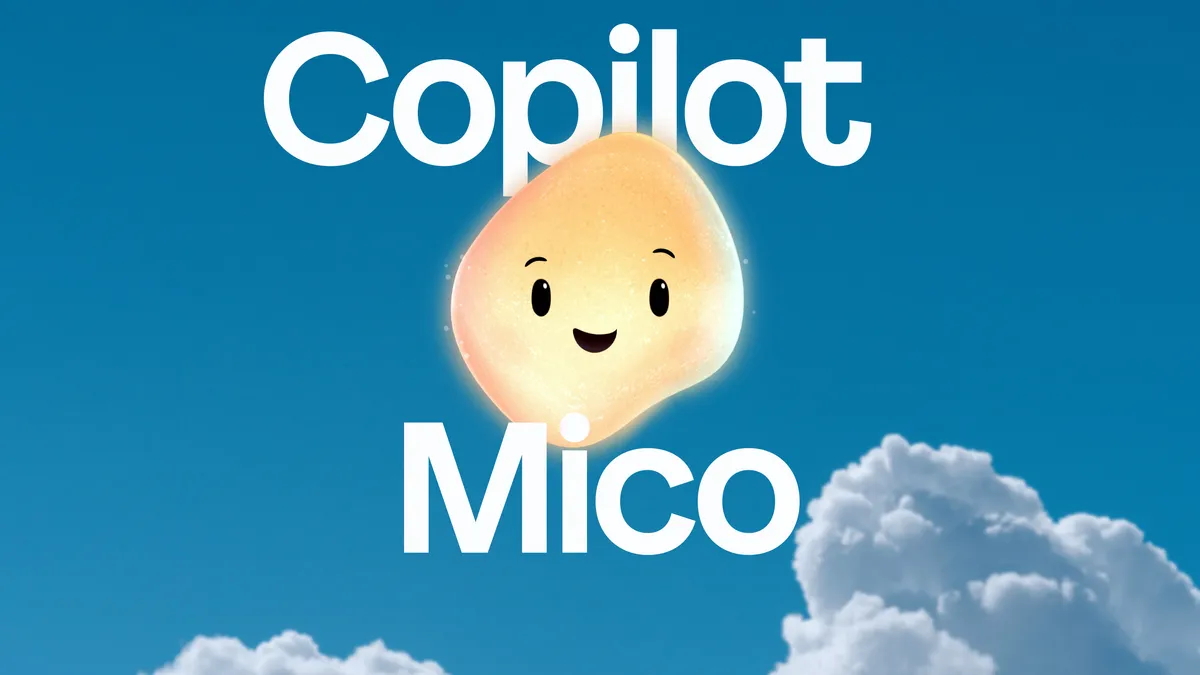
Cute AI mascots are suddenly everywhere. Microsoft introduced Mico, a cartoon puppy for its AI design assistant. Apple’s Little Finder Guy now waves on your Mac screen. Mozilla and others have followed suit.
A BBC report recently highlighted research that found that campaigns featuring mascots are 37% more likely to grow market share (although this research did come before the recent generative AI boom). The same report warned that the current increase in big-tech mascots coincides with growing mistrust of big tech. If users already fear opaque AI systems, is adding a smiley face going to build trust, or is it simply acting as a mask for deeper anxieties?
As a designer, I don’t think the question is whether a mascot looks cute or creepy (although probably avoid the latter). The real question is whether it can foster a long‑term relationship. At forpeople we’ve spent years designing AI‑driven brand experiences and physicalised companions, including NIO’s in‑car Nomi. A lesson we’ve learned is that the most successful mascots act like the best employees of a brand: they embody its culture, grow with the user and earn trust over time. They aren’t generic blobs slapped on an interface; they’re characters with backstories, motivations and a human‑centred purpose.
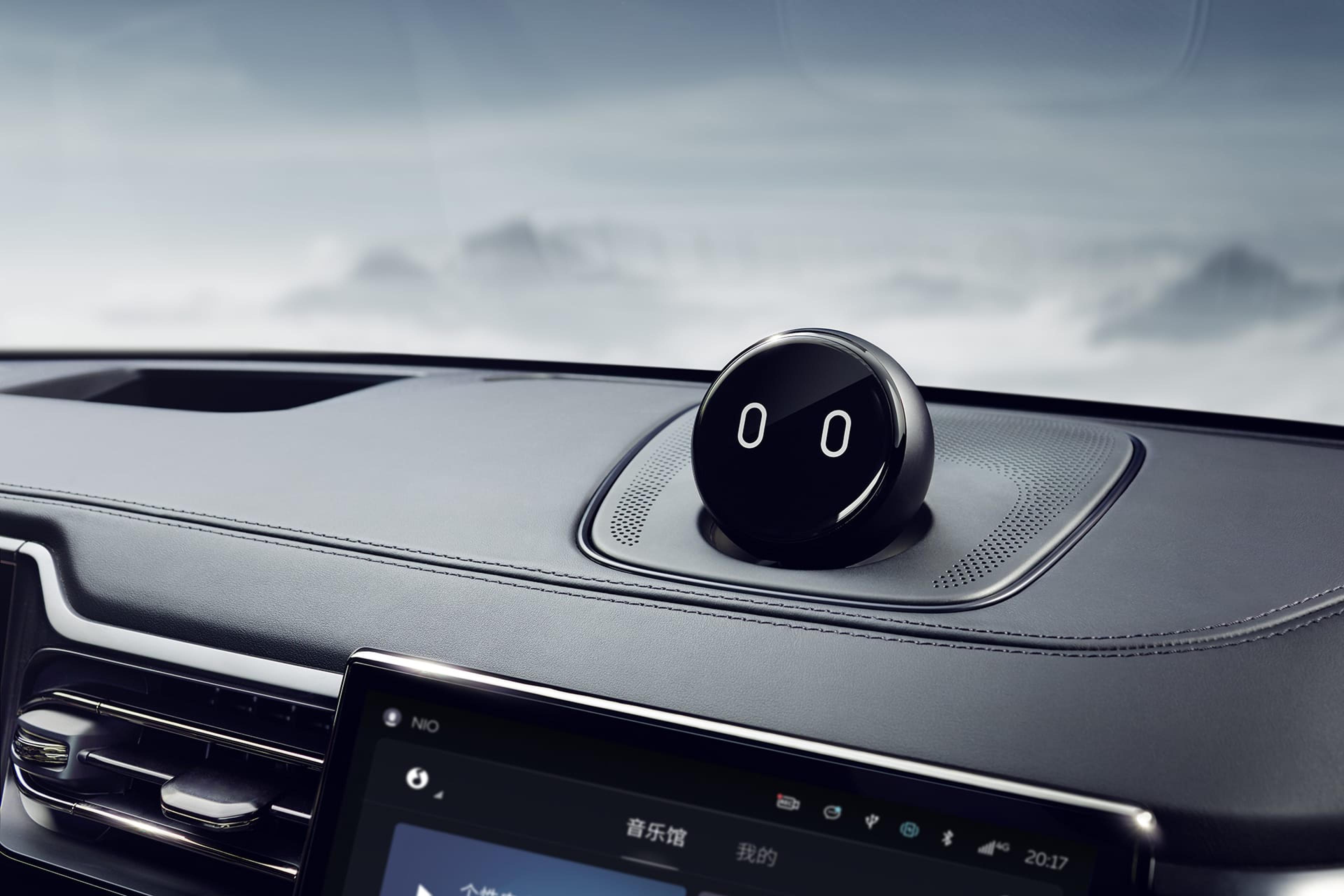
When considering mascots, from a design perspective we find it most useful to think about it like hiring a person. You start by defining the role. What problem are they here to solve? What values and behaviours must the successful candidate embody and how might they express these? How will they adapt as your company grows and changes? Designing a mascot should be no different. A strong AI mascot needs nuance to make it relatable, it gets bored, it reacts differently depending on context, it doesn’t always crack a joke. These quirks make a character feel real. In the car, for example, Nomi had to remain engaging over the lifespan of the vehicle. We gave it moods, micro‑animations and the ability to withdraw when you’re tired or when children are asleep. Over years the mascot becomes a co‑driver rather than a novelty.
Creative briefs also need to shift. Instead of simply asking“What should our AI mascot look like?”, ask, “Who would we hire to represent our brand in this intimate role?” By taking this approach, you’re asking how this person would speak, when they would be proactive, stay silent, be reactive, be light hearted or deadly serious. You should be seeking answers about how they adapt, build relationships in different circumstances, handle adversity. Of course, imbue it with values of a corporation (let's call this onboarding, for your first few weeks in the job), but don’t let corporate aims dictate its personality. Your aims for a successful mascot are for trust, connection and engagement, not to become a corporate megaphone.
And remember how trust is built with new employees, it is through consistent behaviour, authenticity and respect. Simply bolting a face with big adoring eyes onto a black box won’t earn you loyalty. Design mascots like you would hire your ideal people, embed them with stories, responsibilities and give them the agency to evolve. That in turn will inspire true connection with people.
Oh, and please let’s stop pretending anyone wants your brand’s AI to be their companion.