From Kabul to Kentucky: Afghans put down roots in refugee haven
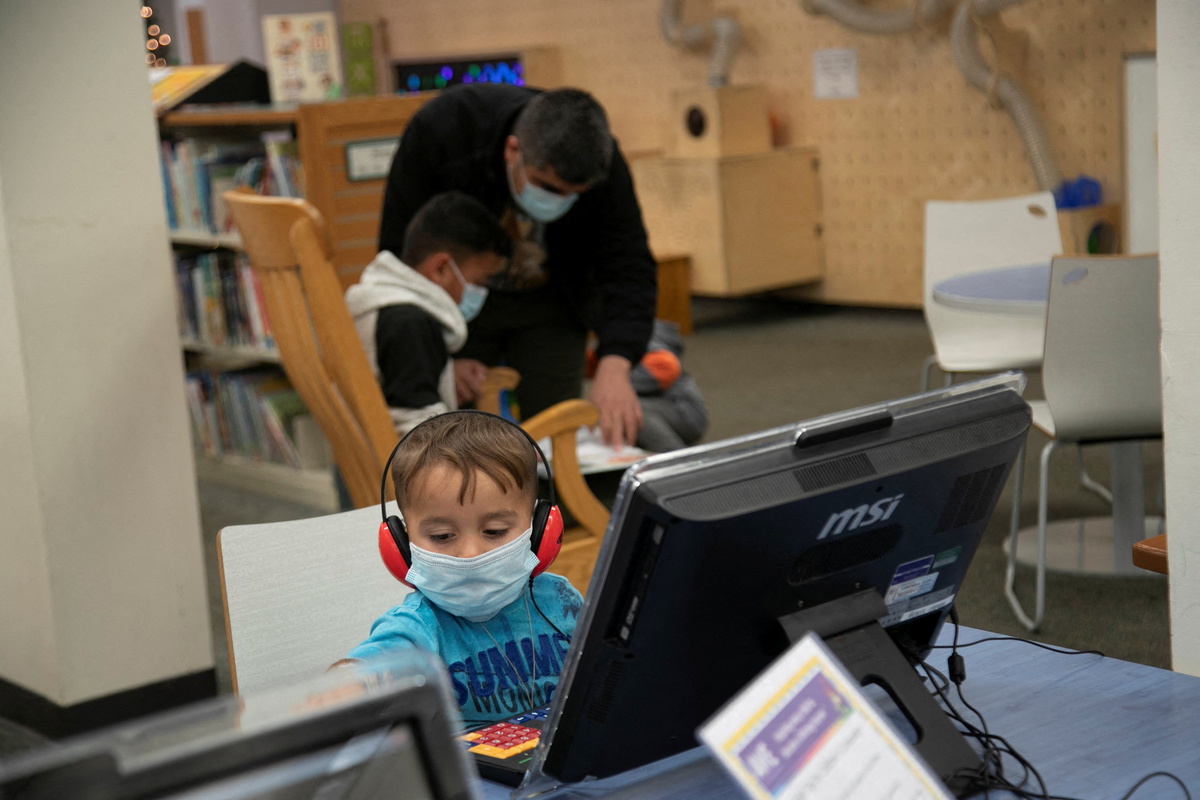
FILE PHOTO: Mirwais Khan Zadran, 2, uses the computer at the library in Bowling Green, Kentucky, U.S., November 27 2021. The Zadran family, Afghan refugees fleeing the Taliban, came to Bowling Green after a spell at a New Mexico military base. They secured a house and the children have been sent to school, with the help of local resettlement agency, the International Center. REUTERS/Amira Karaoud
After exhausting journeys that took them from Kabul to Qatar to European cities to U.S. military bases, Afghan families fleeing the Taliban alighted in Kentucky, in a small city well versed in receiving refugees.
Bowling Green has welcomed waves of refugees over four decades, beginning with the Cambodians in the 1980s and then Bosnians in the 1990s, plus Iraqis, Burmese, Rwandese and Congolese and others, who have helped make the city of 72,000 a diverse and economically thriving place.
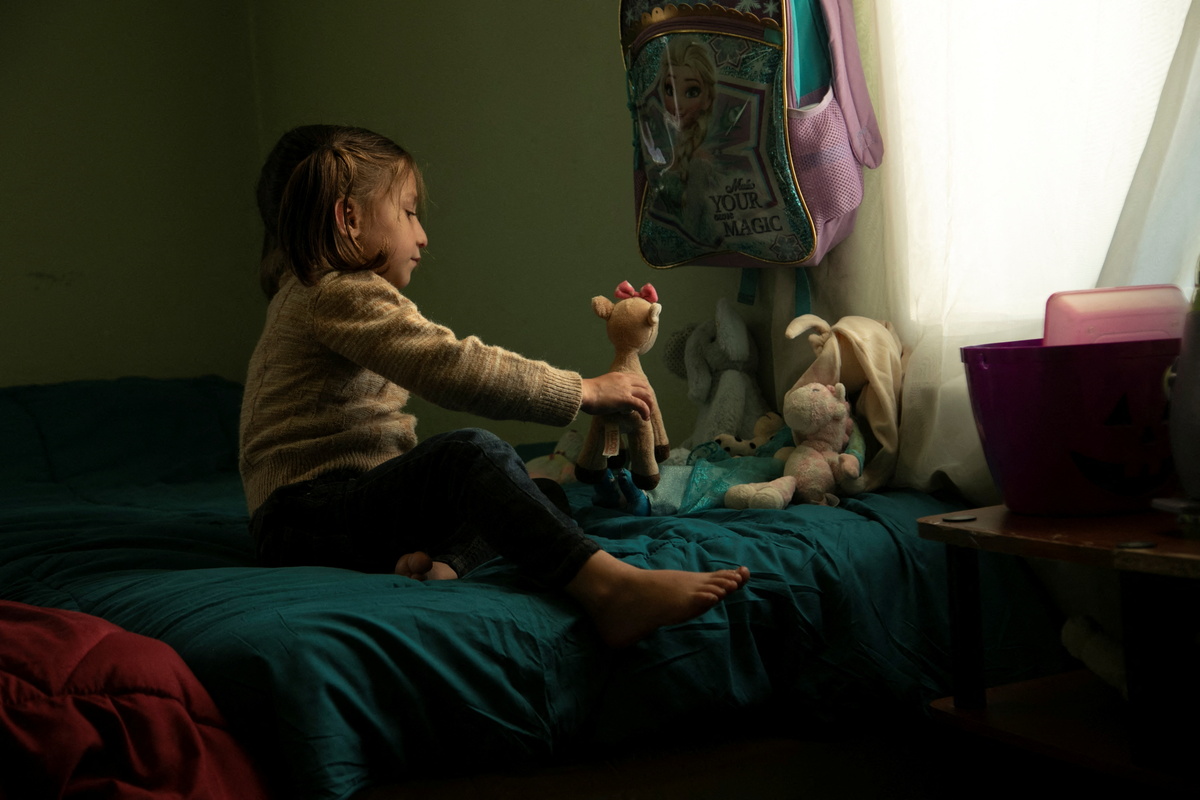
Roya Habibi, 6, plays with donated toys in her room in Bowling Green, Kentucky, U.S., November 5 2021. Bowling Green has welcomed waves of refugees over four decades, beginning with the Cambodians in the 1980s and then Bosnians in the 1990s, plus Iraqis, Burmese, Rwandese and Congolese and others, who have helped make the city of 72,000 a diverse and economically thriving place. REUTERS/Amira Karaoud
Wazir Khan Zadran was a tribal leader who fought 20 years ago against the Haqqani network, a powerful faction within the Taliban. Although he more recently worked with a non-governmental organization, he knew the Taliban would come for him.
Zadran said the Americans saved him and his family by picking them up in a Chinook helicopter in August and taking them to the Kabul airport. After a spell at a New Mexico military base, they were sent to Bowling Green and quickly realized they had lucked out in their new American lives.
(See for a picture package on Zadran and other refugees)
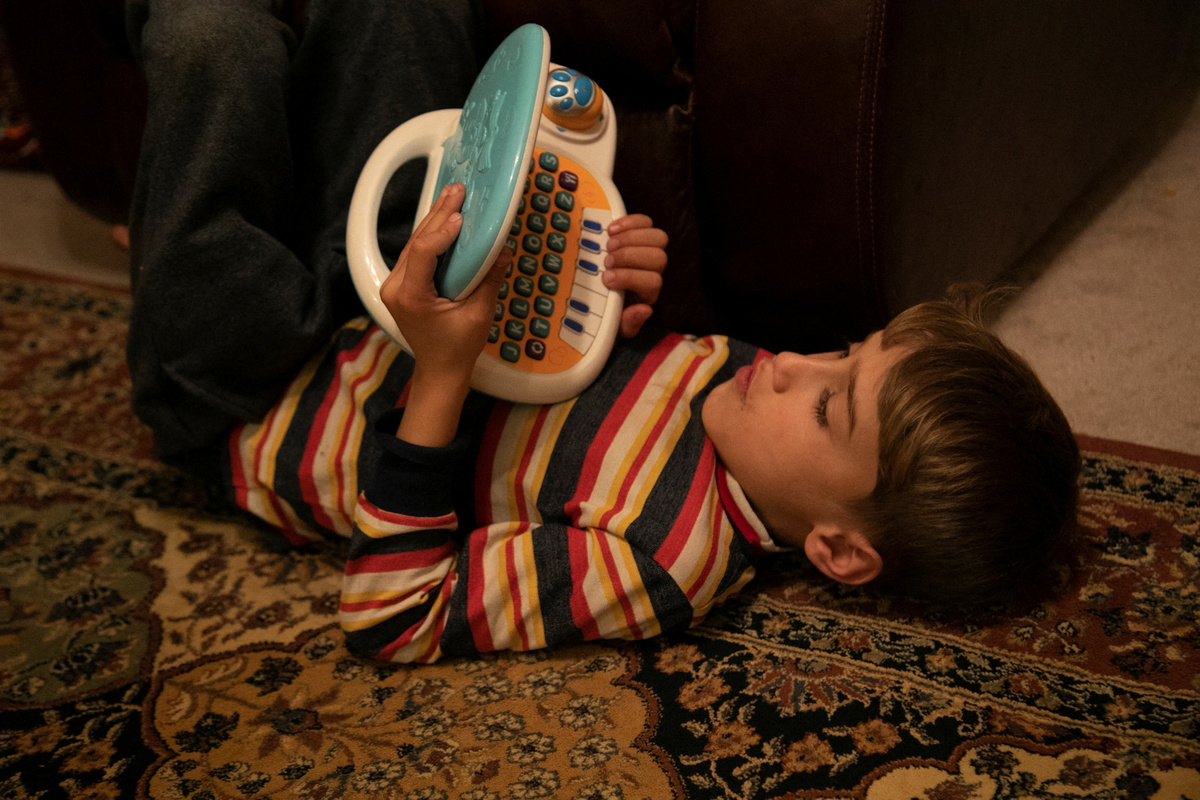
Sharifullah Habibi, 8, plays with a toy computer that teaches English, in Bowling Green, Kentucky, U.S., November 27 2021. Bowling Green has welcomed waves of refugees over four decades, beginning with the Cambodians in the 1980s and then Bosnians in the 1990s, plus Iraqis, Burmese, Rwandese and Congolese and others, who have helped make the city of 72,000 a diverse and economically thriving place. REUTERS/Amira Karaoud
"We are so happy in Bowling Green," said the 41-year-old father, who has secured a comfortable house and sent his children to school with the assistance of the local resettlement agency, the International Center, founded in 1981.
"Also, the local community is helping us and introducing the culture to us," Zadran added.
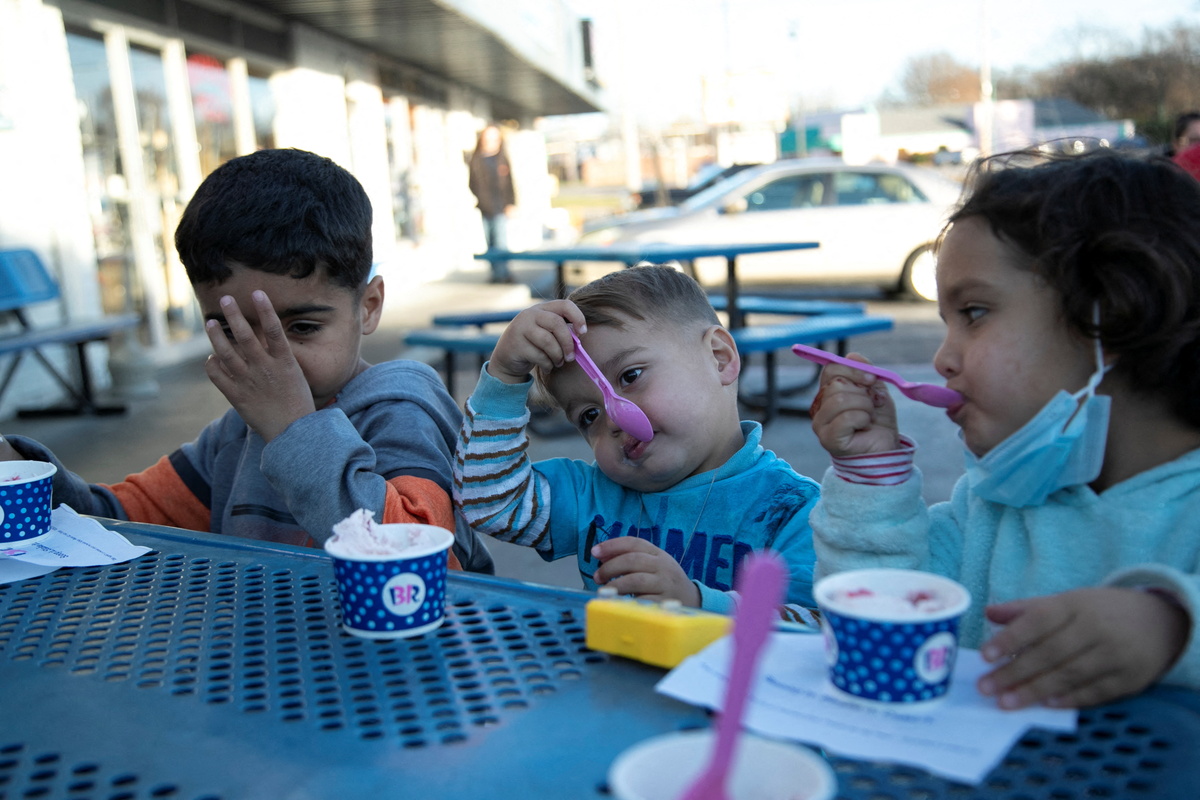
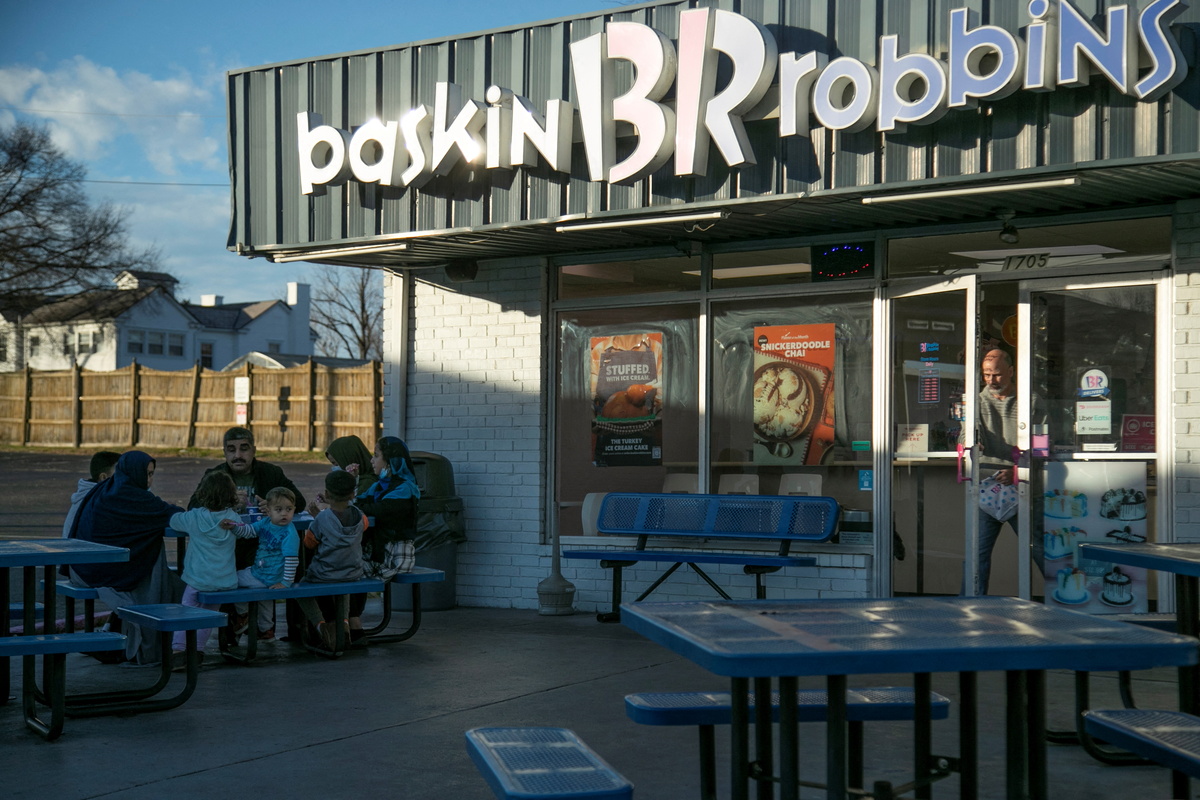
His six children are learning songs in English, sending "Dear Santa" letters off, going to the library and lapping up ice cream at Baskin-Robbins.
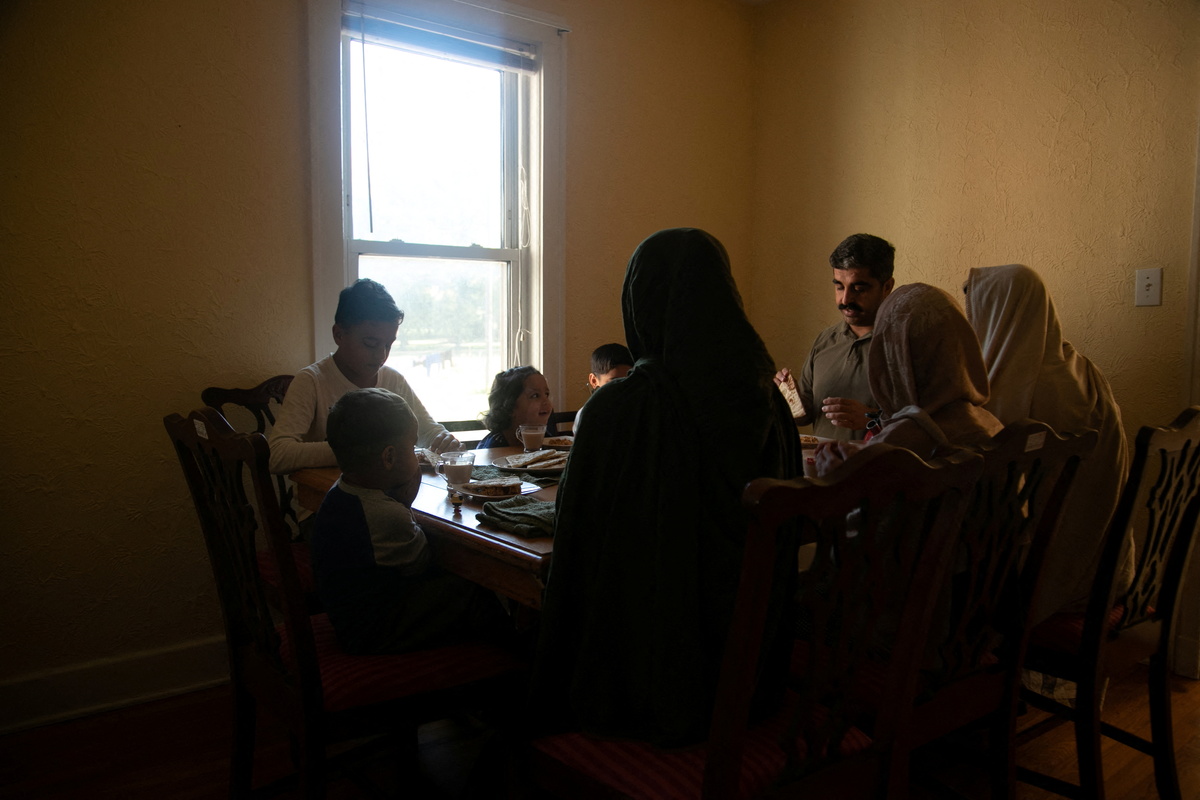
Wazir Khan Zadran, 41, and his wife Noorina Zadran, 36, eat breakfast with their children at home in Bowling Green, Kentucky, U.S., November 6 2021. Wazir, an Afghan refugee, was a tribal leader who fought against the Haqqani network, a powerful faction within the Taliban. He said the Americans saved him and his family by picking them up in a Chinook helicopter in August and taking them to the Kabul airport. After a spell at a New Mexico military base, they were sent to Bowling Green. "We are so happy in Bowling Green," he said. "Also, the local community is helping us and introducing the culture to us," REUTERS/Amira Karaoud
In the aftermath of rising anti-immigrant and refugee sentiment during the Trump administration, the United States government is now handling its biggest refugee evacuation since Vietnam. Of the nearly 75,000 expected to settle in America, Bowling Green will receive 350 Afghans in fiscal year 2022.
There are plenty of jobs for new residents of Bowling Green, an agricultural and manufacturing hub, perhaps best known for the assembly plant that makes the coveted Corvette sports car. The Bosnians, who now number around 10,000 and own several companies, attest to the good job prospects when the Afghans' expedited work permits arrive in coming months.
"In 2000 when I came here, I arrived with a couple of suitcases and two infant children and my wife," said Tahir Zukic, a Bosnian from Srebrenica who owns Taz Trucking, employing 100 people and 140 trucks.
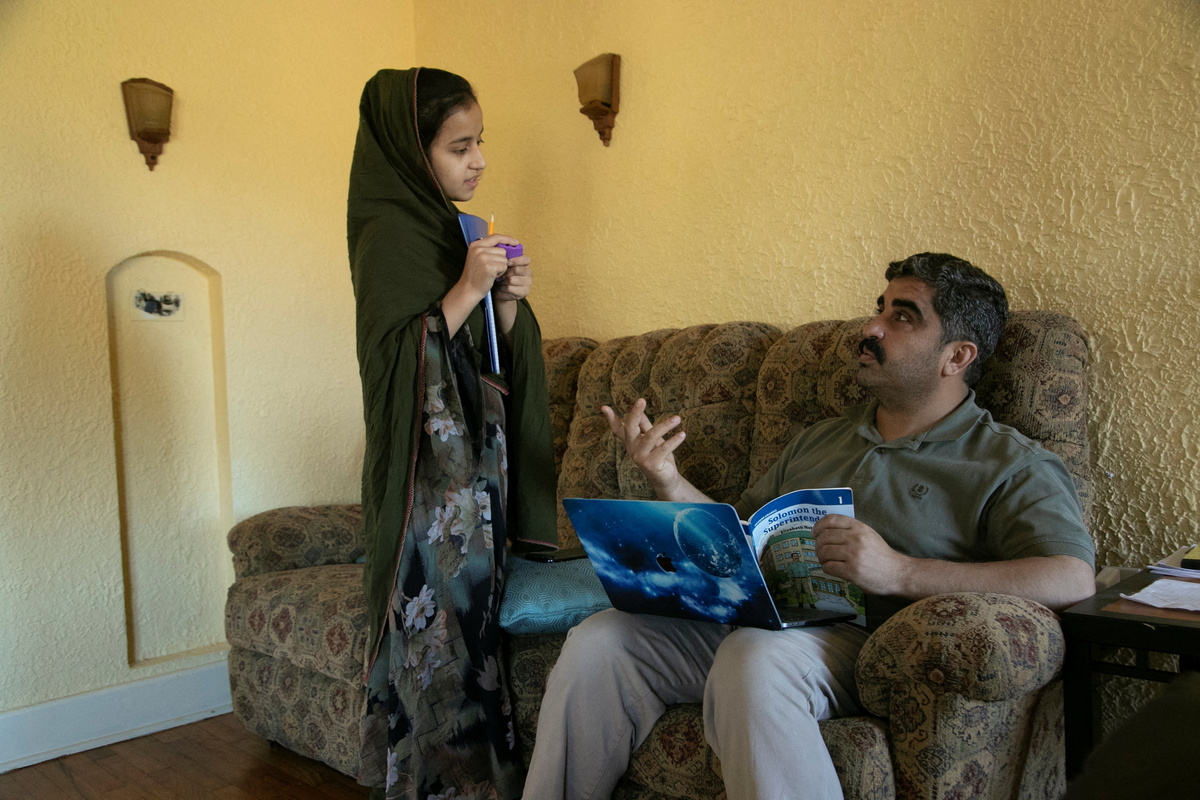
Wazir Khan Zadran, 41, helps his daughter Zuleikha Zadran, 15, with her homework in Bowling Green, Kentucky, U.S., November 7 2021. Wazir, an Afghan refugee, was a tribal leader who fought against the Haqqani network, a powerful faction within the Taliban. He said the Americans saved him and his family by picking them up in a Chinook helicopter in August and taking them to the Kabul airport. After a spell at a New Mexico military base, they were sent to Bowling Green. "We are so happy in Bowling Green," he said. "Also, the local community is helping us and introducing the culture to us," REUTERS/Amira Karaoud
"It's absolutely an amazing place to be, with a lot of opportunity and you can just do what you like to do."
For those who did not work with the Americans in Afghanistan, learning the language could be the toughest part of adapting to their new home, Zukic said. But they also must learn how America works, how to drive, how to get a credit card. And what to do when tornadoes approach.
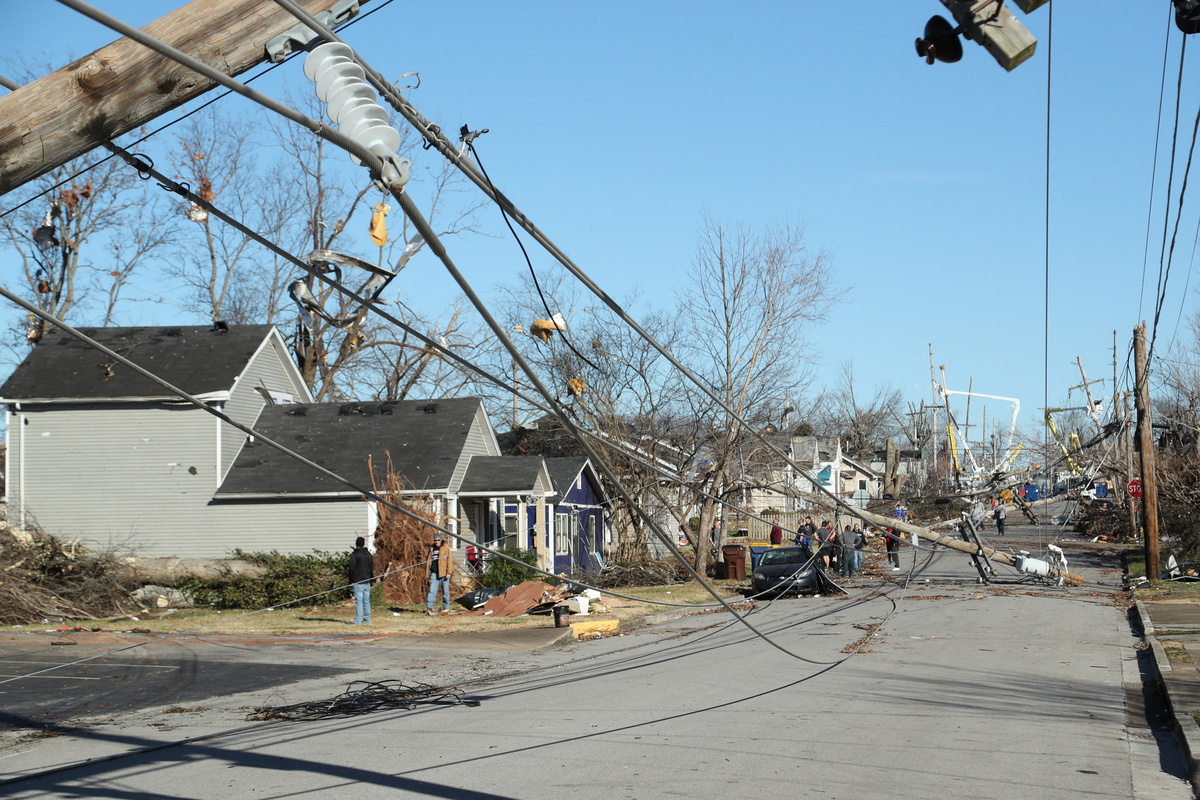
The twisters that tore through Kentucky this month jolted the Afghans' sense of security. They were confounded by the 1 a.m. sirens that reminded them of Kabul and shocked by the uprooted trees, roofs ripped off houses and deaths in one neighborhood home to many immigrants.
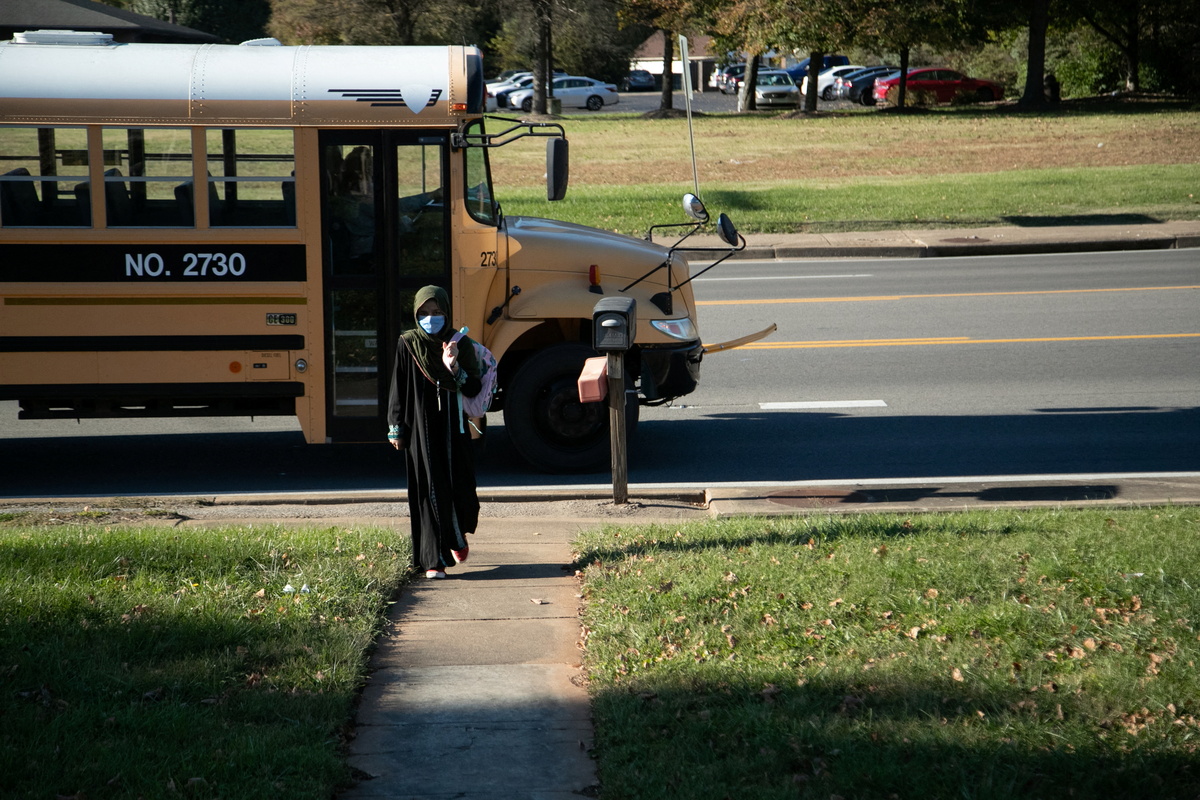
Zuleikha Zardan, 15, walks from the school bus, near her home in Bowling Green, Kentucky, U.S., November 5 2021. The Zadran family, Afghan refugees fleeing the Taliban, came to Bowling Green after a spell at a New Mexico military base. They secured a house and the children have been sent to school, with the help of local resettlement agency, the International Center. REUTERS/Amira Karaoud
"We never saw a storm like this before in our life in Afghanistan, so we felt maybe we were going to another war," Zadran said. "But God saved us."
'THIS IS MY PLACE'
Firas Majeed arrived in Bowling Green from Baghdad via Brooklyn, New York, in 2016. The Iraqi refugee came to visit a friend and decided "this is my place." He now co-owns a grocery store stocked with Middle Eastern and European foods after working as a welder.
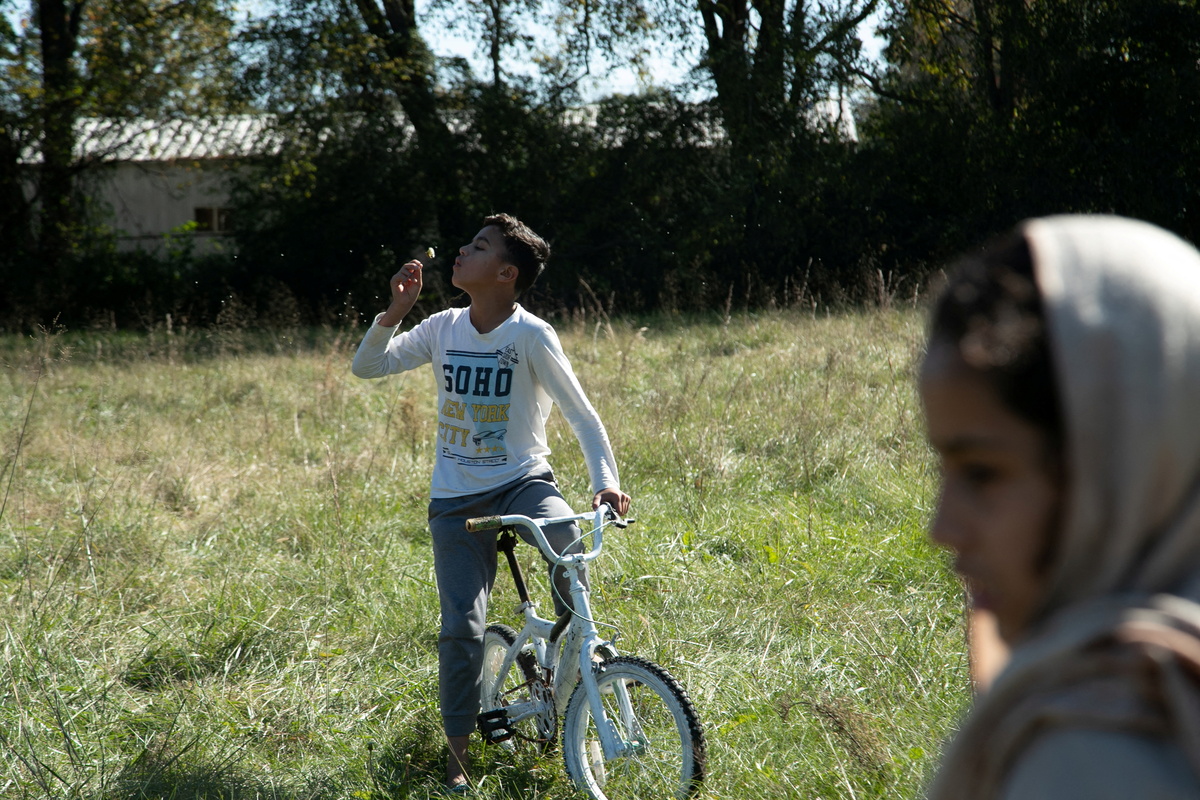
Samiullah Khan Zadran, 13, blows on a dandelion in his family's garden in Bowling Green, Kentucky, U.S., November 6 2021. The Zadran family, Afghan refugees fleeing the Taliban, came to Bowling Green after a spell at a New Mexico military base. They secured a house and the children have been sent to school, with the help of local resettlement agency, the International Center. REUTERS/Amira Karaoud
"The quality of life is higher than in the big cities," said Majeed, who appreciates the big skies and verdant farms around Bowling Green, strong job market, low rents and medical care.
Majeed said the Afghans will get a lot of support because everyone saw the images of the chaotic evacuation from Kabul. The Iraqis can teach them things, like how to get a driver's license.
Bowling Green is also a place that allows refugees to hold onto their identities while becoming Americans - offering a socially conservative environment to raise families and practice religions.
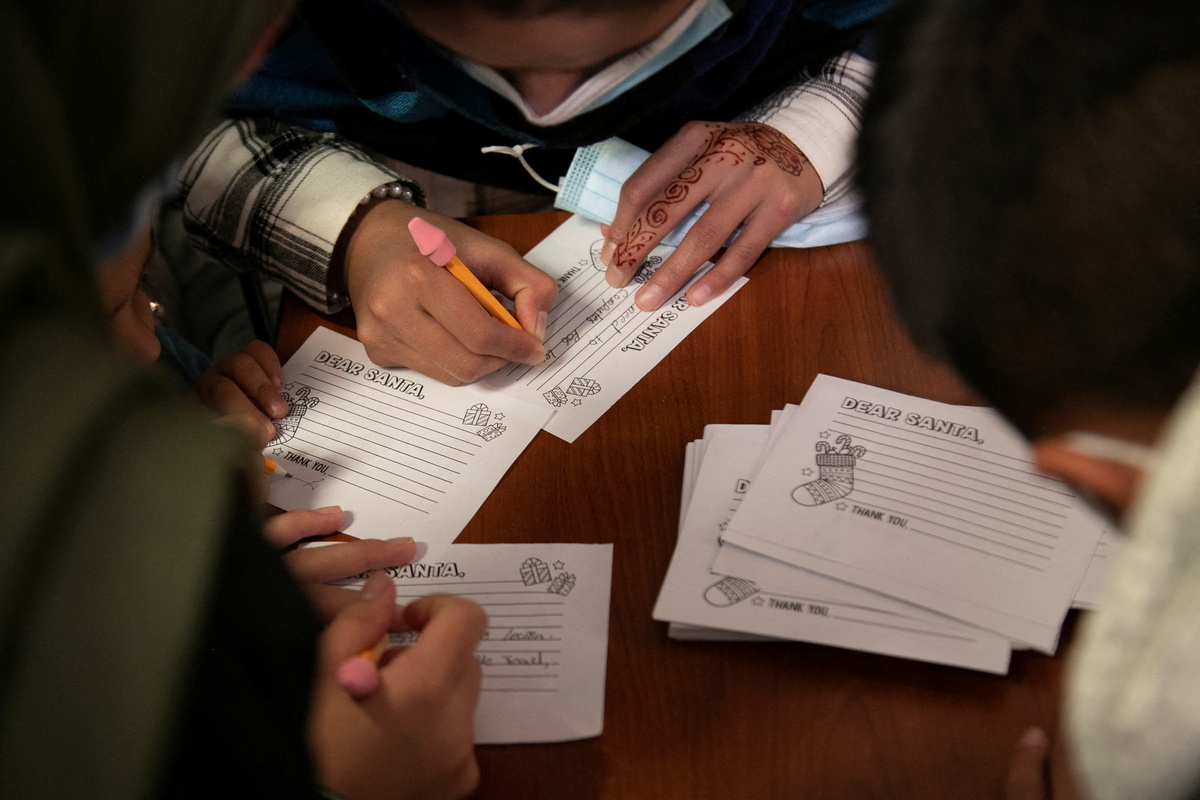
Siblings, Zinat Zadran, 12, Zuleikha Zadran, 15, Samiullah Khan Zadran 13, write letters to Santa at the library in Bowling Green, Kentucky, U.S., November 27 2021. The Zadran family, Afghan refugees fleeing the Taliban, came to Bowling Green after a spell at a New Mexico military base. They secured a house and the children have been sent to school, with the help of local resettlement agency, the International Center. REUTERS/Amira Karaoud
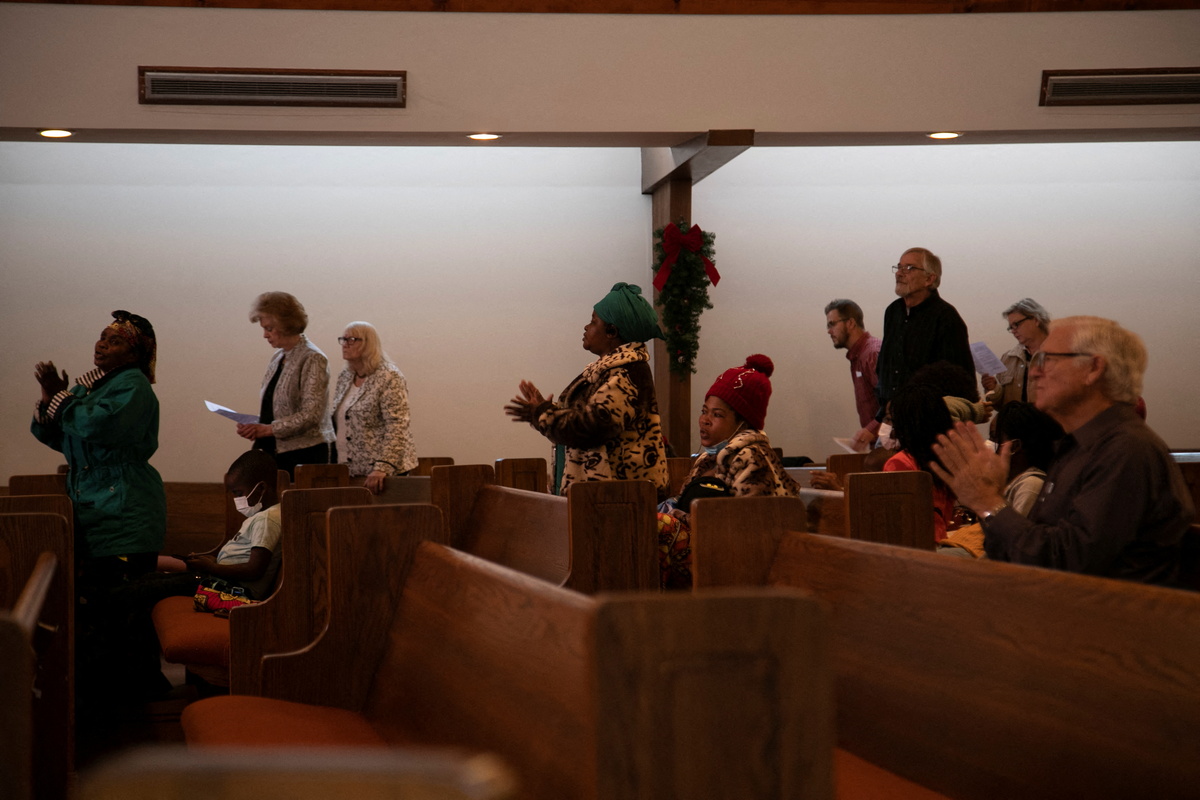
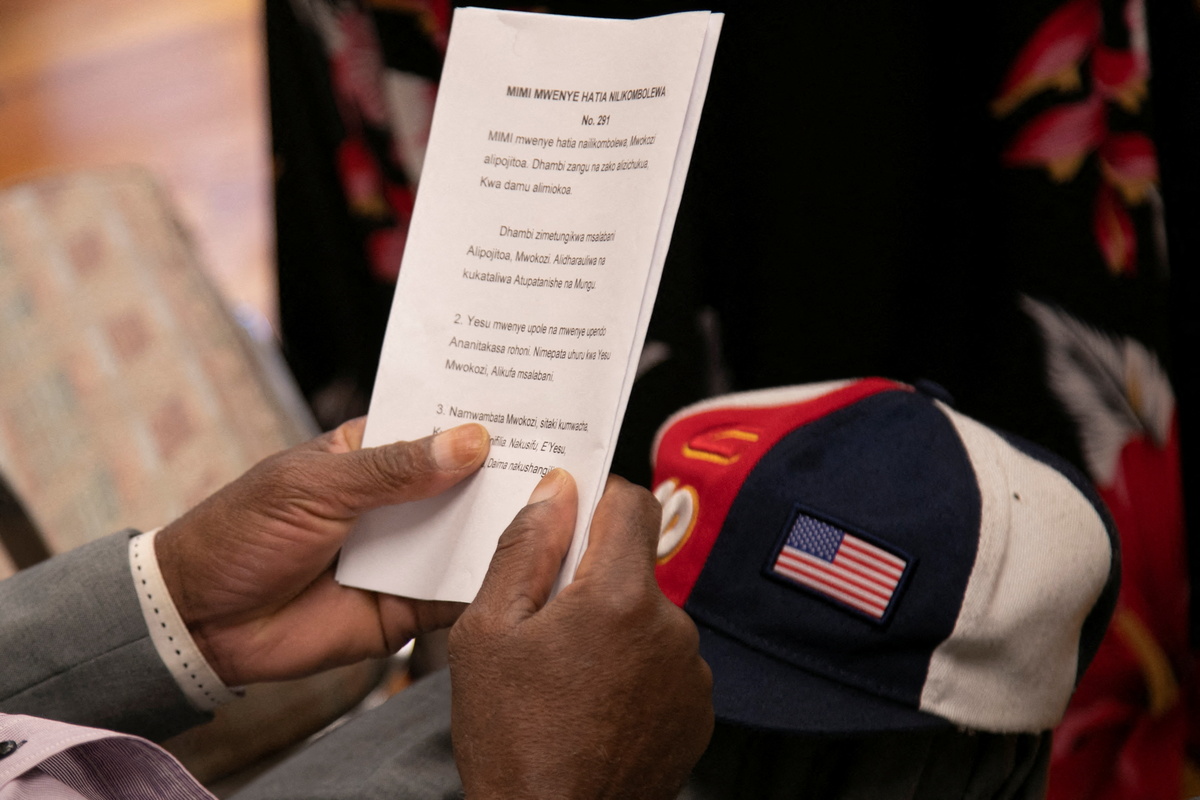
At the Forest Park Baptist Church, Congolese refugees have breathed new life into the community. Worship services and Bible study are translated into Swahili and sometimes held in that language.
"We love their gospel singing," said church leader Mike Givens, and the church translates their songs so everyone hears the message.
"Our community has changed, so if we do not seek or go after the immigrant population, our church will not survive," added Givens.
Power lines are seen in the middle of the street after tornadoes ripped through the town in Bowling Green, Kentucky, U.S., December 12 2021. The twisters that tore through Kentucky this month jolted the Afghans' sense of security. They were confounded by the 1 a.m. sirens that reminded them of Kabul and shocked by the uprooted trees, roofs ripped off houses and deaths in one neighbourhood home to many immigrants. REUTERS/Amira Karaoud
Back at the Zadran house, the children make quick progress with their new culture. The eldest, Zuleikha, teaches her siblings a song in English with the lyrics "What are you thankful for?"
As they applaud their own performance, Zuleikha declares "Finished!" and flashes a wide grin.
(Reporting by Amira Karaoud and Mary Milliken; Editing by Lisa Shumaker)
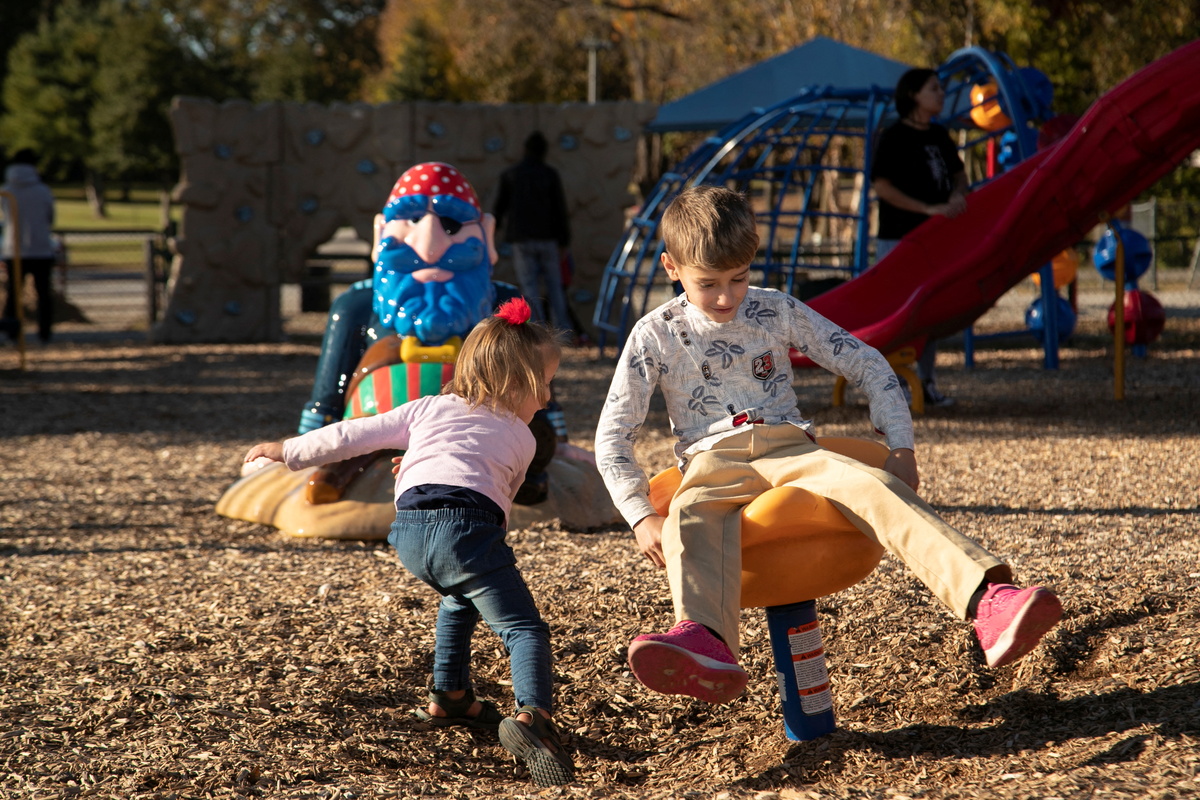
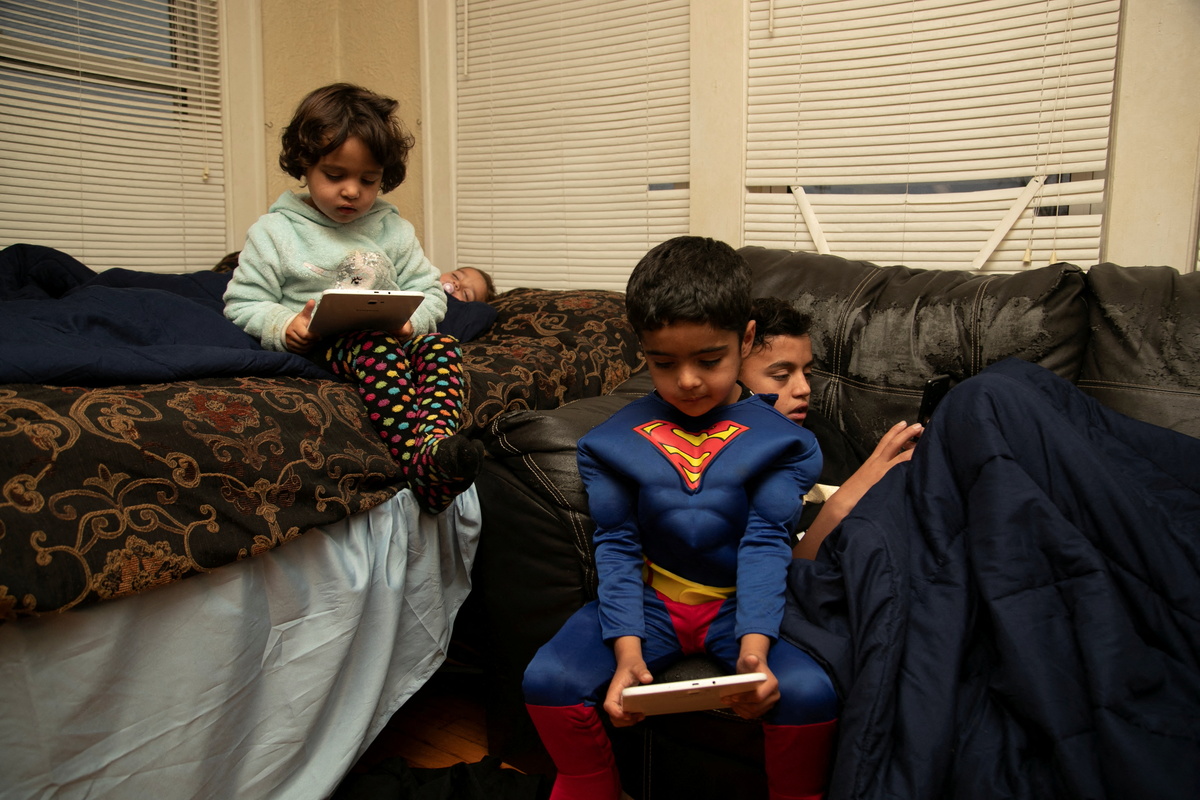
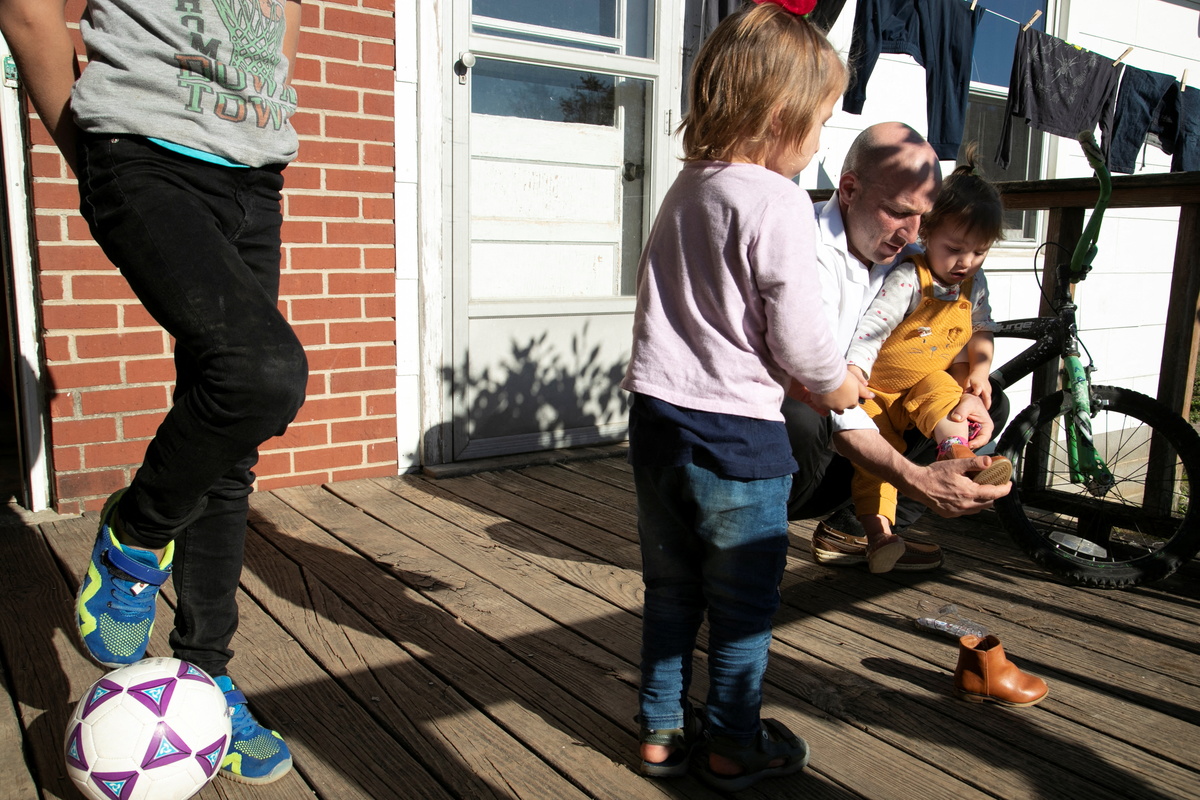
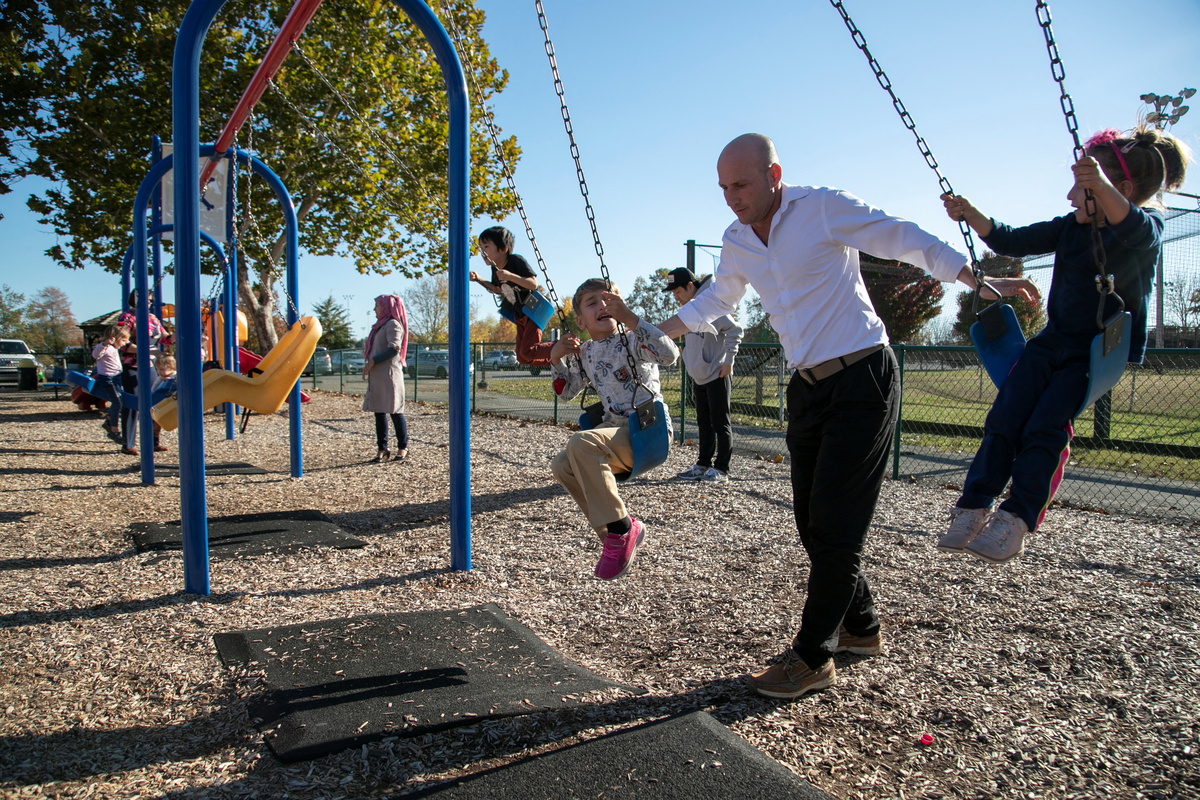
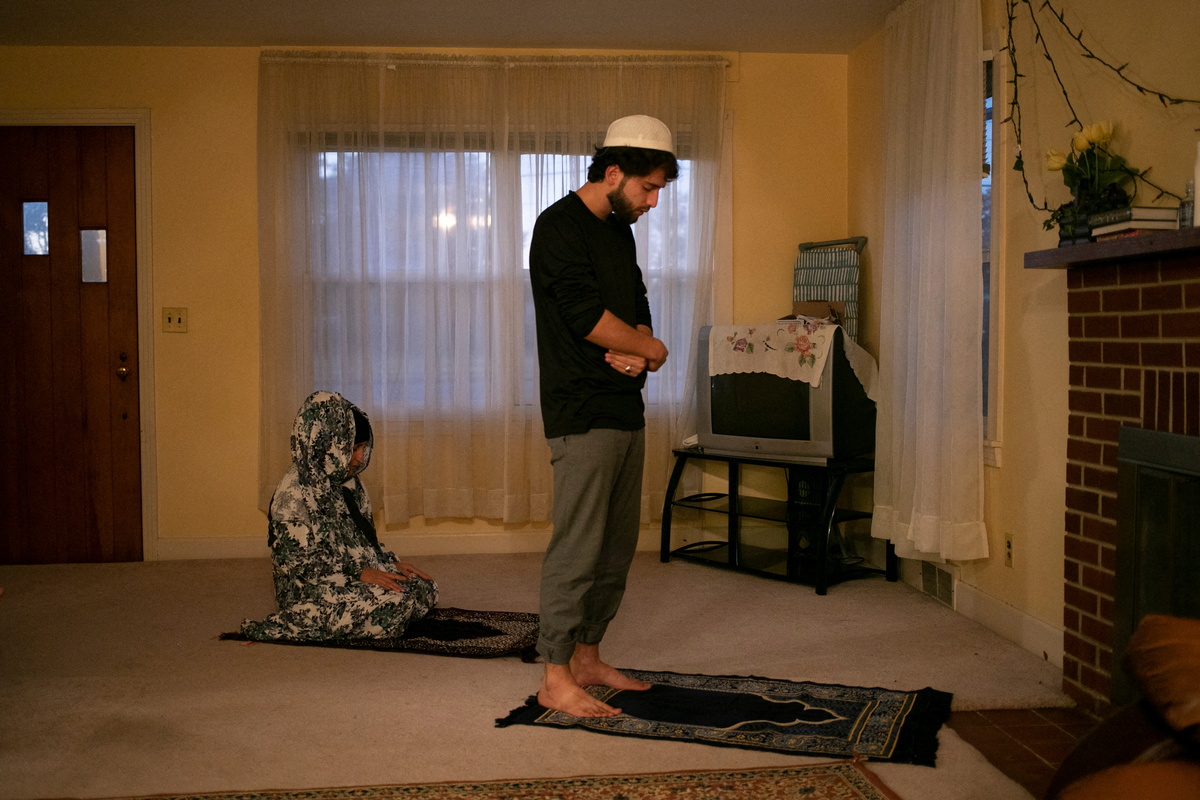
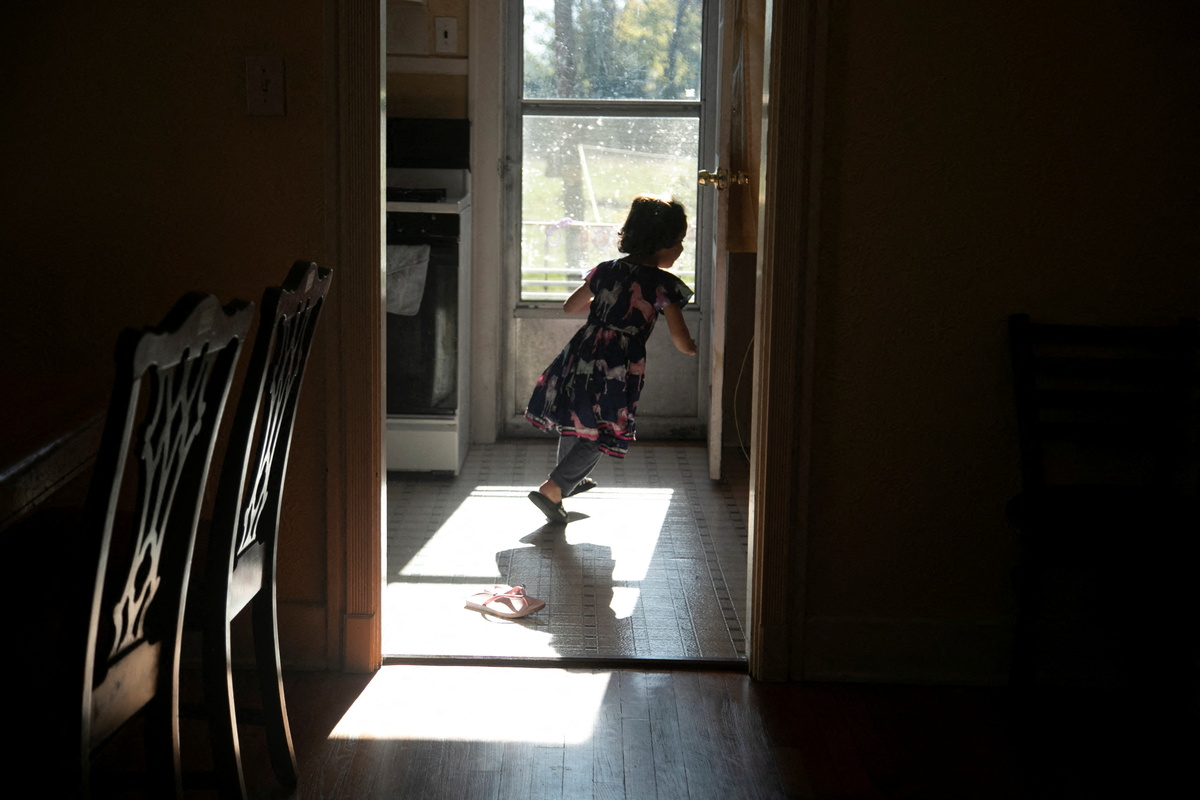
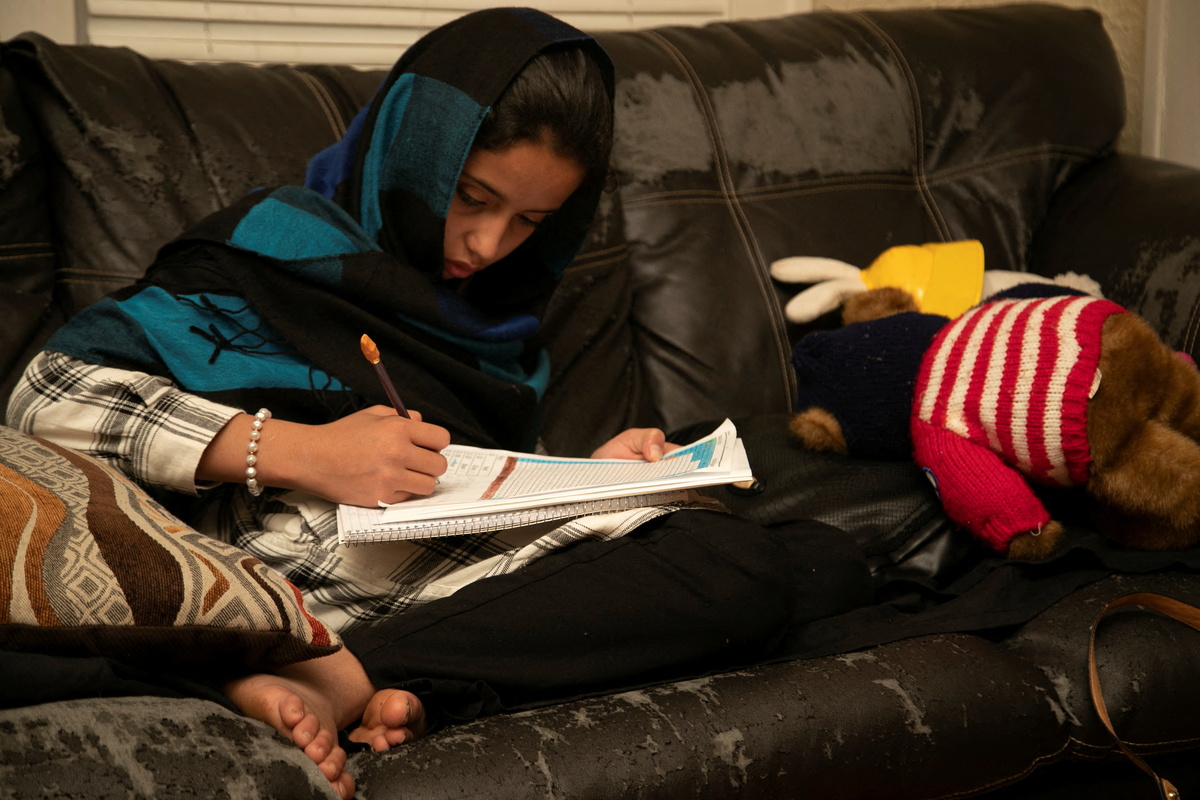
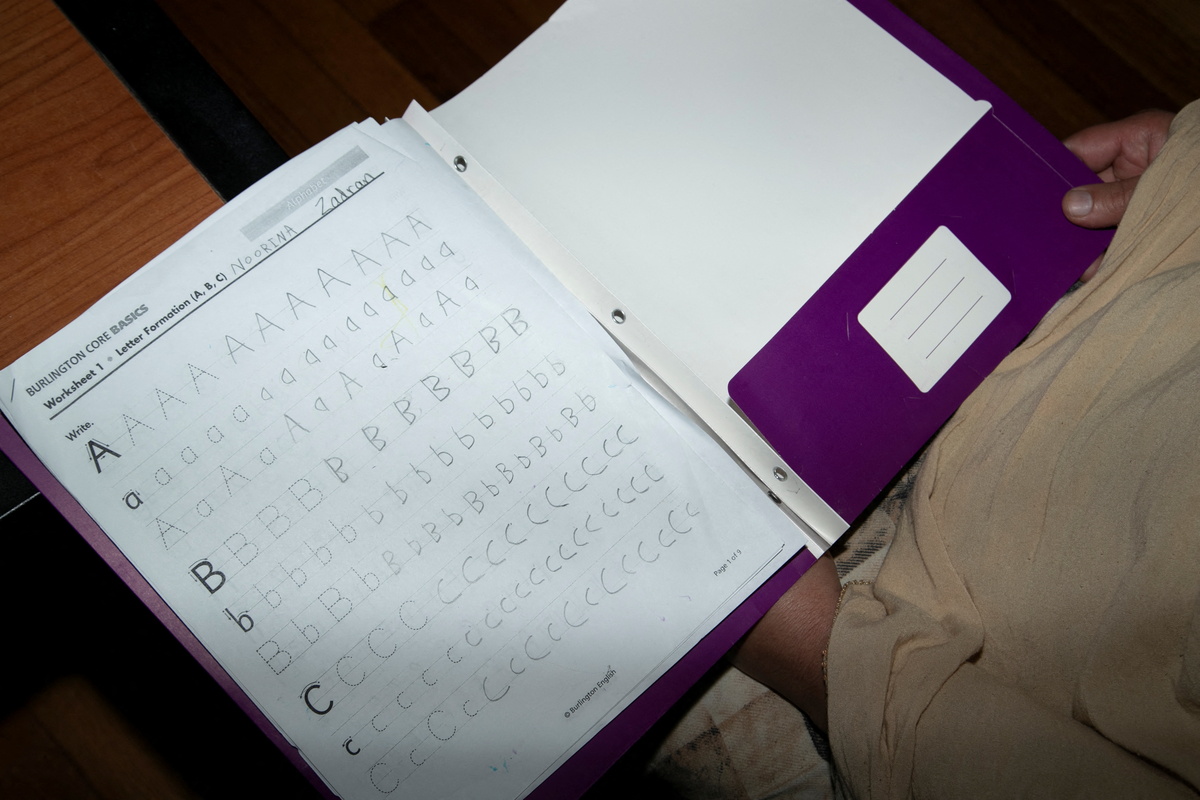
Khadija Habibi, 5, pushes her brother Sharifullah Habibi, 8, at Three Springs Park in Bowling Green, Kentucky, U.S., November 7 2021. Bowling Green has welcomed waves of refugees over four decades, beginning with the Cambodians in the 1980s and then Bosnians in the 1990s, plus Iraqis, Burmese, Rwandese and Congolese and others, who have helped make the city of 72,000 a diverse and economically thriving place. REUTERS/Amira Karaoud Siblings, Sanaullah Khan Zadran, 6, Mirwais Khan Zadran, 2, and Zahra Zadran , 4, eat ice cream at Baskin Robbins in Bowling Green, Kentucky, U.S., November 27 2021. The Zadran family, Afghan refugees fleeing the Taliban, came to Bowling Green after a spell at a New Mexico military base. They secured a house and the children have been sent to school, with the help of local resettlement agency, the International Center. REUTERS/Amira Karaoud Siblings Sanaullah Khan Zadran, 6, dressed up as Superman, Zahra Zardan, 4, and his brother Samiullah Khan Zadran, 13, play on their tablets in Bowling Green, Kentucky, U.S., November 21 2021. The Zadran family, Afghan refugees fleeing the Taliban, came to Bowling Green after a spell at a New Mexico military base. They secured a house and the children have been sent to school, with the help of local resettlement agency, the International Center. REUTERS/Amira Karaoud Congolese refugees and Americans gather for Sunday service at Forest Park Baptist Church in Bowling Green, Kentucky, U.S., November 28 2021. Worship services and Bible study are translated into Swahili and sometimes held in that language. "We love their gospel singing," said church leader Mike Givens (not pictured). REUTERS/Amira Karaoud Shafiqullah Habibi, 34, gets his children dressed before a volunteer comes to take them to Three Springs Park in Bowling Green, Kentucky, U.S., November 7 2021. Bowling Green has welcomed waves of refugees over four decades, beginning with the Cambodians in the 1980s and then Bosnians in the 1990s, plus Iraqis, Burmese, Rwandese and Congolese and others, who have helped make the city of 72,000 a diverse and economically thriving place. REUTERS/Amira Karaoud SEARCH "KARAOUD REFUGEE HAVEN" FOR THIS STORY. SEARCH "WIDER IMAGE" FOR ALL STORIESShafiqullah Habibi, 34, pushes his children, Sharifullah Habibi, 8 and Roya Habibi, 6, on the swings at the Three Springs Park in Bowling Green, Kentucky, U.S., November 7 2021. Bowling Green has welcomed waves of refugees over four decades, beginning with the Cambodians in the 1980s and then Bosnians in the 1990s, plus Iraqis, Burmese, Rwandese and Congolese and others, who have helped make the city of 72,000 a diverse and economically thriving place. REUTERS/Amira Karaoud A Congolese refugee reads a bible verse in Swahili during Sunday Service at Forest Park Baptist Church in Bowling Green, Kentucky, U.S., November 21 2021. Worship services and Bible study are translated into Swahili and sometimes held in that language. "We love their gospel singing," said church leader Mike Givens (not pictured). REUTERS/Amira Karaoud Mohamed Azizi, 24, prays the evening prayer with his aunt Wahida Habibi, 37,in Bowling Green, Kentucky, U.S., November 6 2021. Bowling Green has welcomed waves of refugees over four decades, beginning with the Cambodians in the 1980s and then Bosnians in the 1990s, plus Iraqis, Burmese, Rwandese and Congolese and others, who have helped make the city of 72,000 a diverse and economically thriving place. REUTERS/Amira Karaoud Zahra Zadran, 4, runs to change her shoes at her family's home in Bowling Green, Kentucky, U.S., November 6 2021. The Zadran family, Afghan refugees fleeing the Taliban, came to Bowling Green after a spell at a New Mexico military base. They secured a house and the children have been sent to school, with the help of local resettlement agency, the International Center. REUTERS/Amira Karaoud Zinat Zadran, 12, works on her homework at home in Bowling Green, Kentucky, U.S., November 27 2021. The Zadran family, Afghan refugees fleeing the Taliban, came to Bowling Green after a spell at a New Mexico military base. They secured a house and the children have been sent to school, with the help of local resettlement agency, the International Center. REUTERS/Amira Karaoud FILE PHOTO: Wazir Khan Zadran, 41, and his wife Noorina Zadran, 36, eat ice cream with their children at Baskin Robbins in Bowling Green, Kentucky, U.S., November 27 2021. Wazir, an Afghan refugee, was a tribal leader who fought against the Haqqani network, a powerful faction within the Taliban. He said the Americans saved him and his family by picking them up in a Chinook helicopter in August and taking them to the Kabul airport. After a spell at a New Mexico military base, they were sent to Bowling Green. "We are so happy in Bowling Green," he said. "Also, the local community is helping us and introducing the culture to us," REUTERS/Amira Karaoud SEARCH "KARAOUD REFUGEE HAVEN" FOR THIS STORY. SEARCH "WIDER IMAGE" FOR ALL STORIESFILE PHOTO: Noorina Zadran, 36, shows off her handwriting practice during English class at the International Center in Bowling Green, Kentucky, U.S., November 21 2021. The Zadran family, Afghan refugees fleeing the Taliban, came to Bowling Green after a spell at a New Mexico military base. They secured a house and the children have been sent to school, with the help of local resettlement agency, the International Center. REUTERS/Amira Karaoud SEARCH "KARAOUD REFUGEE HAVEN" FOR THIS STORY. SEARCH "WIDER IMAGE" FOR ALL STORIES
Sign up to read this article
Read news from 100’s of titles, curated specifically for you.