With recent media speculation around the possibility of a Twitter sale, there are a number of likely (and less likely) contenders to own the tweet stream. With the vast amount of data up for grabs, the identity of the ultimately successful party is likely to be of great interest to the ad tech sector.
(You can read the full list of Twitter takeover contenders on Olswang’s adtech blog Adtekr.)
1. Google
Google is about consumption of data – the more data it can ingest, the more powerful its offerings become. Twitter provides a vast flow of real-time, user-generated data. 6,000 tweets per second is a significant firehose for Google to tap into. With the recent licensing deal allowing Google access to Twitter feeds for displaying in its search results, Google is clearly interested and sees the power of the tweet in displaying new content as it happens.
With Google+ gradually being disconnected from Google’s other online estates, perhaps now is the perfect time for Google to change direction and rather than attempt to organically grow its own social network from scratch, invest in a pre-existing and well-established platform.
Rather than simply being a passive custodian of others’ content, Google clearly has ambitions to be the fount of all knowledge, including that generated by the average user. Twitter would allow Google to add yet another string to its bow – rather than simply “what have other people said previously”, Google would become the destination for “what are people saying right now”.
With its recent licence deal, the question is whether Google has now managed to get the keys to the castle and tap the Twitter datastreams without needing to make the investment of actually acquiring Twitter?
Likelihood: 8/10
2. Yahoo
Once the king of the portal, user behaviour shifting away from single site homepages to easily accessible new tab pages on updated browsers has led to Yahoo tumbling from its peak value of $140bn to a current value of $40bn. Clearly by no means a minnow, Yahoo has been searching for its identity over the past years under Marissa Mayer; is it a content player, an advertising network or a portal page? One thing that does seem key to Yahoo is that advertising-supported content in some form is the current driving force.
Purchasing Twitter would provide Yahoo with a focal point to use as its core product offering going forward, using the platform as a popular, central pillar to upsell other products while also generating revenue through promoted tweets and similar products in the Yahoo advertising network.
Yahoo is also currently sitting on $5bn realised from the sale of its stake in Alibaba – a nice chunk of Twitter’s $25bn value. Could this be a final throw of the dice by Yahoo?
Likelihood: 5/10
3. Apple
Having played on the fringes of social networking, Apple has yet to launch full steam into this space. With recent acquisitions such as Beats Audio, it has shown it is willing to spend on reputable brands to gain user base.
Why would Apple want a presence in this sector? Simple – an audience of 300 million active users, mostly fitting into the 16-35 year old, technophile space. Although supported by a huge marketing budget, a lot of Apple advertising is undertaken by word of mouth via its legions of passionate supporters. Twitter would give Apple an immediate platform to directly access these followers.
Apple has an audience clamouring for a platform and it has always been a proponent of Twitter – back in 2011, the first social network with deep integration directly into iOS was Twitter, not Facebook. However, Twitter’s success to date has been due to its open nature; any attempt by Apple to make the platform iOS/OS X only could be problematic. Apple has often looked to close down environments and keep other platforms out – would Twitter therefore really be a platform which Apple would be willing to leave open?
Likelihood: 7/10
4. Facebook
Representing the main alternative to Facebook, Twitter has often been the subject of takeover rumours by the social giant.
The key selling point for Twitter for Facebook is obvious – 300 million active users, 80% on mobile with many of these users in staunch opposition to the more-is-more culture of Facebook. Bringing these users into the Facebook fold but continuing to offer the same minimalistic Twitter service simply increases Facebook’s user (and associated data) pool, as Facebook increasingly moves to combat the advertising might of Google. A new data stream the size of Twitter can only help to enhance Facebook’s targeted advertising offering. Would rumours of Google’s interest prompt Facebook to make a defensive acquisition?
Facebook and Twitter still represent two different use cases for users – ask the majority of people on the street and most will use Facebook to share more personal content with a smaller group of contacts but use Twitter for more public broadcasting and also for consuming information such as news stories in real-time.
Likelihood: 5/10
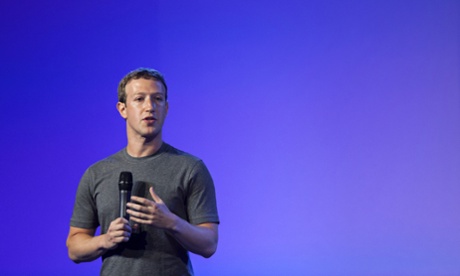
5. Microsoft
In the early 2000s, Microsoft ran the largest social network – MSN Messenger. The world has since evolved, and despite its So.cl platform and Yammer offering in enterprise, Microsoft no longer has a core social networking platform. However, given the shift by Microsoft to being a services company, a social platform for the masses would appear to be a worthy addition for Microsoft.
Equipped to deeply integrate a social offering into Windows across all platforms (particularly with Windows 10 on the way), Twitter could be a good way for Microsoft to step in to a ready-made product with large user base. With its Bing ad network, Microsoft also has great reach ready to make use of the insights provided by its analysis of the data flows from a platform such as Twitter.
With its recent acquisitions of Accompli and Sunrise, Microsoft is clearly looking outside the box with respect to mergers and acquisitions. If bids do start coming for Twitter, expect Microsoft at the very least to be in the running – the question remains, how much would Microsoft be willing to spend to prevent Google or Facebook stretching ahead in terms of pure data assets?
Likelihood: 6/10

Alex Dixie is an associate at Olswang and a contributor to the adtech blog Adtekr, where the full version of this article was originally published. Follow on Twitter @adtekr.
This advertisement feature is provided by Olswang, sponsors of the Guardian Media Network’s Changing business hub


.png?w=600)