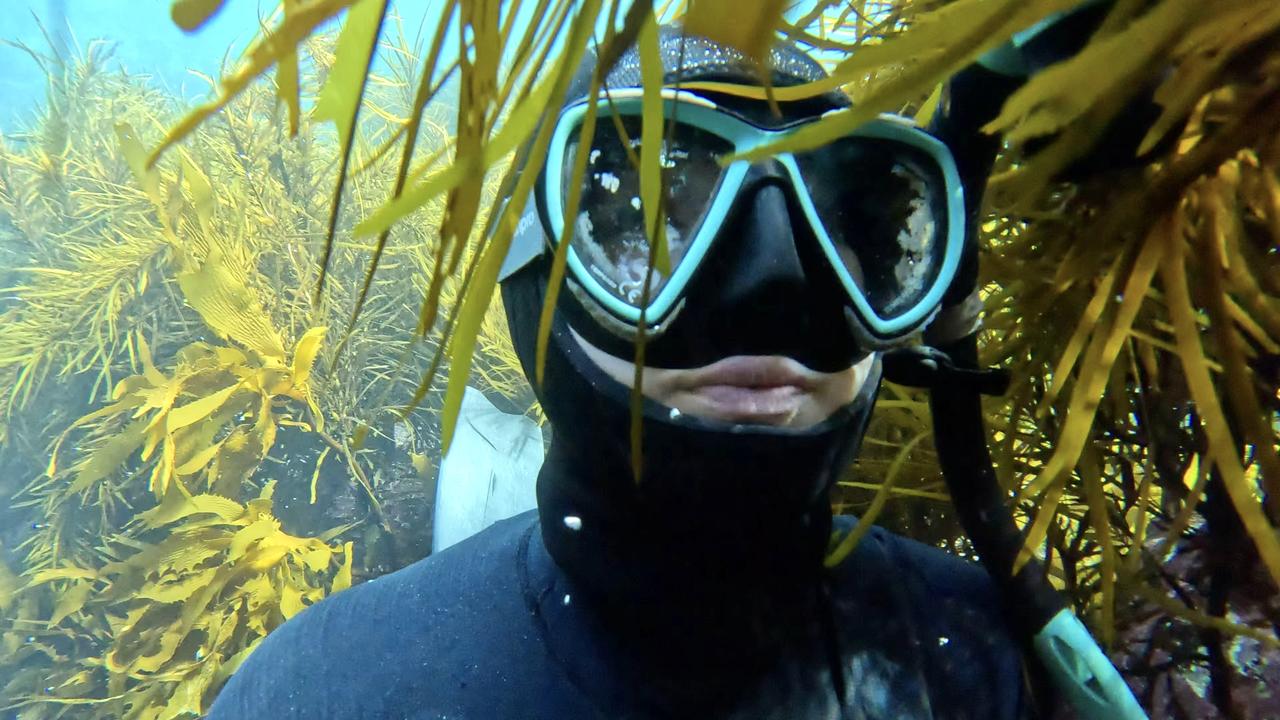
Ruby Fox made a significant discovery as a child while bobbing around in the ocean wearing goggles and floaties.
"I put my face in the water ... looked up and said, 'Mummy, mummy, there's a whole world down there'," Ms Fox told AAP, recalling one of her mother's favourite family stories.
That moment while snorkelling on a reef off Lord Howe Island was the beginning of the marine science student's enduring passion for life below the surface.
These days, the 22-year-old's ocean exploration gear is a bit more high-tech, involving video cameras and artificial intelligence as she studies the lives of sea lions.
She is part of a team from the University of Tasmania's Institute for Marine and Antarctic Studies following 15 females from colonies on Kangaroo and Olive islands in South Australia.
The researchers attach the lightweight cameras to the animals' backs, along with GPS and 3D tracking devices to monitor them as they forage, socialise and raise their pups.
Ms Fox keeps a spreadsheet of more than 52 million location points recorded over two years, which is then fed into an AI system to collate and map.
The work, in collaboration with Flinders University and the South Australian Research and Development Institute, helps scientists better understand how to protect the endangered species' habitats.
The data has shown one animal can forage for as long as 217 hours before coming back to its colony.
It confirms sea lions always return to the same place, meaning the protection of their homes is critical.
"It's a cool opportunity to see the colony lazing around on the rocks and then see footage of them foraging," Ms Fox said.
"No wonder they're always exhausted.
"But there's very few individuals that go between colonies, which makes it really concerning for any changes by humans or climate change."
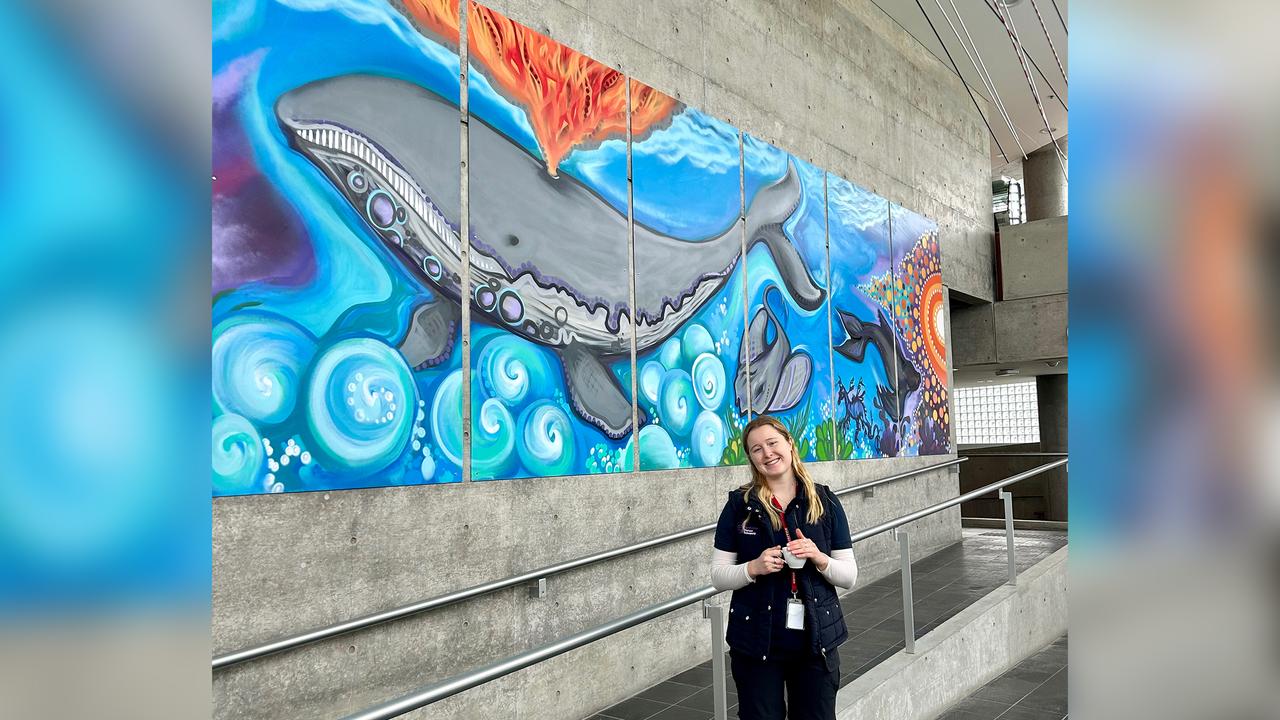
But working alongside a team of highly skilled researchers fuels her optimism that Australia's coast, landscapes and unique species can be protected.
Although a career in marine science may have seemed like a no-brainer from the beginning, Ms Fox initially doubted her abilities because maths was not her strong suit at school.
An Agrifutures Horizon Scholarship helped her understand the the value of her skills, including how AI tools could be used to help the environment.
She hopes to work in marine science and governance to help guide environmental policy, likely in the fisheries sector.
"Somewhere that helps people while helping the environment," she said.
Applications for the 2026 scholarship, which supports full-time students looking to work in agriculture-aligned industries, close on January 26.