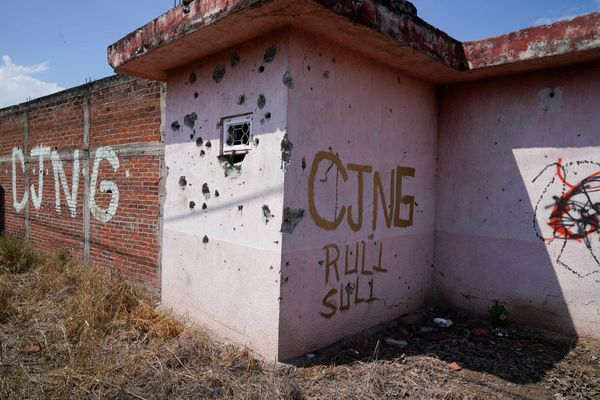
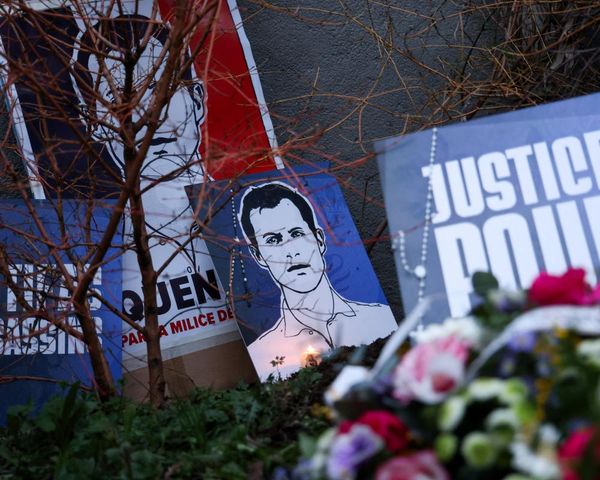
Truth has many paths. Sometimes it’s uncovered in the shadows of a city street, other times in the open pages of a morning paper. Both private detectives and journalists dedicate themselves to pursuing clarity in a world where rumors, speculation, and misinformation often take center stage.
At first glance, these professions might seem worlds apart. Yet when you look closer, the similarities between the two are striking. Both chase leads, both check facts, and both work within timeframes that can make or break a story. Firms like Paramount Investigators highlight how much modern detective work mirrors the skills reporters use daily.
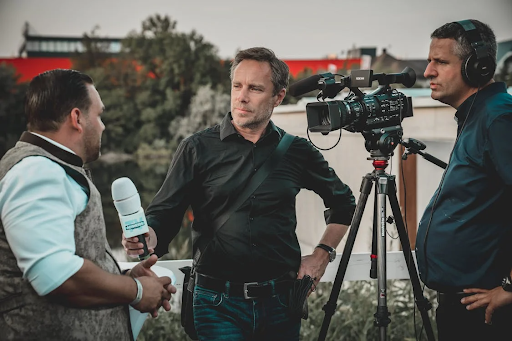
Photo by Mido Makasardi
The Shared DNA of Investigation and Reporting
Whether it’s solving a fraud case or breaking a political scandal, both investigators and journalists start with the same mindset: curiosity. Each profession thrives on asking the right questions, peeling back layers until the truth surfaces.
Detectives gather information through surveillance, interviews, and document checks. Journalists do the same, albeit in different environments. They rely on interviews, records, and field observation to build a picture that readers can trust. Both need to separate signal from noise quickly, a skill that comes only with practice and experience.
The Value of Evidence
For a private investigator, evidence might be a paper trail, hidden assets, or footage that confirms a suspicion. For a journalist, evidence comes in the form of recorded interviews, verified documents, and corroborated witness accounts.
In both fields, evidence is more than just a box to tick. It’s the foundation for credibility. Presenting information without solid backing can lead to lawsuits, lost trust, or even harm to the public. That’s why both professions demand discipline in gathering, checking, and presenting facts.
Timing Is Everything
In detective work, a delay might mean a target disappears, evidence is destroyed, or a lead goes cold. For journalists, timing can be just as crucial. A story that misses its news cycle risks irrelevance. Publishing too soon, however, without checking facts, can lead to retractions and damaged reputations.
Both professions balance urgency with accuracy. They know that rushing can undermine the very truth they’re trying to reveal, but waiting too long risks losing their audience or their case.
The Human Side of the Job
Detectives often spend long hours on surveillance, waiting for a crucial detail. Journalists do the same when covering an unfolding story. Both roles can be isolating, with irregular hours and pressure to deliver.
Yet the human side—the conversations, the moments of empathy, the ability to read body language—is what often tips the balance. Detectives and reporters alike need people skills as much as technical skills. Without trust, witnesses and sources rarely open up.
How Technology Changed the Game
Technology has blurred the gap between investigators and reporters even further. Online databases, social media monitoring, and digital tracking tools are now part of both toolkits.
- Journalists use digital archives and social platforms to verify stories.
- Investigators use GPS trackers, background check software, and cyber-sleuthing methods to uncover details.
Both professions face the same challenge: ensuring that technology helps rather than hinders credibility. A screenshot or a post might look convincing, but both know it still requires context and verification.
Why Their Work Matters
In a world overflowing with noise, the careful work of detectives and journalists stands out. Both professions remind us that truth isn’t always obvious. It takes patience, method, and an eye for detail.
For detectives, the outcome may be justice served or a client finally at peace. For journalists, it’s often a better-informed public or accountability for those in power. In both cases, the pursuit of truth protects communities and strengthens trust.
What We Can Learn From Them
Even if you’re not chasing leads or filing stories, there’s something to take away from the habits of detectives and journalists. Everyday people can sharpen their own critical thinking by adopting similar practices:
- Always verify information before accepting it as fact.
- Ask questions instead of assuming answers.
- Consider timing and context before making judgments.
These lessons apply not just to crime scenes or newsrooms but to daily life. In an era of fast headlines and constant updates, slowing down to check the facts is more important than ever.
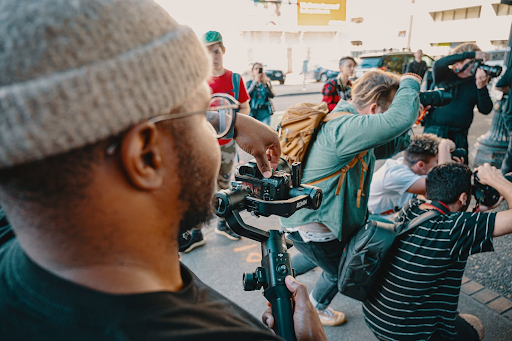
Photo by Brett Sayles
Conclusion: Two Professions, One Mission
Though their work looks different on the surface, private detectives and journalists share the same mission: find the truth and make it known. Whether the setting is a quiet surveillance post or a bustling newsroom, both jobs demand grit, patience, and respect for evidence.
The parallels remind us that truth has many champions. Detectives seek it for clients, journalists seek it for the public, but both remind us that clarity is always worth the effort.