
Menstruation is a natural aspect of a woman's life, yet it often brings along a host of uncomfortable symptoms and challenges. From painful cramps to mood swings and irregular periods, managing menstrual problems requires a holistic approach tailored to each individual's needs. Many individuals struggle with the monthly challenges of mood swings and menstruation pains in the hectic city life. These challenges go beyond simple issues and cast a shadow over daily life. With a strong resolve to discover answers, one sets out on a life-changing path toward a holistic perspective on menstruation health, realizing that reducing physical and mental distress requires a thorough comprehension and care of the body as a whole.
Dr. Gargi khokhar BDS, MIDA,PGDCC says, “As a doctor, I passionately support a holistic approach to menstrual health, understanding how deeply connected it is to a woman's overall well-being. Instead of just treating symptoms, it's vital to address all aspects of a woman's menstrual cycle - physical, emotional, and social. This means guiding and empowering women to understand their bodies better, fostering healthy habits, and offering mindfulness and stress-relief techniques. Embracing this holistic approach ensures that every woman receives comprehensive care for optimal menstrual health. Additionally, incorporating complementary therapies like using a warm towel or herbal remedies such as ginger and cinnamon, known for their anti-inflammatory properties, can bring added relief from menstrual discomfort.”
Dr. Akanksha Khanduja (MBBS, DGO, DNB), Consultant Obstetrics & Gynaecology, Orchid Clinic, Faridabad, Haryana says, “Maintaining a well-balanced diet and incorporating supplements like calcium, magnesium, and vitamin B can further support menstrual health. Herbal supplements such as evening primrose oil, chaste berry, ginger tea and acupuncture from a licensed practitioner may also offer relief. Furthermore, aromatherapy can be beneficial in reducing stress, pain, and improving sleep quality. Choosing the right menstrual products, such as tampons, sanitary napkins, or menstrual cups, can enhance comfort and mood.”
Here are 7 home remedies for all period problems:
Ginger Tea: Ginger contains anti-inflammatory properties that can alleviate menstrual cramps and reduce pain. Drinking ginger tea during periods can help soothe discomfort.
Cinnamon: Cinnamon helps regulate menstrual cycles and can reduce heavy menstrual bleeding. Adding cinnamon powder to your diet or mixing it with honey and warm water can be beneficial.
Turmeric Milk: Turmeric has anti-inflammatory and analgesic properties that can alleviate menstrual pain. Drinking warm turmeric milk before bedtime can help reduce discomfort and promote better sleep.
Fennel Seeds: Fennel seeds contain compounds that help regulate menstrual flow and reduce bloating and cramps. Chewing on fennel seeds or drinking fennel tea can provide relief from period symptoms.
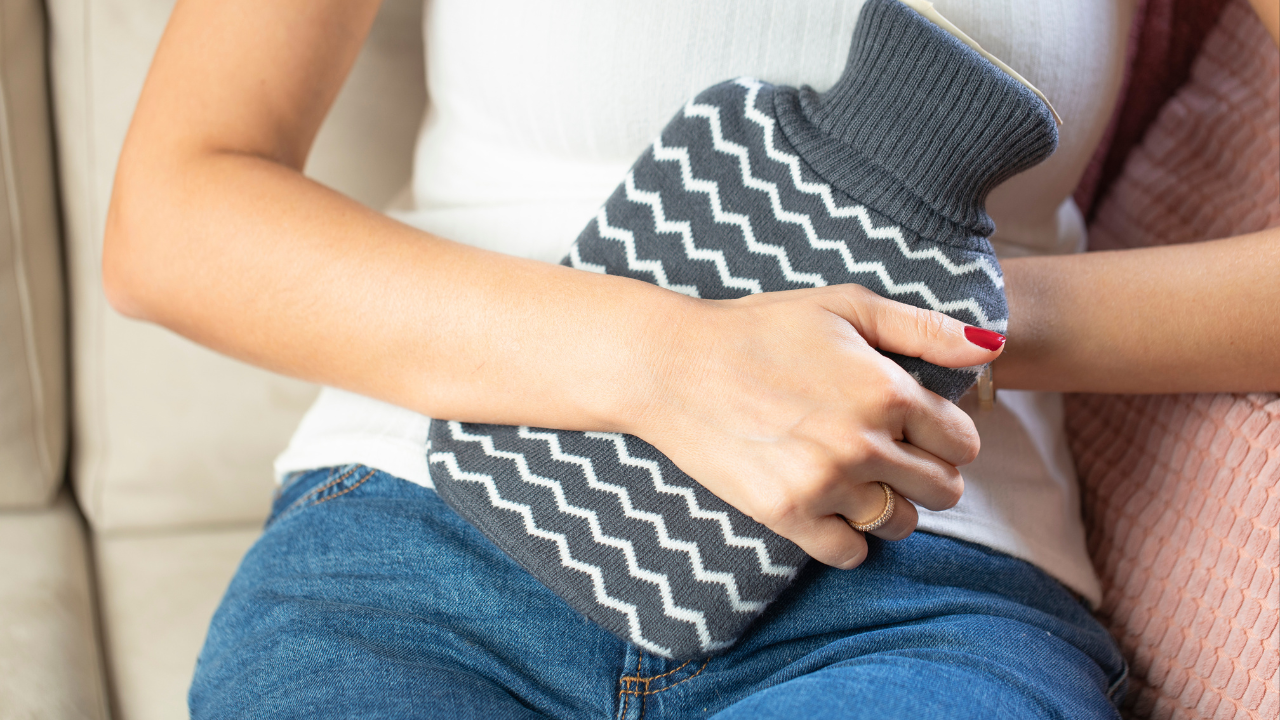
Heat Therapy: Applying heat to the lower abdomen can help relax muscles and alleviate menstrual cramps. Using a heating pad or taking a warm bath can provide soothing relief during periods.
Mint: Mint has a natural cooling effect and can help alleviate menstrual cramps and bloating. Drinking mint tea or adding fresh mint leaves to meals can help ease period discomfort.
Flaxseeds: Flaxseeds are rich in omega-3 fatty acids, which can help regulate hormonal imbalances and reduce inflammation associated with menstrual pain. Adding ground flax seeds to smoothies, yogurt, or oatmeal can help alleviate period problems.
In addition to these home remedies , there are several effective home remedies that can alleviate symptoms. Engaging in regular exercise and yoga poses can help ease menstrual pain, while mindful meditation can reduce anxiety and mood swings. A warm bath or heating pad can also provide relief from cramps, and prioritizing quality sleep and hydration is essential.

According to Mahipal Singh, founder, Revaa, “The journey commences with an exploration of techniques like yoga and meditation, revealing strategies that not only ease cramps but also restore a healthy equilibrium to mood swings. Nutrition becomes a crucial partner in the fight against discomfort; eating a diet high in items that reduce inflammation becomes a basic tactic. Magnesium-rich foods like spinach aid in reducing cramps. Hydration is key, and a balanced diet ensures the body receives essential nutrients.”
Keeping track of one's menstrual cycle, symptoms, and triggers is valuable for anticipating and managing symptoms effectively. Ultimately, consulting with a healthcare professional for a thorough evaluation and targeted treatment is essential for addressing specific issues.