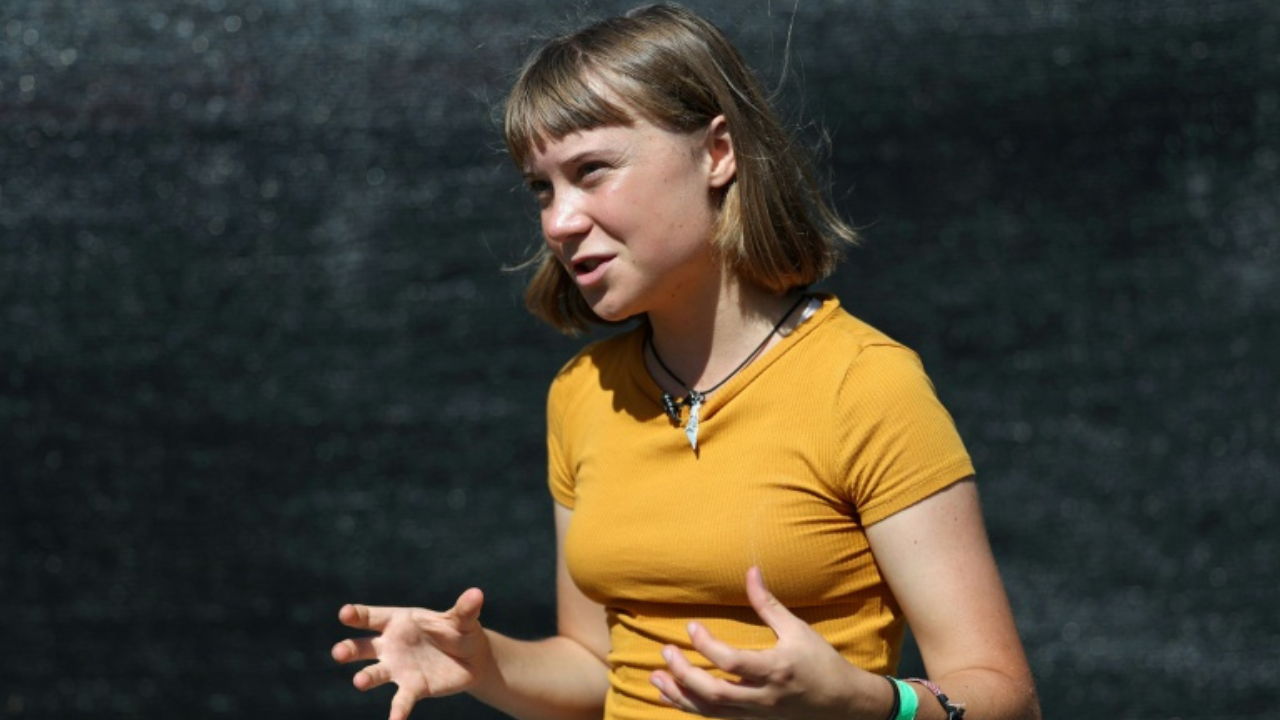
The arrest of Greta Thunberg under Britain's terrorism laws has ignited a fierce national row over how far the UK is now willing to go in policing protest, particularly when sweeping counter-terror powers are used against non-violent political expression.
The 22-year-old climate activist was detained during a pro-Palestinian demonstration in central London before being released on bail, with the case now poised to become a flashpoint in the escalating clash between national security enforcement and free speech.
Arrest Under Terrorism Legislation
Thunberg was arrested on Tuesday in the City of London after police said she displayed a placard referencing a group formally proscribed by the UK government as a terrorist organisation.
Officers confirmed the arrest was carried out under powers contained within the Terrorism Act, which makes it a criminal offence to express support for a banned organisation, including through signs or written material.
A spokesperson for City of London Police said several arrests were made during the protest, including two linked to allegations of criminal damage. Thunberg was arrested separately after attending the scene and displaying the placard.
Bail and Next Steps
Police later confirmed that Thunberg was released from custody and bailed until March. At this stage, no further details have been provided about whether charges will be pursued. The case remains under investigation.
The decision to bail rather than charge immediately leaves open questions about how prosecutors may interpret the use of terrorism legislation in protest-related cases, particularly those involving symbolic or political speech.
Why the Law Applies
According to CNN, the arrest reflects how UK counter-terrorism legislation can be applied to public expressions of support, including placards and slogans, once an organisation has been formally proscribed, even where no violence or direct action is alleged.
Legal experts have previously noted that the law is designed to prevent the normalisation of banned organisations, but critics argue that its application in protest settings risks drawing ordinary political expression into counter-terrorism policing.
A Familiar Courtroom History
This is not the first time Thunberg has faced legal action in the UK. In 2024, she was cleared of a public order offence after a judge ruled that police had acted unlawfully during an earlier protest. That ruling centred on whether officers had the authority to impose conditions on demonstrators.
The contrast between that acquittal and the current arrest under terrorism legislation has drawn attention to how protest policing has evolved, particularly as authorities rely on different legal frameworks to manage demonstrations.
International Activism and Scrutiny
Thunberg's activism has increasingly placed her at the centre of geopolitical controversies beyond climate change.
In October, she was detained and expelled by Israeli authorities after joining an international aid flotilla attempting to reach Gaza. Israel has consistently rejected allegations of genocide related to the conflict.
Her involvement in protests linked to Gaza has intensified both support and criticism, placing her actions under closer legal and political scrutiny in multiple jurisdictions.
Free Speech Concerns Intensify
Civil liberties groups have warned that the use of terrorism legislation in cases involving peaceful protest could have a chilling effect on public expression.
While the government maintains that proscription laws are necessary for national security, campaigners argue that their reach now extends into areas traditionally protected by protest rights.
As Thunberg awaits the next stage of the legal process, her arrest has become a flashpoint in a wider conversation about where Britain draws the line between security, protest and free speech.