
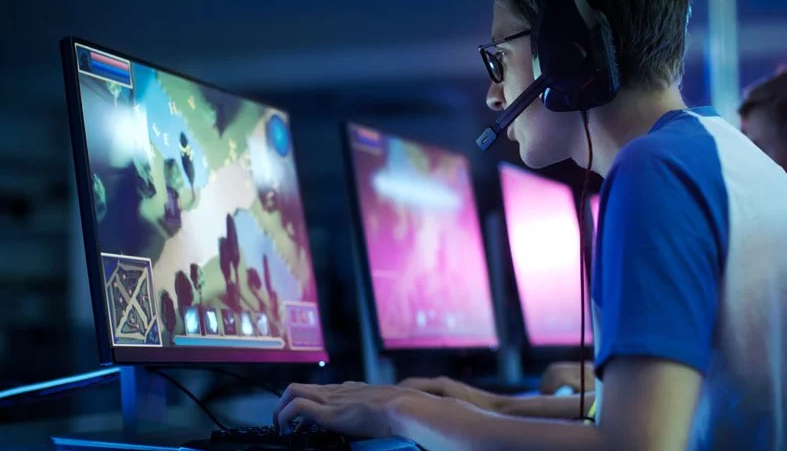
Online gaming has expanded from a hobby to a world trend. What started as a simple and casual game has developed into a booming business that has professional leagues, major tournaments, and millions of players who are also avid fans. Nowadays, gaming is not just entertainment; it is a culture, a profession, and even an investment.
Online games were in their early days and were primarily fun and social. Players networked with each other, making use of basic networks, visiting the virtual world, and competing to have the highest score. Games were not hard, and yet they led to imagination. Societies were formed organically, and by word of mouth, the new titles could acquire popularity. It was not about competition, profit, or enjoyment, although some players began to explore opportunities to trade CS2 skins.
Technology in the past has developed at a high rate. Fast internet, powerful computers, and advanced consoles enabled developers to make worlds that were immersive and detailed. The graphics became better, and the gameplay was more complicated. Through the advances, online games brought out new audiences who include the casual gamers and the serious gamers interested in competition. Games that used to be considered niche are mainstream.
The emergence of esports has changed the game. Professional leagues and tournaments have become big in terms of prize money, sponsorship packages, and streaming agreements. Players also go through hard training regimes of up to eight or ten hours a day, learning to play the game, improving their reflexes, and working on teamwork. The Esports organizations attract talent globally, where they provide players with an organized route to professional careers. Previously, it was a hobby, but it has turned into a major career for others.
The effect of online gaming on the economy is not what one expected. Collectibles, in-game currency, and virtual items have real-world value. People can trade CSGO skins through special platforms, which generate a parallel economy that extends simultaneously with the game. This is the economic aspect that has given gaming more credence than a hobby. Skill, strategy, and smart trading have allowed fans to earn money.
Online gaming has been enhanced by streaming platforms. Players can stream their gameplay to millions of people with the help of services such as Twitch, YouTube, and Facebook Gaming. Popular streamers win their fans, sponsorships, and revenue and make passion their meal ticket. The synergization of esports and streaming has removed the distinction between entertainment and competition. Casual viewers tend to be individuals who become participants in communities, and others who even compete.
Another reason is the social element of online gaming. Playing games that involve more people brings about international networking among people, forming friendships beyond international boundaries. Gamers get an opportunity to communicate in real time, plan strategies, and help each other in the high-stakes matches. Online communities offer a sense of belongingness and purpose to many people. Social interaction used to be an incidental feature of the gaming experience, but now it is central.
The game developers have realized the possibilities of this trend. Numerous design naming is done keeping in mind both amateur and professional gamers. Such characteristics as ranked matches, seasonal events, and tournaments attract a wide range of people. The developers are also responsive to player reviews, improving gameplay, correcting bugs, and introducing content to keep the communities going. Instead of being a one-way entertainment business, the industry has changed to a two-way interaction based on the importance of the involvement of players.
Mobile gaming has also increased access to online gaming. Games have ceased to be PC or console-based. Millions of people can interact anywhere at any time with their Smartphones. Lasting games are prosperous in terms of this access, and competition games on mobile have leagues and tournaments. This expansion guarantees the fact that online gaming keeps advancing and acquires new demographics.
Other signs of the economic impact of online gaming include merchandise and an online marketplace. Cosmetic accessories and even rare value collectibles are bought and sold by players. Some of these markets get flooded by people who sell CS2 skins, and this results in micro-economies inside games. This trend highlights financial opportunities, which are present in conjunction with gameplay. Gaming culture has taken on virtual assets as a serious aspect of its culture, which dictates the behaviour of players and the revenue of the industry.
The online gaming cultural influence is a fact that cannot be ignored. Games shape music, fashion, storytelling, and social media trends. Young individuals are influenced by iconic characters, virtual worlds, and esports events in their interaction with media. This has transformed gaming from a personal activity to a community affair. International events such as tournaments attract the same level of attention that conventional sports attract, and spectators rejoice in successes and debate tactics.
Online gaming is becoming useful in terms of education and skill development. Problem-solving, teamwork, and strategic thinking are improved using many titles. Professional leagues need discipline, communication, and promptness. Gamers are able to gain skills that can be used in other aspects of life, such as career planning and leadership. Online gaming is also being regarded by more and more people as a personal development tool and not as an entertainment tool.
It is expected that online gaming will be further innovated in the future. The fields of virtual reality, augmented reality, and artificial intelligence will transform the gameplay experiences. The limits of reality will be stretched with the help of immersive worlds, realistic simulations, and adaptable gameplay. The boundary between amateur and professional sports can further become blurred, as technology facilitates involvement in the game and makes it more interesting and available to players.
To sum it up, online gaming has developed at a very high rate. Since it was played casually by a group of friends, it has become a diversified industry. Players can now make money, compete, and connect in the scale never seen before. Combining the worlds of virtual economies, streaming, and competitive games has cemented its status in today's culture. This is a force that started as mere entertainment but has taken up the dynamism of forming communities, careers, and economies globally. The future of online gaming is not yet concluded, and its fast development guarantees the fact that it will keep achieving, shooting, and inspiring generations to come.









.png?w=600)




