When Halt and Catch Fire premiered last year, it was considered, at best, a muted success. A period drama based on the tech boom of early-80s America, it was clear AMC was angling to repeat the feat it pulled off with Mad Men – that of making a workplace serial set in the recent past seem somehow compelling. But muddy plotting, erratic pacing and occasionally daft writing prevented it from being the runaway hit you could tell it was desperate to be. It wasn’t until the second season, which wrapped up last week and ironed out most of the irksome creases of the first, that it grew into itself. Reviews so far have been gushing: its current rating on Rotten Tomatoes is a whopping 94%. “Halt and Catch Fire became the new Mad Men when it stopped trying to be,” as Time magazine adroitly put it.
With so many shows getting nobbled at the first sign of a drop in viewing figures, it’s refreshing to see a show such as Halt and Catch Fire being given time to grow and find its feet. As it showed with Rubicon, AMC has no qualms about giving the Old-Yeller treatment to underperformers after one season, either. But its patience in this case, it would seem, has paid off.
Sometimes it does take a season for shows to get going. A dry run, if you will. It happens. It took these shows a season to get the engine ticking over, too.
It’s Always Sunny in Philadelphia
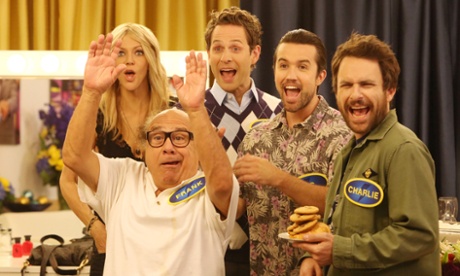
Few comedies make it to season 10, but the foul drunken exploits of five narcissistic reprobates in a Philly pub have done just that. It had a bumpy start, though: in comparison to the nine that followed, the first season feels cold. Formulaic. Underdone. It was deeply and visibly in thrall to the cringe-comedy of Curb Your Enthusiasm, and seemed to be operating from a taboo checklist – race, abortion, cancer – of topics to poke at. Sure, it would come back to all of these topics eventually, just in a more novel, It’s Always Sunny... sort of way.
The show circled the plughole of cancellation until FX decided to give it another chance. The president of the channel was friends with Danny DeVito, so asked him to guest star. DeVito is still there. The second season upped the silliness: the “scheme of the week” aspect gave each character a unique deplorability and demanded at least one amazing meltdown per episode. Just like that, it was fixed, and the programme is now one of the best-loved comedies of the past decade.
Red Dwarf
Red Dwarf’s rude run of form lasted five fairly untouchable seasons, from the second up to and including the sixth. Even to its its staunchest fans, no amount of nostalgia or goodwill can change the inescapable fact that any Red Dwarf made post-1993 (season seven onwards) is toilet. But it’s easy to forget that, in comparison to its golden age of 1988 to 1993, the first season wasn’t much cop, either.
In its defence, what it did have was the writing duo of Rob Grant and Doug Naylor, so the dialogue had the nascent crackle for which the show would become famous. But, in hindsight, the tone of the first season feels darker than it should; more oppressive, more desolate. This is a show about the last human alive, so you can see why, but it wasn’t until the second season – fairly similar to the first in most respects – that the actors bedded into their roles. The Lister/Rimmer dynamic reached its bitter peak, the original Holly’s role was expanded to superb effect, and storylines became lighter, more fantastical and more, well, sci-fi.
Parks and Recreation
The characters were there in the municipal comedy’s first season, they were just inchoate, shallower, less likeable versions of the cheek-pinchable bunch they eventually became. Leslie was a preening jobsworth, Andy was a douche, Tom was impulsively punchable, and Ron Swanson was, with the deepest appreciation of the Moustachioed One, a libertarian chump. Parks and Recreation eventually sanded down its characters’ more abrasive edges, leaving chummier, cheerier ones in their place. As with It’s Always Sunny..., Parks and Recreation’s second season also benefited from the introduction of a big-name new cast member, in its case Rob Lowe’s Chris Traeger, who would go on to become a series regular.
Anyone starting the episodes currently showing on Dave – season four through to seven – should rest safe in the knowledge that they’re seeing the show at its best. The first is fine, it just isn’t indicative of the rest.
Blackadder
It’s bizarre nowadays to think that anything besides a bottomless ditch could be improved by the presence of Ben Elton. And yet, Blackadder’s first season is a bit of an oddity: Rowan Atkinson’s titular Duke is the simpering, gormless buffoon, while it’s Tony Robinson’s Baldrick who is the wily schemer. It just doesn’t work. With all its costumes and locations, it was also quite an expensive misfire for the BBC: it took three years, a slashing of the budget and a writing-room switcheroo to get the show recommissioned.
Richard Curtis brought in Ben Elton to replace Atkinson on writing duties, newfound thriftiness-by-necessity turned it into a more conventional studio-based sitcom, and the rest was history. It was, you could say, a cunning plan.
Justified
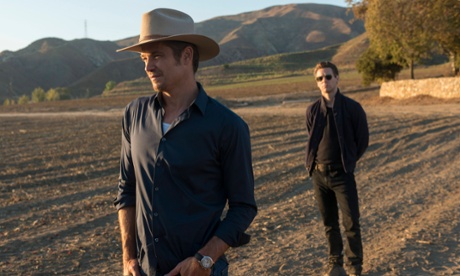
Recommending a series with the caveat “just get through the first season and you’ll be hooked” doesn’t pique many people’s interest. But this modern western starring Timothy Olyphant as trigger-happy US Marshal Raylan Givens is worth the effort. Justified’s opening run is little more than a fairly conventional procedural: it introduces the people and the place, so it is – unfortunately – essential, and there are longer arcs bubbling away in the background, but it’s solid without daring to try to be anything more.
Season two bumped Walton Goggins’s loquacious criminal Boyd Crowder up to a main cast member role and dropped the case-of-the-week format in favour of season-long serialised narratives. The show had found its niche. If you haven’t seen it, you really should: it’ll snare you. But you’ll have to get through that pesky first season first.
Breaking Bad
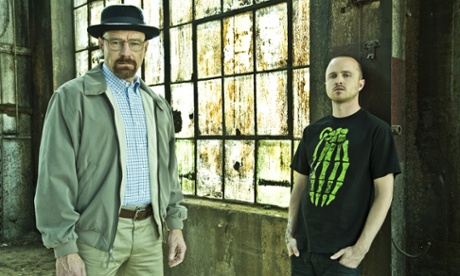
Season one of Breaking Bad definitely had its moments: some of the most memorable cold opens in recent memory, or any time Tuco was on screen, for instance. But, considering it was only a lean seven episodes long, the fresher’s run of Walter White’s odyssey felt stodgy and sluggish in a way subsequent seasons never had time to. Marie’s kleptomania, Walt Jr’s half-arsed foray into teenage rebellion and Jessie’s family issues all felt as if they were unnecessary sashays away from the infinitely more diverting central story.
From season two onwards, the show hit a canter, then a gallop, and then all of a sudden it was over. The first is no disaster – its clutch of awards and the fact that my mum likes it is incontrovertible evidence of that. But it was the later seasons that turned the show from a diverting, well-acted drama to a genuine worldwide phenomenon.
-
Which other shows took a while to get going? Have your say in the comments section below


.jpg?w=600)