After a long year for many of us, Christmas is at last in sight – along with the chance to catch up with loved ones. Unfortunately, the holidays also mean an increased risk of spreading Covid-19. Over the next few weeks, more of us could well be mixing socially as well as travelling to visit friends and family.
Despite Plan B advising everyone who can work from home to do so, that face masks must be worn in some public indoor venues, and the NHS Covid pass becoming mandatory for entry into venues where large crowds gather; the arrival of the Omicron variant means it’s still likely that cases will rise over the coming weeks. So as we attend more events, such as Christmas parties or religious services, it’s important everyone takes action to limit the spread of transmission by adopting Covid-safe behaviours.
And while many of us are already familiar with well-known Covid-19 symptoms, such as a new and continuous cough, fever, changes to our sense of smell or taste, or general fatigue, symptoms of the new variant, experts say, may not necessarily manifest in the same way. We may not even realise we’re contagious as many people show no symptoms at all. This means it’s never been more important to play our part and remain vigilant against the spread of Covid-19 as best we can, to help keep ourselves – and each other – safe this Christmas.
It’s vital we don’t become complacent as we get into the swing of festivities, or thanks to the arrival of vaccine boosters, says government chief scientific adviser Sir Patrick Vallance. “While vaccines are offering us good protection, Covid-19 is still with us,” he says. “Stay safe over the festive period by taking simple but effective steps like wearing a face covering in crowded indoor spaces, testing regularly, ventilating rooms where possible and getting a booster or vaccine when offered. By doing this, we can reduce the spread of the virus and keep ourselves and others safer.”
Take up vaccine boosters
Experts agree that the vaccine is our best defence against Covid-19, reducing our chances of catching and spreading the virus, and of becoming seriously ill if infected.
The vaccines are safe, effective and the best thing we can do to protect ourselves and loved ones this winter (especially pregnant women, who have a higher risk of complications if they contract Covid-19 and aren’t vaccinated).
So far, vaccine take-up has been successful in the UK, with millions of us set to receive our boosters in the coming weeks (currently more than 46 million people in the UK have had their second vaccination, with more than 21 million having received their booster or third dose).
In light of the new Omicron variant, the booster programme has been expanded to offer all adults aged 18 and over a top-up jab by the end of December.
It’s important not to forget about other jabs and boosters – such as the flu vaccine, which could prove more valuable than ever. Because of the distancing measures put in place last winter, there were fewer cases of flu, which, experts say, could result in a rise in strains this year, as well as less immunity.
“Both flu and Covid-19 cost lives, and the increased threat from these two deadly viruses this winter makes it even more important that anyone eligible comes forward for a flu vaccine as soon as possible and books in their Covid-19 booster when they’re invited,” says NHS deputy vaccination programme lead Dr Nikki Kanani. “The vaccines are safe, effective, and the best thing you can do to protect yourself and your loved ones.”

Wear a face covering in crowded and enclosed areas
Research shows that close contact with people increases our chances of catching Covid-19, and we have a much higher risk of catching or passing it on in crowded or enclosed spaces. Covid-19 tends to spread through the tiny droplets and aerosols released when an infected person breathes, speaks, coughs or sneezes – those particles containing the virus can infect anyone who comes into contact with them.
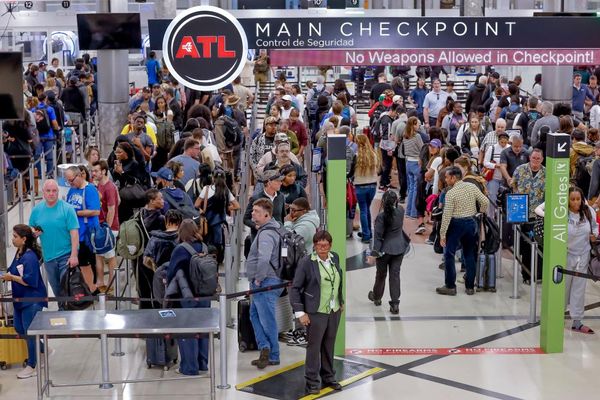
Face coverings are a good way to reduce transmission, so by wearing one in busy public settings and when meeting members from other households, you can help limit transmission. Remember, it won’t always be obvious if the person next to you is infected. Face coverings must currently be worn in shops, some indoor venues and on public transport unless you’re exempt for medical reasons, or a child under 11. The same goes for transport hubs, such as railway stations and airports.
Likewise, when legally required, business owners, including transport operators, should ask employees and customers to wear masks.
To protect yourself and the people close to you effectively, it’s worth checking that face masks always cover the nose and mouth completely, and are made from at least two layers of material.

Ventilation matters
In May last year, the virus causing Covid-19, Sars-CoV-2, was officially recognised as “airborne”, meaning it is highly transmissible through the air. It is thought that all variants of the virus are transmitted this way and that transmission mainly happens indoors, where people are close together. That’s why it’s always worth keeping areas as well-ventilated as possible. This might mean keeping windows ajar or briefly opening up doors to create a good flow of air to help disperse the virus (during cold spells, opening doors or windows for just 10 or 15 minutes is helpful).
It’s not just at home we should be ensuring that windows and doors are opened – workplaces have to be well-ventilated too to protect employees and customers.
People also need to remember to check in using the NHS Covid-19 app when appropriate, so that swift action can be taken to help limit the spread of the virus if an outbreak occurs.
Of course, the best places to meet in terms of ventilation are still outdoor spaces, where there is plenty of fresh air compared with crowded or enclosed areas, so thinking ahead is a smart idea. Could you suggest a walk or coffee outside, instead of meeting inside with a friend or loved one?
Don’t forget to test regularly
Ensuring we test ourselves – and encouraging loved ones to test – not only helps stop the spread of the virus, but gives much-needed peace of mind, too. It’s especially important ahead of periods of “higher risk” (say, if you’re socialising indoors with many people, for example, or visiting those who are at a higher risk of severe illness if infected).
“Lateral flow devices are effective at finding people with high viral loads who are most infectious and most likely to transmit the virus to others,” says Dr Susan Hopkins, of Public Health England. “It’s a very good test.”
You can get up to two packs of seven rapid lateral flow tests from a local pharmacy. If you give the pharmacy a “collect code” when you pick up the tests, it helps the NHS match your details to the tests. Many schools and workplaces also offer free rapid lateral flow tests, and you can also visit nhs.uk/get-tested to order yours
Aim to get in the habit of taking rapid lateral flow tests before going to a crowded event, meeting friends and family, or visiting people with a higher risk of becoming seriously ill if infected. If the test is positive, ensure you self-isolate and take a PCR test, say experts. Don’t forget to test children before and on return to school after the holidays, too.
Anyone 12 or over must show proof of a negative PCR or lateral flow test before travelling to the UK from abroad. The test must be taken two days before travel to the UK. People arriving in the UK also have to self-isolate until they receive a negative PCR test on day two after their arrival (and a passenger locator form has to be completed).
Remaining vigilant for symptoms is more important than ever, so if you notice any, self-isolate and arrange a PCR test as soon as possible. Likewise, if you have come into contact with anybody who may have been infected, self-isolate for 10 days, regardless of your vaccination status. Be sure to report test results (negative or positive) at gov.uk/report-covid19-result or by calling 119 – it helps the NHS monitor the spread of the virus, and ultimately saves lives.
Plan B: key dates and measures
Friday 10 December: face coverings compulsory in some public indoor venues, such as cinemas, theatres and places of worship in England.
Monday 13 December: in England, those who can will be advised to work from home. Anyone who cannot work from home should continue to travel to their workplace. The governments in Scotland, Wales and Northern Ireland had already advised people to work from home if possible.
Wednesday 15 December: the NHS Covid pass on the NHS Covid-19 app will become mandatory for entry into nightclubs and settings where large crowds gather – including unseated indoor events with 500 or more attendees, unseated outdoor events with 4,000 or more attendees and any event with 10,000 or more attendees. People will be able to demonstrate proof of two vaccine doses via the app. Proof of a negative lateral flow test will also be accepted.
This advertiser content was paid for by the UK government. All together (“Get vaccinated this winter”) is a government-backed initiative tasked with informing the UK about the Covid-19 pandemic. For more information, visit gov.uk/coronavirus