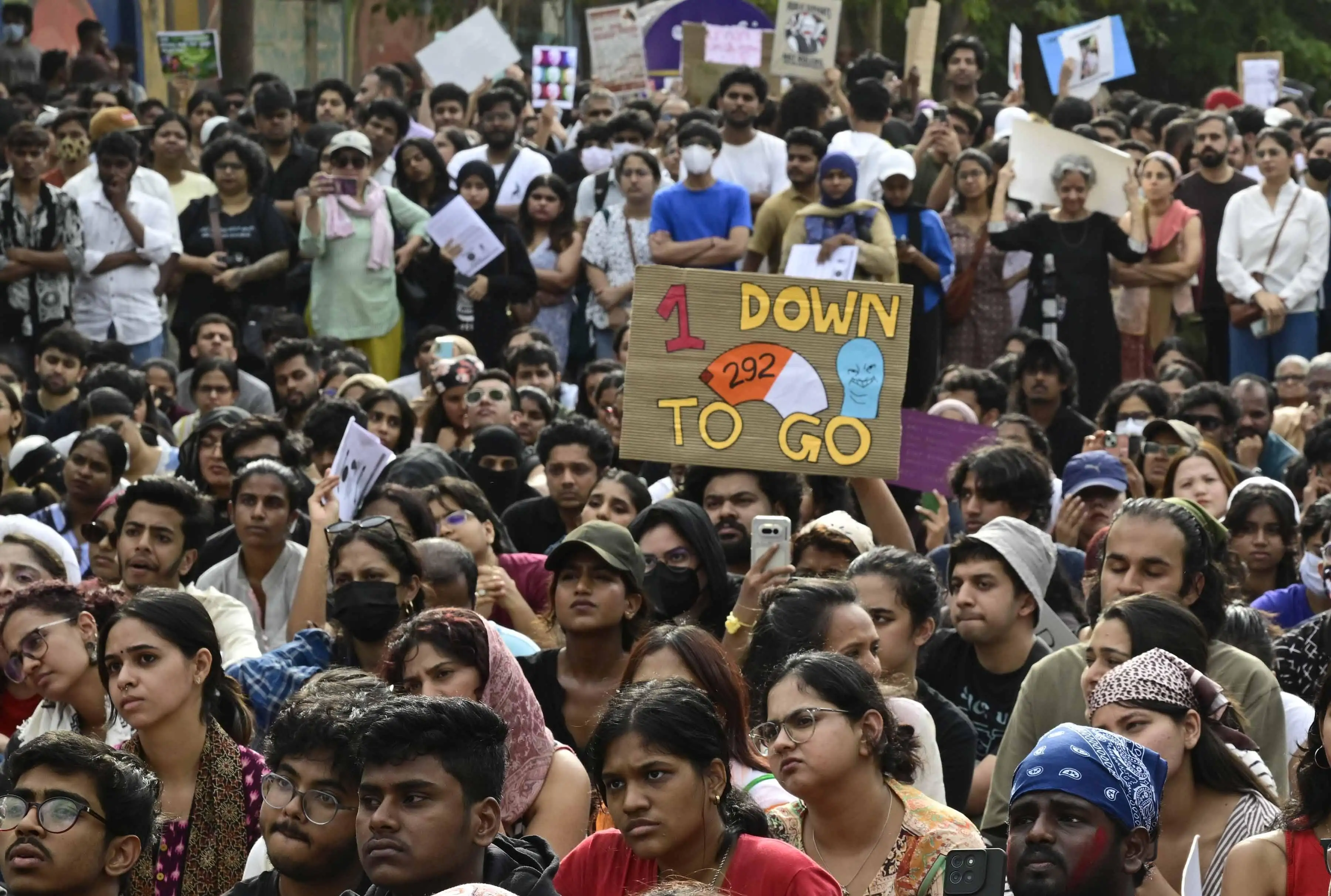
The celebrations by many members of Gen Z over the exit of the Union Education Minister are understandable. But changing the person at the helm will not solve the deep-rooted problems of India's education system. Unless the system itself is reformed-and reformed urgently-we will continue to witness the same cycle of disappointment. Indian education needs structural surgery, not another dose of cosmetic treatment.
The crisis begins long before students enter universities. It begins in early childhood.
Nearly 4.5 crore children aged three to six years attend Anganwadis, representing only about 56% of children in that age group. For millions of poor children, the Anganwadi is the only gateway to early education. Yet many Anganwadis continue to function primarily as nutrition centres rather than vibrant early learning institutions. The responsibility for pre-primary education remains divided between the Ministries of School Education and Women & Child Development, delaying the creation of an integrated system of Early Childhood Care and Education.
The consequences are lifelong. Children who begin school without foundational language and numeracy skills struggle throughout their education, with the greatest burden falling on disadvantaged communities. India already has nearly 14 lakh Anganwadis. The challenge is not to build new institutions but to transform existing ones into high-quality learning centres.