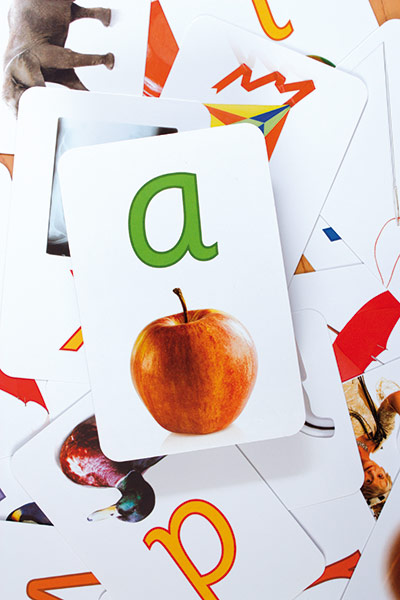
An alphabet snap card from the Early Learning Centre depicting a lower case letter 'a'
Illustration: Early Learning Centre, 2007

The Argentine designer Victor Garcia created this Zootype font in 1997. Animal heads peek into the black block forms of the letters
Illustration: Victor Garcia, 1997

The copyright symbol, shown by a circled c, is used in copyright notices for commercial works
© other
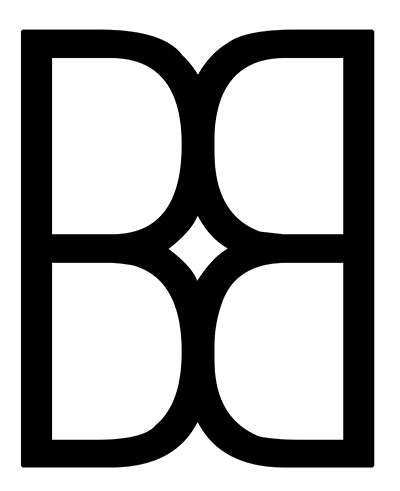
Jonathan Lander created the Laphabet, a new typeface that explores the visual potential of the alphabet. By playing with mirroring techniques, Lander gives each letter a new appearance
Illustration: Jonathan Lander, 2009

Composed of myriad letter Es - resplendent in a bright, neon rendering - this image appears almost to move on the page
Illustration: Designer Things
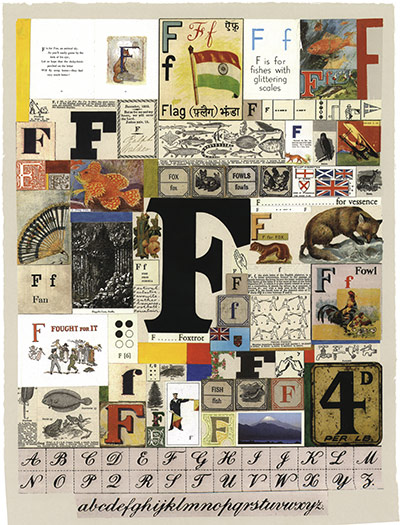
Pop artist Peter Blake's Alphabet portfolio demonstrated his passion for collecting letters and imagery
© Peter Blake, 2007
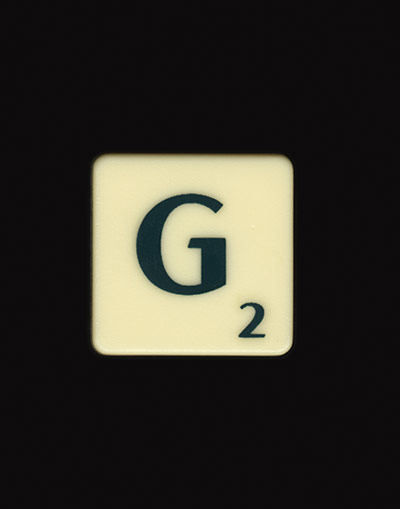
Scrabble is the world's best-selling word game
© Alfred Mosher Butts, 1948
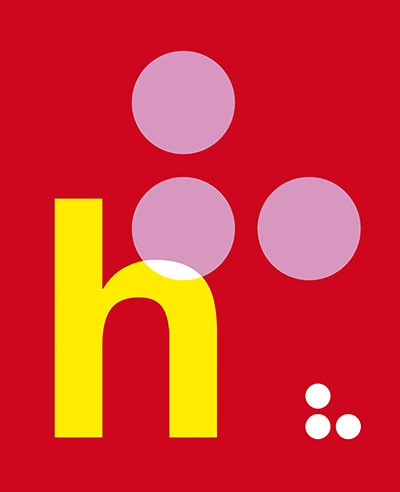
Devised in 1821 by Louis Braille, the alphabet is based on a code system used by Napoleon's soldiers to convey messages silently and without light
Illustration: Black Dog Publishing
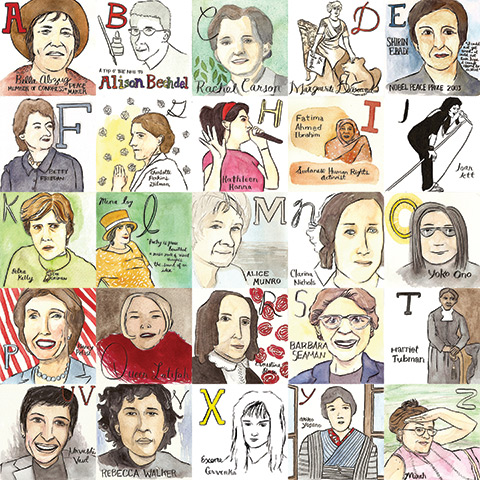
Completed during Women's History Month by artist Carrie O'Neill. The women illustrated represent a range of causes and include Betty Friedan, Harriet Tubman and Shirin Ebadi. 'I' is for Fatima Ahmed Ibrahim, the Sudanese writer, women's rights activist and socialist politician
Illustration: Carrie O'Neill, 2009

Using the standardised sequence of long and short elements to represent the ltters of the alphabet, Mattias Jakobsson and Peter Strom created this striking typeface design
Illustration: Konst & Teknik, 2009
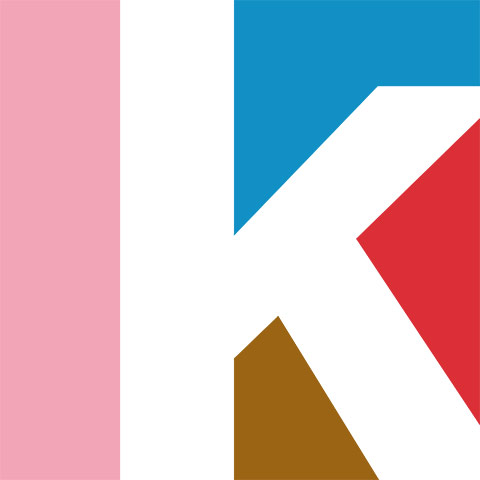
Coleen Ellis's book on alternative approaches to seeing and understanding letterforms dismantled the Latin alphabet, shifting the focus from the subject — the letter — to the surrounding space
Illustration: Colleen Ellis, 2009
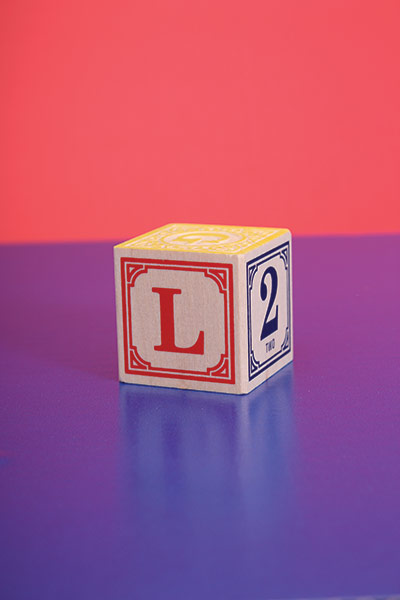
First designed in the 17th century, alphabet blocks were one of the first toys that aimed to provide education and enjoyment Photograph: Black Dog Publishing
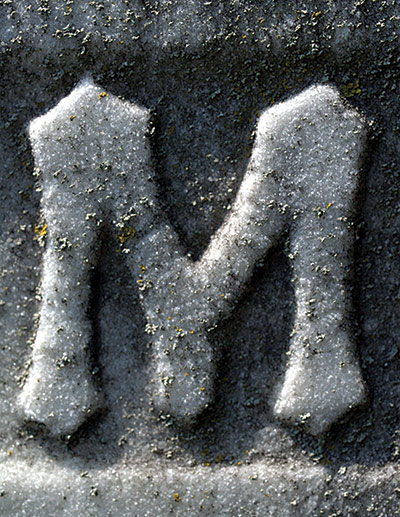
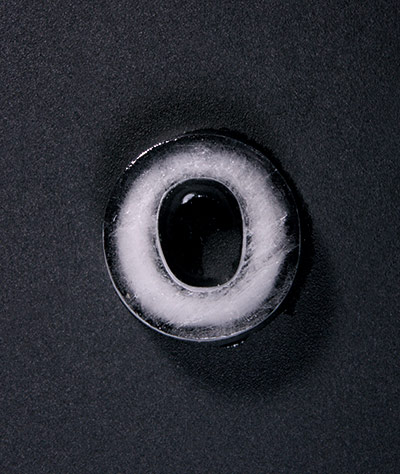
The letter is carved out of granite, and sparkles with quartz and lichen Photograph: Jim Kuhn, 2008
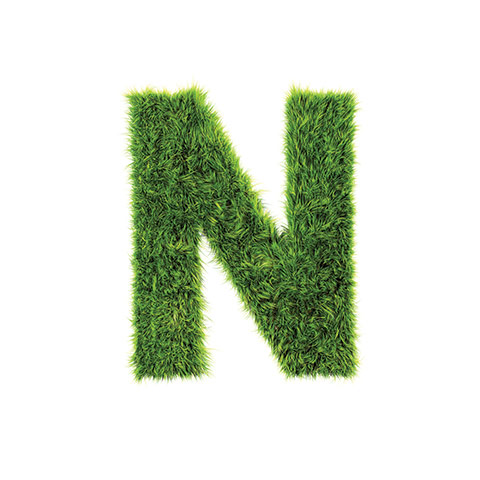
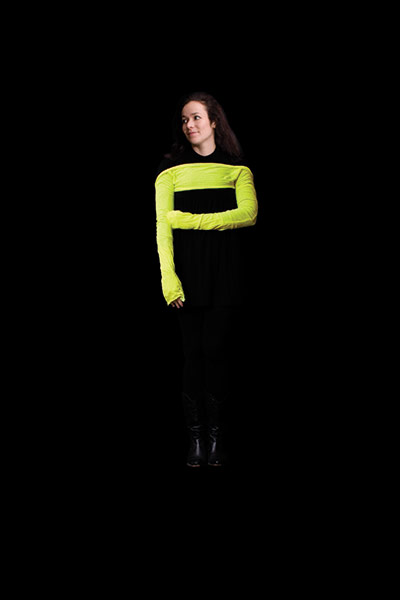
A green sleeve that, when worn in different ways, allows the wearer to personify every letter of the alphabet Photograph: Amandine Alessandra, 2009
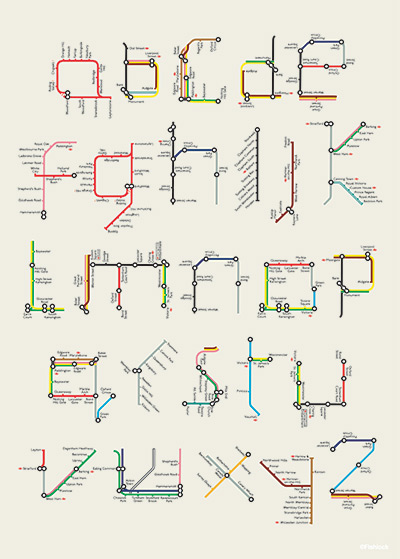
This work, by London-based designer and illustrator Tim Fishlock, takes the form of a poster where each letter of the alphabet has been fashioned out of sections and lines from the London Underground map, originally created by Harry Beck Photograph: Tim Fishlock, 2009
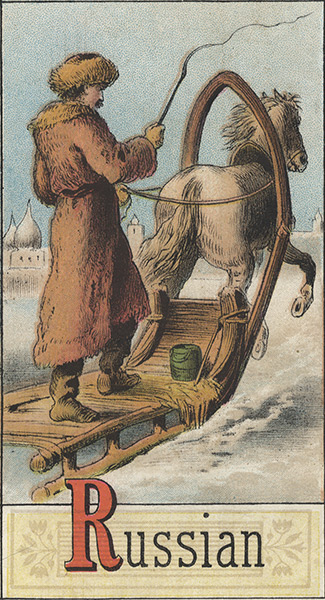
This children's book shows portraits of a nationality or ethnicity for each letter of the alphabet - except Q and X Photograph: T Nelson & Sons, 1874
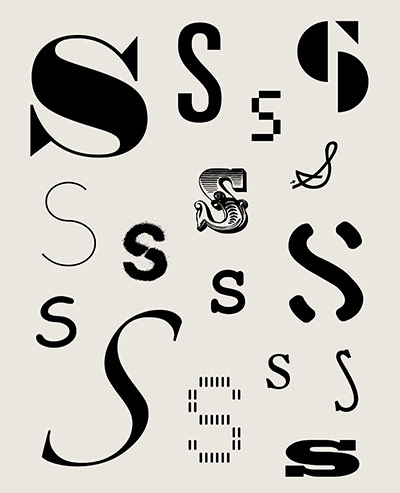
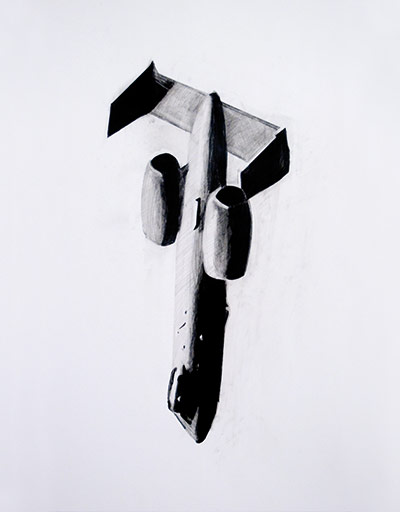
Fiona Banner has been experimenting with images of fighter planes, and with language, since her time at art school. In The Bastard Word, Banner constructs the 26 letters of the alphabet by dissecting and rearranging her drawings of specific aircraft and components
Illustration: Fiona Banner, 2006-2007
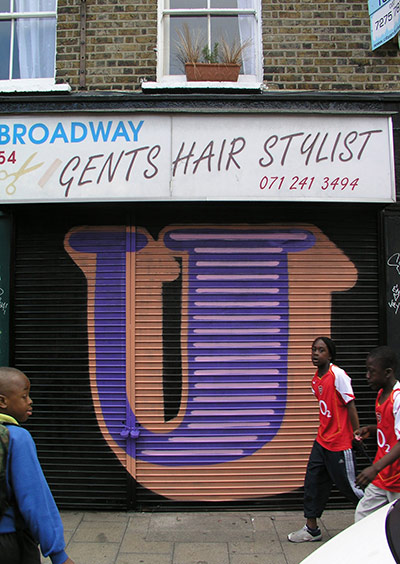
British street artist Ben Eine has succeeded in transforming the drab shutter fronts of east London's small businesses into a virbant, alphabetical patchwork Photograph: Ben Eine, 2002-2007
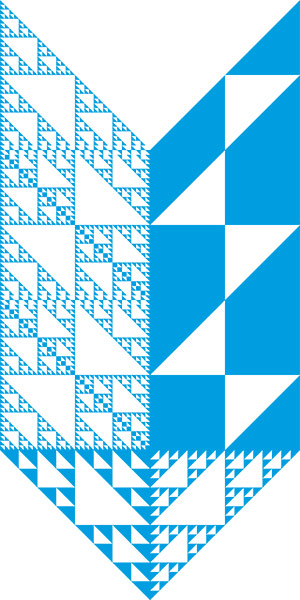
Siggi Odds designed this typeface while studying at the Iceland Academy of the Arts. His work presents not only the conventional alphabet and punctuation but also additional Icelandic letters
Illustration: Siggi Odds, 2006
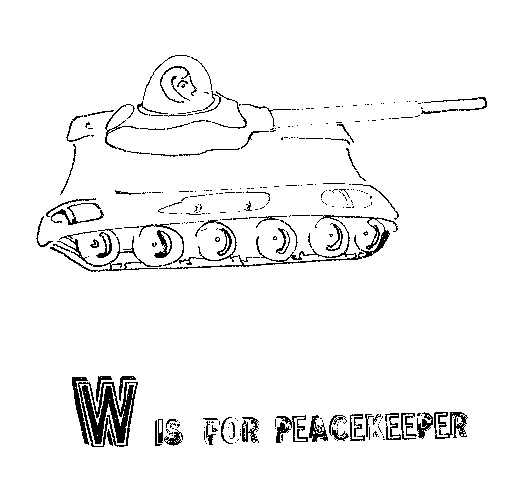
Throughout A is for Book there are instances when the letters do not obviously match up with the words they have been connnected with, times when we can surmise the link between word and image and others when we cannot follow the artist's thought processes Photograph: Bob and Roberta Smith, 2001
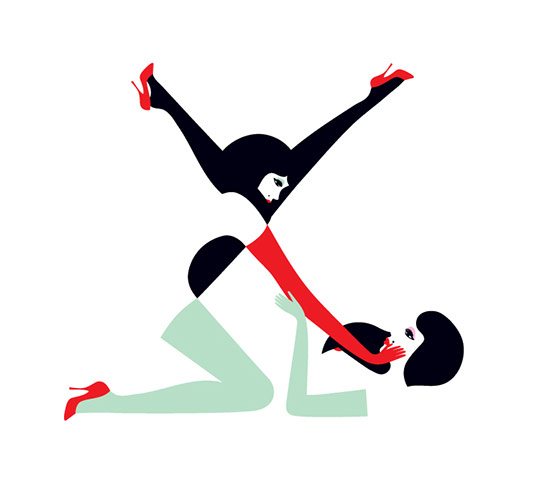
The book uses illustrations of women posing in sexually provocative posistions to create letters. The women's bodies are made up of negative spaces creating sharp images
Illustration: Malika Favre, 2008-2009
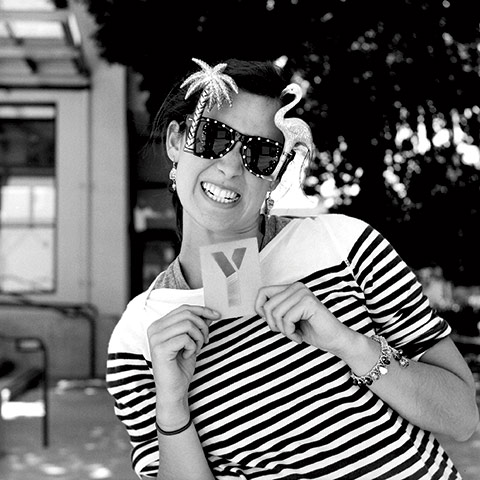
Julian Jensen created the Alphabet at the age of 16 when he was still a student photographer in high school. His pictures challenge the way in which teenagers are grouped into stereotypical categories by adults and their peers Photograph: Julian Jensen
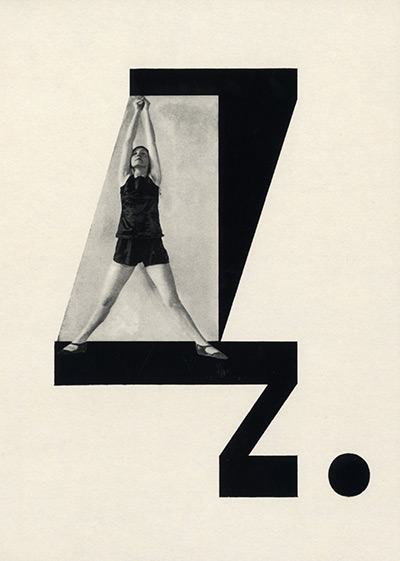
The collaborative work Abeceda is a coming together of dance, poetry and graphic design in an avant garde approach to the alphabet. Written by Vítězslav Nezval, it makes use of the forms of letters and the choreography of dancer Milca Mayerová Photograph: Karel Teige, 1926