Central African Republic President Faustin-Archange Touadéra is facing renewed violence in the country’s remote south-east just days into his third term, after a militia originally formed with Russian backing turned against the government.
Barely one week after being sworn in, Touadéra is confronting an armed challenge in Haut-Mbomou prefecture, where deadly clashes have erupted between government forces and the Azandé Ani Kpi Gbè militia, known as the AAKG.
The security situation remains far calmer than in 2016, when Touadéra first came to power amid a civil war that left most of the country under rebel control. But fresh fighting has flared since the presidential election on 28 December.
Since that day, Haut-Mbomou has been rocked by violence. The AAKG, drawn from the Zandé community, was originally supported by Russia’s Wagner network before rebelling against authorities in Bangui.
No official death toll has been released. The clashes are believed to have killed dozens of people and forced thousands to flee their homes.
Central African Republic President Touadera wins re-election, results show
Violence in Haut-Mbomou
In the town of Zémio, gunfire has been heard almost every night since the start of the year. On Tuesday 6 January, residents again fled to the Catholic mission, which now resembles a makeshift displacement camp, or sought refuge at the local hospital.
The hospital was attacked two days earlier and is no longer functioning. It is now guarded by UN peacekeepers.
“There are about 2,000 people here,” a religious source told RFI. “Others have already crossed the border to join the thousands sheltering in the Democratic Republic of Congo.”
Local officials have been under UN protection since election day. On 28 December, the AAKG launched an offensive on the border town of Bambouti, reportedly with backing from across the border in South Sudan.
The attack prevented voting. A local government official, a gendarme and an electoral worker were abducted. The electoral worker was later executed.
The UN mission Minusma said around 2,500 people, most of Bambouti’s population, have fled into the Democratic Republic of Congo.
Russian mercenaries accused of rights abuses, hindering peacekeepers in CAR
Shift to open rebellion
“The choice of the election date was no coincidence,” explains Fulbert Ngodji, a researcher with the International Crisis Group and author of a report on the AAKG. “By attacking state symbols, the militia is showing its strength. It looks like the beginning of a shift from an ethnic self-defence group to a rebel movement openly opposing the government.”
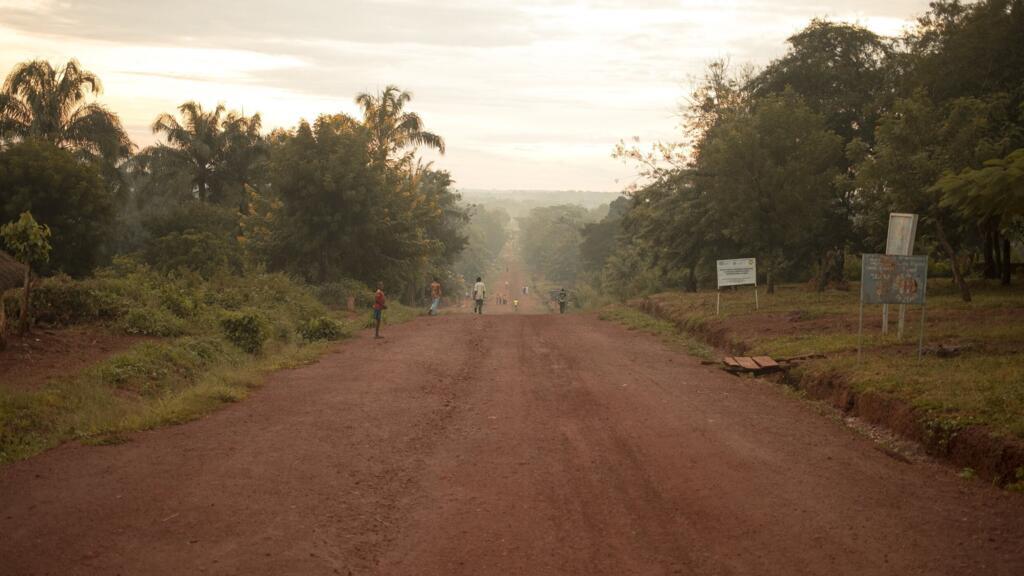
Haut-Mbomou lies more than 1,300 kilometres from Bangui and has long been neglected by the state. Over the years, it has been targeted by armed groups ranging from Joseph Kony’s Lord’s Resistance Army to the Séléka coalition and later the Union for Peace in the Central African Republic, known as the UPC, led by Ali Darassa.
In 2023, Zandé self-defence groups united under the AAKG banner, a name meaning “too many Zandé have died”. They pushed the UPC out of Bambouti but were later accused of abuses against civilians and of treating Muslims as rebel fighters.
In 2024, around 200 AAKG fighters were recruited, armed and briefly trained by Russian mercenaries before being integrated into the national army. Known locally as the “Wagner Zandé”, they initially scored victories against the UPC.
Discipline soon collapsed amid complaints over unpaid wages and reckless tactics. The militia later turned on government troops, their Russian trainers and civilians, particularly Muslims and Fulani. At least 200 people were killed, including soldiers, Russians and a UN peacekeeper.
Rape, looting and kidnappings followed. In spring 2025, the government’s decision to sign a peace deal with the UPC marked a turning point. The AAKG saw it as a betrayal.
Calls for dialogue
The fighters’ integration into the army was suspended, but some kept their weapons and went underground. Violence escalated and peaked on election day.
According to Monsignor Aurelio Gazzera, the Bishop of Bangassou, dialogue is now essential. “The militiamen must stop this carnage affecting civilians,” he told RFI. “But the authorities must also listen. This region has been abandoned for decades – no roads, no infrastructure. Development is urgently needed.”
Ngodji warned the government is now facing “the monster it created”, as inter-communal and religious tensions deepen.
“Caught between a militia that claims to defend them and loyalist forces that see them as rebels, the people of Haut-Mbomou are trapped,” Gazzera said, warning that the violence could spread across the wider south-east.
This article has been adapted from the original version in French by RFI's Carol Valade