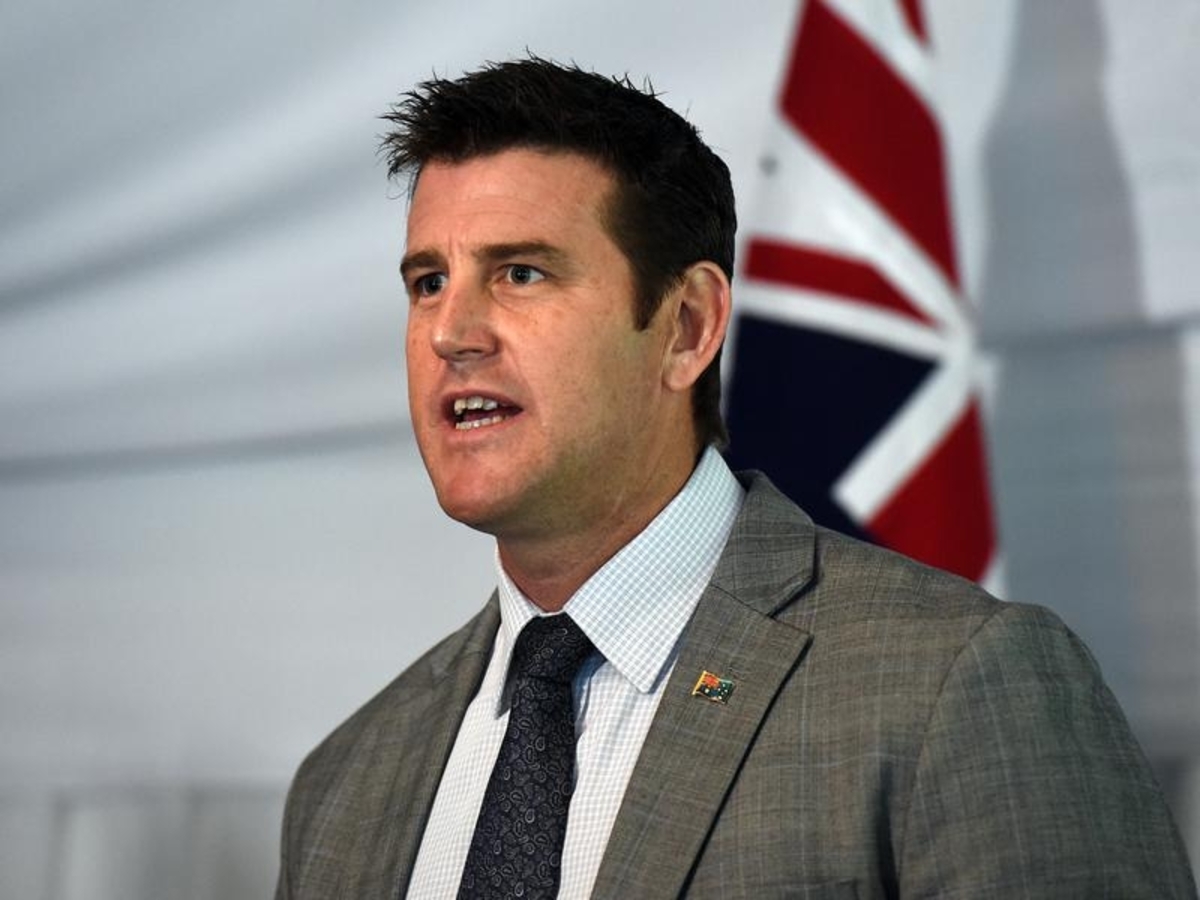
Ben Roberts-Smith's barrister has accused the Nine Network of abusing the court process in its "concerted effort" to publish prejudicial material eight weeks out from the decorated soldier's defamation trial.
The war hero is suing the publishers of The Age, The Sydney Morning Herald and The Canberra Times over alleged defamatory articles suggesting he committed war crimes in Afghanistan.
Mr Roberts-Smith denies all the claims made against him.
Fresh allegations about a USB stick containing classified material were aired by the Nine Network on Sunday.
But it took the publishers until Monday to tender evidence about the memory stick in the Federal Court case, Arthur Moses SC told the court.
"They publish it and then they come here and file evidence," Mr Roberts-Smith's lawyer said on Wednesday.
"That is an abuse."
He said "nobody bothered to tell us" about the reports in a hearing on April 7, accusing the publishers of a "concerted effort" to publish material that was prejudicial to the eight-week trial slated to begin on June 7.
Federal police told a Senate inquiry on Wednesday The Age and The Sydney Morning Herald had referred the allegations on March 25, more than two weeks before publishing.
Those two titles are now owned by the Nine Network.
Witnesses in the trial include special forces soldiers in Australia and overseas.
The court recently also allowed Afghan villagers to give evidence from their home country, evidence expected to support the publishers' case.
Mr Moses on Wednesday proposed "technical safeguards" to ensure the validity of the Afghans' evidence, including ensuring the room used had two cameras to ensure the witnesses weren't referring to notes, prompts or aids and that the desk was "plain".
An IT expert, an interpreter and a lawyer from each side would also be present in the room.
Nicholas Owens, for the publishers, said the proposal treated the villagers as an "inherently suspect class" of witnesses and it was entirely unusual in his experience for lawyers of the other side to be present in a remote witness room.
"Your Honour doesn't have to make directions about the furniture," he said.
But Mr Moses said the proposed orders were protective, not remarkable and similar to those made in financial cases involving witnesses overseas.
Any suggestion the witnesses were being treated "because they are from Afghanistan ... is offensive and ridiculous", he said.
The matter is expected to return to court in the next fortnight.