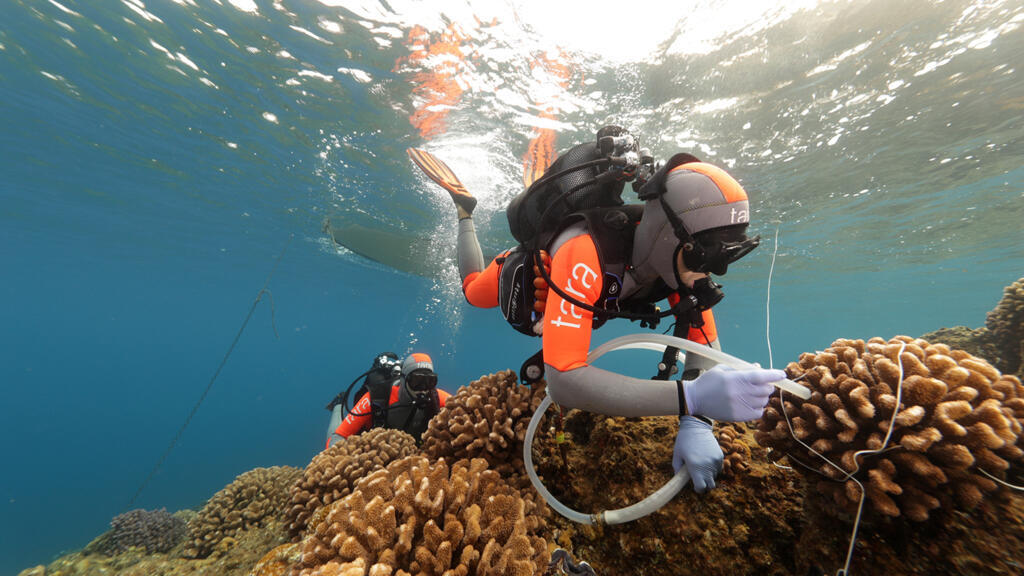
In the waters of the western Pacific lies the Coral Triangle – an area home to a third of the world's corals. While warming seas have bleached swathes of other reefs, scientists say the Southeast Asian hotspot has proven more resilient. Now French research vessel Tara is heading out on an expedition that aims to understand how and why certain corals can resist climate change better than others.
The schooner departs from Lorient in Brittany on Sunday on an 18-month mission dubbed Tara Coral.
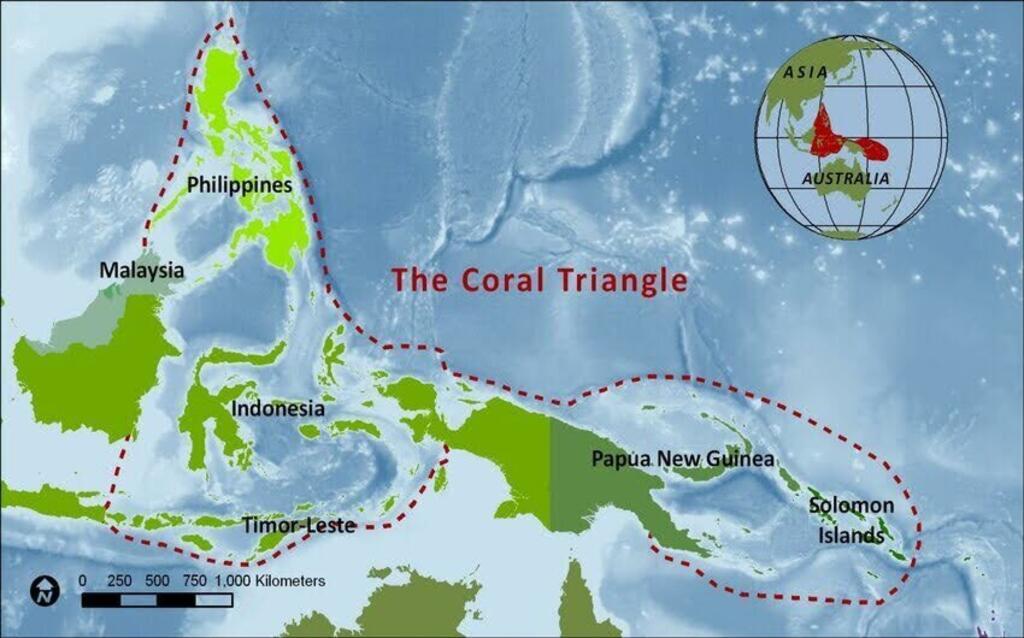
The expedition will take it to the tropical waters of the Coral Triangle – a region encompassing 5.7 million square kilometres of ocean between Indonesia, Malaysia, Papua New Guinea, the Philippines, Solomon Islands and Timor-Leste.
Nicknamed "the Amazon of the seas", the zone contains some 600 different species of coral and is a hotspot of marine biodiversity.
Coral reefs provide precious habitats for underwater life, supporting an estimated one million other species. Yet as oceans warm, marine scientists have reported coral bleaching and death on a scale never seen before.
World's coral reefs crossing survival limit, global experts warn
Secrets of endurance
"In the Coral Triangle over the last few decades, the decline of these coral reefs is less pronounced than in other parts of the world," Paola Furla, a researcher at Côte d’Azur University and scientific director of Tara Coral, told RFI.
"The idea is to try to understand what kind of factors have influenced this endurance.
"Is it the environment, the quality of the water? Is it the biodiversity found in the reef that is the strength of the corals, or is it their genetics?"
The Tara Ocean Foundation and more than 40 scientific partners have gathered a transdisciplinary team to study this "thermotolerance".
From 2026 to 2028, eight scientists, six sailors, one artist and a journalist will compose the crew on board Tara.
Scientists will test several hypotheses as to why corals are surviving, looking into whether it could be down to the wide diversity of species in the area, the presence of more resistant species or individual corals that are pre-adapted to global warming, or the upwelling of cooler waters that limit ocean warming.
The big blue blindspot: why the ocean floor is still an unmapped mystery
Heat test
One of the tests conducted by the researchers will consist of briefly subjecting pieces of coral to acute heat stress and identifying colonies that do not bleach.
"According to how they react, you will have an idea of how far they are resilient," explained Serge Planes, director of research at France's National Centre for Scientific Research (CNRS).
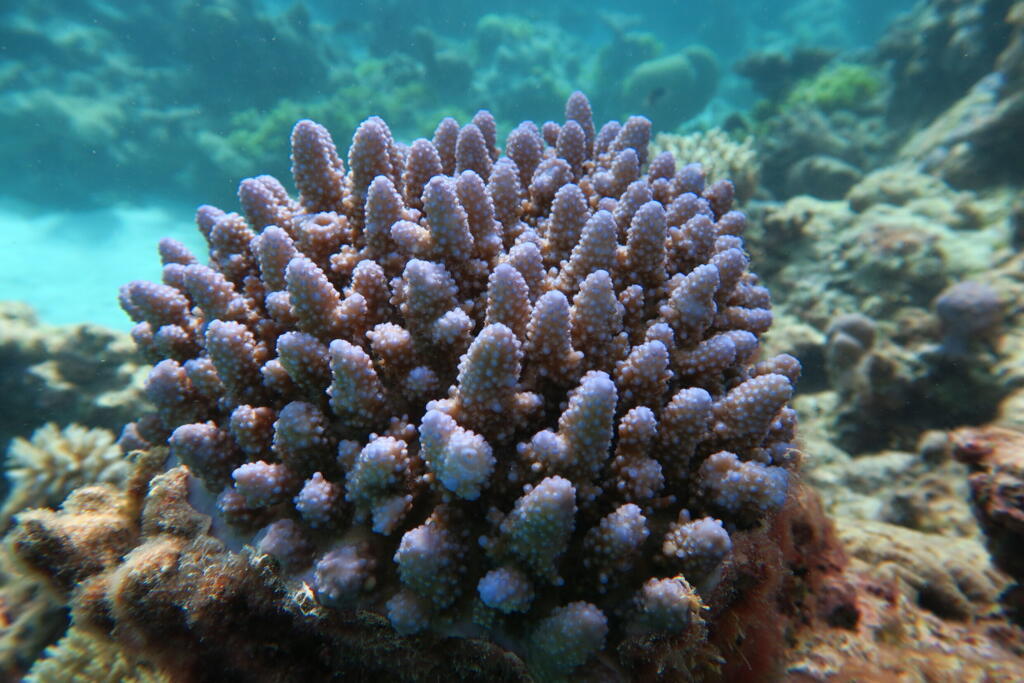
The scientists will also use DNA analysis and genetics to try to make corals more resilient.
Genetic engineering is now beginning to be applied to coral reefs, said Planes, giving some examples: "How can you inject different microbiomes, different bacteria or nutrients which would provide the coral with more resilience?"
The aim is for these coral reefs to "be healthy in the future" and "to maintain biodiversity", he said.
After leaving Lorient, Tara will head for Tokyo in early April and then Papua New Guinea in May 2026.
It is the latest environmental expedition for the sailing ship, which has previously been used to study Arctic ice, marine microorganisms and plastic pollution.