The French parliament on Tuesday passed last-minute legislation to keep the government in business into January after the divided legislature failed to agree a full budget for the coming year. The Senate gave its green light in a late-night vote after MPs in the lower house cleared the bill earlier in the day.
Bickering lawmakers had been racing to agree on a budget by year-end, as the eurozone's second largest economy faces mounting pressure to control its deficit and soaring debt.
But the parliament – increasingly divided since snap elections last year – only managed to agree on half of the two-part budget after two and a half months of debates.
Like the special law passed at the end of 2024, it does not allow for new spending.
The votes come after two and a half months of debate over the budget. Earlier this month lawmakers narrowly adopted the social security budget, after Prime Minister Sébastien Lecornu agreed to a demand from the Socialist party to postpone an unpopular pensions reform.
PM Lecornu seeks way out of France’s latest budget impasse
Deep disagreements
But lawmakers have been unable to agree on the state budget, because of deep disagreements between the right-leaning Senate and the politically-deadlocked National Assembly on spending and how to meet deficit targets.
Lawmakers will reconvene at the start of January for new debates as France’s deficit and debt continue to rise.
"We must as soon as possible, in January, give a budget to the nation,” President Emmanuel Macron said Monday evening during a ministerial council where the special law was presented.
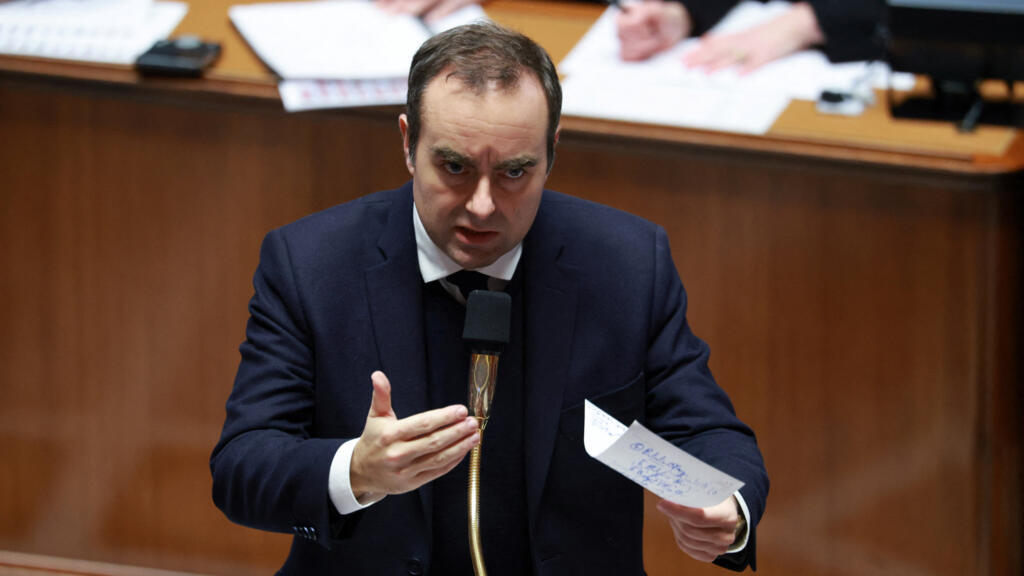
He reiterated that the new budget must hold France to 5 percent of GDP, a number that Lecornu reiterated when he addressed lawmakers Tuesday before the vote.
He announced “good news” that the deficit at the end of 2025 was at 5.4 percent, “which allows us to have a stable base”, he said.
French government survives cliffhanger vote on social security
January's debate
If lawmakers are unable to agree on a budget in January, the government will be under pressure to resort to Article 49.3 of the constitution, which allows the government to force through legislation through parliament without a vote.
Former Prime Minister Michel Barnier already used that measure to try to pass the 2025 budget, triggering to a no-confidence vote, which he lost.
Under pressure from some in his own centrist party to use the mechanism, Lecornu for now is holding to the promise he made to the Socialists that he would not do so.
He believes the proposed budget could still pass “without the government intervening”.
(with AFP)