France has become the first country in the European Union to approve a blanket social media ban for children under 15.
French lawmakers on Tuesday adopted a bill banning children from social media and the use of mobile phones in high schools as concerns grow over the harmful effects of digital content.
The legislation is one of the final major measures adopted under Emmanuel Macron’s presidency before he leaves office next year.
Several families in France have sued TikTok over teen suicides they say are linked to harmful content. Children’s advocates and parents applauded the vote.
“We’ve been campaigning for this bill from the start because, frankly, we have no other option, no other way to counter tech giants,” said Gaëlle Berbonde.
“The only thing we can do is protect our children, just as we protect our children from drinking alcohol.”
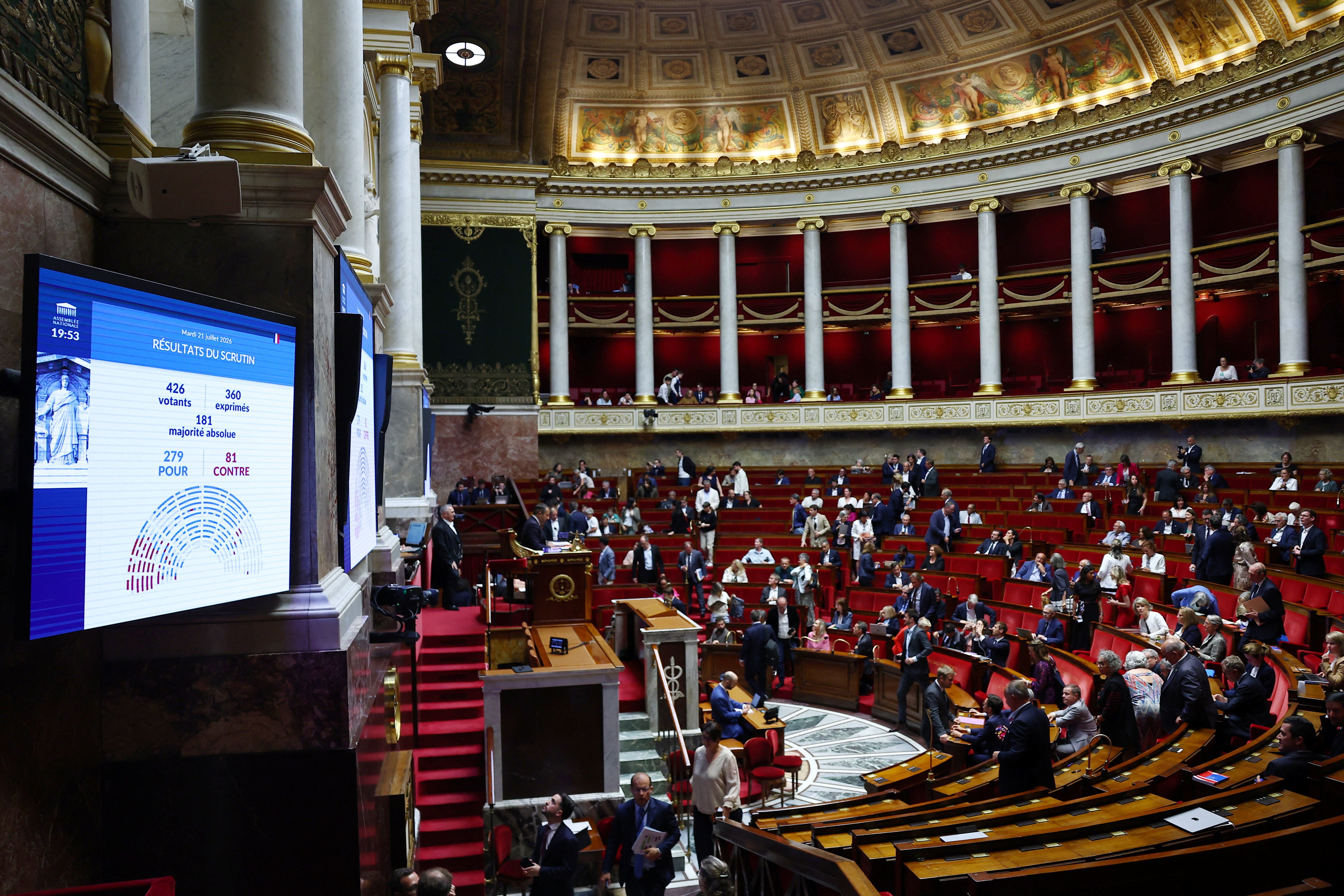
Macron wants the law to take effect at the start of the new school year in September. However, a review to determine whether the bill complies with the French Constitution is likely to take place and could delay its implementation.
The ban won’t cover online encyclopedias, educational or scientific directories.
Lawmakers from the left-wing party France Unbowed opposed the bill, arguing that its constitutionality is unclear, that it would effectively end online anonymity, and that it would be impossible to enforce.

Ines Legendre, a legal advisor for the online protection group e-Enfance, said the law will not immediately translate into an outright ban.
“We’ll also have to address the issue of existing accounts for those under 15. How do we identify them? How do we suspend them? And then there’s the question of age verification for all new accounts that will come into effect,” she said.
According to France’s health watchdog, one in two teenagers spends between two and five hours a day on a smartphone. In a report published in December, it said that some 90 per cent of children between 12 and 17 use smartphones daily to access the internet, with 58 per cent of them using their devices for social networks.
The report highlighted a range of harmful effects stemming from the use of social networks, including reduced self-esteem and increased exposure to content associated with risky behaviours such as self-harm, drug use and suicide.
After the European Commission found that the latest version of the bill overlapped with the EU’s Digital Services Act, which sets strict rules aimed at keeping internet users safe online, lawmakers held final negotiations Monday. They reached an agreement on an amended version of the legislation, which was then submitted to both chambers for a final vote.