
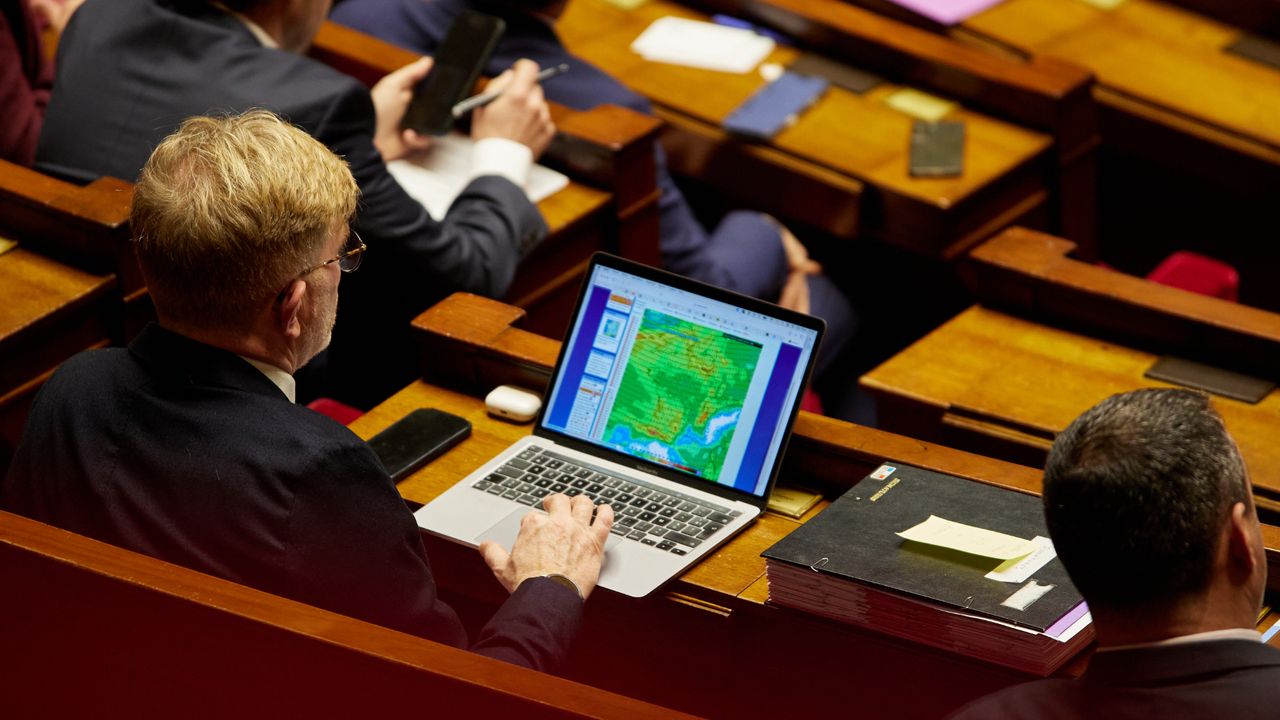
France is accelerating its digital sovereignty plans. In an official press release this week, the country’s DINUM announced its “exit from Windows in favor of workstations running on the Linux operating system.” (machine translation).
The DINUM is an important section of the French state, headed by the Interministerial Directorate for Digital Affairs, so this will mark a key changeover in the machinations of government, eliminating U.S.-based commercial interests from workstation computers. We assume some French flavor of Linux will be adopted to satisfy the stated objective of migrating to sovereign solutions. Joining the DINUM in this mission for digital sovereignty are France’s Directorate General for Enterprises (DGE), the National Cybersecurity Agency of France (ANSSI), and the State Procurement Directorate (DAE).
Moving to Linux is described as one of three “concrete initial steps” that have recently been committed to, to reduce France’s extra-European digital dependencies. The plan is expected to be formalized in the fall. By then, stakeholders should know what “workstations, collaborative tools, antivirus software, artificial intelligence, databases, virtualization, and network equipment” will be needed to move ahead with this digital sovereignty initiative.
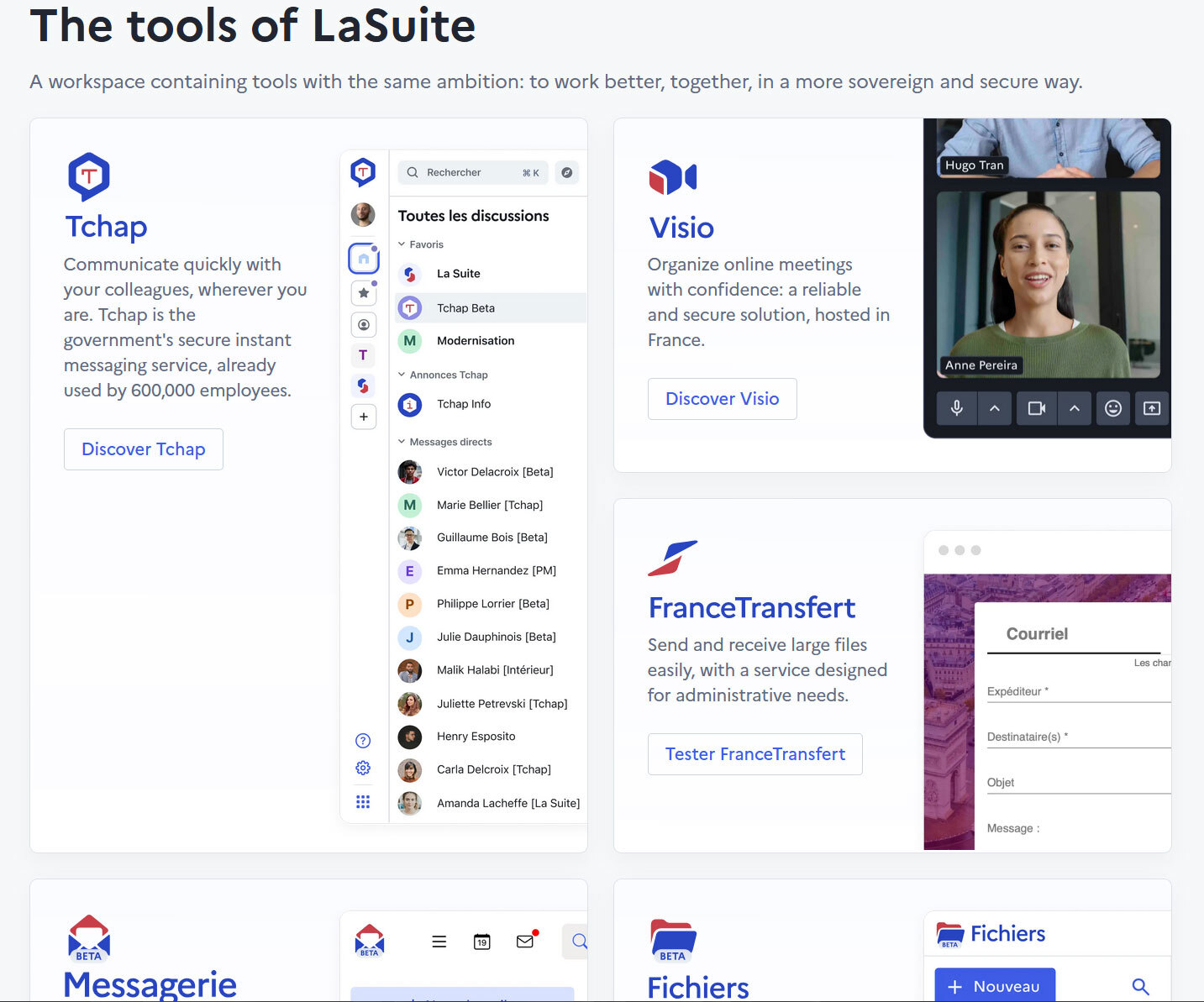
On the topic of applications, not just the underlying OS, France recently announced that it had moved 80,000 National Health Insurance Fund employees to open-source alternatives to platforms like Microsoft Teams, Zoom, and Dropbox. These commercial platforms have been put into forced retirement by the new Tchap, Visio, and FranceTransfert services (and others), delivering a set of modern collaborative productivity tools dubbed La Suite.
Last month, the French government also “announced the migration of the health data platform to a trusted solution by the end of 2026,” says the source press release.
We know why – but why?
French Ministers are very keen on reducing reliance on technologies that depend on or are controlled by outside interests. “We must become less reliant on American tools and regain control of our digital destiny,” wrote David Amiel, a Minister of Public Action and Accounts, in a statement pinned to the above-linked PR. “We can no longer accept that our data, our infrastructure, and our strategic decisions depend on solutions whose rules, pricing, evolution, and risks we do not control.” It is interesting to see Amiel single out the U.S. for his statement about how the French state “must break free.”
Anne Le Hénanff, Minister Delegate for Artificial Intelligence and Digital Technology, echoed Amiel’s sentiments by asserting that “Digital sovereignty is not an option, it is a strategic necessity."
One wonders whether the growing cultural rift between the U.S. and its traditional European allies has added momentum to the digital sovereignty movement in France.
The implications for software and services businesses across the Atlantic don’t look great. As a leading member of the EU, France’s decisions and direction can exert a strong influence on others in the bloc. Moreover, if the move to Linux is seen as a success, it could also influence other government departments, and organizations that work closely with the government, and so on, all the way down to individual users.
Perhaps 2026 is set to be l’année de Linux?