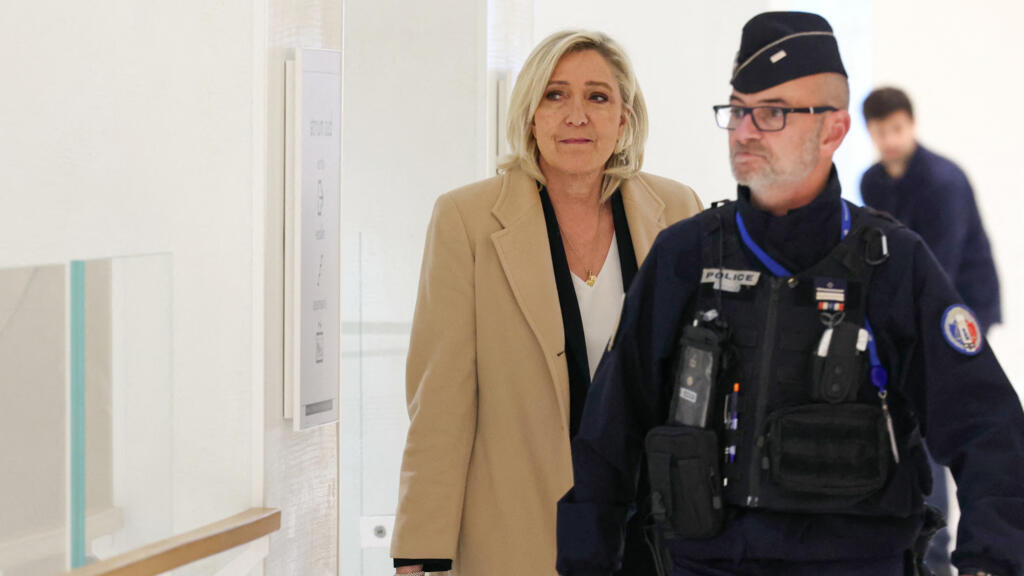
French far-right leader Marine Le Pen is back in the spotlight as she launches a high-stakes appeal in Paris that will decide whether she can stand in the 2027 presidential election.
The long-time figurehead of the far-right National Rally (RN) was widely seen as a formidable contender for the presidency until she was convicted last year of misusing European Union funds.
Judges found that more than €4 million had been misappropriated and imposed a five-year ban on her holding public office, effective immediately.
That ruling abruptly halted Le Pen’s political momentum just as the next presidential contest was beginning to take shape.
Her appeal, which opens this Tuesday and is expected to conclude on 12 February, represents a pivotal moment not only for her career but for the future direction of French politics.
French court hands Le Pen five-year election ban in fake jobs case
2027 presidential showdown
A decision is expected before the summer. If the court overturns the ban or significantly shortens it, Le Pen’s hopes of running in 2027 would be revived.
If not, the RN has a contingency plan ready. Le Pen has said the party’s president, Jordan Bardella, would step in as its candidate.
At just 30, Bardella has emerged as a popular figure, with a poll last autumn suggesting he would win the presidency regardless of who faced him in the second round.
The case centres on findings that, between 2004 and 2016, Le Pen and others used funds intended for work at the European Parliament to pay staff who were in fact working for the RN in France.
Le Pen maintains that the arrangements were legitimate and denies any wrongdoing.
‘Free Le Pen’: US conservatives rally behind French far-right leader
International support and domestic debate
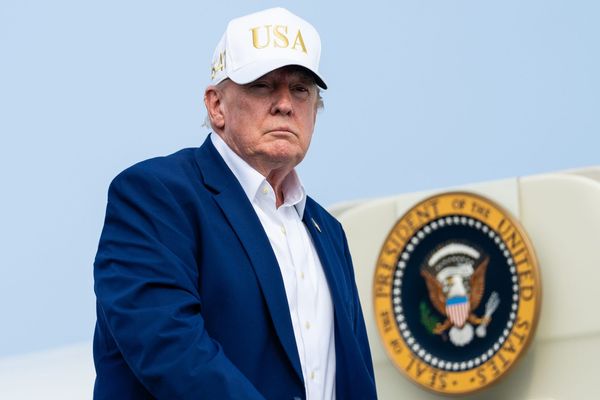
Le Pen’s conviction has resonated well beyond France. US President Donald Trump and senior members of his team publicly backed her after the ruling, portraying the case as an example of courts seeking to block far-right politicians from power.
Last year, Trump officials reportedly discussed sanctioning French prosecutors and judges involved in the case, although those talks now appear to have stalled.
Meanwhile, French authorities have reacted cautiously, with government spokeswoman Maud Bregeon saying Paris would remain vigilant to any potential US meddling, after the president of the Paris judicial court warned that action against French judges would amount to “unacceptable and intolerable interference” in national affairs.
US officials have denied that sanctions were ever seriously on the table.
At home, however, Le Pen has framed the ban as politically motivated, accusing judges of adopting methods more typical of authoritarian regimes.
The judges countered that making the ban immediate was necessary to avoid “irreparable harm to democratic public order”.
Opinion polls suggest most French voters supported that reasoning.
The European Parliament’s lawyer has said he hopes the convictions are upheld.
Alongside Le Pen’s ban, the RN was ordered to pay a €2 million fine – half of it suspended – and more than €3 million in damages were awarded to the Parliament.
(with newswires)