
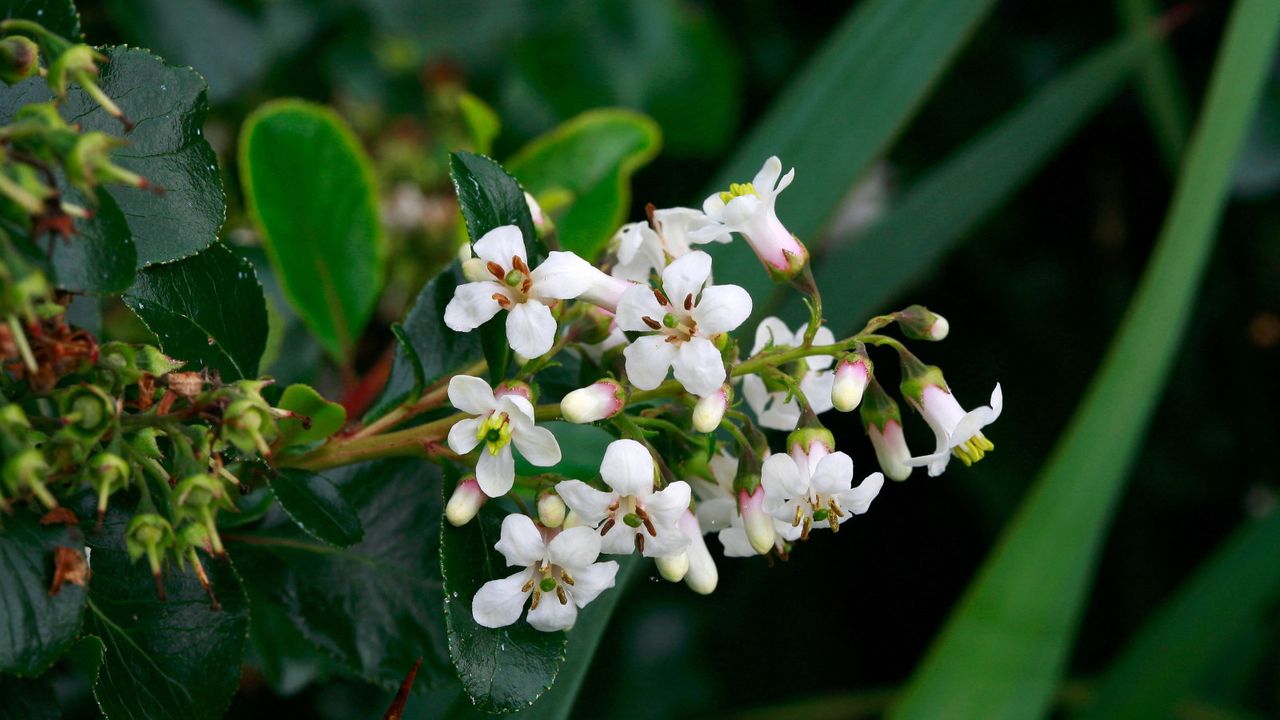
Escallonia is an attractive shrub originating from South America. They may be fairly cold-hardy, but can be heavily damaged, or even killed, by freezing winter winds. It does mean shrubs in colder climates need extra TLC to survive winter unscathed.
Not all gardeners need extra measures to overwinter escallonia; they are moderately frost-tolerant evergreen shrubs that can thrive in milder climates. Most varieties are suited to zones 7-10 and can tolerate winter temperatures down to approximately 10-15°F.
Overwintering escallonia can include blocking wind, mulching the soil, covering plants ahead of frosty nights, and moving shrubs in containers. To help you overwinter escallonia shrubs growing in the ground or containers, I got some tips from expert gardeners.
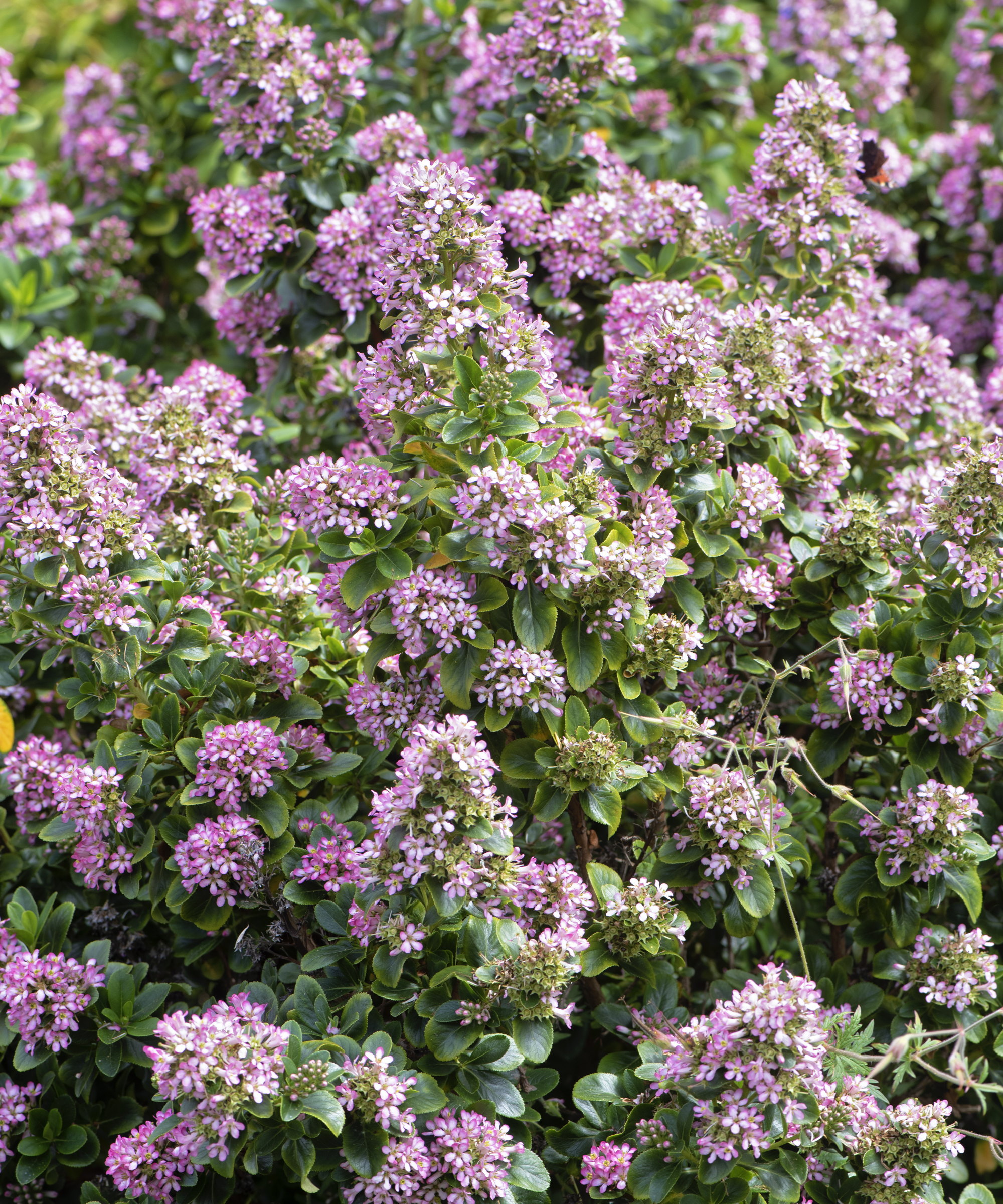
How to Overwinter Escallonia – Where You Do and Don’t Need to Act
Whether you need to take steps to overwinter escallonia successfully will depend on your climate and where you grow the shrub.
In US hardiness zones 8-10, they can handle winter fine once established. However, US hardiness zone 7 is borderline for the shrub, so some protection is recommended. Gardeners in US hardiness zone 6 and below may need to heavily protect the shrubs, or grow them in pots and move them to a protected position for winter.
You can get a pink Escallonia 'Fradesii' starter plant at Amazon that is hardy in zones 6-9 and will grow to 6-8 feet at maturity to add the evergreen shrub to your yard.
The 3 Best Ways to Protect Escallonia in Winter
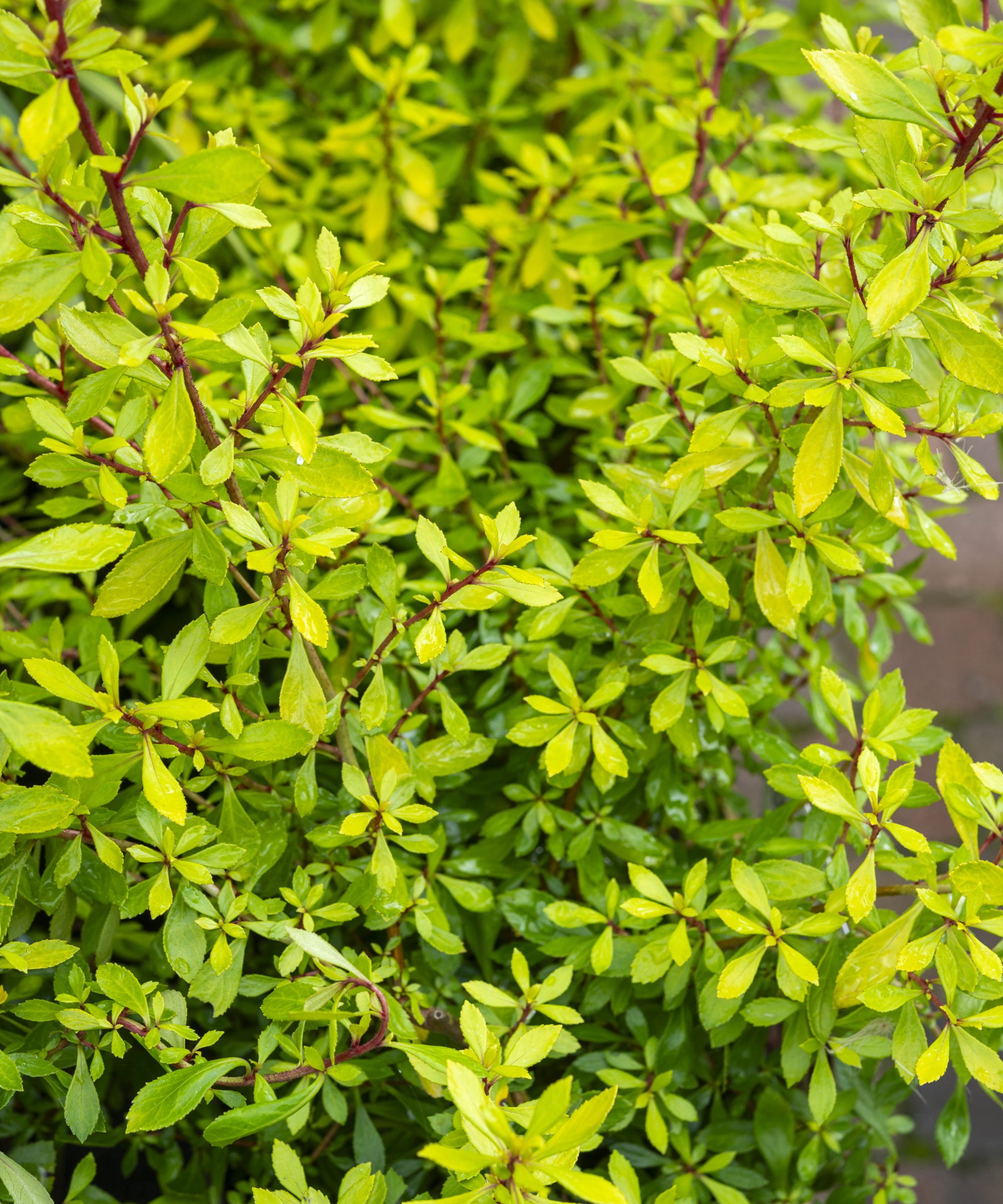
When you live in areas with borderline escallonia, it is advisable to plant the shrub in a sheltered spot, such as near a wall or garden fence. Providing them with a protected location greatly helps, as cold winds are actually more damaging to escallonia than freezing temperatures.
Cold winds pose an issue to even the easiest evergreen shrubs during winter, as they dry out the foliage, causing leaves to dry out, turn brown, and even drop from the trees. As well as potential bare branches on your escallonia, freezing winds can cause dieback of the shrub’s stems and branches.
It can be an issue for escallonia shrubs growing in open spaces in colder climates. However, Loren Taylor, a seasoned landscaper, gardener and owner of Soothing Company, offers a simple solution to this issue.
‘Use shade cloth, burlap, a heavy-duty tarp, or wind netting (such as this mesh shade cloth at Amazon) to create a windbreak, meaning the wind would not blow so strongly over the shrub,’ he advises. A temporary windbreak can be installed by stretching fabric between stakes, like these wooden garden stakes at Walmart. This will diffuse the wind and also prevent shrubs from suffering from wind rock over winter.
‘The placement of escallonia plants near fences or walls will produce better results than when they are planted in open spaces,’ adds Loren.
Mulching heavily around the base of the plant is also hugely beneficial in colder climates, as it regulates the soil temperature and provides a valuable layer of insulation to the shrub’s roots.
Rhonda Kaiser, the author of The Vintage Farmhouse Garden and the owner of Southern Home and Farm, recommends opting for organic types of mulch, which improve the soil quality as they break down and support healthy plant growth come spring. Organic mulches include compost, leaf mold, or bark chippings, like this premium mulch at Amazon.
‘Mulch should be applied at a thickness of 2-4 inches around the base,’ she says. ‘When a thick layer of mulch is on top of the soil, it protects the roots from freeze and thaw cycles that can cause the roots to heave out of the ground.
‘Mulch protects the roots of plants from severe cold, which is particularly crucial for recently transplanted and shallow-rooted plants. It also prevents drying of the soil due to cold and drying wind, keeping the soil well-hydrated even in a dry winter season.’
When extremely low temperatures are predicted, such as below 15-20°F, it is beneficial to cover plants to protect them from frost. This is especially key with young plants, which are not as hardy as established escallonia.
Loosely wrap frost cloth or burlap around the shrubs to insulate them from extreme night-time temperatures and cold winds. But remove the protective cover during the daytime when the temperatures rise again.
How to Overwinter Escallonia in Pots
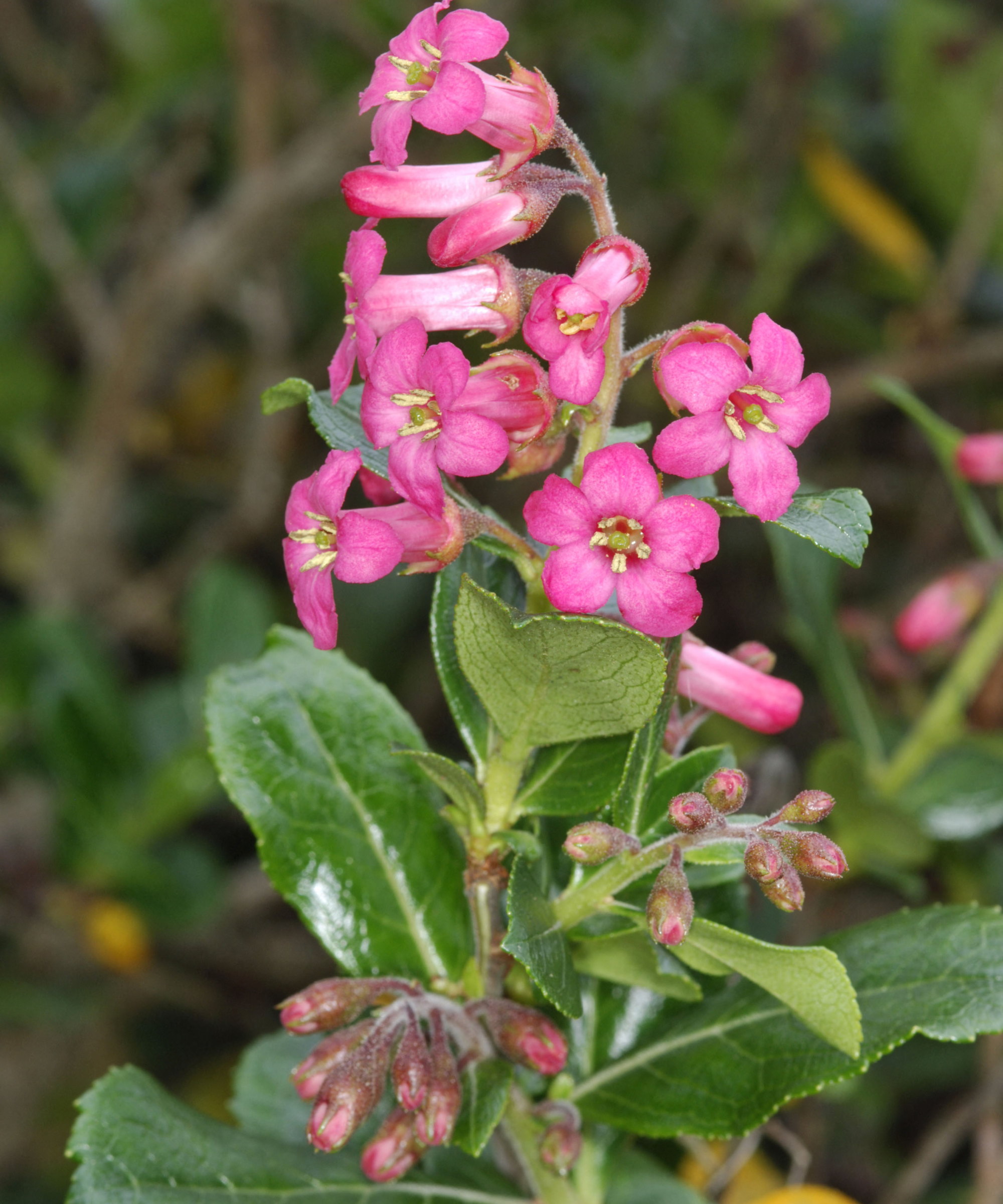
There are dwarf varieties of escallonia suitable for any container garden, which allow you to enjoy attractive evergreen foliage and scented flowers in smaller spaces.
If you garden in colder climates, you can grow these. By treating the escallonia as a tender shrub and overwintering plants indoors or in sheltered areas, you can cultivate them year-round without worry.
As the roots of container-grown shrubs are more susceptible to cold damage than those in the ground, pot-grown escallonia need winter protection. It can be as simple as finding a suitable position to overwinter plants.
Fernanda Varela, a Landscape Designer with Seattle Sustainable Landscapes, recommends ‘a sheltered spot near a warm wall or under an eave’. You can overwinter plants indoors by bringing them into an unheated greenhouse, garage, or porch to spend winter away from the elements.
Fernanda advises keeping the soil lightly moist during winter, and ‘raising containers off cold concrete’ to help prevent shock during the colder months. Ahead of freezing nights, she adds: ‘When a hard frost is expected, a quick frost-cloth cover is usually enough to carry potted escallonia safely through the night.’
Rhonda Kaiser also recommends wrapping the entire pot in frost cloth or burlap to insulate the roots, as well as reiterating the importance of elevating the pot for ‘proper drainage’ during winter, which can be done with pot feet (these rubber invisible pot feet at Amazon offer a simple way of raising pots off the ground) or bricks.
‘Mulch should also be applied on top of the soil to protect the roots from frost,’ she adds. ‘Pruning should be avoided during the fall as the top growth of the plant helps insulate the plant against cold temperatures. Water sparingly, but do not let the soil become too dry.’
It needn’t be difficult to protect plants in containers during the colder months. Often, it can be as simple as moving pots together for winter. This simple shift creates a micro-climate that traps heat and creates a natural barrier from dropping temperatures.
If you cluster pots together next to a house wall, they can also benefit from warmth radiating out from the home. A south-facing wall is ideal, as it absorbs warmth during the day and slowly releases it once the sun goes down.
Winter Gardening Essentials
This 40" x 15 ft roll of burlap is ideal for wrapping escallonia shrubs in winter to protect them from freezing temperatures and cold winds.