
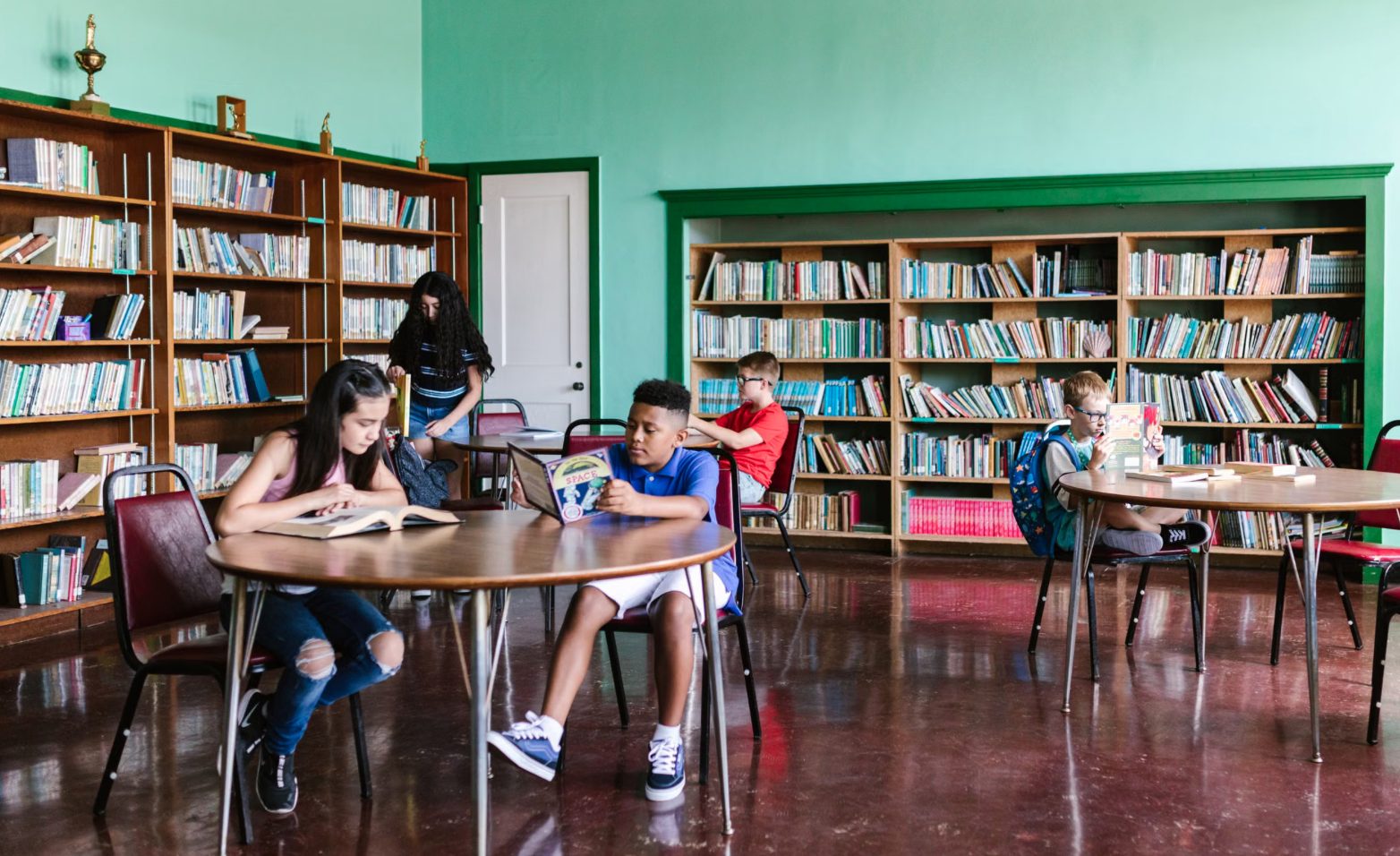
Finding affordable ways to keep children entertained and learning has become a growing challenge for many families. With youth sports, enrichment classes, and indoor play centers often costing hundreds of dollars each season, parents are looking for practical alternatives that don’t sacrifice quality. One of the most overlooked resources is the local public library, which has evolved far beyond shelves of books. Today’s libraries offer free children’s activities, educational technology, creative programs, and family events that can easily replace many paid experiences while saving families hundreds of dollars each year.
Storytimes and Early Learning Programs Build School-Ready Skills
Most public libraries offer free weekly storytimes designed for babies, toddlers, and preschoolers. These sessions typically include songs, movement, reading, and interactive activities that help develop language, listening, and social skills before kindergarten. Early literacy experts have long recognized shared reading as one of the strongest predictors of future reading success, making these programs both educational and enjoyable. Parents also gain practical ideas they can continue at home without purchasing expensive learning kits. Instead of paying for a preschool enrichment class, many families find library storytimes provide similar developmental benefits at no cost.
STEAM Activities Encourage Creativity Without Expensive Fees
Many libraries now host free STEAM programs focused on science, technology, engineering, art, and math. Children might build simple robots, experiment with coding, create engineering challenges using everyday materials, or complete fun science experiments under librarian guidance. The American Library Association notes that library programming continues expanding to meet educational and community needs, making these hands-on opportunities increasingly common. These activities often mirror programs that private learning centers charge $25 to $75 per session to attend. Checking your library’s monthly calendar could uncover opportunities you never realized were available.
Free Access to Books, Digital Media, and Learning Apps Saves Hundreds
A single children’s book can easily cost $15 to $20, and families with enthusiastic readers often purchase dozens every year. A library card provides access to thousands of physical books along with eBooks, audiobooks, magazines, educational databases, and kid-friendly digital platforms through services like Libby or Hoopla, depending on the library system. Many libraries also include language-learning tools, homework help resources, and educational games that would otherwise require paid subscriptions. Library cards unlock a wide range of educational services beyond borrowing books. Over the course of a year, these free library benefits can save families several hundred dollars.
Clubs, Crafts, and Social Events Replace Paid Play Centers
Libraries increasingly serve as community gathering places where children can make friends while exploring new interests. LEGO clubs, chess groups, craft afternoons, reading challenges, movie days, and seasonal celebrations provide structured entertainment that encourages creativity and teamwork. Many modern children’s departments even feature interactive play spaces with puzzles, building toys, and imaginative play stations available during regular library hours. Families often discover these activities provide the same excitement as paid indoor play venues while offering a calmer, educational environment. That combination makes free library benefits especially valuable during school breaks, rainy weekends, and summer vacation.
A Smarter Way to Spend Less While Giving Kids More
Public libraries have quietly become one of the best family resources available, offering experiences that rival many costly children’s activities without adding pressure to the household budget. Whether your child enjoys reading, science, art, technology, or simply spending time with other kids, chances are your local library offers something they’ll love. Every community’s library system is different, so it’s worth exploring the event calendar and speaking with children’s librarians about upcoming programs. Even families who already visit occasionally are often surprised by how many services they’ve overlooked. By taking advantage of these free library benefits, parents can reduce expenses while giving children enriching experiences that support learning, creativity, and lifelong curiosity.
Have you discovered an amazing free program at your local library that replaced an expensive children’s activity? Share your experience in the comments and let other families know what hidden gems they should check out.
What to Read Next
Dolly Parton’s Imagination Library Wants To Give Your Child a Free Book Every Month
The Hidden Costs of Kids’ Activities That Are Draining Family Budgets
6 After-School Activities Parents Regret Paying For (Because the “Benefits” Don’t Show Up)
The post Free Library Benefits That Replace Costly Children’s Activities appeared first on Kids Ain't Cheap.