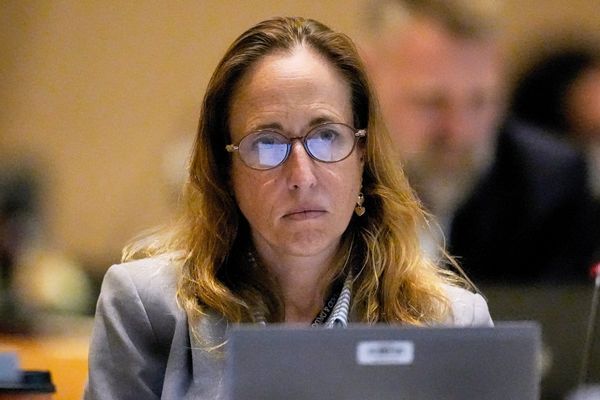
As soon as Kenya introduced a coronavirus curfew, Dr. Jemimah Kariuki, an obstetrician-gynecologist at Nairobi's Kenyatta Hospital, started seeing more death and complications.
"Every time I went to the hospital it was fewer numbers but more complications...and when women died alone in childbirth, I was like 'in 2020?' You are dying? Alone?," she said.
Mothers in labour and their babies die more frequently during disease outbreaks in Africa. Women are either too afraid of infection to give birth in hospitals, or drivers are too afraid to take them if police are enforcing movement restrictions.
That means disruptions to health systems caused by COVID-19 could result in an additional 1.1 million additional child deaths and 56,700 maternal deaths in low and middle-income countries, a study by Johns Hopkins researchers showed.
In 2014, amid Sierra Leone's Ebola outbreak, the number of women delivering babies at health facilities plunged by 30%, a study by the United Nations Population Fund found. That year, Sierra Leone's maternal mortality ratio rose 3.5%, World Health Organisation data shows.
In the first 10 days of neighboring Uganda's coronavirus lockdown, the lack of transportation killed seven women and two babies, a rights group said.
Kariuki was determined not to let that happen. Police had already beaten a motorobike driver to death after he transported a woman in labour to hospital after curfew and she knew Kenya, like most African nations, had no public ambulance services.
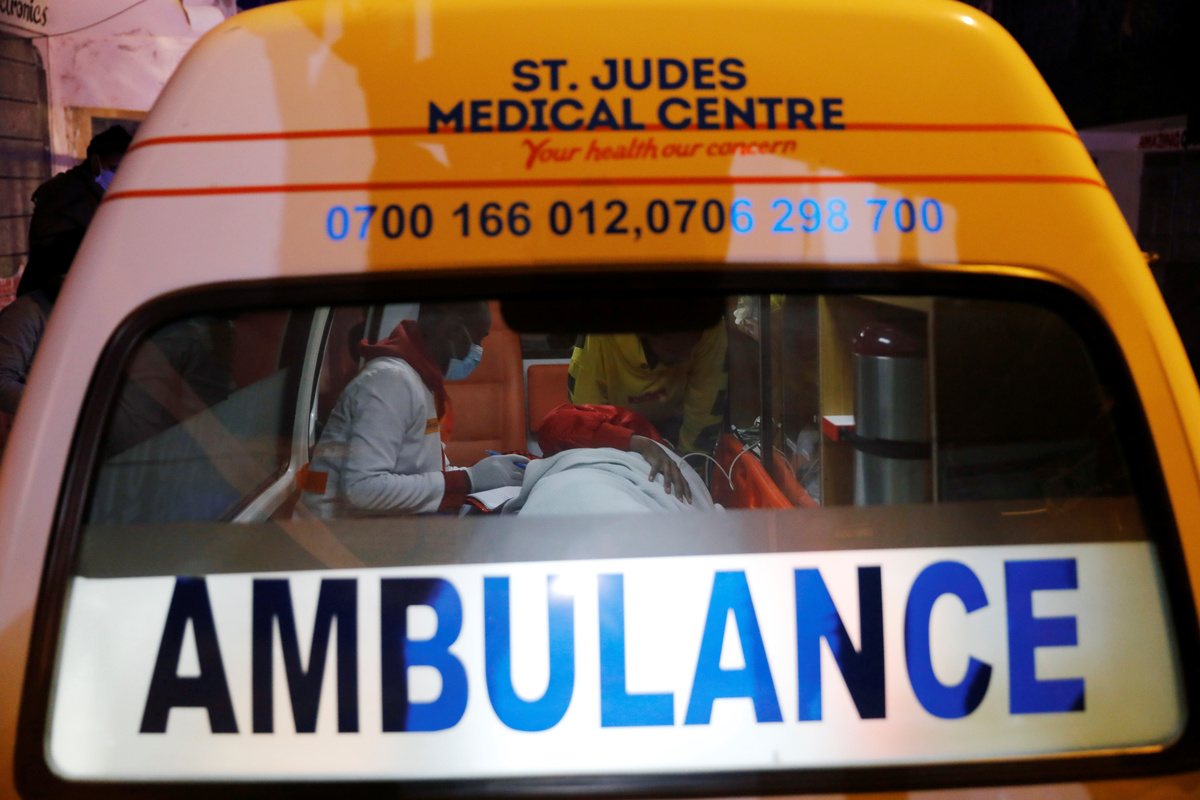
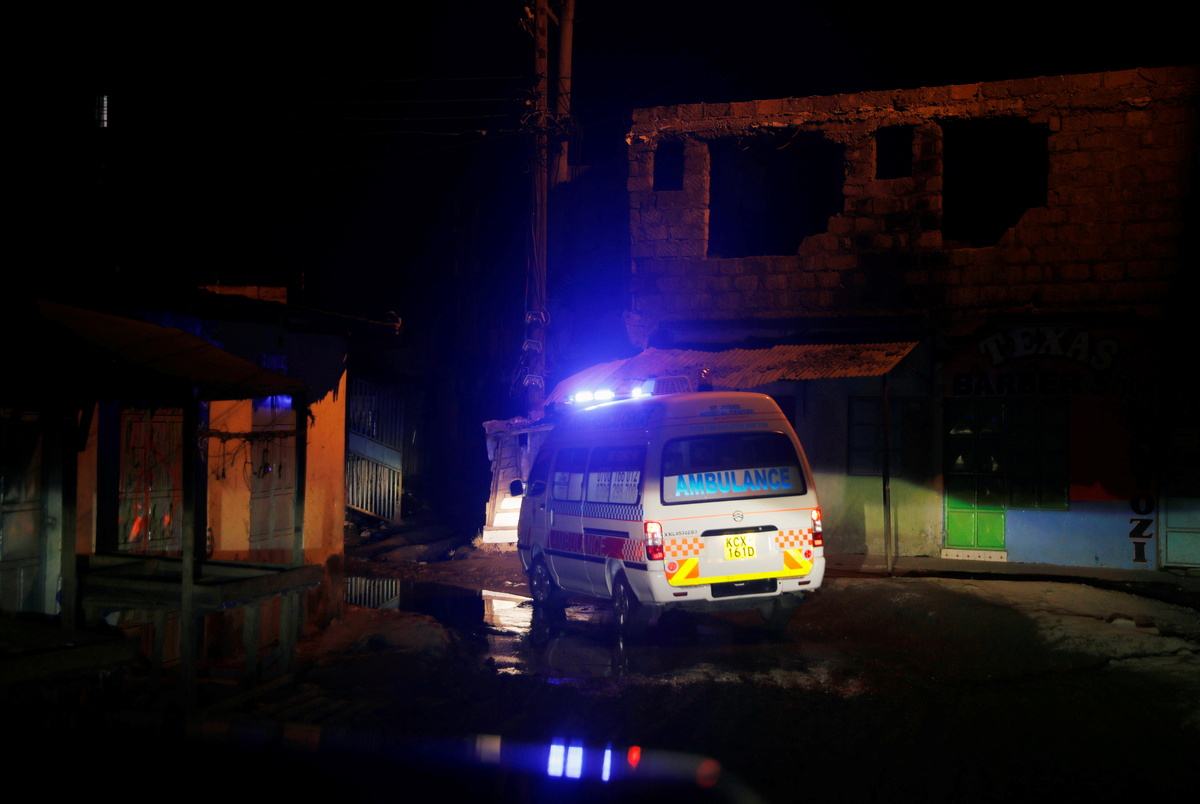
So she started Wheels for Life, a free ambulance service for mothers in labour after dark. The program has received more than 5,000 calls and delivered around 600 babies.
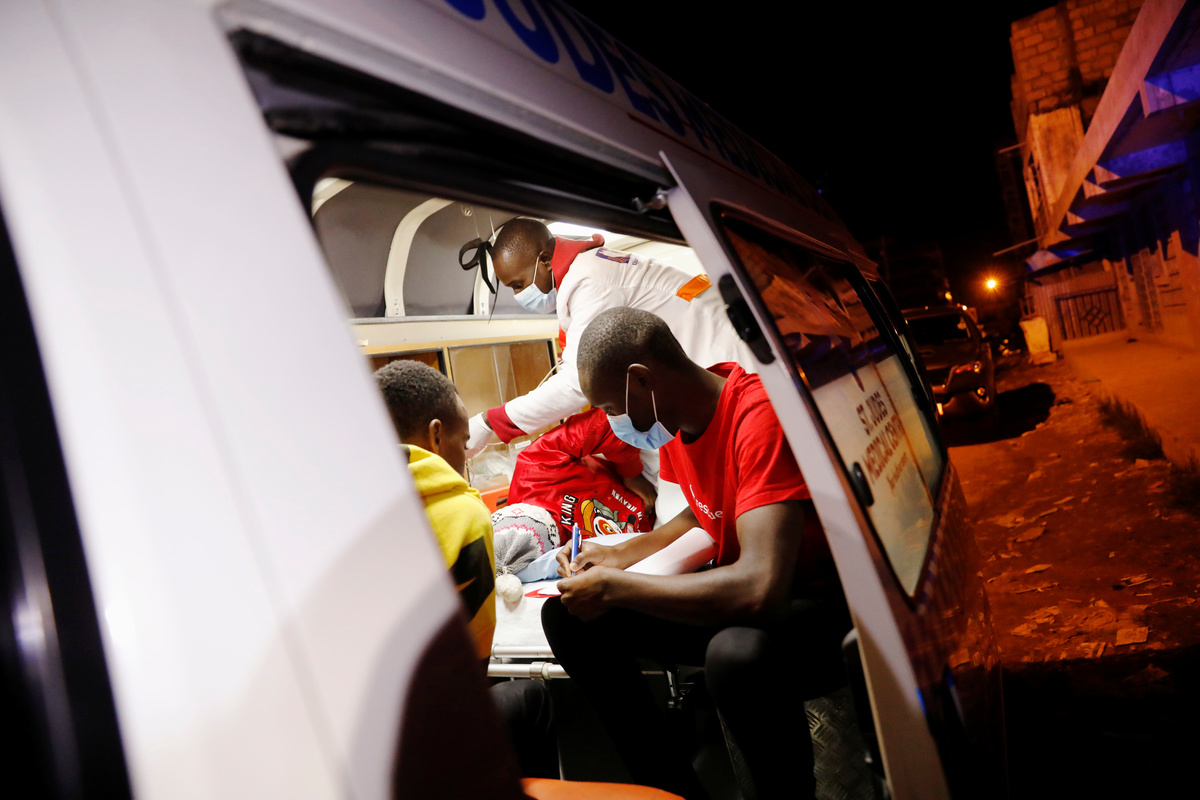
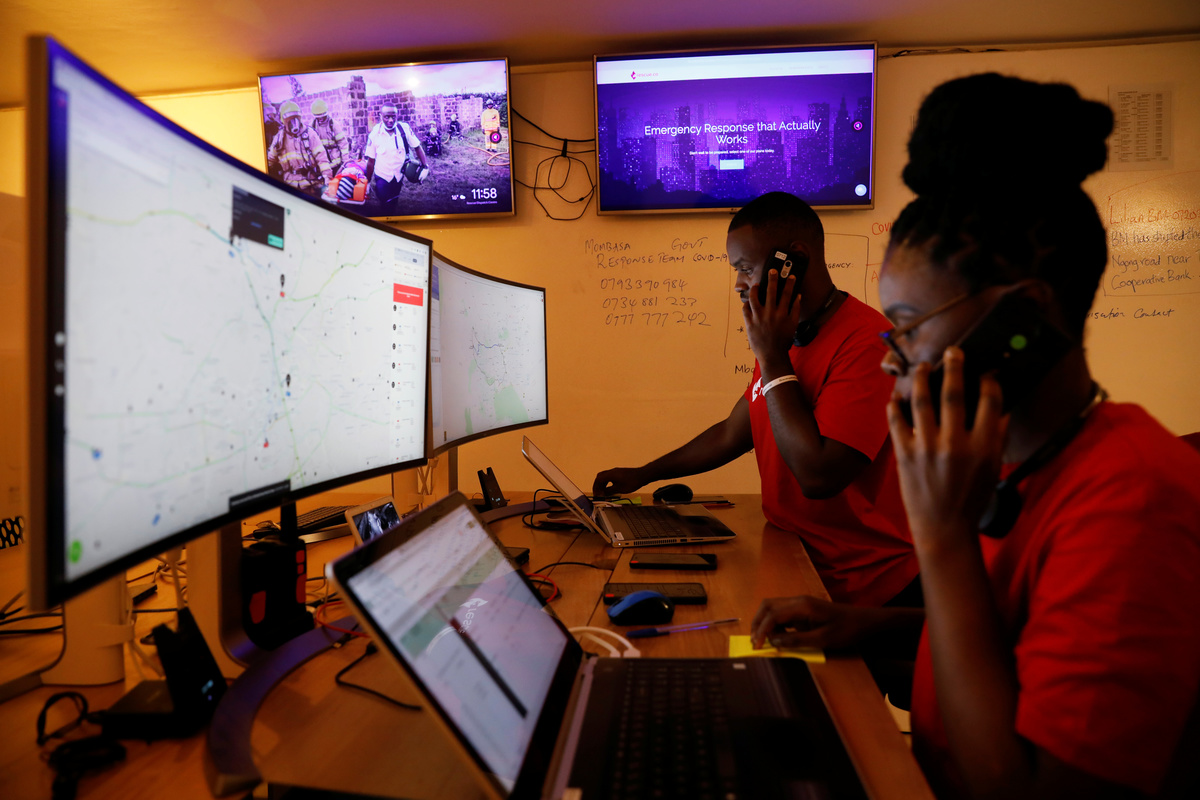
Patients call '1196.' A worker at a call center checks if it is an emergency. If not, they send a taxi with an overnight movement pass. If it is, the call goes to Rescue.co, a subscription-based Uber service for ambulances that runs a dispatch center.
One such call was from Christine Wanjiru, whose waters broke at midnight. She was stunned when an ambulance appeared within five minutes.
"I didn't expect that," Wanjiru said. "I was so happy."
Wheels for Life is free. Public partners and corporate donors are covering costs.
Now Dr. Kariuki is hoping it might become permanent.
"We're getting calls from all over the country...we're even getting calls during the day," Kariuki said. "Women don't need to stress about how they are going to get to the hospital."
A permanent ambulance service could save more lives. About 362 Kenyan women per 100,000 die in childbirth even when there is no pandemic, according to the health ministry.
"Curfew is only part of the problem," she said.
(Reporting by Ayenat Mersie; Editing by Angus MacSwan)