France has again been warned that insufficient action on climate will see it fail to meet emissions targets, with the High Council for Climate (HCC) calling on the government to put together a national adaptation strategy.
In its third annual report published Wednesday, the HCC said goals for a 40 percent reduction in emissions by 2030, and for carbon neutrality by 2050, would not be met under existing policies.
“There are still too many uncertainties regarding the implementation of public measures,” the report said, adding that delays meant France would also need to make up for lost time.
Created in 2018 by President Emmanuel Macron, the HCC is an independent body of experts including climatologists, economists, and specialists in agronomy and energy transition.
'Significant warming'
They pointed out that average temperatures in France had risen by 1.7°C since 1900, with a “significant increase in warming over the last three decades".
They also quoted figures from the National Observatory on the Effects of Global Warming, which said two-thirds of the French population was already “highly” or “very highly” exposed to climate risks.
The consequences of heatwaves listed in the report included droughts, soil degradation, northward progression of forest fires, reduced snow cover and flooding.
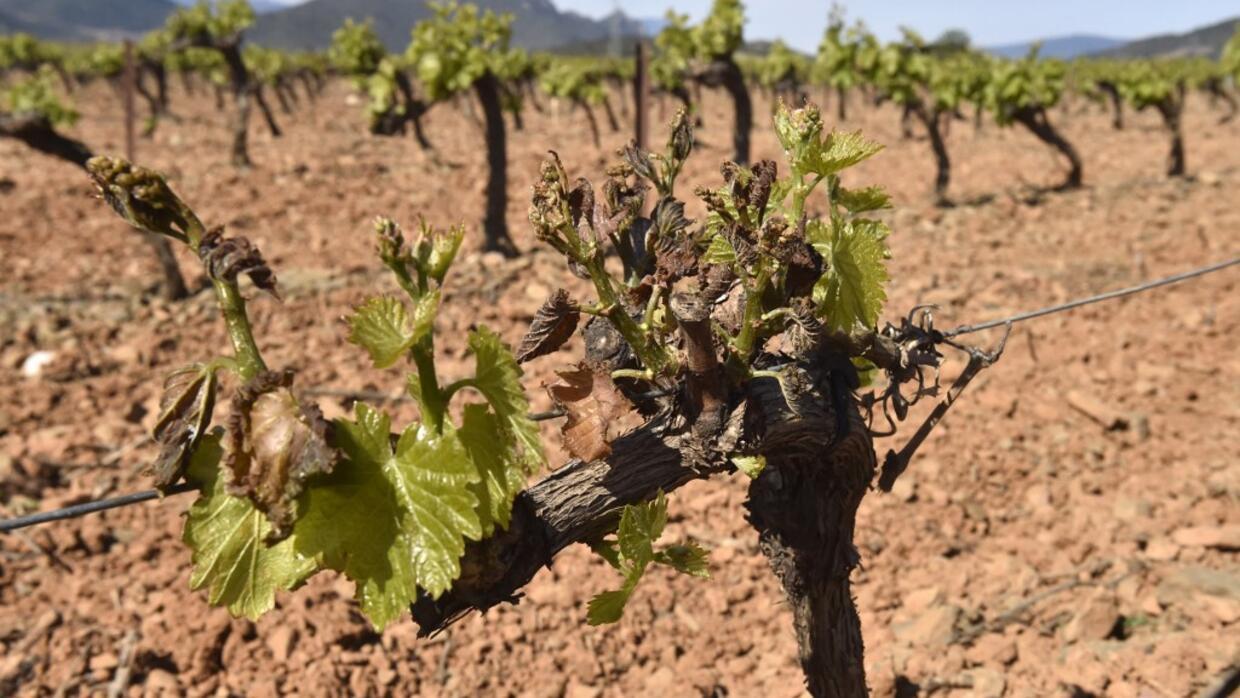
Other climate risks included milder winters that cause an early flowering of crops. A third of French vineyards were decimated in April after they were hit by frost when the grapes were already budding.
Scientists studying the link between global warming and weather events said such episodes of unseasonably late frost in France were likely to happen more often because of climate change.
The HCC, which already warned France over its "weak" climate policies back in February, said a national adaptation strategy with quantified targets and clear timelines needed to be developed.
“It is a question of getting prepared by identifying the impacts of climate change at the local level, as well as the priority sectors for action,” the report said.
Climate bill
Meanwhile the French Senate on Tuesday passed the government’s flagship climate bill after two weeks of debate during which significant changes were made.
Intended to reflect the 146 proposals of the Citizens' Climate Convention, the bill has been widely criticised for being watered-down and unambitious.
From 12 July, a mixed parliamentary commission of seven senators and seven lawmakers will begin work on finding a compromise to the text.
Ultimately, though, the bill will be returned to the National Assembly, which will have the final word.