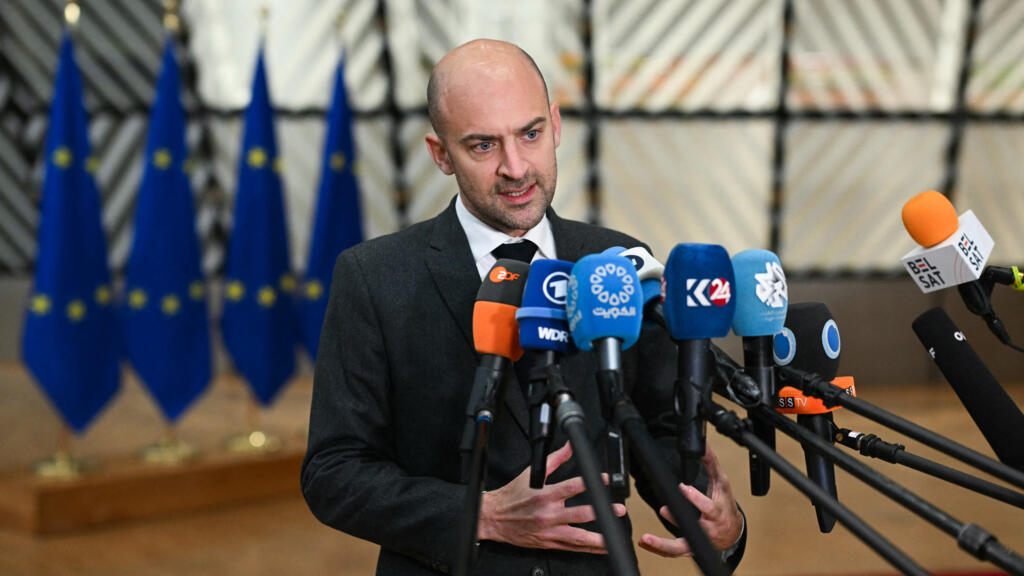
France’s foreign minister, Jean-Noël Barrot, has called for sweeping new European Union sanctions to take on the increasingly globalised world of organised drug crime – a trade he says is surging across the continent and demanding a firmer collective response.
Speaking ahead of a meeting of EU foreign ministers in Brussels on Thursday, Barrot said Europe needed to “wake up” to the scale of the challenge.
Drug trafficking, he warned, was now touching every corner of the bloc, with serious consequences for public health and safety. “These sanctions will hit them where it hurts – namely in their wallets – to eradicate the problem at its root,” he said.
The proposal marks France’s latest attempt to confront a wave of gang-related drug violence that has unsettled communities from big cities to provincial towns.
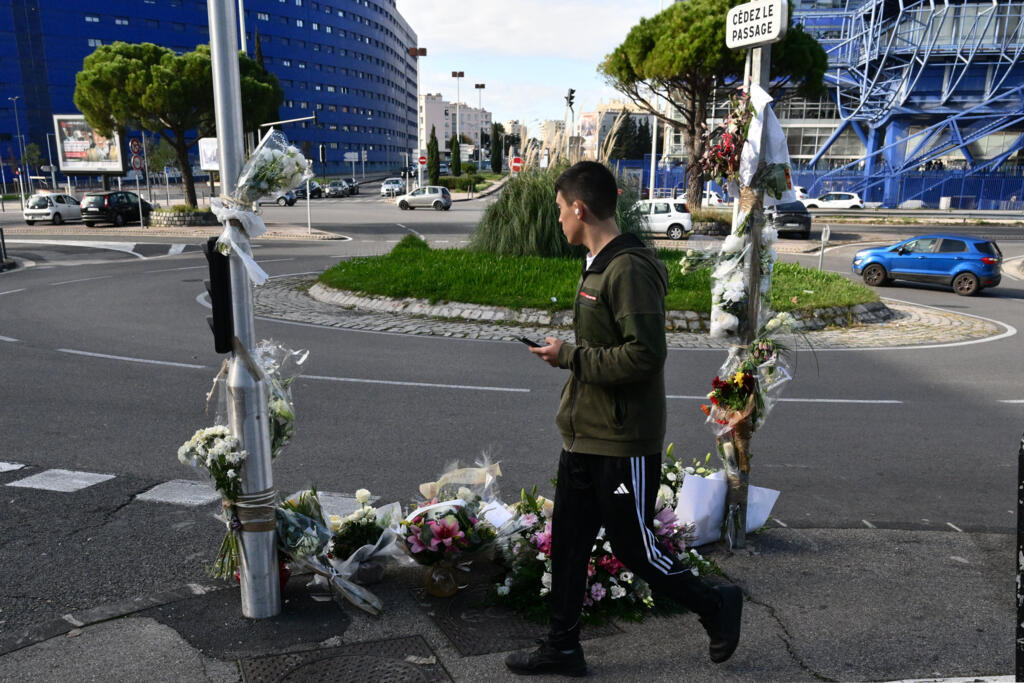
The issue was thrust into the national spotlight by the killing of 20-year-old Mehdi Kessaci in Marseille on 13 November – an attack French officials have described as a “crime of intimidation”.
He was the brother of Amine Kessaci, a well-known campaigner against drug-related violence.
Macron leads Élysée crisis talks over spiralling Marseille drug violence
Wave of cocaine and violence
Barrot’s call for EU-wide action follows a visit to Colombia earlier this month, where he vowed to "defeat" the growing drug trade between Latin America, the Caribbean and Europe.
Colombia remains the world’s largest producer of cocaine, and France has become an increasingly important market in the European distribution chain. Officials say the quantities arriving in the country have grown sharply, enriching organised crime groups and fuelling violent turf wars.
Former interior minister Bruno Retailleau warned earlier this year of a “white tsunami” hitting France, after authorities reported record cocaine seizures of 47 tonnes in 2024 – more than double the previous year’s haul.
Meanwhile drug-related violence killed 110 people and injured 341 last year, according to Interior Ministry figures.
Cocaine and synthetic drugs power new era of global trafficking
Sanctions plan
Barrot’s sanctions plan would target criminals operating abroad as well as individuals and networks that support them.
The framework would not be limited to drug traffickers – it would also cover people involved in human trafficking, migrant smuggling and arms trafficking. Measures could include asset freezes and travel bans.
The proposal now heads into discussions among the EU’s 27 member states.
Barrot has criticised more hardline tactics in the war on drugs, including recent US military strikes on alleged "narco-terrorists" in the Caribbean ordered under President Donald Trump. France's foreign minister described them as breaches of international law.
(with newswires)