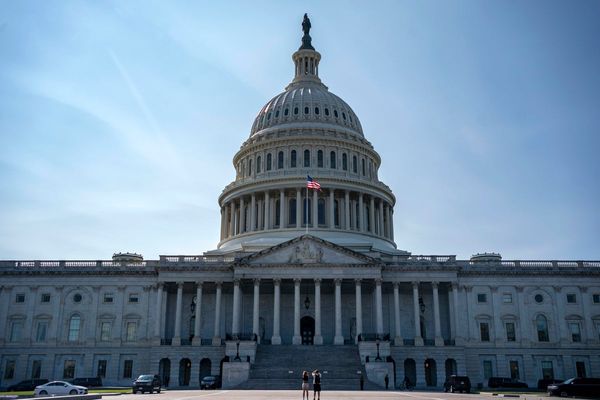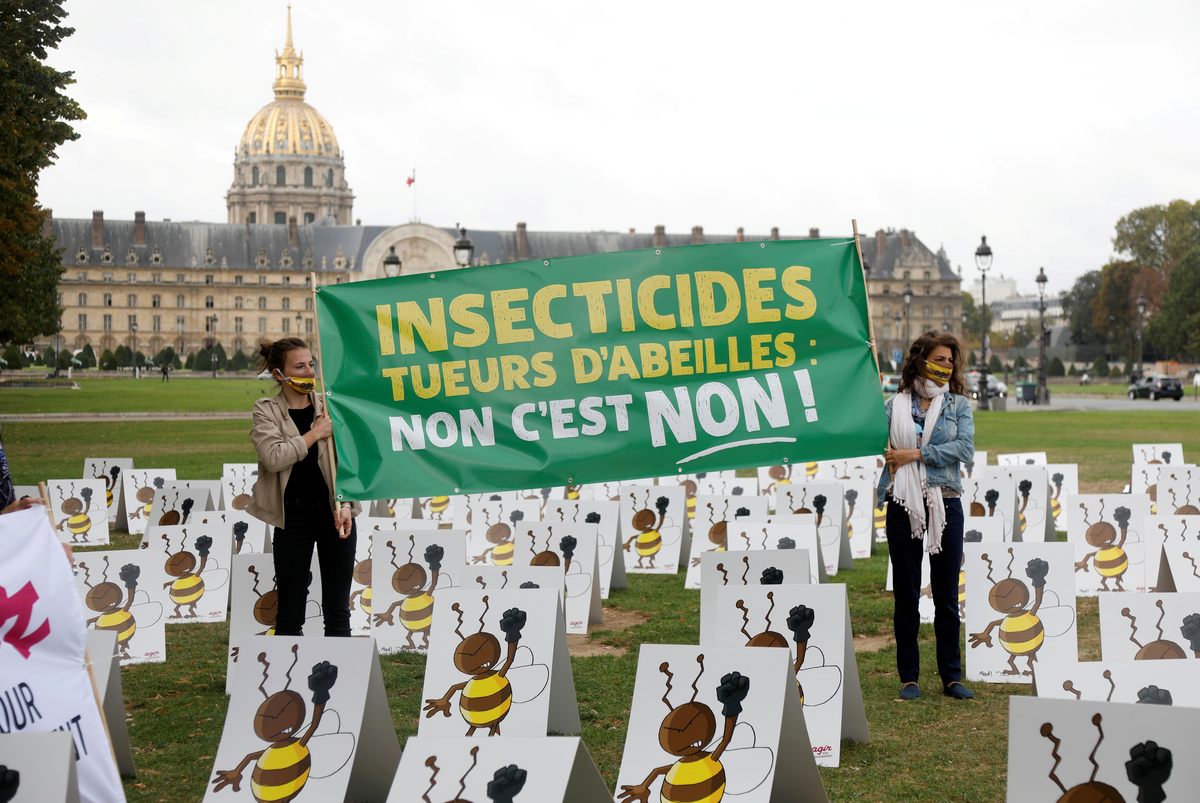
French lawmakers on Tuesday approved a draft bill allowing sugar beet growers to use pesticides that are banned to protect honeybees, a move welcomed by farmers hit by crop disease but condemned by green groups as more backsliding by the government.
The proposal, which contradicts a promise by President Emmanuel Macron during his presidential campaign not to modify the ban on pesticides known as neonicotinoids, aims to help a sugar industry weakened by a price slump that has led to factory closures.
Agriculture Minister Julien Denormandie told the National Assembly during heated debates on the draft bill that it was designed to protect France's self-sufficiency in sugar and was not anti-environmental.
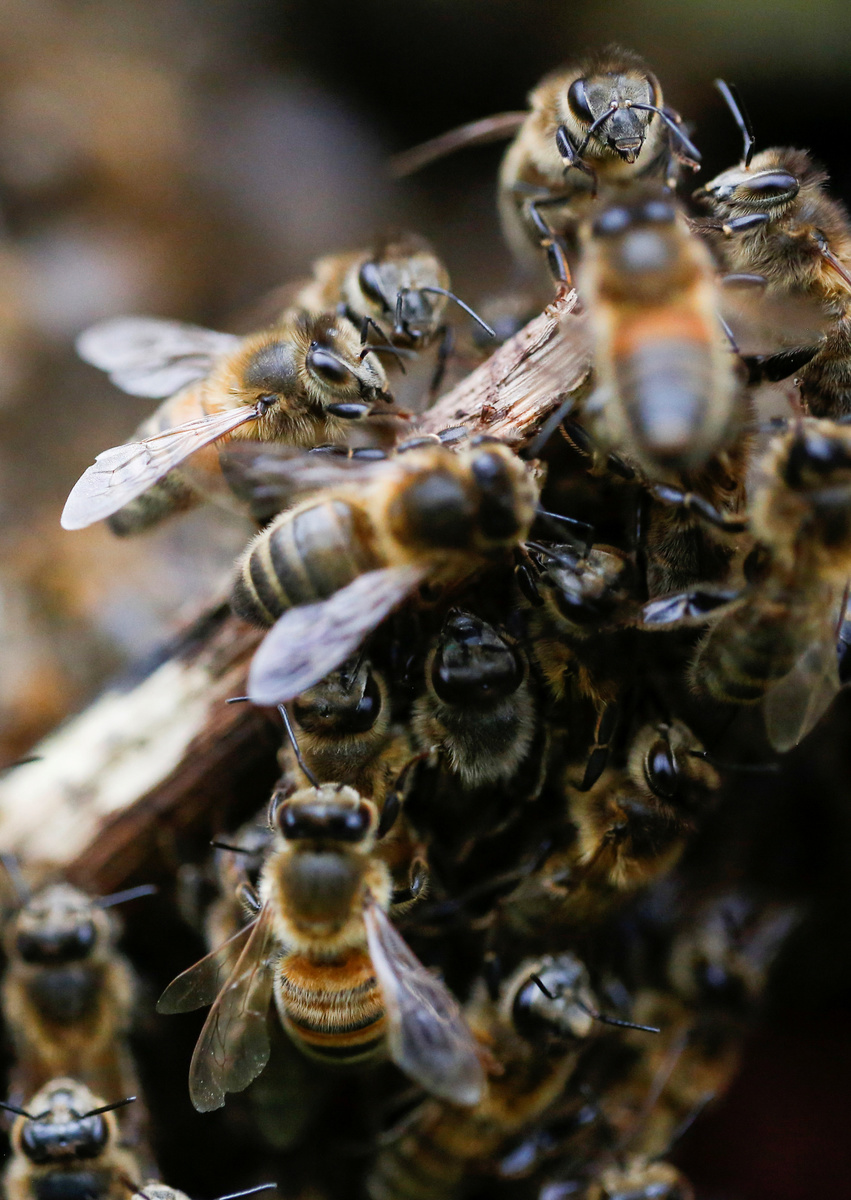
Environmental campaigners say neonicotinoids contribute to the decline of bees by disrupting their sense of orientation and mode of reproduction.
To avoid seeing farmers, who experienced an average 15% fall in output this year, turn away from the crop, the government proposed that they would be allowed to use neonicotinoids on sugar beet seeds until July 1, 2023, easing a ban in place since 2018.
Scientists and producers, meanwhile, committed to boost research on alternatives.
Environmental groups decried the derogation, branding it a U-turn that threatens the ecosystem and public health, mainly because residues of the chemicals are believed to remain in the soil and water.
"History will remember that, despite scientific evidence and pressure from public opinion, this government continues to encourage the poisoning of soil, animals and our food," Clement Senechal, campaigner for Greenpeace France, said in a statement.
In France, the European Union's top sugar producer, 420,000 hectares were planted with sugar beet this year, down 5% on last year, farm ministry data showed.
Average yields are seen down 11%, but growers said they fell 30%-50% in fields hit by jaundice.
The bill goes to the Senate before a second vote in the lower chamber.
(Reporting by Sybille de La Hamaide; editing by Barbara Lewis)