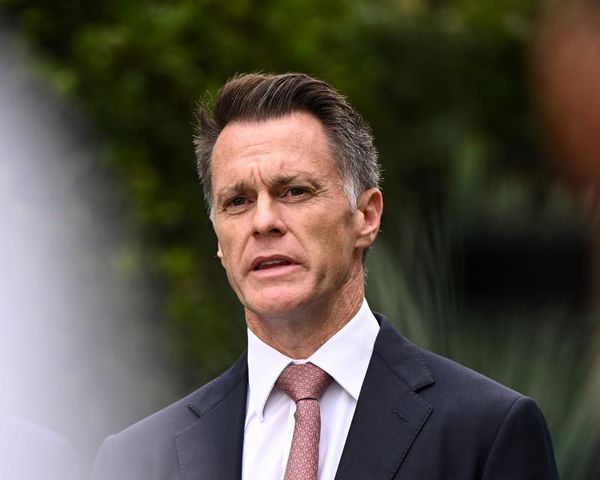

The epidemiologist Arnaud Fontanet, member of the special scientific council advising President Emmanuel Macron's government on crisis policy, has said that, "if the government restrictions are strictly respected, they could work" to reduce the Covid-19 infection rate in the worst-hit zones. "But if the rules are not respected, it won't be enough."
The specialist went on to say that the current rate of increase of infections is not quite as severe as that observed last spring.
However, latest figures show that intensive care units remain overwhelmed, particularly in the Ile-de-France region, which includes Paris and its suburbs.
The Seine-Saint-Denis department, north of Paris reported the highest level of infections in the past week, with 653.1 cases per 100,000 people on Friday, twice the rate considered by the government for "alert" status, at 250 cases per 100,000 people.
Fontanet suggested that in badly affected areas, the closure of colleges and high-schools, so far regarded as a last-ditch measure by French Education Minister, Jean-Michel Blanquer, would have to be considered.
Communication campaign
Government leaders have been called upon to better explain the new phase of lockdown which began on Saturday in 16 of France's most-affected regions.
This after numerous hiccups and confusion over the weekend regarding the rules and use of permission slips.
Prime minister Jean Castex unveiled on Monday the slogan "Inside with my family, outside, as a citizen" meaning that people have to use common sense to reduce their social contacts to a strict minimum, while maintaining a healthy lifestyle which includes going outdoors to do sports, but always respecting social distancing and mask wearing.
The interior minister Gérald Darmanin has also reissued a memo to police in the affected regions reminding them to systematically fine people if they were not respecting the curfew from 7pm-6am or if they did not have a valid reason for their movements.
There is also pressure to crackdown on gatherings and parties in public places such as along the Seine river.
Further concerns about AstraZeneca efficiency
Meanwhile, a United States health agency raised concerns Tuesday that AstraZeneca may have included out-of-date information during trials of its Covid-19 vaccine, the day after the company said its drug was highly effective in preventing the disease.
AstraZeneca had said Monday that stage three US trials had shown its vaccine was 79 percent effective at preventing the disease.
But the National Institute of Allergy and Infectious Diseases (NIAID) has flagged concerns.
NIAID said a monitoring board "expressed concern that AstraZeneca may have included outdated information from that trial, which may have provided an incomplete view of the efficacy data."
The news comes as Europe continues to wrangle over supplies of the jab, and after weeks of uncertainty centred on fears it was linked to an increased risk of blood clots.
Germany, one of the bloc's key players, on Tuesday threw its weight behind an EU export ban, as it announced strict virus measures would be imposed for five days over Easter to contain spiralling infections.
French regional elections remain in doubt
The government's scientific council is currently working on the question of this summer's regional elections.
Expressing the fear that large meetings in May and June, at a time when the virus could still be circulating at a dangerous level, the council has already warned that it is the phase of pre-election campaiging, and eventual celebrations after the results, which pose a greater risk than the actual mechanics of polling.