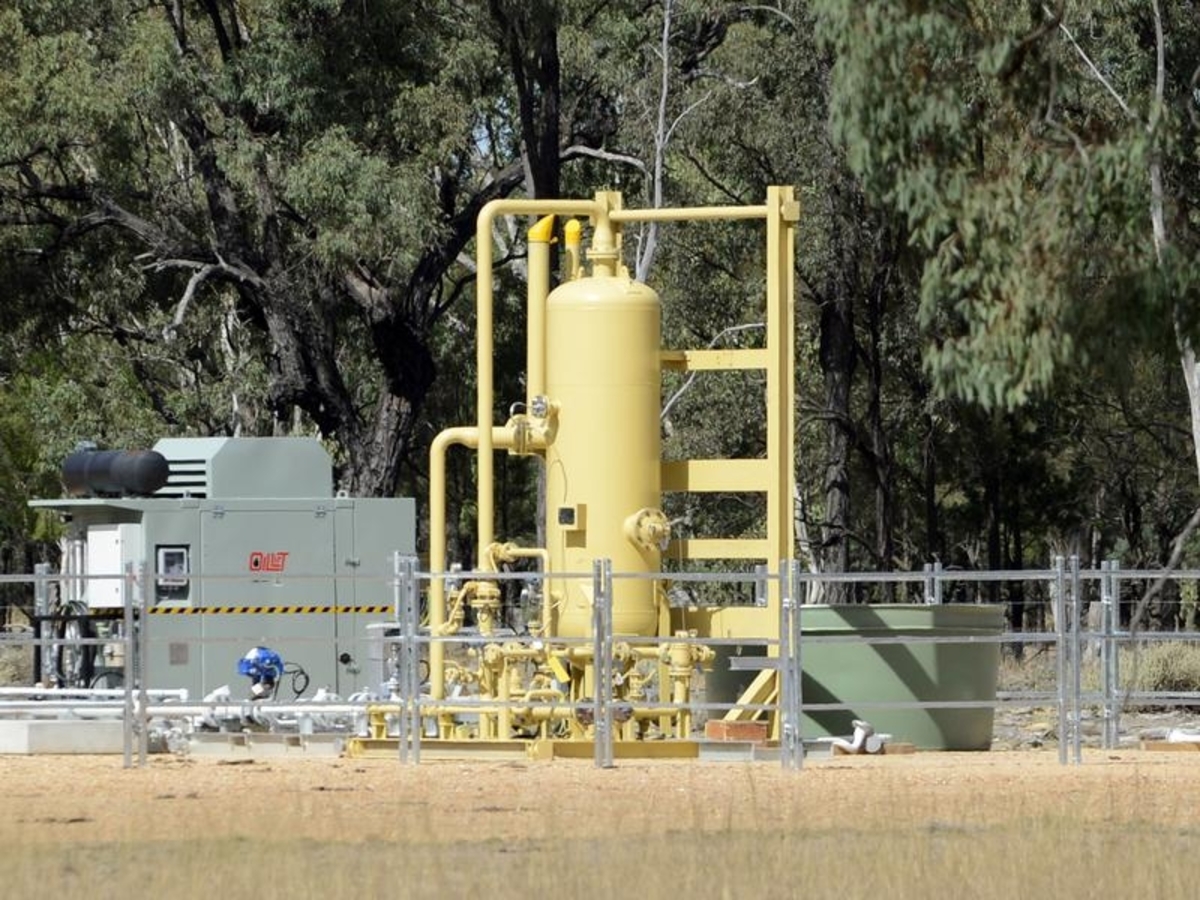
More research is needed to ensure proposed gas fracking in the Northern Territory's Beetaloo Basin doesn't endanger tiny subterranean shrimp critical to groundwater health, a study has found.
The basin is one of five gas fields the Commonwealth plans to open up to support exports and manufacturing plants, under its "gas-led recovery" from the coronavirus crisis.
It sits over the Cambrian Limestone Aquifer which has some of the best fresh water in a region that is dependent on groundwater, like much of the NT.
The joint CSIRO and Charles Darwin University study found 11 new stygofaunal species - including shrimps, amphipods, ostracods, copepods and syncarids - about 0.3 to 10 millimetres in length.
They help purify groundwater, making it safe for humans, animals and other organisms to use.
Microbiologist Gavin Rees said their presence across the region could also show the aquifer - about 650 kilometres south of Darwin - is one large and interconnected subterranean waterway.
Proposed shale gas developments in the basin need to consider the discovery of the stygofauna, he said.
Further work is also needed to quantify the risk from possible contamination impacts on stygofauna in the event of a shale gas extraction spill, the study concluded.
Plans to frack in the Beetaloo Basin have caused concern among many Territorians, with fears it could jeopardise groundwater and Australia's efforts to meet the Paris emissions reduction target.
But an independent inquiry found that even small-scale developments in the basin could create more than 6500 full-time jobs and generate $2.8 billion for the cash-strapped NT economy over 25 years.
Environment Centre NT director Kirsty Howey said the stygofauna should be listed on Territory and commonwealth threatened species lists to help protect them.
"In the meantime, all fracking and large-scale irrigated agriculture projects must be put on hold," she said.
"If groundwater aquifers are contaminated ... these stygofauna could be irreversibly impacted and the NT's groundwater quality could be damaged."
The ECNT called on the NT government to prioritise funding for research into the stygofauna.
About 90 per cent of the Territory's supply comes from groundwater sources, according to the NT government.
The study findings were published on Tuesday.
It was funded by the Gas Industry Social and Environmental Research Alliance, which is a collaboration between the CSIRO, Commonwealth, state governments and industry.