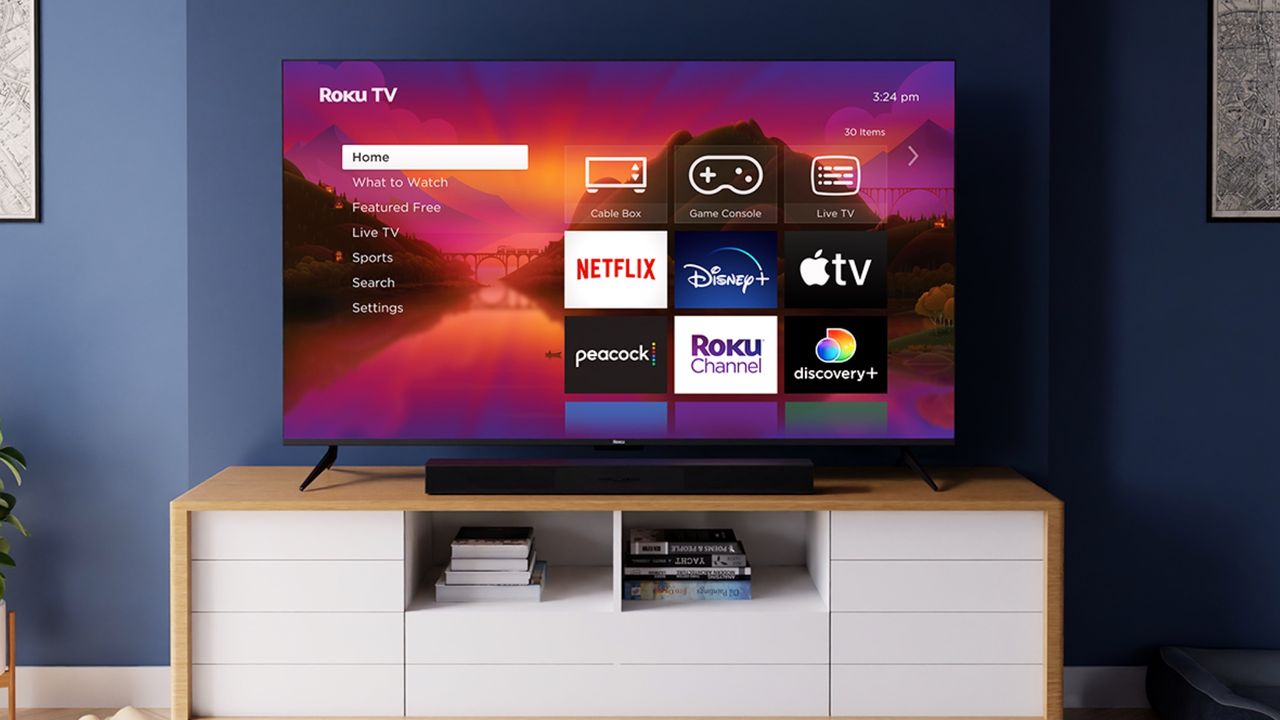
This week, media conglomerate Fox acquired Roku in a deal worth a whopping $22 billion. The deal won’t be finalized until sometime in 2027, but as someone who makes a living testing, reviewing and recommending TVs, I can’t help but ponder the short- and long-term ramifications for Roku-centric living rooms.
Beyond Roku TVs — which arrive with the brand’s excellent streaming software baked right into the TV — Roku makes some of the best streaming devices on the market. They, too, are built around the Roku experience, delivering an easy-to-use interface atop a vast library of downloadable apps.
If you use a Roku device on a daily basis for streaming movies, shows and live TV, the next few years of binge-watching and app-jumping could look different. Here are some of the changes that could be on their way.
An expansion of the Roku hardware lineup may be in the cards
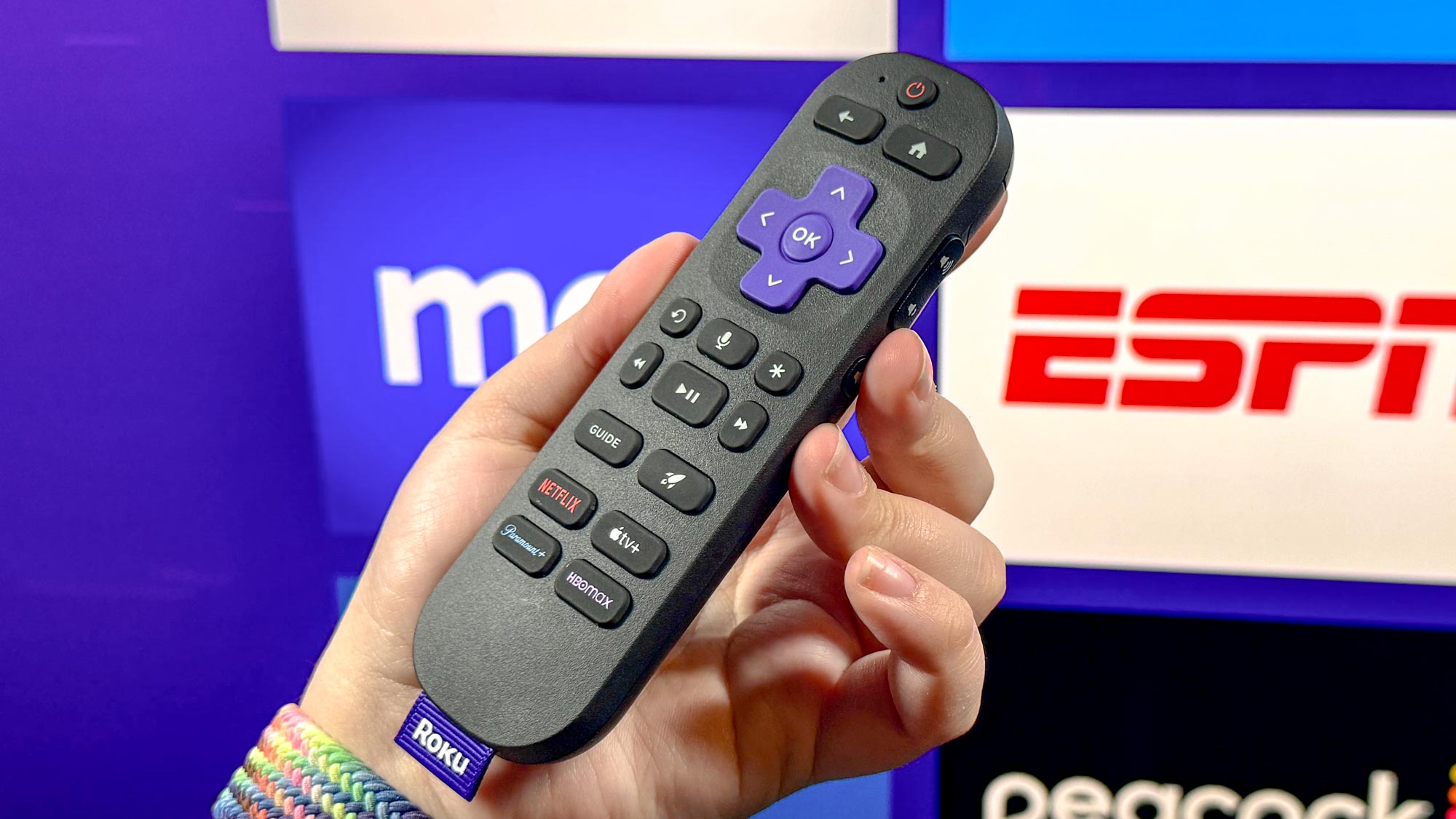
This is purely speculation on my part, but we might see new Roku TVs, streaming sticks and several changes to Roku-branded hardware over the course of the next several years. It all depends on how viable Fox sees the Roku brand as a hardware entity, and how effectively its executives believe they can leverage said hardware.
Once upon a time, Roku TVs were, frankly, not very good — at least as far as performance goes. In recent years, Roku-branded TVs have seen substantial improvements. The best Roku TVs today often make use of Mini-LED backlighting, which is partly why their picture quality has gotten better of late.
While it’s tough to read the tea leaves about how this acquisition will reshape Roku’s hardware lineup, I don’t expect there to be a significant reduction in Roku TVs, streaming sticks (like the Roku Streaming Stick 4K) and Roku boxes. The reason for this is simple: Fox now has a direct line to the Roku home screen in millions of people’s homes.
With this connection, Fox can now effectively integrate its own apps and services into our collective Roku experience. It's a benefit that most other media giants don’t have.
The Roku Channel or other apps could be retired

As my colleague Malcolm McMillan outlines in his analysis of the Fox-Roku deal, there are a couple of Fox- and Roku-owned streaming apps that could be in flux.
The Roku Channel, as the name suggests, is a free, Roku-owned streaming app that comes preinstalled in Roku TVs and streaming devices. Tubi — a company acquired by Fox in 2020 — also offers free, ad-based streaming.
There isn’t much of a business-driven incentive to back two free streaming apps that serve a similar purpose.
My colleagues are right to point out that, with Fox overseeing the entire Roku operation, there ostensibly isn’t much of a business-driven incentive to back two free streaming apps that serve a similar purpose. Given the greater popularity of Tubi, the Roku Channel could be the odd app out.
The same can be said for the Howdy app, which is similar to the Roku Channel but sits behind a three-dollar-per-month subscription. Fox executives may be more reluctant to retire Howdy if its subscription model has proven successful. But, as Malcolm mentions, “we don't have any hard data on how it's performing in terms of revenue or user growth.”
The future of Fox and Roku
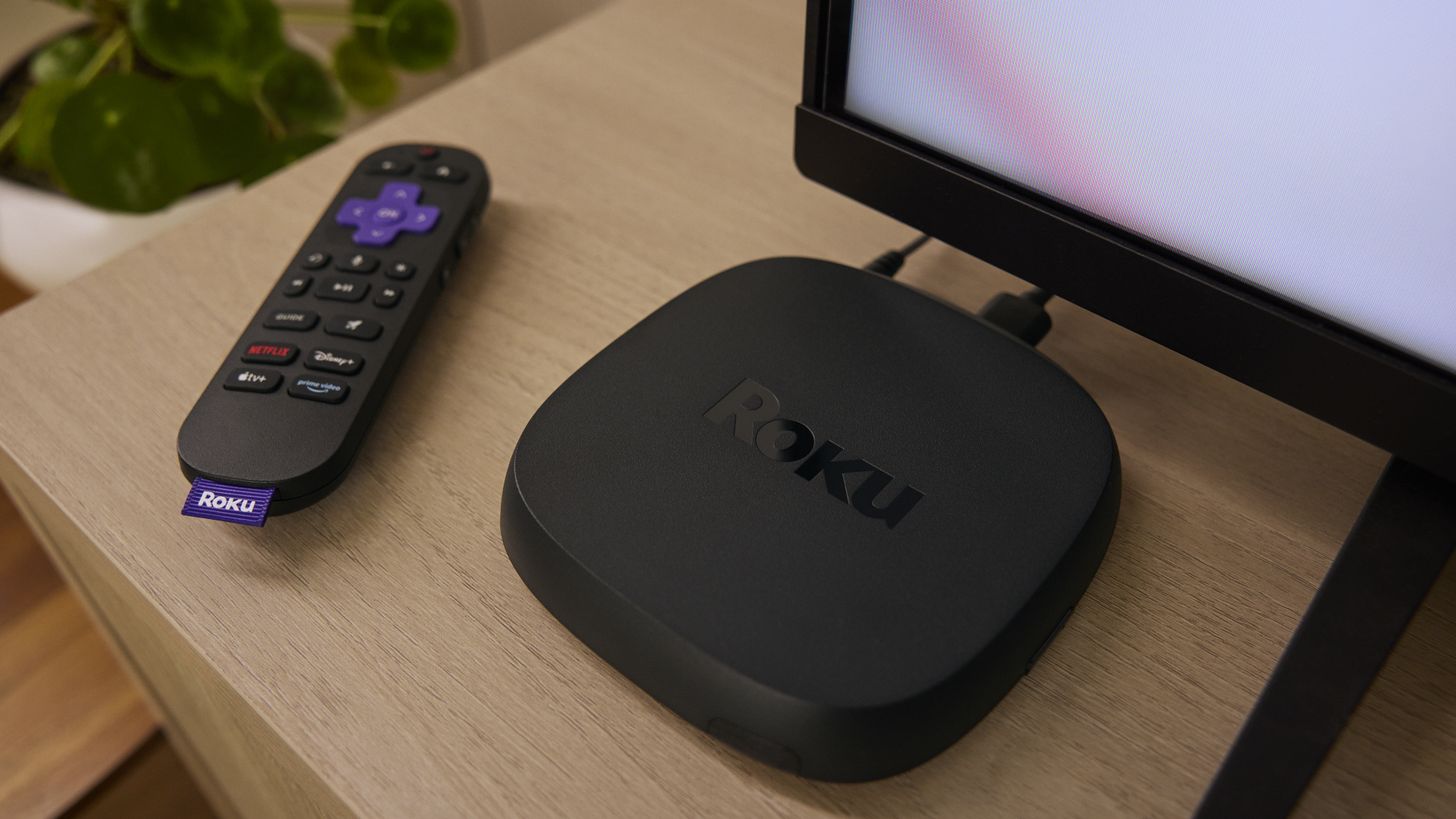
As someone who recently made the switch from webOS to Roku for daily streaming duties, the future of this simple-but-powerful software suite is important to me. And, as a TV-reviewer, I’d love to have a clearer picture of where Roku hardware — both its TVs and streaming devices — are headed.
The truth is, we won’t have a deeper understanding of these details for a while. As mentioned, the acquisition won’t be finalized until next year.
On the hardware side of things, it’s likely that we wouldn’t see any shakeups to Roku TVs and device lineups for a few years, as these changes would take some time to develop, logistically speaking.
I suspect that the first bits of Fox-related influence that’ll be felt will come in the form of small changes to the Roku interface. This could be as simple as Fox-owned services getting favorable placement on the home screen (or in the form of dedicated buttons on the Roku remote).
Ultimately, however, I would hate to see this move detract from what I love about the Roku experience: a simple interface with minimal ad placement.
If Fox plays its cards right, Roku could become more popular than ever. I just hope it doesn’t lose its way in the process.