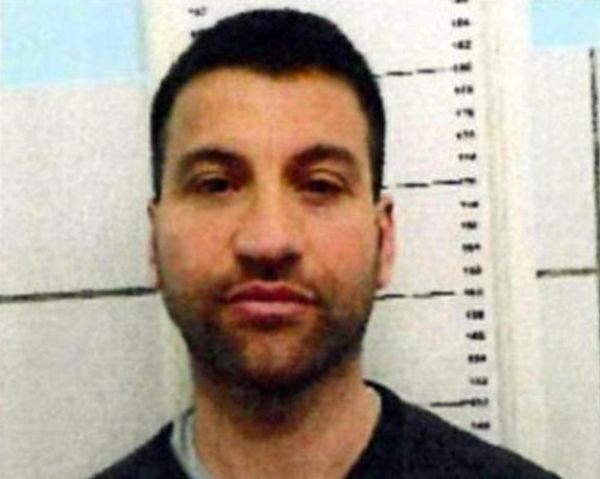
Four teenagers charged over rioting at Victoria’s Malmsbury detention centre have been moved to an adult prison after a court heard they could not be properly controlled in the youth detention system.
The teenagers, three 18-year-olds and a 19-year-old, were among six detainees charged with criminal damage after an incident that caused $65,000 damage at the youth detention centre, 100km north of Melbourne, on Thursday.
A spokeswoman from the Department of Health and Human Services said the Bendigo magistrates court approved the transfer on Monday.
They will be placed in the general population of an as yet unspecified adult jail, under the provisions of the Children, Youth and Families Act 2005.
The act allows for teenagers aged 16 and over to be transferred to an adult jail if they have threatened the good order and safe operation of a youth justice centre, cannot be properly controlled in a youth justice centre or have requested the transfer themselves.
This process is distinct from the Andrews government’s controversial decision last month to transfer a number of detainees accused of being involved in rioting in Parkville detention centre to a designated unit of Barwon maximum security prison.
In that case an area of the adult prison, dubbed the Grevillea unit, had been designated as a youth justice centre although the government had to re-gazette the unit after the supreme court found its first attempt to create an additional youth justice space was unlawful.
There have been 28 reported incidents at Victoria’s Parkville and Malmsbury youth detention centres in the past 12 months, including two last week.
On Monday the youth affairs minister, Jenny Mikakos, blamed the increased frequency of riots on inadequate infrastructure and youth detainee population that is “far more violent than we have seen in the past”.
In particular, she said detainees were exploiting a weakness in the ceilings at Parkville detention centre that allowed them to climb into the roof cavity.
“It appears from the preliminary advice that I have that it’s spontaneous acts, where they’re taking advantage of the weak infrastructure,” Mikakos told ABC radio in Melbourne.
“They talk to each other, they know that there are vulnerabilities in getting to the ceilings … So, for example, on the event on the 7th of January at Parkville, we had a number of offenders, about six offenders, playing basketball outside. They then ran off from staff, ended up in a unit, got into the roof cavity and managed to extract one other inmate out of his locked cell again through the ceiling of his cell. There didn’t appear to be anything that particularly sparked that, rather them taking advantage of the weak infrastructure that we’ve got.”
Mikakos said the government was undertaking urgent fortifications on Parkville and Malmsbury that included placing anti-climb wire on the tops of buildings and putting steel in the roof cavities. She said she had also expedited the business case for a complete rebuild to make youth detention centres that were “fit for purpose”.
She said dismissed suggestions she would be sacked over the ongoing riots, saying she was “not a quitter”.
Human rights advocates have also blamed the increasing unrest on poor infrastructure but said the government was warned of the issue in an ombudsman’s report in 2010.

.png?w=600)