Modern staff surveys of newspapers in Britain (and the United States) continue to show that female journalists are under-represented at the top of newsrooms.
So it was heartening to note from the Woman’s Hour 2015 list of the most powerful female “influencers” in the English-speaking world that four of the top 10 hold senior positions in the media and a fifth was, until recently, also a journalist.
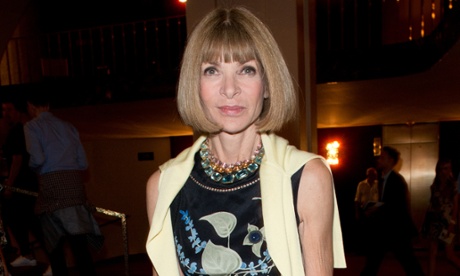
The quartet are Anna Wintour, editor-in-chief of US Vogue (at no 2 on the list); Katharine Viner, editor-in-chief of Guardian News & Media (no 4); Karen Blackett chief executive of the media agency, MediaCom (no 8); and Zanny Minton Beddoes, editor-in-chief of The Economist (no 9).
And in fifth place was Camilla Cavendish, director of the Downing Street Policy Unit, who was an associate editor and columnist with the Sunday Times until last month after spending several years with the Times.
The fact that three current newspaper and magazine editors appear in the top 10 slots indicates two factors: media, whether in print or online, remains influential; and within media organisations, women are in the ascendant.
Despite the surveys, and the anecdotal evidence of men continuing to dominate editorial conferences at many news outlets, the path-breaking Wintour, Viner and Beddoes indicate a changed direction of feminist travel.
They are role models for the incoming legions of women who are entering media organisations. At City University London, where I teach an MA course, there have been many more female than male students over the past five or so years and the proportion of women taking the course has been increasing steadily.
The glass ceiling is cracking but it would be foolish to deny that all is as it should be. Surveys carried out by the campaigning group Women in Journalism (in 2011, here; in 2012, here and here) showed that in all manner of ways men retained many of the levers of power within newspapers (but, I believe, less so in magazines).
Not only that, newspapers tend to treat men as superior by relying on them for “expert” quotes, and it is also the case that stories about serious topics feature men more often than women.
The situation has probably (new survey required?) changed for the better over the past three years. And the Woman’s Own accolades certainly provide some reason to be cheerful.
Finally, if I can be a little parochial for a moment, given Kath Viner’s elevation, it is noticeable that the gender composition of Guardian conferences is - to quote a tweet by the Media Guardian editor, Jane Martinson - a’changing. There are several female section heads or deputies.
But is that the experience elsewhere, I wonder?
See also Alexandra Topping’s news report on the Woman’s Own power list that was topped by SNP leader Nicola Sturgeon.