With President Donald Trump's final days in the Oval Office fast approaching, his administration is racing to enact sweeping changes to federal policy on the environment, labor, technology and more, including some that could impact the auto industry.
These rules are known among policymakers as "midnight regulations" — policies a presidential administration pushes through during the "lame duck" period between an election and the president's last day in office.
"This would not be the first administration to do it, but the sheer range of things that they are trying to finish off or nail down is really pretty stunning," said Berry Rabe, a public policy professor at the University of Michigan.
"Compared to other transitions, we're seeing more people in prominent positions who have left or bailed. And yet more of a push from the remaining staff to take this as far as they can."
From proposal to public comment to an inter-agency review, it usually takes months if not years for regulations to go through the bureaucratic process. Some of the Trump administration's proposed rules are nearing completion but still haven't been made official by printing in the Federal Register, and the deadline to do so is rapidly approaching.
A potential backlog at the Office of Management and Budget — which conducts a review of each rule before sending it back to the agency to be signed — threatens to leave the administration scrambling to get the policies across the finish line. If the rules are printed in the Federal Register before President-elect Joe Biden is sworn in on Jan. 20, it would require the new administration to follow a long process to undo them.
Here are four rules that are in the works, or have been changed since Election Day, that would impact Michigan's flagship industry.
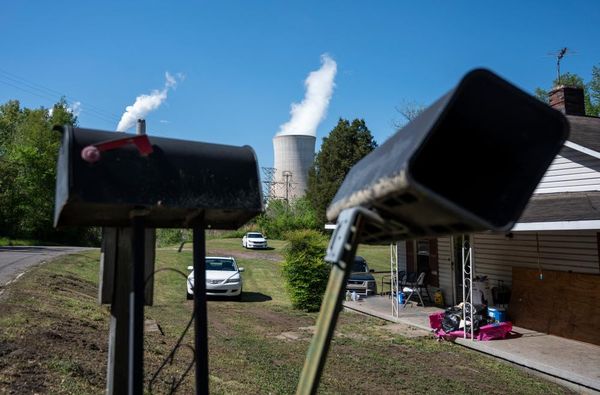
Keeping the status quo on ozone, soot
What they do: Ground-level ozone is an air pollutant that is one of the major contributors to smog. It is harmful to human health and is already at dangerous levels in many areas across the U.S. depending on the time of year. Fine particulate matter (known to experts as PM 2.5 and colloquially called soot) is also an air pollutant that comes from combustion and can have significant health impacts, including a link to coronavirus deaths.
The Clean Air Act requires the Environmental Protection Agency to set standards for these pollutants at levels that protect public health — a measurement that must be periodically reviewed. These two proposed rules say the agency has done that research and determined existing standards for ozone and soot are sufficient. Scientists and clean air advocates say that's not the case.
"Some people are really happy with what the Trump folks came up with," said Miles Keogh, executive director of the National Association of Clean Air Agencies, which represents state and local air agencies around the country.
"A lot of people thought that it was rushed, the science is garbage, it didn't adequately consider new science, it didn't adequately consider the implications of COVID, it didn't look at disproportionately affected communities — there's all kinds of gripes about these two rules."
The intersection with autos: Gas-powered vehicles are among the major emitters of the pollutants that contribute to both ozone and soot. Keeping the standards the same would "produce less technology-forcing and less technology integration requirements for the auto industry," Keogh said. In comparison, a tighter standard would require policies to reduce emissions and likely implicate automakers.
The Alliance of Automobile Manufacturers, now a part of the Alliance for Automotive Innovation, was one of the industry groups that advocated for keeping the existing soot regulation in fall 2019.
Where it stands: Neither have yet been made official. The soot-related rule is the closest; it's been signed by the EPA administrator and just has to be printed in the Federal Register. The ozone rule is still in the queue at the Office of Management and Budget.
Regardless of whether the two rules are printed, Keogh predicted the Biden administration will take a second look at the EPA's review because it drew significant criticism from scientists and environmental advocates.
Increasing wage rules for H-1B visa holders
What it does: The rule requires that employers pay substantially higher wages to sponsor "high skilled" immigrant workers. Based on salaries in each profession, it requires entry-level wages be in the 45th percentile rather than the 17th and high-skilled workers to the 95th percentile rather than the 67th.
Aimed at protecting jobs for U.S. citizens and reducing the number of foreign workers, experts say it's likely to make many immigrants ineligible for jobs in the country.
The intersection with autos: Most H1-B visa holders work in the tech sector, which may be a challenge as the auto industry transitions to more electric and autonomous vehicles that rely on computer engineering and software development. Companies like Tesla Inc. and General Motors Co. that are investing heavily in EV technology are those that employ the most H1-B visa holders.
Most automakers already try to avoid hiring non-citizen workers, said Carla Bailo, president of the Center for Automotive Research. But the nonprofits and academic research groups that support auto industry innovation have lost talented researchers "because of the unfriendly policies" toward international graduate students and academics.
"This is one of the most critical issues facing our country right now — having that research done here. Because that tech research does go into industry when it reaches the right readiness level," she said. "So I think it's a huge issue."
Where it stands: The rule went into effect in early October without first undergoing public comment. It's designated as an "interim final rule," which is used when an agency "finds that it has good cause to issue a final rule without first publishing a proposed rule."
This expedited process opened the rule up to legal challenges. The U.S. Chamber of Commerce, industry groups such as the National Association of Manufacturers, and colleges including Cornell, Stanford and the University of Southern California have sued the administration over it.
Earlier this month, a judge ruled in favor of the universities and business groups, requiring the administration to revert to the regular rulemaking process and quash the rule in the meantime. The Trump administration might still appeal the decision.
Changing EPA's cost-benefit analysis on clean air
What it does: The proposed rule would make it harder to implement new air pollution limits by adding new cost-benefit analysis requirements to rulemaking.
EPA would be required to weigh the economic costs of new Clean Air Act regulations and explain why the market can't solve the problem the regulations are targeting. Indirect benefits, such as improvements in health or greenhouse gas emission reductions, would be part of a separate review process and not weighed directly against economic costs.
The intersection with autos: If the rule remains in place, it would likely be a major roadblock to Biden administration clean air policies, such as emissions regulations.
Corporations are more likely to have robust data on the costs of their operation compared to research on pollutant impacts on communities, Keogh said, so "emphasizing the importance of cost" is likely to give companies like major automakers and energy producers more influence over proposed policies.
Where it stands: This rule is close to done. It's been approved by the Office of Management and Budget, signed by the EPA chief and just has to be printed in the Federal Register to be finalized.
The four rules are among dozens that the Trump administration is acting on in the final weeks of the lame-duck period, many of which promise to make some Biden campaign promises tougher to achieve. The volume of rules and crunch on time will be illustrative of what can be done by a one-term president like Trump.
"He's had a relatively short amount of time to try to do this, and it's not clear that one term is enough to make lasting change," said Rabe of the University of Michigan. "This is not settled business."