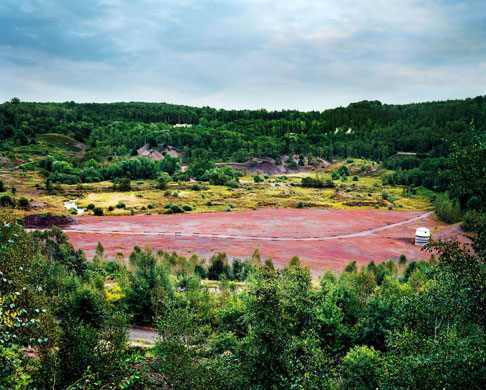
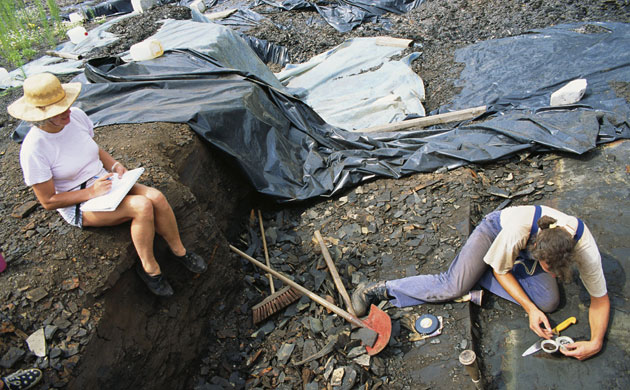
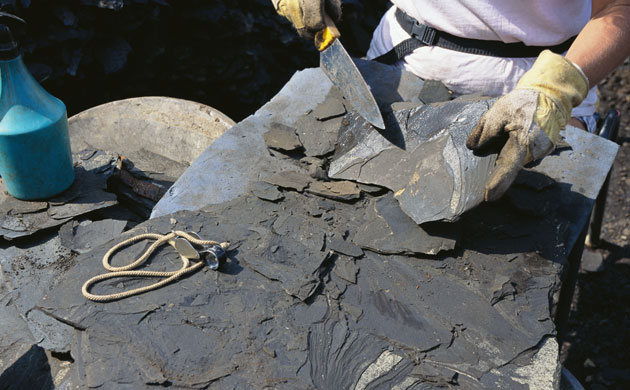
At the Messel pit near Darmstadt in Germany where Ida fossil was excavated, palaeontologists have found hundreds of well-preserved specimens. After decades of use as a quarry for oil shale, the local government had planned to use the site for landfill and had even got as far as building access roads for the refuse lorries. Only a concerted campaign by local scientists succeeded in mobilising an international effort to save the site, which resulted in its protection as a Unesco world heritage sitePhotograph: Berthold Steinhilber/laif/Berthold Steinhilber/laif/Camera PressA team from the Senckenberg Museum of Natural History records the location of a Gar-like fish fossil in the Messel pit near Darmstadt, in 1996 Photograph: Jonathan Blair/CorbisA Senckenberg Museum team member extracts a small insect from the oil shale layers Photograph: Jonathan Blair/Corbis
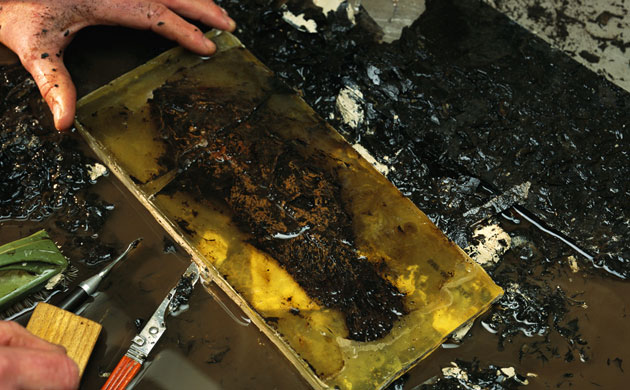
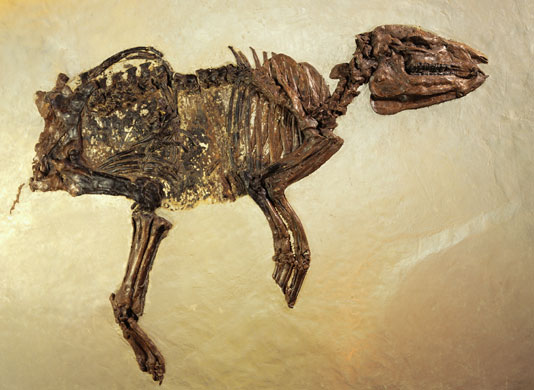
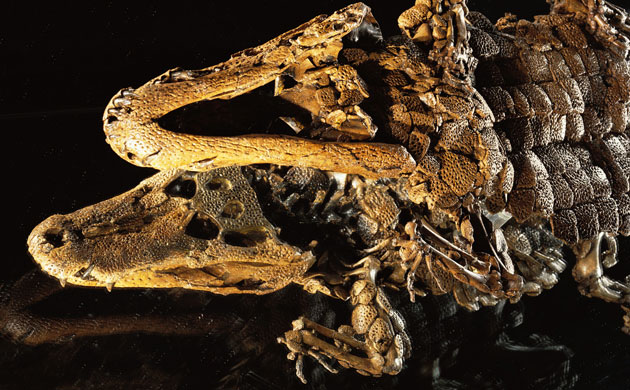
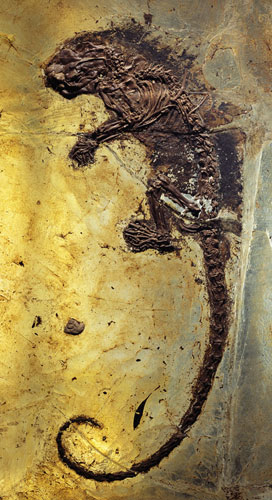
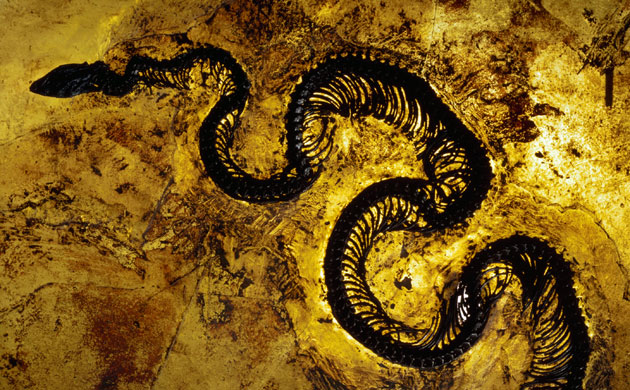
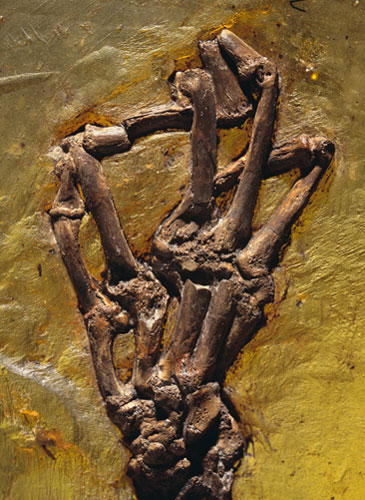
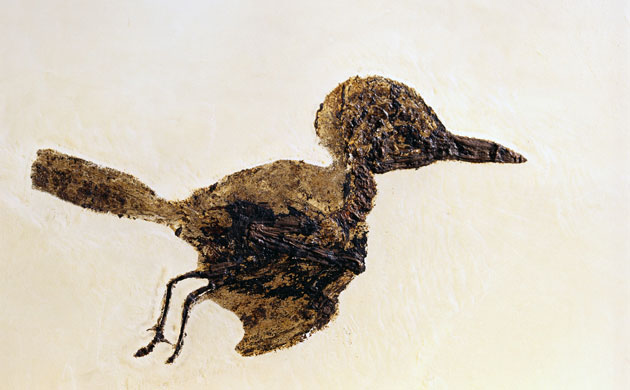
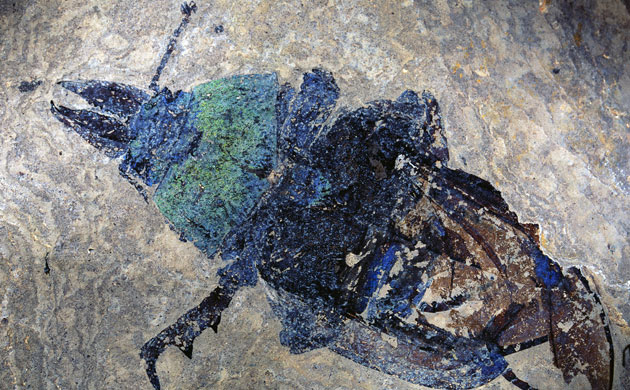
A 49 million-year-old fish fossil found at Messel is being prepared by a technicianPhotograph: Jonathan Blair/CORBISThe 49 million-year-old fossil is embedded in a thick block made of clay and cured resinPhotograph: Jonathan Blair/CorbisThis 49 million-year-old primitive horse, Paleotherium, which was the size of a fox and foraged for leaves and fruit, was also found at MesselPhotograph: Jonathan Blair/CorbisA 49 million-year-old Diplocynodon darwini, an alligator, was completely removed from the oil shale and resin mix for displayPhotograph: Jonathan Blair/CORBISThis 49 million-year-old rodent, Ailuravus macrurus, was similar to a squirrel and lived on leaves and seeds Photograph: Jonathan Blair/CorbisMessel fossil snake, from the Boa family, in the Senckenberg Museum Photograph: Jonathan Blair/CorbisThis 49 million year old fossil of a monkey's hand, only a few centimeters in size, was found at MesselPhotograph: Jonathan Blair/CorbisThese 49 million-year-old freshwater turtle fossils are believed to have died of poisoning during copulationPhotograph: Jonathan Blair/CorbisThe fossil of a small bird found at Messel near Darmstadt, shows how well its feathers and body tissues have been preserved after 49 million yearsPhotograph: Jonathan Blair/CorbisThis 49-million-year old male giant ant (Formicium giganteum) fossil was a winged ant which perished during their mating flightPhotograph: Jonathan Blair/Corbis
Sign up to read this article
Read news from 100’s of titles, curated specifically for you.