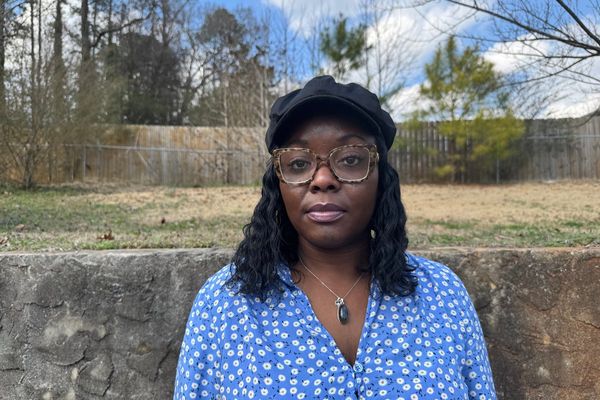
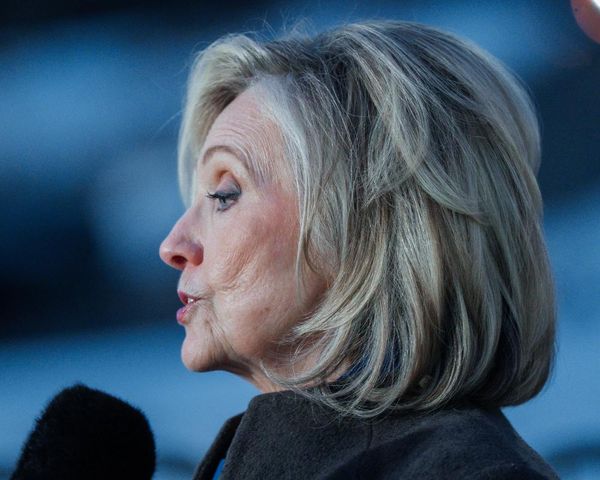
Former state judge Ethan Greenberg discussed the potential outcomes of the trial involving former President Trump and the consideration of misdemeanor charges in addition to felonies. Greenberg explained that while the statute of limitations for misdemeanors is typically two years, time spent out of the state does not count towards this period. Given Trump's time in office and subsequent residence in Florida, the statute of limitations may still be applicable to the misdemeanor charges.
Regarding the prosecution's burden of proof, Greenberg highlighted the requirement to demonstrate that Trump falsified business records with the intent to conceal another crime. He noted that evidence of false records is strong, but proving intent to cover up a crime is the weakest aspect of the case.
Greenberg outlined the three parties that can request the submission of lesser charges - the defense, the prosecution, or the judge. He suggested that all parties may have reasons to consider misdemeanor charges, as they present a stronger case compared to felonies and could potentially lead to a compromise verdict.


He further explained that Trump may choose to offer a compromise to the jury to reduce his potential prison time or opt for a 'all or nothing' approach if he is confident in acquittal. Similarly, the prosecution may weigh the risks and benefits of pursuing felony charges alone or including misdemeanors as a safety net.
Greenberg emphasized that while Trump faces 34 misdemeanor charges, the likelihood of significant jail time is low due to his lack of prior convictions and the non-violent nature of the crimes. Ultimately, the decision on whether to pursue misdemeanor charges alongside felonies will impact the potential outcomes and sentencing in the case.